REVIEW · TOKYO
Old and Nostalgic Tokyo: Half-Day Yanaka Walking Tour
Book on GetYourGuide →Operated by Trip Designer Inc. · Bookable on GetYourGuide
Old Tokyo is still here, if you walk. This half-day Yanaka route is all about Tokyo’s past, with stops like the Yanaka Cemetery and the Nezu Shrine. I love how the tour mixes big sights with everyday lanes, plus planned time for sweet-and-salty local treats. One thing to consider: this is a moderate walking tour, so comfortable shoes matter.
You’ll start at JR Nippori Station and move through a historic neighborhood known as Yanesen, the Edo-period style pocket made famous for its old streets and writerly inspiration. In past groups, guides such as Michiko, Kaori, Arika, Yoshimi, Rie, Sumiko, and Mikko have all brought the area to life with energetic pacing and clear English. That personal touch is a big part of why the tour doesn’t feel like a rushed checklist.
The only real downside is practical: food and drinks are not included, so any sampling you do comes from what you choose to buy along the way. And since there are cultural rules (like no shoes indoors at certain places), you’ll want to be ready for simple etiquette moments.
In This Review
- Key highlights that make this Yanaka tour worth your time
- Why Yanaka feels different from the rest of Tokyo
- Getting started at Nippori: fast way to escape the crowds
- Tennōji Temple: a gentle first taste of the neighborhood
- Yanaka Reien Cemetery: 7,000 tombstones and spring-season magic
- Nezu Shrine (built in 1706): Edo-era Japan, close up
- Yanaka-Ginza shopping street: snacks, sweets, and browsing like a local
- The guide makes or breaks this kind of tour
- What to expect on your feet: walking pace and shoe rules
- Price and value: where $83 really lands
- Who should book this Yanaka walking tour
- Should you book it? My take
- FAQ
- How long is the Old and Nostalgic Tokyo Half-Day Yanaka Walking Tour?
- Where is the meeting point?
- What sights will we visit?
- Is the tour guided and in English?
- How many people are in a group?
- Are food and drinks included?
- What should I bring?
- Is the tour suitable for wheelchair users?
- Can I bring pets or a drone?
- What should I know about shoes indoors?
Key highlights that make this Yanaka tour worth your time
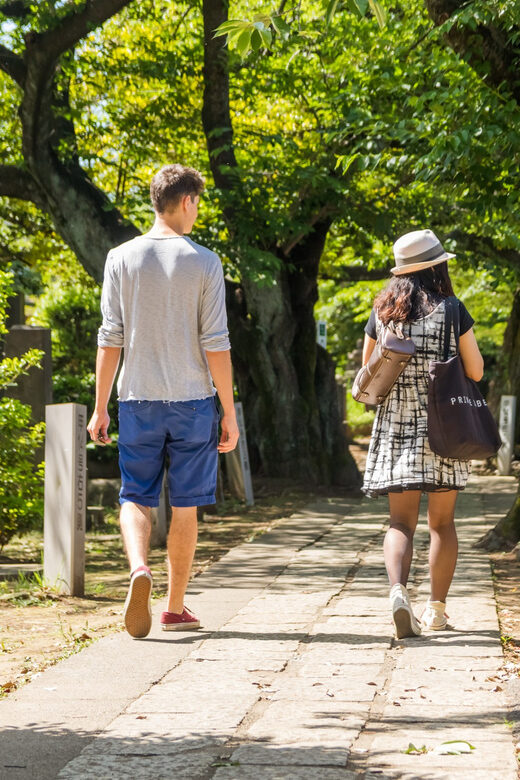
- Yanaka Reien Cemetery: one of Tokyo’s largest, with about 7,000 tombstones and spring-viewing vibes
- Nezu Shrine: a historic site dating to 1706, built by the fifth Tokugawa shogun
- Yanesen backstreets: Edo-era atmosphere without needing a time machine
- Tennōji Temple: a short, calm 20-minute stop to set the tone
- Yanaka-Ginza shopping street: guided browsing and chances to buy local snacks and sweets
- Small group (up to 8): more time for questions and smoother walking
Why Yanaka feels different from the rest of Tokyo
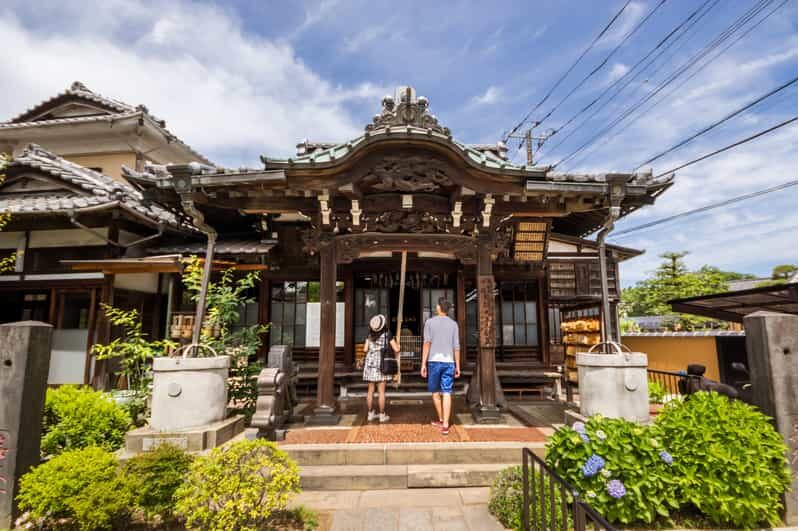
Tokyo has a habit of running at full speed. Yanaka breaks that habit. This area sits away from the skyscraper rush, and the streets still feel old—narrow lanes, low buildings, and the kind of neighborhood texture you don’t get from major transit hubs.
That matters because you’re not only seeing monuments. You’re seeing how Tokyo used to look and how people still live in a place shaped by the Edo period. The tour’s route is built for that feeling: you get a mix of sacred spaces, a major cemetery, and a traditional shopping street, all tied together by the everyday walk between them.
Also, Yanaka is known as one of Japan’s top 100 “beautiful and historical natural features.” Even when you’re not in spring bloom mode, you’re walking in a landscape of slopes and pathways that makes the whole district feel slightly layered—like you’re moving through chapters, not just crossing points on a map.
You can also read our reviews of more walking tours in Tokyo


Getting started at Nippori: fast way to escape the crowds
Your meeting point is JR Nippori Station, north gate (北改札). That’s a smart choice. Nippori is easy to reach, and it helps you begin the tour without spending your whole morning fighting Tokyo transit connections.
From there, the small-group setup (up to 8 people) keeps things calm. You’ll move at a human walking pace, not a shuffle. And because the tour is in English with a professional guide, you’ll have context for what you’re seeing as you go—rather than staring at signs and guessing.
Bring comfortable shoes. You’ll be walking on uneven sidewalks at times, and the neighborhood layout includes slopes. If your feet are happy, you’ll enjoy the tour more than you expect.
Tennōji Temple: a gentle first taste of the neighborhood
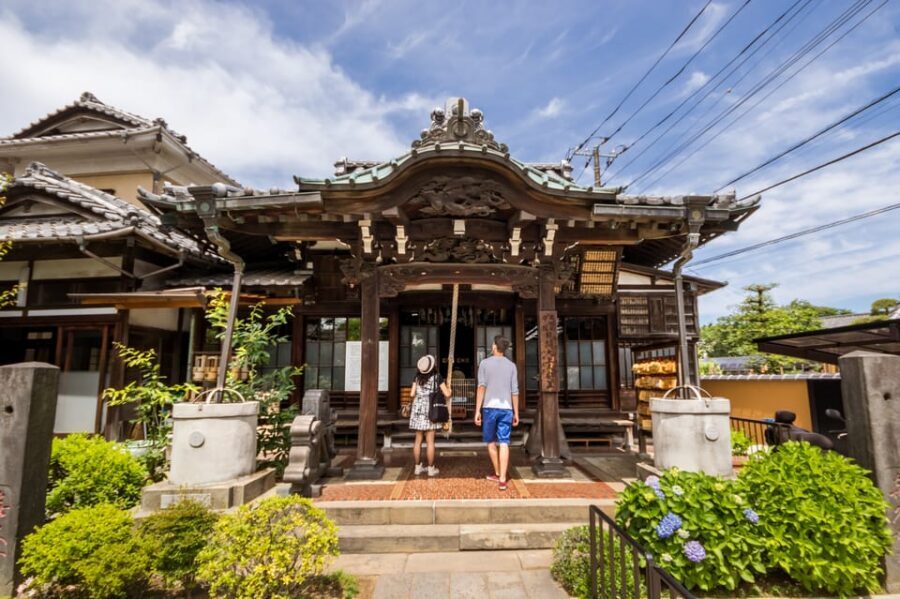
The itinerary starts with Tennōji Temple, with a visit time of about 20 minutes. This isn’t a quick photo stop. It’s more like a warm-up—time to get into the rhythm of the area.
Temples in Japan work differently than temples elsewhere. Even when you’re not religious yourself, they give you a sense of order: quiet spaces, careful architecture, and a different sound level than the street outside. It also helps set you up for the rest of the tour, because the day moves from shrine and temple spaces into places that require a bit of respectful attention.
If you’re the type who likes learning etiquette (how people behave, how spaces are used), this early stop is a good indicator of what the rest of the tour will feel like.
Yanaka Reien Cemetery: 7,000 tombstones and spring-season magic
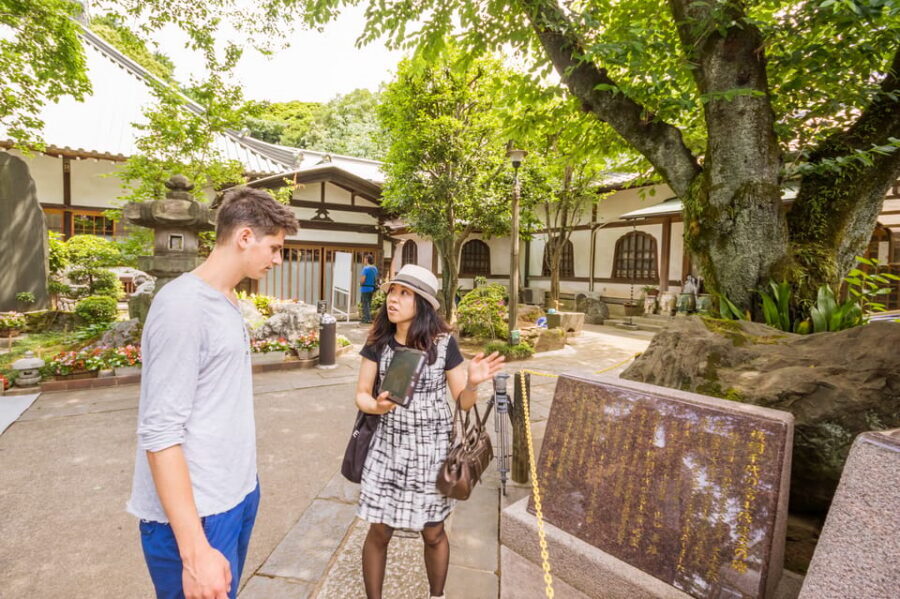
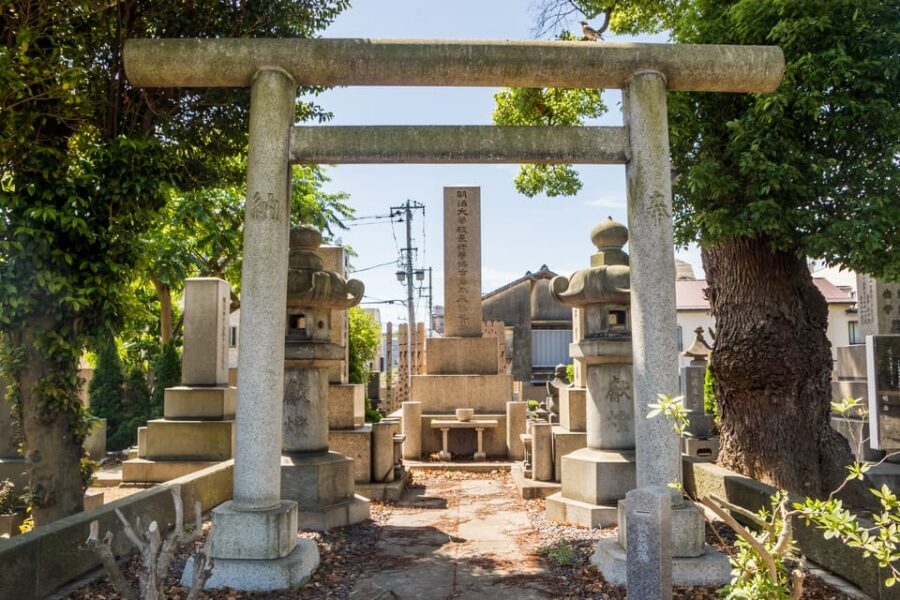
The star stop is the Yanaka Reien Cemetery. You’re visiting one of Tokyo’s largest cemetery areas, with around 7,000 tombstones. That number is part of the wonder, but the bigger value is the atmosphere: it’s quiet, reflective, and historically rooted.
The cemetery is also famous as a viewing spot in spring, especially for cherry blossoms. Even if you’re not in peak bloom season, the setting is worth it. The district’s slope-and-path layout creates a feeling of walking through a small maze of lanes and viewpoints.
Here’s what to keep in mind when you’re there:
- You’ll want to keep your voice down and walk with care.
- Give yourself a moment to look back across the pathways; the views from slopes are often where the “old Tokyo” feeling really lands.
From the tone of past groups’ experiences, this stop tends to do what the best cemetery visits do: it turns something you might think is merely strange into something you understand as part of local life and memory.
Nezu Shrine (built in 1706): Edo-era Japan, close up
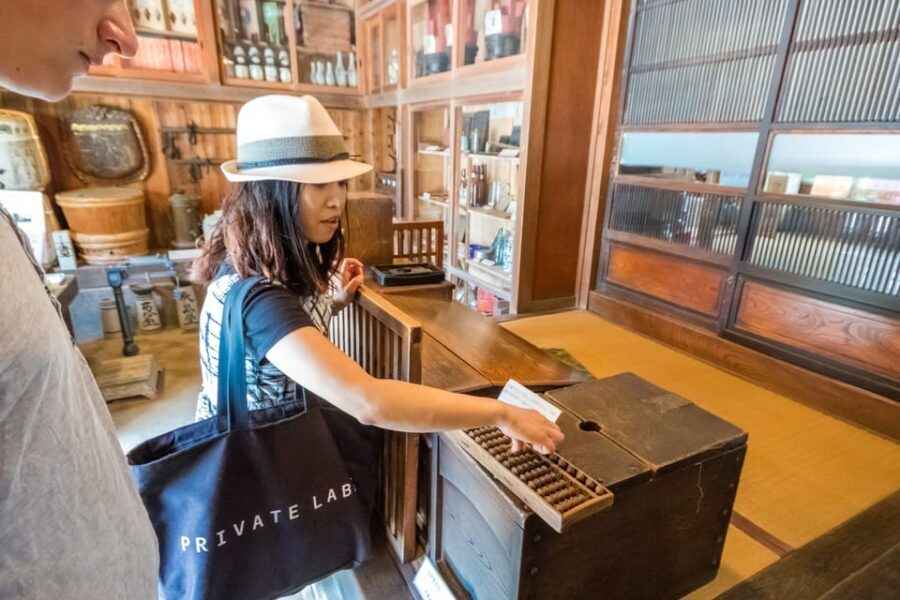
After the cemetery’s stillness, the tour shifts tone to Nezu Shrine. The shrine’s origin ties back to 1706, built by the fifth Tokugawa shogun. That kind of date gives you a direct line into the Edo era, when Tokyo’s political and cultural identity was still taking shape.
Nezu Shrine is not just a history lesson in a pretty setting. It’s a living place of ritual and design. You’re walking through an environment that has been maintained long enough to become part of the neighborhood’s visual language.
Timing can also add extra charm. One past group happened to visit during azaleas in bloom, and it made the shrine feel even more alive than the structure alone. You can’t control the season, but you can control your mindset—show up ready to notice how gardens and buildings work together here.
If you like cultural stops that feel real rather than staged, Nezu is one of the most rewarding parts of the half-day.
A few more Tokyo tours and experiences worth a look




Yanaka-Ginza shopping street: snacks, sweets, and browsing like a local
The tour then connects the historic sights to the everyday neighborhood experience through Yanaka-Ginza, a traditional shopping street. This is where the tour becomes more than sightseeing and turns into something closer to wandering with a helpful guide.
The highlights specifically call out sampling local foods and delicious sweets. At the same time, food and drinks are listed as not included. So the practical way to think about it is this: your guide will point you toward places to try, but you’ll likely pay what you choose.
Past groups have enjoyed things like bread and pastries along with chances to browse small shops. That blend matters. You’re not only eating; you’re picking up small souvenirs that feel connected to the neighborhood’s craft culture rather than mass-market tourism.
If you’re planning your budget, this is the moment where extra spending often happens. Plan a little cushion so you can enjoy the snacks without stress.
The guide makes or breaks this kind of tour
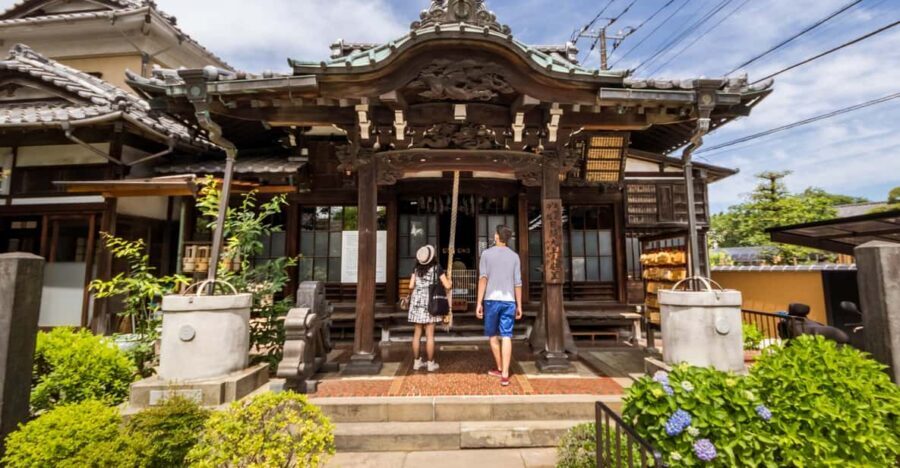
This is where the reviews shine. The tour’s rating is extremely high, and the consistent theme is the quality of the guides—energetic, clear in English, and genuinely tuned in to the group.
Names that have shown up in past guide experiences include Michiko, Kaori, Arika, Yoshimi, Rie, Sumiko, and Mikko. People praised not just facts, but the way those facts were delivered—stories that help you connect what you see on the street to why it exists.
That’s the difference between reading about Yanaka and actually walking it. With a good guide, you learn how to look: you start noticing details like the slope layout, the way the streets bend, and how the sights connect into a single neighborhood story.
Since the group is limited to 8 participants, you’re less likely to feel like a nameless person in a crowd. It’s easier to ask questions and keep pace without getting lost.
What to expect on your feet: walking pace and shoe rules
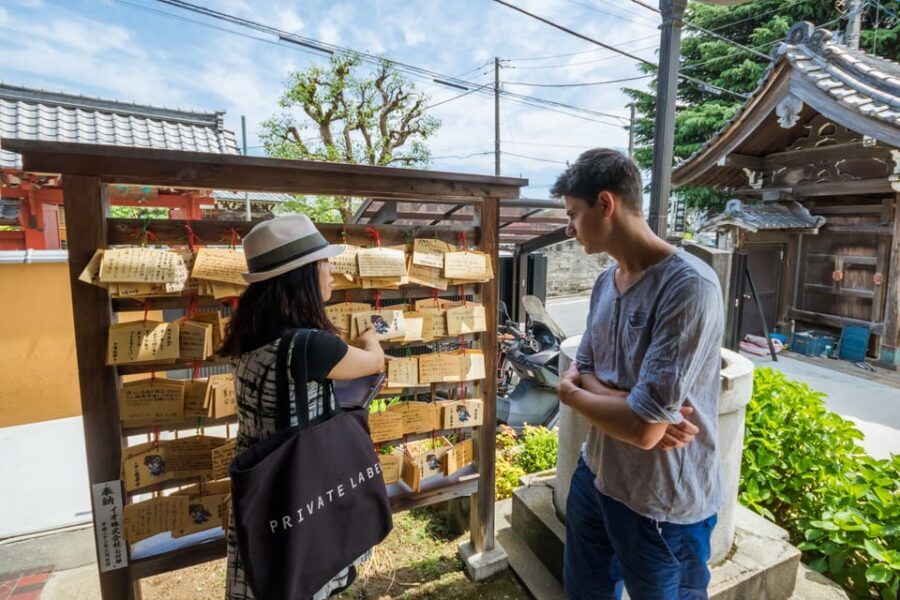
This is a half-day tour with moderate walking. You won’t be doing a marathon, but you will be moving continuously enough that sneakers or walking shoes are the right call.
Also watch for rules about shoes. The activity notes that shoes indoors are not allowed. That usually matters for temple-related indoor spaces. The simple fix is easy: wear shoes you can take off and put back on smoothly.
The route is also described with slope viewpoints that reveal a labyrinth of pathways. Translation: you’ll get those payoff views, but you should expect a few uphill or downhill stretches along the way.
If you have serious medical conditions, the activity notes it’s not recommended for people with heart complaints or other serious issues. If you’re unsure, it’s worth asking before booking.
Price and value: where $83 really lands
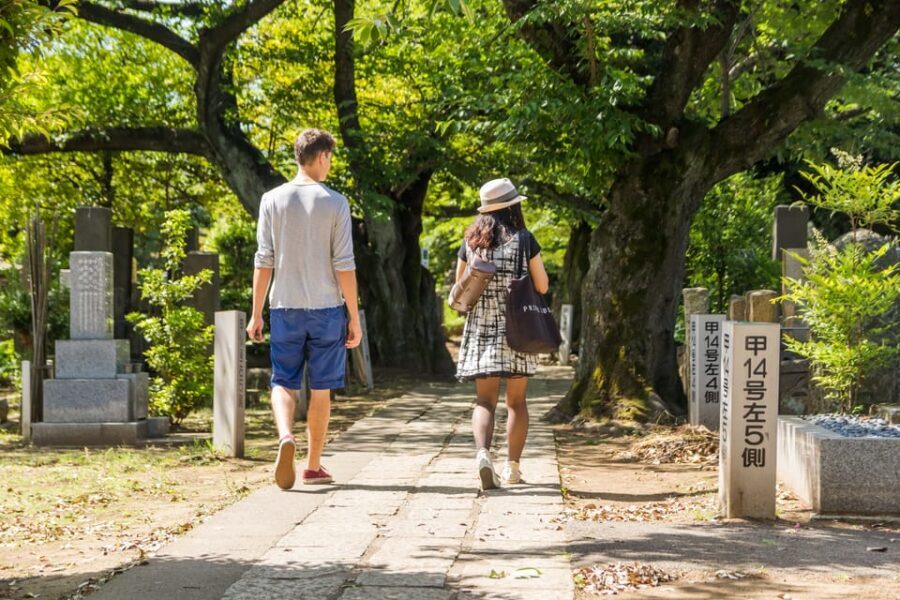
At $83 per person for about 210 minutes, you’re paying for a professional English guide and a structured route through places most people would struggle to connect on their own. You’re also paying for the small group experience, which helps you keep up and stay oriented.
What you’re not paying for is food and drinks, and you should expect some optional spending along Yanaka-Ginza. The cemetery and shrine time isn’t about charging you for add-ons—it’s about guide-led interpretation and your access to the right route at the right pace.
So the real value question is: do you want someone to help you understand what you’re seeing? If yes, this price makes sense. If you plan to do self-guided wandering with no interest in history and local context, then the cost might feel heavier than it needs to.
Who should book this Yanaka walking tour
This tour fits best if you want:
- Old Tokyo that’s not centered on the usual major sights
- A mix of sacred sites and neighborhood street life
- A guide who can connect history, design, and everyday Tokyo
- A small group, comfortable pace, and clear English explanations
You’ll likely be less happy if you need lots of wheelchair-friendly access or if you’re looking for a mostly ride-in-vehicle half day. It’s a walking experience by design.
If you’re traveling with kids, it can work well because the guide energy tends to show up clearly in reviews. And if you’re an earlier riser type, starting at Nippori makes it easier to get into the district before crowds fully form.
Should you book it? My take
I’d book this if your Tokyo plan includes one or two slower, more human experiences. Yanaka gives you that. The combination of Yanaka Reien cemetery, Nezu Shrine, and the shopping street stop is a smart way to see how history and daily life overlap in the same neighborhood.
I’d think twice if:
- you hate walking on slopes or you have health limitations that make moderate activity hard
- you don’t want to pay separately for snacks and drinks
- you need fully step-free access
If you do book, the best move is to go in with sensible expectations: wear good shoes, keep your schedule flexible, and give yourself permission to browse and taste along Yanaka-Ginza. This is one of those tours where you leave with clearer eyes, not just photos.
FAQ
How long is the Old and Nostalgic Tokyo Half-Day Yanaka Walking Tour?
The tour duration is 210 minutes (about 3.5 hours).
Where is the meeting point?
You meet at JR Nippori Station, north gate (北改札).
What sights will we visit?
You’ll visit Tennōji Temple, the Yanaka Cemetery (Yanaka Reien), Nezu Shrine, and you’ll also spend time around the Yanaka-Ginza shopping street.
Is the tour guided and in English?
Yes. It includes a professional live tour guide, and the tour language is English.
How many people are in a group?
It’s a small group limited to 8 participants, and there must be a minimum of 2 people per booking.
Are food and drinks included?
Food and drinks are not included. The tour does highlight local foods and sweets to try, but you’ll need to purchase what you want.
What should I bring?
Wear comfortable shoes, since there is a moderate amount of walking.
Is the tour suitable for wheelchair users?
No. Wheelchair users are listed as not suitable, and non-folding wheelchairs and electric wheelchairs are also listed as not allowed.
Can I bring pets or a drone?
No. Pets are not allowed, and drones are not allowed.
What should I know about shoes indoors?
Shoes indoors are not allowed, so be ready for indoor spaces where you’ll need to remove your footwear.