REVIEW · TOKYO
Tokyo Private Customizable Half Day Tour
Book on Viator →Operated by Japan Awaits · Bookable on Viator
Tokyo can feel like a video game you didn’t get the tutorial for. This half-day tour gives you that missing map, then lets you steer it toward what you actually want to see. I like the choose-your-own stops approach, and I also like that your guide handles reservations and bookings so you spend less time in line-fights.
I’d plan around one trade-off: 4 hours is short, so you’ll need to pick 2–3 priorities and accept that you can’t cover everything. Still, it’s a smart way to get oriented fast and make your day feel intentional instead of random-walk-exhausting.
In This Review
- Key takeaways before you choose this Tokyo half day
- How a 4-hour private custom tour actually feels
- Shinjuku Station start: why this matters for your day
- Choosing your 2–3 Tokyo sites: your guide plans the flow
- Neighborhood stop-by-stop: what each area can give you
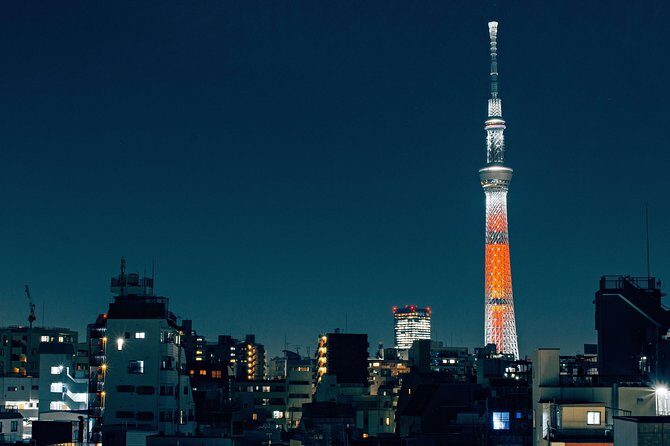
- Oshiage area (Sumida): a strong start for skyline views
- Akihabara (Taito): anime and tech energy, guided
- Chiyoda area: a classic Tokyo base
- Asakusa: old-town Tokyo atmosphere
- Uenokoen area: park energy and museum-adjacent Tokyo
- Chuo City: central, practical, and good for a mix
- Shibakoen (Minato): a calmer Minato-side feel
- Shibuya: fashion, youth culture, and modern city flow
- Yoyogi (Shibuya area): a smoother side of Shibuya
- Shinjuku: Tokyo’s big nerve center
- Reservations, tickets, and transport: the real value
- What the $175.71 price buys you (and what it doesn’t)
- Who this tour fits best in Tokyo
- Quick decision: should you book this custom half-day Tokyo tour?
- FAQ
- Is this tour a private experience?
- How long is the Tokyo private custom tour?
- How many sites will I visit?
- Do you offer hotel pickup and drop-off?
- Where does the tour start and what time is it?
- Where does the tour end?
- What transportation is used during the tour?
- Do I need to complete anything after booking?
Key takeaways before you choose this Tokyo half day
- You pick 2 to 3 sites: your guide builds the route around your interests and what you’ve already done.
- Your guide books stuff for you: reservations or bookings are handled for convenience.
- Hotel pickup is possible: if your hotel is within the city center, you can start from the door.
- Private just for your group: only your party joins your guide, even though there are group discounts.
- Public transport or a private vehicle: you’ll use what fits your booking that day.
- A real neighborhood sampler: you’re routed through major Tokyo areas like Shinjuku, Shibuya, Akihabara, Asakusa, and more.
How a 4-hour private custom tour actually feels
This tour is built for people who want Tokyo payoff without wasting half a day figuring out logistics. You’re not stuck with a fixed checklist. Instead, you talk with your guide and shape the experience around your interests, time limits, and energy level. The guiding idea is simple: pack smart, not pack everything.
You’ll choose 2 to 3 sites for a reason. Tokyo is big, and transit eats time fast. With a half-day window, the best value comes from focusing on a few places that match your trip style—shopping, old-town vibes, modern Tokyo, anime culture, shrine-and-temple atmosphere, or a mix.
A strong plus here is that the guide can make reservations or bookings for you. That means you’re not scrambling to find the right place, the right time, and the right wording. It’s especially helpful if your must-dos involve spots where timing matters.
You can also read our reviews of more private tours in Tokyo



Shinjuku Station start: why this matters for your day
The tour meets at Shinjuku Station (Shinjuku 3-chōme-38-1) at 8:00 am, and it ends back at the meeting point. That’s a practical setup. Morning starts in Tokyo can be calmer for getting around, and Shinjuku is a major transit hub for a reason.
If your hotel is within the city center, pickup and drop-off are offered. That’s a real convenience win. You avoid the “carry your luggage, hunt the right platform, and then hope you match the guide’s timing” chaos.
Two timing notes you should take seriously:
- The guide waits up to 30 minutes after the start time.
- The guide’s phone number is provided, so you can call if you’re running late.
Also, bring a moderate level of comfort with walking. This isn’t a sit-and-glide experience; it’s a city-walk tour where you’ll be moving.
Choosing your 2–3 Tokyo sites: your guide plans the flow
Once you book, you’ll get a link to a Tokyo Form asking for details needed for the booking. You’ll want to complete it accurately at least 7 days before your tour date. You’ll also be able to note places you’ve already visited and don’t want to repeat. Your guide reviews your preferences and builds the itinerary from there.
Here’s the smart part: your guide doesn’t just select “popular Tokyo.” They adapt. That can turn the day from generic sightseeing into a Tokyo version of your personal travel mix.
If you’re a first-timer, you can use this tour to get your bearings across multiple districts. If you’ve been before, you can treat it as a focused re-visit—less “see it all,” more “see it again but better.”
Neighborhood stop-by-stop: what each area can give you
Your tour can include several major districts (the route includes stops across Tokyo), but you’ll only visit 2 to 3 sites you choose. Think of the neighborhoods below as your menu. Your guide will decide which ones fit your selections and timing best.
Oshiage area (Sumida): a strong start for skyline views
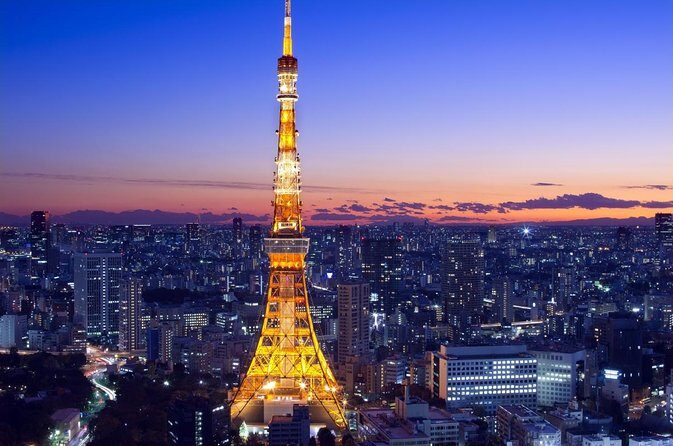
Oshiage sits in the broader Tokyo Tower-of-city-energy category. If your interests include classic Tokyo cityscapes and the “how did this get built so dense?” feel, this stop can be a good foundation point. It’s also convenient because it connects well to other central areas.
Watch-out for this kind of neighborhood visit: if you pick a stop that requires waiting or lines, it can steal time from your other chosen sites. Your guide can help you time things, but you’ll still want to keep your overall picks realistic.





Akihabara (Taito): anime and tech energy, guided
Akihabara is the district for electric-culture shopping—electronics, anime, gaming, and niche fandom corners. It’s also one of the easiest places in Tokyo to get turned around in, because the selection is endless.
In real life, this is the kind of area where a guide makes the difference between wandering and actually finding what you came for. One guide example from the program’s guide pool is Machito, who’s described as fun, patient, and especially good with kids, even steering groups toward themed places like a maid and cat café and pointing to major anime shopping.
If you love pop culture, Akihabara is an easy “yes.” If you’re not into it, skip it and use your 2–3 slots elsewhere.
Chiyoda area: a classic Tokyo base
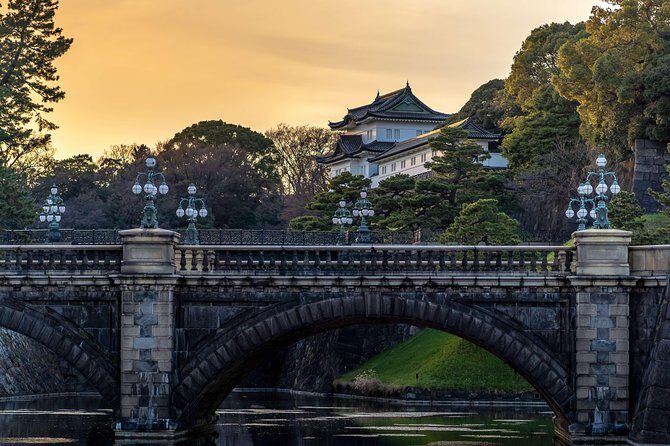
Chiyoda is central and full of key city sites. It’s a good choice when you want Tokyo’s “important places” without spending a whole day on government-complex walking. This stop works well as a stabilizer in your itinerary—a place that makes the rest of the day feel more connected.
The drawback? Chiyoda can be broad. If you choose a site here, be clear with your guide about what you want to see within that broader zone, so you don’t waste time moving between far-apart sub-areas.
Asakusa: old-town Tokyo atmosphere
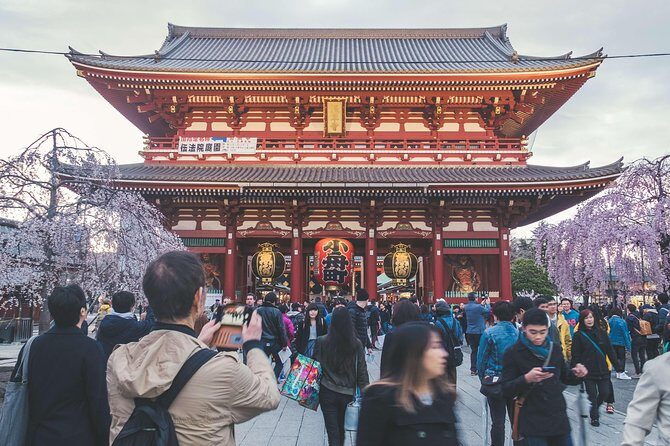
Asakusa is your route into Tokyo’s traditional neighborhood mood. You can often get a feel for how the city looked before the skyline took over. If you want something that contrasts with Tokyo’s modern districts, Asakusa is a smart selection.
One practical point: Asakusa can draw crowds, so timing and route planning matter. That’s exactly where a guide who can handle bookings or adjustments can help you keep your half-day on track.
Uenokoen area: park energy and museum-adjacent Tokyo
Uenokoen (Ueno Park area) is ideal for people who like a calmer break from walking streets and prefer a blend of culture and open-air space. Even if you don’t plan a museum visit, the area’s layout can give your legs a different kind of walking experience.
The consideration: park-adjacent time can expand. If you choose Ueno, think about what you want most—culture, stroll time, or a specific site—so you don’t lose your schedule to a longer-than-planned wander.
Chuo City: central, practical, and good for a mix
Chuo City is a central choice when you want Tokyo’s “middle of the action” feel without committing to one narrow theme. This stop can work well when you’re building a combo day—say, pairing a classic district with a modern shopping or transit-friendly area.
The caution is the same as with most central districts: it can be easy to misjudge distance. Your guide’s job is to keep you moving in a way that fits the 4-hour limit.
Shibakoen (Minato): a calmer Minato-side feel
Shibakoen in Minato is a useful choice if you want Minato-area Tokyo without feeling like you’re sprinting through everything. This can fit well as one of your 2–3 picks, especially when you want a slightly different tone than the most famous shopping streets.
In a half-day format, Shibakoen works best when paired with a big contrast stop—like Akihabara for pop culture or Shibuya for modern Tokyo energy.
Shibuya: fashion, youth culture, and modern city flow
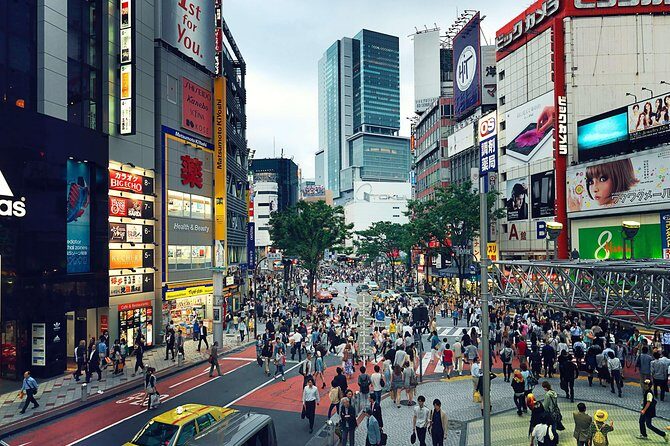
Shibuya is the modern Tokyo magnet. If you want to feel Tokyo’s present tense—shopping, street style, big-city flow—this is where your day can snap into focus.
The practical benefit of having a guide here is simple: you don’t just stand at the loudest spots and hope you timed it right. You can move through the district more efficiently and still get the sights that match your interests.
Yoyogi (Shibuya area): a smoother side of Shibuya
The Yoyogikamizonocho area adds a slightly different texture to a Shibuya-centered day. It’s the kind of stop that can keep you from repeating the same crowd-heavy streets while still staying in the broader Shibuya orbit.
This can be a great choice if your top priority is modern Tokyo but you also want a bit of breathing room from the busiest corridors.
Shinjuku: Tokyo’s big nerve center
Shinjuku is where your tour starts (meeting point) and where your day’s energy can peak. It’s also a district that makes sense for first-timers because the city feels like it has layers: shopping streets, transit tunnels, viewpoints, and side alleys with totally different vibes.
If you choose Shinjuku as one of your 2–3 sites, your guide can help you avoid wasting time on the wrong turns. Also, since you end back at the meeting point, you won’t be forced to navigate back at the end of the tour while your legs are getting dramatic.
Reservations, tickets, and transport: the real value
This tour includes a mobile ticket, plus transportation within the city only. That matters because it keeps the day focused. You’re not going out of town and losing the plot. You stay in Tokyo’s core districts where the sights are close enough to work in 4 hours.
Transportation can be by public transit or private vehicle, depending on your booking. Here’s how to think about it:
- If you want maximal control and minimal walking, ask for the approach that reduces transfers.
- If you want local life, public transit can be a good way to see how Tokyo moves.
Your guide’s ability to navigate busy areas also helps. Tokyo crowds are real. A guide who knows where to walk, when to cross, and how to time your stops can be the difference between enjoying the city and feeling like you’re constantly behind your schedule.
What the $175.71 price buys you (and what it doesn’t)
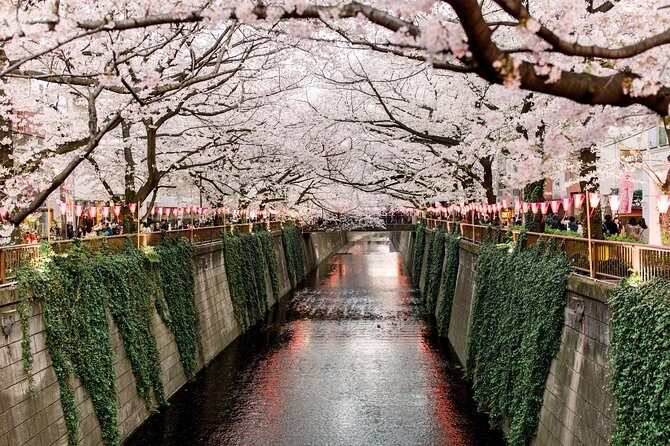
At $175.71 per person for about 4 hours, you’re paying for a few things that add up fast in Tokyo: an English-speaking professional guide, hotel pickup/drop-off when eligible, and transportation within the city. You’re also paying for time saved through planning and reservations handled for you.
What’s not included is just as important. Meals and food drinks aren’t specified, and optional activities or extra fees for you (or the guide) are not included. Gratuities are optional.
So the value depends on what you do with your 2–3 chosen sites:
- If you plan to visit places that require timing (or you want help booking), the price often feels more reasonable.
- If you pick only low-logistics sights and plan to DIY everything anyway, you might wonder if a self-guided half day would cost less.
One small planning note: this tour is commonly booked about 25 days in advance, which is a hint that popular dates fill up.
Who this tour fits best in Tokyo
This is a strong match if you:
- are a first-timer and want your top neighborhoods covered in a compact window
- have been to Tokyo before and want a guided redo with choices tailored to you
- want help with bookings so your schedule feels less fragile
- like anime or pop culture and want your guide to steer you toward relevant shopping and themed stops (Machito is an example of a guide praised for tailoring to that kind of curiosity, including themed café interest and anime-store guidance)
It may be less ideal if you:
- want a long sit-down museum day or a slow, deep exploration style
- dislike walking in busy areas
- want to control every minute without a guide shaping the route
Also, this is private. Only your group participates.
Quick decision: should you book this custom half-day Tokyo tour?
If your goal is to get oriented fast and make the day feel like it was built for you, I think this is worth considering. You’re getting a real guide layer: an English-speaking professional, hotel pickup when possible, city transport, and the big help—your guide can handle reservations or bookings and help you pick 2–3 sites that fit your time.
But book with intention. Pick your 2–3 priorities before you lock it in, and use the Tokyo Form to note what you’ve already done and what you want next. If you do that, this tour turns into a smart Tokyo shortcut: more useful than wandering, less exhausting than trying to do everything solo.
FAQ
Is this tour a private experience?
Yes. It’s a private tour/activity, and only your group will participate.
How long is the Tokyo private custom tour?
The duration is about 4 hours.
How many sites will I visit?
You’ll choose 2 to 3 sites for a personalized tour of Tokyo.
Do you offer hotel pickup and drop-off?
Yes, hotel pickup and drop-off are included if your hotel is within the city center.
Where does the tour start and what time is it?
The meeting point is Shinjuku Station (3-chōme-38-1, Shinjuku), and the start time is 8:00 am.
Where does the tour end?
The tour ends back at the meeting point.
What transportation is used during the tour?
Transportation within the city only, either by public transportation or by private vehicle, depending on your booking.
Do I need to complete anything after booking?
Yes. You’ll receive a link to a Tokyo Form within 48 hours after booking, and you should complete it accurately at least 7 days before your tour date.