REVIEW · TOKYO
Tokyo Sushi Making Class : Sake Ceremony & Matcha Experience
Book on Viator →Operated by Sushi Meets Matcha · Bookable on Viator
Sushi class in Asakusa comes with a real ceremony. You start with Kagami-biraki and group cheers, then move right into hands-on nigiri skills, finishing with fresh matcha. I love that the whole thing feels like an event, not a demo, and I love that the instruction is practical enough to help you build technique fast.
One thing to consider: the menu includes a modern, torch-finished salmon mayo gunkan, so if you only want classic Edomae flavors with no twists, you might prefer a different class. Also, the total time is about 1 hour 30 minutes, so it is more about confident basics than slow mastery.
In This Review
- Quick Hits You Can Count On
- Asakusa Starts With a Sake Barrel, Not a Lecture
- Kagami-biraki: The Chant and the Toast That Set the Mood
- Nigiri Basics Done Like a Real Workshop
- The WASSHOI Salmon Mayo Gunkan: Modern Tokyo With a Torch Finish
- Matcha Whisking: A Calm Finale After the Heat
- What the Price Really Buys: Skills, Structure, and Plenty to Eat
- Timing, Group Size, and Where to Meet
- Who Should Book This Tokyo Sushi and Matcha Class
- Book or Skip: My Take
- FAQ
- How long is the Tokyo sushi making class and matcha experience?
- Where does the experience start in Tokyo?
- What is included in the experience?
- Do I have to drink alcohol during the ceremony?
- How many sushi pieces will I make?
- Is this class beginner-friendly?
- How big are the groups?
- Do they provide a mobile ticket?
- Can I cancel for a full refund?
Quick Hits You Can Count On
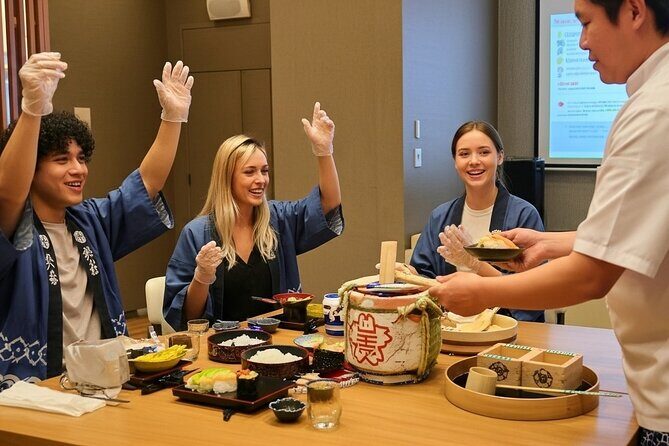
- Kagami-biraki first: a sake barrel opening with a shared chant and a group toast
- Nigiri fundamentals: rice pressure, topping handling, and clean assembly you can repeat
- WASSHOI torched salmon gunkan: smoky, creamy umami with a fun chant and a timed photo moment
- Matcha whisking: make your own bowl instead of just watching
- Make 6 to 12 pieces: enough variety to feel like you truly worked, not just snacked
Asakusa Starts With a Sake Barrel, Not a Lecture
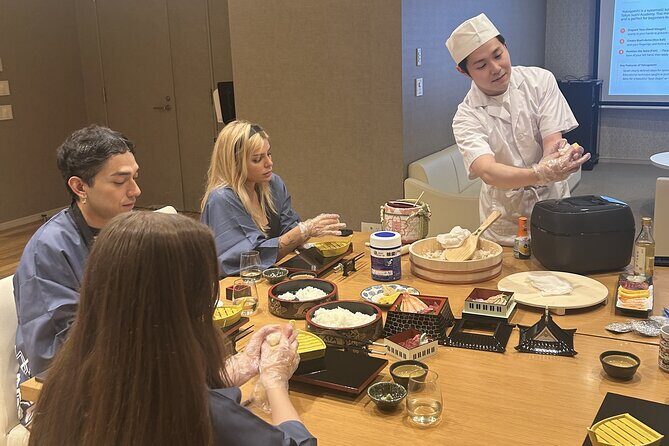
This class is set in Asakusa, and you feel that energy right away. Instead of starting with a table of ingredients and an instruction sheet, you begin with Kagami-biraki, a traditional sake barrel opening tied to new beginnings. It is lively, communal, and it sets a tone of celebration before you even touch rice.
The group toast includes a built-in option if you do not want alcohol. You can choose water or warm Japanese tea for the cheer, which makes it feel welcoming without turning it into a gimmick. I like that you are included in the ritual either way.
From there, the workshop shifts into a clear, beginner-friendly rhythm. You do not just learn what to do; you practice the steps that make sushi look right and taste balanced. And for a class that is only about 90 minutes, it manages to feel complete.
You can also read our reviews of more food & drink experiences in Tokyo

Kagami-biraki: The Chant and the Toast That Set the Mood
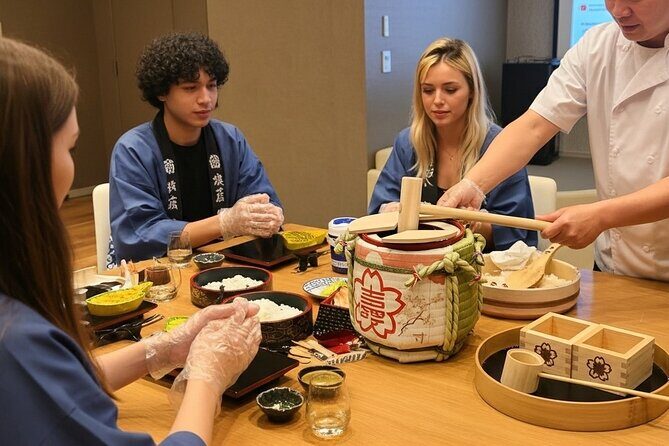
Kagami-biraki is the kind of tradition that sounds ceremonial on paper, but in person it is surprisingly personal. You join the group as the sake barrel gets opened, and you participate in the chant: Yoisho repeated in the same playful spirit you see in festivals. The point is to mark a fresh start, and the shared rhythm makes it fun even if you do not know the background.
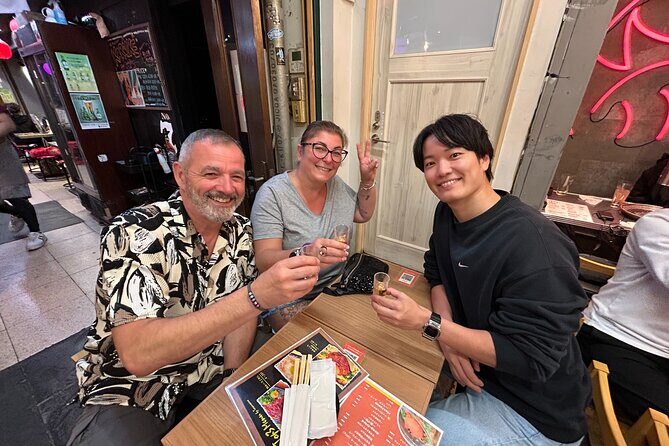
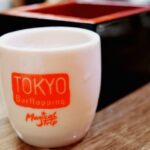
Then comes the toast. You will raise a cup with the group, and the trainer keeps it moving so the moment does not drag. If you chose the non-alcohol option, you still get the same experience at the same time, which is exactly how it should be.
Why this matters for you: it takes Japanese culture beyond facts and turns it into something you do with your hands and your voice. If you like travel experiences that feel social and memorable, this opening is a strong start.
Nigiri Basics Done Like a Real Workshop
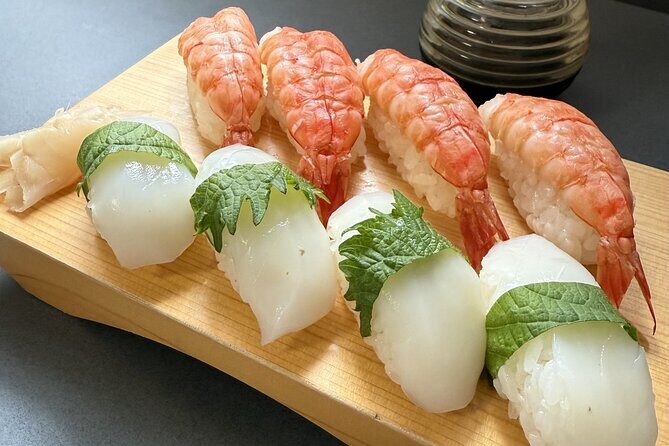
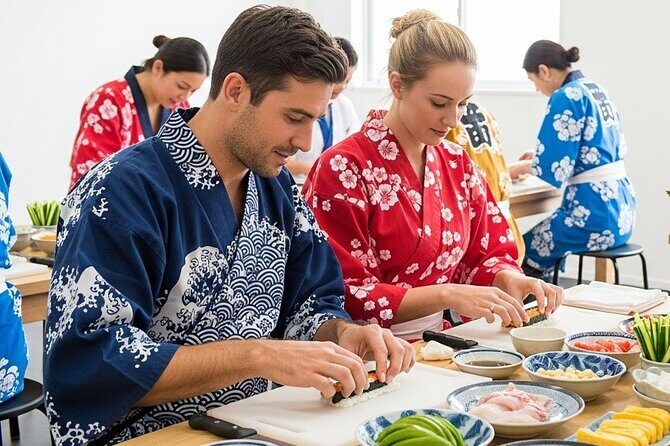
Once the ceremony is over, you shift into sushi skills that you can use again later. The instruction focuses on nigiri essentials: shaping rice with the right pressure, handling toppings so they stay clean and intact, and placing fish so it sits naturally on the rice.
The rice part is the real key. Too light and it falls apart, too hard and you lose that tender texture. You will practice getting the rice compact enough to hold, but not so tight that it turns dense. That is the kind of detail that separates I watched a cooking video from I can actually make this.
You also learn how to handle toppings. Even if you do not cook fish at home, you can still practice keeping toppings intact and placing them without breaking the shape. This is one of those skills that transfers to other cooking too: careful touch, consistent form, and patience for small adjustments.
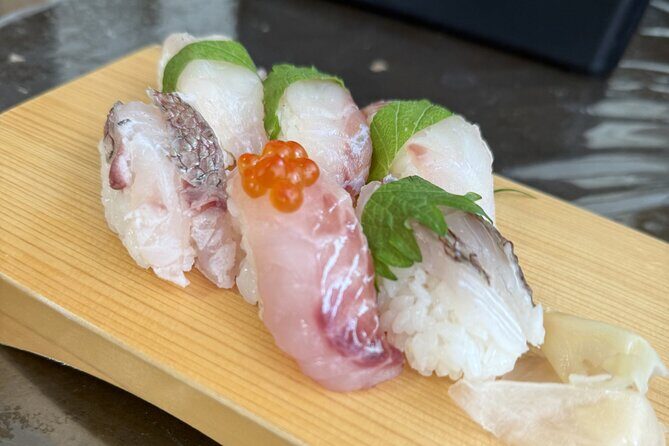
By the end, you should be able to make 6 to 12 pieces that you are genuinely proud of. That range matters. You will not just make one or two sad pieces; you get enough variety to feel your way through the process and actually improve during the session.
The WASSHOI Salmon Mayo Gunkan: Modern Tokyo With a Torch Finish
This part is the crowd favorite for a reason. You make WASSHOI torched salmon mayo gunkan, which is not strictly classic Edomae, but it gives you a popular Tokyo-style flavor twist. The method is simple and high-reward: you pile salmon high, add a zigzag of mayo, and then finish with a quick torch.
The result is a smoky, creamy bite with an umami punch that feels playful rather than heavy. It is also visually dramatic, which helps the moment stay memorable. You will chant Wasshoi three times, and the class builds in a photo moment at the best timing so your gunkan looks like it belongs on a sushi counter.
Practical thought for you: the torch step is brief, but it is also the part where you want to be focused. If you are chatting while the instructor is working through timing and placement, you can miss the exact sequence that makes the finish work.
Why this is valuable: it shows you how real sushi spots think. Even when there are traditional rules, Tokyo restaurants often put a modern spin on what is popular right now. You get to experience that logic in a safe, guided setting.
Matcha Whisking: A Calm Finale After the Heat
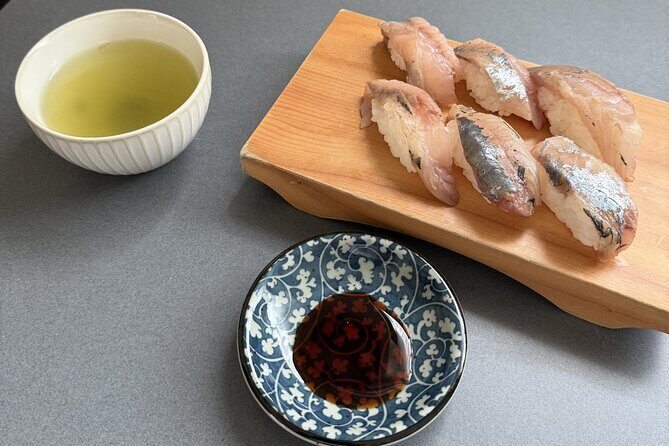
After the sushi-making, the tone changes. You move to matcha and learn how to whisk it yourself for a smooth bowl with foam. This is not a passive tasting. You are doing the motion, feeling the texture change, and then tasting what you made.
Matcha is a good finale because it cleans up the palate. The bitterness and subtle sweetness help reset after creamy mayo and smoky salmon. It also makes the whole class feel balanced: you get celebration first, then craft, then a quiet, grounding close.
If you like experiences that give you something to do with your hands through the entire session, matcha delivers. You leave with a practical skill, not just a snack.
You can also read our reviews of more drinking tours in Tokyo

What the Price Really Buys: Skills, Structure, and Plenty to Eat
At $45.77 per person, you are paying for a short, structured workshop that includes multiple parts of Japanese food culture. You are not just paying for ingredients, and you are not just paying for someone to watch you cook.
Here is what you get for your money in a way that matters:
- You participate in Kagami-biraki and the group toast, including a non-alcohol option
- You receive step-by-step guidance through nigiri technique you can repeat
- You make the torched salmon mayo gunkan, including the photo-ready moment
- You produce your own matcha bowl and drink it right after
- You end up with 6 to 12 pieces, which is enough food to feel worth it
For Tokyo, this is the kind of class that tries to make you leave capable. The best value classes do that: you walk out knowing the mechanics, not just the story.
Timing, Group Size, and Where to Meet
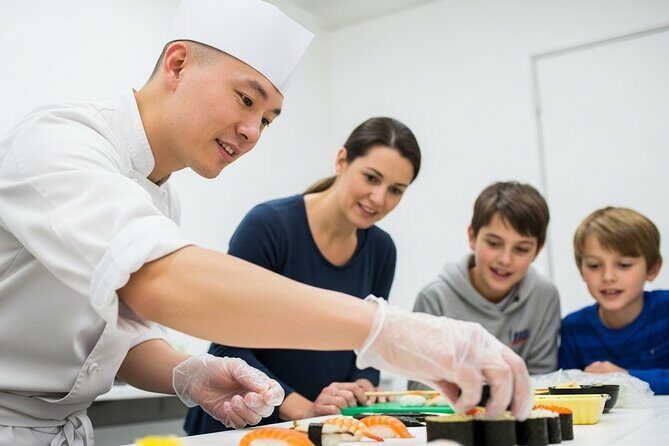
The session runs about 1 hour 30 minutes. That is long enough to learn and practice, and short enough that you can fit it into a day of sightseeing without feeling trapped.
The group size tops out at 20 travelers, which usually keeps the instructor’s attention from disappearing into the back row. You can still feel the energy of a group workshop, but it does not turn into a crowded classroom.
For location, the start point is Sushi Meets Matcha at 1-chōme-10-16 Hanakawado, Taito City, Tokyo 111-0033. The activity ends back at the meeting point, which is convenient when you want to regroup and head to your next stop.
It is also near public transportation, so you are not forced into a long taxi detour. If you like minimizing friction on arrival, this is a real plus.
Who Should Book This Tokyo Sushi and Matcha Class
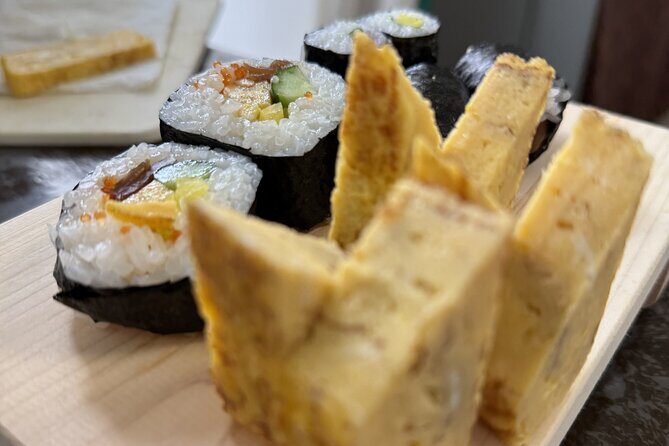
I think this experience is a great fit if you want:
- A hands-on food class, not a tasting-only stop
- A beginner-friendly path into sushi with clear technique focus
- A cultural moment like Kagami-biraki that is actually part of the timeline
- A fun modern Tokyo dish to round out traditional skills
It may be less ideal if you are already an advanced cook looking for deep, slow training. The class is about building confidence in basic mechanics, not turning you into a sushi chef in 90 minutes. Also, because it includes the torched salmon mayo gunkan, it is not a strictly traditional course.
If you are traveling solo, this class can still feel social without being exhausting. The ceremony and chanting help you join the moment quickly, even if you are shy at first.
Book or Skip: My Take
I would book this if you want a Tokyo experience that mixes culture, technique, and food you make yourself. The strongest part for me is the structure: ceremony first to set the mood, then practical sushi skills, then matcha to settle things down.
The class also earns top marks for how it feels in the room. You should expect a fun, welcoming, knowledgeable instructor and an atmosphere that stays relaxed while still getting you through the steps. For a short session with mobile ticket convenience and a clear outcome, it is a solid value.
If you only care about ultra-traditional sushi or you dislike any torch element, you might skip. But if you want a memorable, hands-on workshop that ends with edible results and photos you can share, this is a strong choice.
FAQ
How long is the Tokyo sushi making class and matcha experience?
It runs for about 1 hour 30 minutes.
Where does the experience start in Tokyo?
The meeting point is Sushi Meets Matcha, 1-chōme-10-16 Hanakawado, Taito City, Tokyo 111-0033, Japan.
What is included in the experience?
You’ll do a Kagami-biraki sake barrel opening with a group toast, learn nigiri sushi essentials, make torched salmon mayo gunkan, and whisk matcha.
Do I have to drink alcohol during the ceremony?
No. The toast includes a non-alcohol option such as water or warm Japanese tea.
How many sushi pieces will I make?
You will make 6 to 12 pieces, including nigiri and rolls.
Is this class beginner-friendly?
Yes. The experience is described as beginner-friendly with friendly, step-by-step guidance.
How big are the groups?
The class has a maximum of 20 travelers.
Do they provide a mobile ticket?
Yes, it includes a mobile ticket.
Can I cancel for a full refund?
Yes, free cancellation is available up to 24 hours before the experience’s start time.