REVIEW · TOKYO
Tokyo:Luxury Private Tour with English-Speaking driver
Book on GetYourGuide →Operated by Travel on smile · Bookable on GetYourGuide
Tokyo is a lot easier when you’re chauffeured.
This 10-hour private luxury tour pairs a real, guide-led day with a low-stress ride plan, from Tsukiji Market food time to skyline moments at Tokyo Skytree and Tokyo Tower. I especially like that it’s built for your pace (no chasing trains) and that you get an English-speaking driver/guide who explains what you’re seeing, with guide names like Mirza and Muhammad showing up in recent experiences as punctual and patient with kids. One thing to consider: entry for Tokyo Skytree isn’t included, and lunch isn’t included either, so you’ll want to budget those add-ons.
If you want Tokyo beyond the usual hotel-to-sight list, this format is hard to beat. You’ll see classic neighborhoods and big-picture views in a single day, plus a few extra surprises along the way.
In This Review
- Key things I’d highlight before you book
- Why a private English-driver day works so well in Tokyo
- Tsukiji Market at sunset: the food stop that sets the tone
- Imperial Palace East Gardens: quiet grounds and a street-food style break
- Sensō-ji and Nakamise: temple time plus the shopping-lane energy
- Tokyo Skytree Tembo Deck: tea ceremony + skyline, with tickets extra
- Meiji Shrine: the reset button inside the city
- Shibuya Crossing and the 3-D cat billboard stop
- Sumida River time and the Ueno Park walk
- Odaiba, Rainbow Bridge nights, and Tokyo Tower viewpoints
- What you really get for $389 per group (up to 6)
- Luxury details that actually matter on the ground
- Who should book this Tokyo luxury private day
- Should you book it?
- FAQ
- Is this tour really private?
- How long is the tour?
- Where does hotel pickup work?
- Is lunch included?
- Do I need to buy Tokyo Skytree tickets separately?
- What languages are available for the guide?
- Can I cancel for a full refund?
Key things I’d highlight before you book
- Private group, up to 6: this is just your family/friends, not a cattle-car group.
- Hotel pickup and drop-off in Tokyo’s 23 wards: you skip the hassle of figuring out transit with luggage and time pressure.
- Skip-the-ticket-line included (but Skytree admission still costs extra): you still need to plan for the paid viewpoint ticket.
- Food-focused stops: Tsukiji Market time plus street-food moments around major neighborhoods.
- Driver-guides who stay flexible: recent guide experiences mention adapting pace, including for families.
- Comfort perks: air-conditioned vehicle, WiFi on board, and bottled water.
Why a private English-driver day works so well in Tokyo
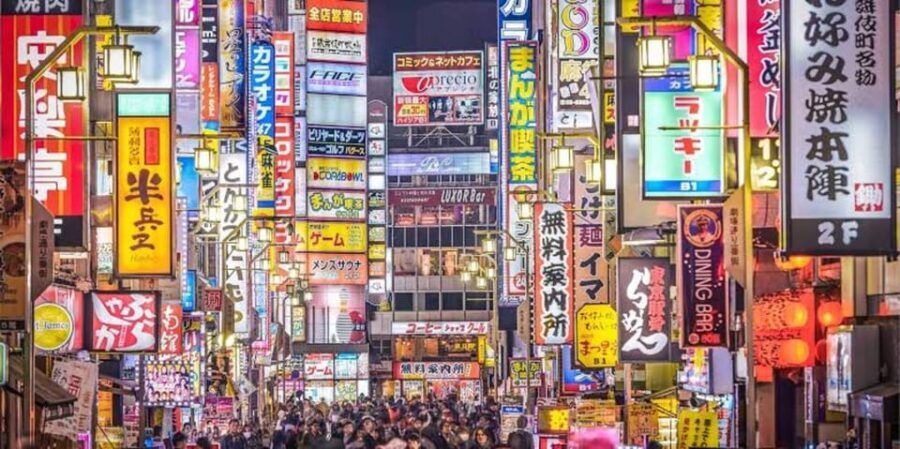
Tokyo can be wonderfully easy once you’re moving the right way. The value of a private tour here is that you’re not negotiating station transfers, platform changes, and the timing of your one day. Instead, you’re riding in an air-conditioned vehicle with bottled water, and the guide handles the flow so you can focus on what’s in front of you.
What makes this tour feel “luxury” in the practical sense is the attention to control: pickup at your Tokyo location, a dedicated route, and enough time at each stop to look around without sprinting. Reviews also point to a guide style that’s informative and accommodating, including one experience noting patience with children and tailoring the day.
The trade-off is the obvious one: a full day means walking shoes and realistic expectations. You’ll be on your feet at temples, shopping lanes, and viewpoints, and the tour duration includes pickup and drop-off, so it’s not a “sit and snack” outing. Also note that pickup can run late by up to about 30 minutes if traffic hits.
You can also read our reviews of more private tours in Tokyo


Tsukiji Market at sunset: the food stop that sets the tone
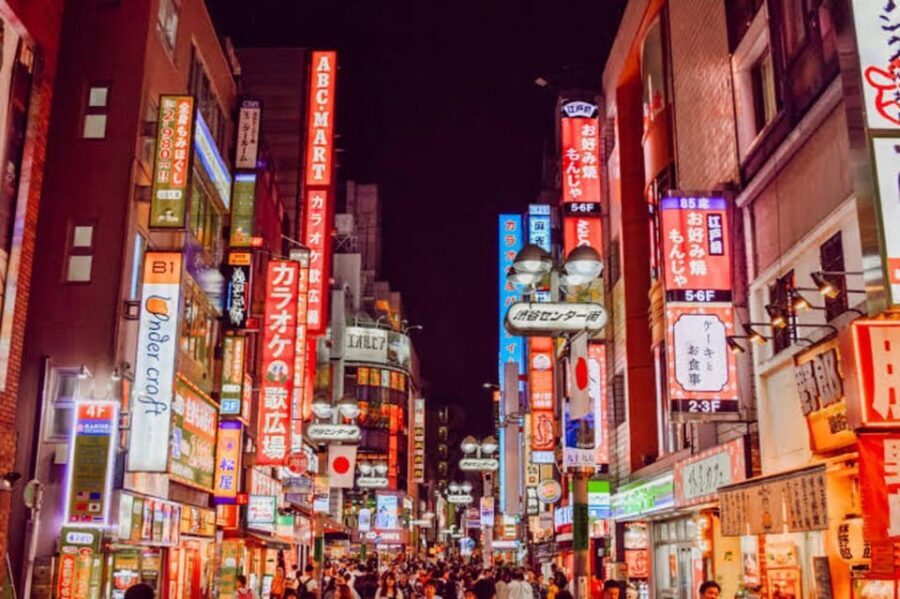
Tsukiji is one of those Tokyo areas where the sights and smells do most of the selling. This stop includes a guided walk, shopping time, and a photo break with a sunset timing window (so you may get a gentler feel than peak daytime rush). The highlight is the food culture, and the tour specifically calls out Tsukiji as Japan’s second-largest fish market, so it’s not just a pretty tourist lane.
What I like about structuring Tsukiji early in the day is that you get a sense of how Tokyo eats—seafood culture, casual browsing, and the joy of sampling rather than treating lunch like one big, fixed meal. The guide format also helps you avoid the common problem of walking through a market without knowing what you’re looking at.
Practical tip: bring cash and keep an eye on how the stalls present sample items. Even with a guide, you’ll still be making quick choices. Also, wear shoes you don’t mind getting a little scuffed—this is a walking market.
Imperial Palace East Gardens: quiet grounds and a street-food style break
After Tsukiji’s bustle, the Imperial Palace East Gardens stop provides a much-needed breathing space. You’ll have a guided visit plus time that’s described as including street food and even a BBQ-style stop during that hour. Even if you don’t eat much, this segment gives you contrast: formal grounds and open space versus shopping lanes and market energy.
Why it’s worth it: you get a different Tokyo rhythm. It’s not just “another temple photo.” You’re seeing the way Tokyo can feel orderly and spacious, and that helps everything else later on click into place.
If you’re sensitive to heat or sun, plan your pace. The tour runs year-round, but gardens can be exposed in parts, and you’ll be walking between viewpoints and paths.
Sensō-ji and Nakamise: temple time plus the shopping-lane energy
Next up is Sensō-ji Temple and the surrounding area (Asakusa). This stop is built with the right mix: a photo moment, guided visit, shopping time, and walking. It’s also the part of Tokyo that most first-time visitors recognize immediately, which is exactly why having a guide helps. You learn where to look and what to notice instead of only following the crowd.
Sensō-ji is one of those places where the details matter: lanterns, incense vibes, and the whole “arrive and wander” feeling of the Nakamise-style shopping lane. You’ll also have time to browse, not just stand and move on. That’s key for families and for anyone who wants souvenirs that feel connected to the moment.
Consideration: this area gets busy, and the tour design doesn’t try to pretend otherwise. The benefit of private time is that your guide can steer you through the flow while still giving you room to choose what you want to do.
Tokyo Skytree Tembo Deck: tea ceremony + skyline, with tickets extra
If you want one true “wow, Tokyo is tall” moment, Tokyo Skytree Tembo Deck Floor 350 is the anchor. This stop includes a visit with guidance, walking time, and a tea ceremony component (so it’s not only standing in front of glass). You’ll also get photo stops and a dedicated block of time—about 80 minutes—so you’re not squeezed.
Here’s the important part for budgeting: Skytree admission is not included. The tour lists entry as extra, so you’ll pay for the viewpoint ticket separately even though the experience includes skip-the-ticket-line handling. In plain terms: you still need to plan that expense, but you may save time at the counter.
Why this stop is good value: a private driver day can only do so much in one day. Skytree gives you a serious payoff, and the tea ceremony adds a cultural pause that makes it more than just a photo stop. If you’re traveling with kids, the controlled pacing can also make this easier than doing the skyline rush on your own.
Practical tip: bring something warm enough for the top levels if you tend to get cold with air movement. Wear comfortable shoes—there’s walking even if the viewpoint area is structured.
A few more Tokyo tours and experiences worth a look


Meiji Shrine: the reset button inside the city
Meiji Shrine is Tokyo’s version of “slow down.” You get a guided visit with shopping/sightseeing time plus photo opportunities. In a day that already includes market energy and shopping lanes, Meiji works like a reset: quieter paths, greenery around you, and a chance to feel the city’s calmer side without leaving town.
One review mention also points to a museum near the Meiji area being a highlight when included in the day’s flow. The takeaway for you: don’t be surprised if your guide adds a small cultural stop around this zone if the timing works.
If you want a better experience here, keep your expectations realistic. This is not a fast “grab a photo” moment if you want it to feel meaningful. Give yourself the time to walk at a comfortable pace.
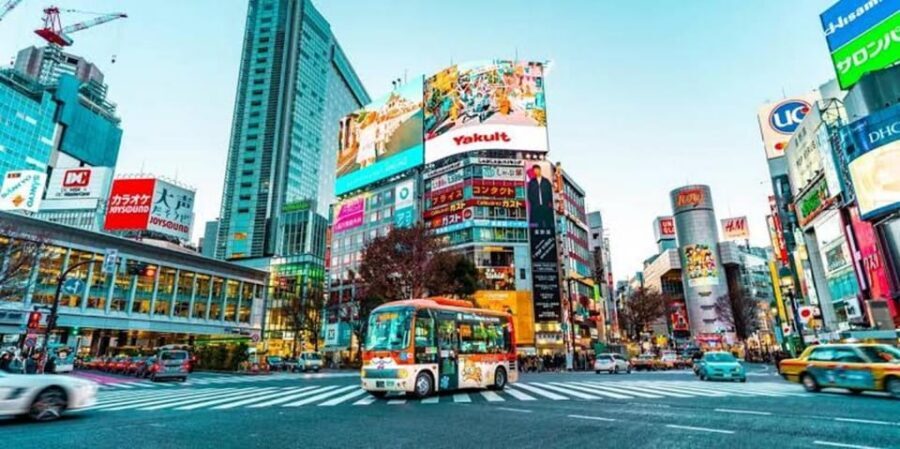
Shibuya Crossing and the 3-D cat billboard stop
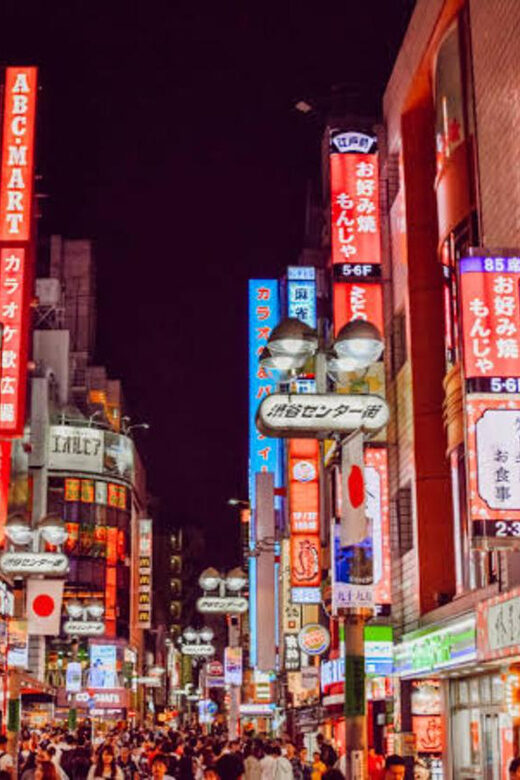
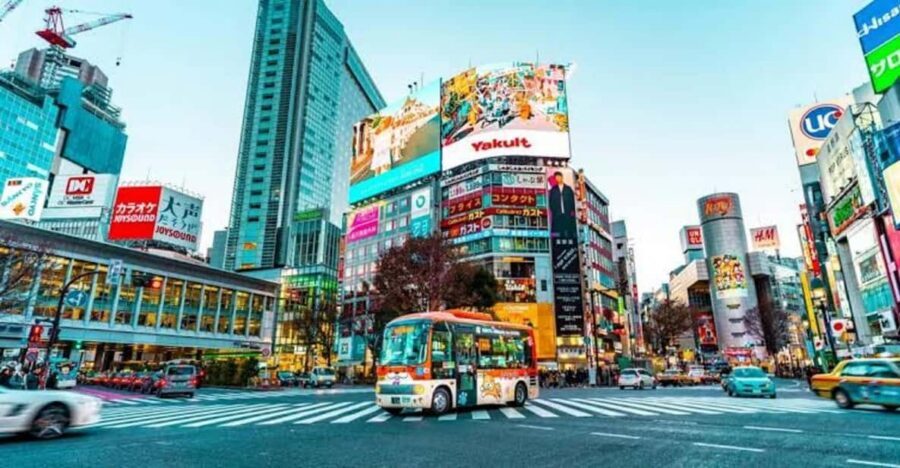
No Tokyo day feels complete without Shibuya Crossing. You’ll get a photo stop, guided context, street-food time, plus free time and shopping/sightseeing in the area. This is also one of the parts of Tokyo where being with an English-speaking driver/guide helps, because crossing the chaos without knowing where to stand can turn into stress.
A fun detail from recent experiences: the 3-D cat billboard is called out as a must-see moment, and it’s the kind of stop that feels very Tokyo—tech meets street life.
Small practical note: if you’re photographing, choose one or two main shots and let the rest happen around you. The private-day structure is helpful here because you can slow down without worrying about whether you’re “behind schedule.”
Sumida River time and the Ueno Park walk
From Shibuya you shift into areas that feel more about walking and views than just street shopping. The plan includes Sumida River time with guidance plus free time, and there’s even a “class” component in that hour block. The exact subject isn’t specified in the details you provided, but the key point is that there’s a hands-on moment baked into the ride plan.
Then you also get Ueno Park included in the day’s expectations: museum area time, seasonal cherry blossom possibilities, and a calm pond-style stroll. Even if your dates aren’t cherry blossom season, Ueno still works as a green break from the hard edges of city streets.
Why these stops matter: river and park time turns a “big attractions” day into a Tokyo day you can remember. You get the city’s layers—modern shopping and landmark heights, then water and walkable calm.
Consideration: park time and river walk time both mean pavement. You’ll want comfy shoes more than any outfit change.
Odaiba, Rainbow Bridge nights, and Tokyo Tower viewpoints
The day’s later skyline moments come from two directions: the Odaiba area (an artificial island with shopping and seaside views) and Rainbow Bridge viewpoint time when the sky gets dark. This part of the experience is about getting Tokyo in one broad view—bridges, water, and the way the city lights itself.
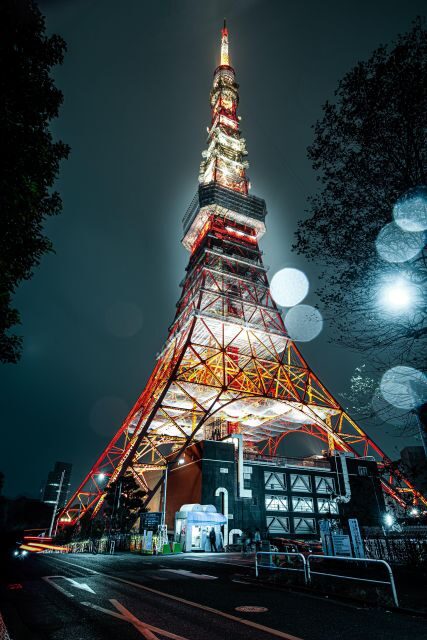
After that, you wrap with Tokyo Tower, again with photo stop time plus visit, guided context, and free time. Tokyo Tower is a different vibe from Skytree: it feels more “classic Tokyo skyline,” and it’s easier for some people to connect emotionally with. If Skytree is the tall, future-leaning view, Tokyo Tower is the postcard Tokyo you grew up seeing.
If you’re sensitive to crowds at famous viewpoints, treat Tokyo Tower’s included free time as your friend: step away from the most obvious spots, find a quieter edge, and enjoy the view without fighting for the best angle.
What you really get for $389 per group (up to 6)
At $389 per group up to 6 for a 10-hour day, the value comes from what you’re buying: transportation, guidance, and time efficiency. In Tokyo, paying for your own private route often beats the cost of piecing together taxis, separate tickets, and the time lost to transit decisions—especially when you’re traveling with family or a mixed group of ages.
This price includes:
- an air-conditioned private vehicle
- WiFi on board
- bottled water
- parking fees
- hotel pickup and drop-off
- private transport with a guide-led plan
You’ll pay extra for:
- Tokyo Skytree admission
- lunch
So the right way to think about the cost is: you’re covering the “day engine.” You only add the meals and the Skytree ticket. If your group is 3–6 people, that’s where it starts to feel most sensible.
One more practical angle: the tour explicitly notes you don’t need to worry about keeping up or waiting for trains and buses. If your group includes kids, older relatives, or anyone who just hates public transit fatigue, that “no stress” factor is not small.
Luxury details that actually matter on the ground
Some private tours look fancy on paper, but don’t protect your comfort in real life. This one does a few things right.
You’ll ride in an air-conditioned vehicle, get bottled water, and have on-board WiFi. Hotel pickup and drop-off in Tokyo’s 23 wards means you’re not starting your day stressed about directions or timing. And the plan is described as private only for your group, which keeps the day from turning into a string of forced photo stops.
Also, the tour is careful about safety and rules: you’re not allowed to bring drinks in the vehicle or alcoholic drinks. If that affects your family (for example, you need water for kids), plan to use the bottled water provided.
Finally, the tour is not for everyone. It’s listed as not suitable for people over 95 years, so if you’re traveling with a very elderly relative, double-check fit before you book.
Who should book this Tokyo luxury private day
This tour fits best if you want:
- one full day that covers major Tokyo highlights without transit headaches
- a private setup for family or friends
- an English-speaking guide/driver who can explain what you’re seeing
- food stops and cultural moments, not only landmarks
It might not fit you if you:
- want to roam totally unsupervised all day (this is guided, with set time blocks)
- prefer skipping viewpoints and spending the whole day in one neighborhood
- don’t want to pay for extra tickets and lunch on top of the base price
If your group has kids, pay attention to the review pattern: guides are described as patient and accommodating, and the route includes a few “give-and-take” hours where you can slow down.
Should you book it?
If your goal is a stress-light, guide-led Tokyo day with enough structure to hit the big sights and enough freedom to breathe, I think this is a strong booking. The biggest reason is practical: private transport plus a full-day plan means you can actually enjoy the stops instead of managing logistics all day.
Book it if:
- you’re traveling as a group of up to 6 and want good value for a private day
- you care about food time (Tsukiji) and temple/shrine stops (Sensō-ji, Meiji)
- you want skyline payoff (Skytree and Tokyo Tower)
Skip or reconsider if:
- you’re trying to keep the day ultra-budget (Skytree admission and lunch add cost)
- you prefer doing Tokyo with no schedule at all
- your group needs airport pickup (pickup is not available from airports/ports)
FAQ
Is this tour really private?
Yes. It’s described as a private group experience, meaning only your group and family participate.
How long is the tour?
The duration is 10 hours, and that includes hotel pickup and drop-off.
Where does hotel pickup work?
Pickup is available within Tokyo’s 23 wards (like Chuo, Chiyoda, Minato, Shibuya, Shinjuku, and others listed) and also from outside those wards. Pickup is not available from airports or ports.
Is lunch included?
No. Lunch isn’t included. The tour notes lunch options around Sensō-ji Temple (including the 6th floor of Solamachi Tower near Tokyo Skytree) or Takeshita Street.
Do I need to buy Tokyo Skytree tickets separately?
Yes. Entry/admission for Tokyo Skytree (Tembo Galleria + Tembo Deck, including Tembo Deck at 350m) is listed as not included.
What languages are available for the guide?
The tour lists English, Hindi, and Japanese.
Can I cancel for a full refund?
Yes. It offers free cancellation up to 24 hours in advance for a full refund.