REVIEW · TOKYO
Yokohama/Kamakura Private Tour by Car- English speaking Driver
Book on Viator →Operated by Glocal Japan · Bookable on Viator
A car, a driver, and ancient temples. This private Yokohama and Kamakura day trip is built around hotel pickup and a relaxed pace that actually lets you stop for photos without derailing the schedule. One thing to keep in mind: several temple gardens and major sights have entrance fees, and if your day runs past 10 hours, overtime is billed.
The biggest win is how much easier the day feels when an English-speaking driver handles directions, parking, and timing. I especially liked the way guides like Utah and Ali could keep everything running on time, with clear explanations and enough room at each stop so you do not feel herded.
It is also a long-ish full day (about 8 to 10 hours), and Kamakura temples involve real walking. If you want a totally low-step day, this may be more than you want, but if you are good with comfortable shoes, it is a great way to connect two very different places.
In This Review
- Key things I’d plan around on this tour
- Private car day: why Kamakura and Yokohama work so well together
- The day’s flow: from Chinatown to Minato Mirai without feeling rushed
- Sankeien Gardens: your scheduled quiet hour
- Hasedera Temple: the giant Kannon and the kind of history you can see
- Kotoku-in Great Buddha and Hokoku-ji: the Kamakura heart of the trip
- What the English-speaking driver handles for you (and why that’s real value)
- Price and logistics: what $470.31 per group really buys
- Weather, walking, and how to set yourself up for an easy day
- Who this tour suits best (and who should consider a different plan)
- Should you book the Yokohama/Kamakura private car tour?
- FAQ
- How many people can join this private tour?
- Is hotel pickup included?
- How long is the tour, and is overtime charged?
- Are entrance fees included?
- Which stops have free admission?
- What happens if the weather is bad or you cancel?
Key things I’d plan around on this tour
- Private hotel pickup + air-conditioned car: you start the day ready, not scrambling to find transit.
- A pace that allows photo stops: you can take your time at viewpoints and temple entrances.
- China Town first, then seaside Yokohama: it helps keep your energy high early in the day.
- Kamakura temples get the longer blocks: Kotoku-in and Hokoku-ji have the most time on the schedule.
- You pay for admissions separately: budget for entrance fees where noted.
Private car day: why Kamakura and Yokohama work so well together
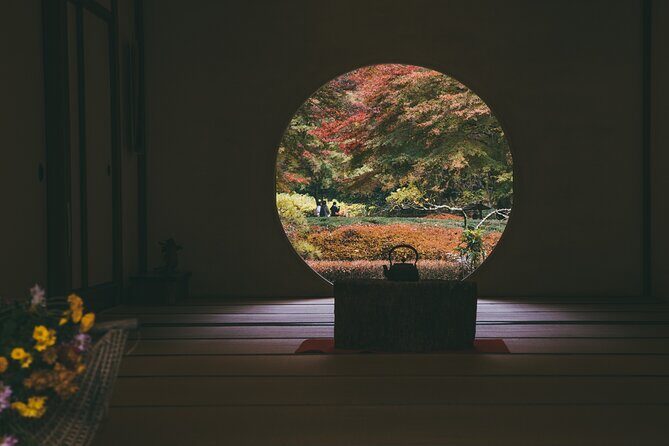
Kamakura and Yokohama are a smart pairing because they give you two very different sides of the Tokyo region in one day. Kamakura is about temples, statues, and hillside paths. Yokohama is about streets, food, and modern waterfront views. Trying to string both together on your own can turn into a puzzle of trains, transfers, and the kind of timing stress that ruins sightseeing.
This tour solves the boring parts. You ride in a private vehicle, and you do not have to worry about route decisions, parking, or getting back to Tokyo when schedules get messy. The car is air-conditioned, which matters in warm months, and the included fuel, tolls, and parking fees keep the budget clearer than half-day taxi hopping.
The best part is the tone of the day: it is relaxed. You can pause for photos, and you are not racing another group through each site. Even guides who adjust the timing based on your interests keep the day moving in a calm way, which is exactly what you want when you’re paying for someone else to do the coordination.
You can also read our reviews of more private tours in Tokyo


The day’s flow: from Chinatown to Minato Mirai without feeling rushed
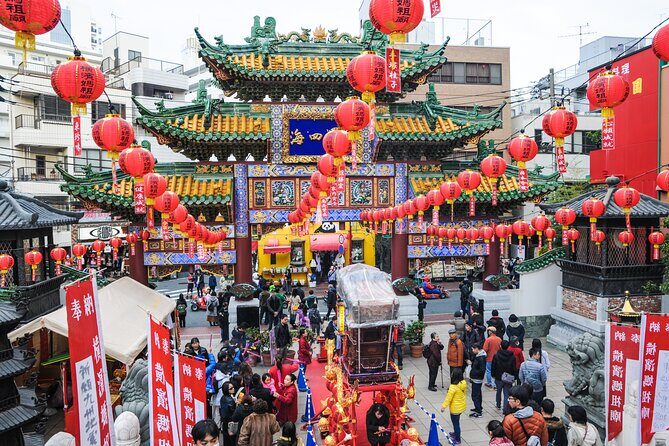
You start in Yokohama Chinatown, and that choice tells you a lot about the tour’s logic. Chinatown is Japan’s largest, and it’s famous for the sheer density of shops and restaurants in a compact area. With more than 600 places to explore in about 250,000 square meters, it is not a museum-like stop. It is a walk-and-snack kind of place.
You get about 1 hour here. That is enough time to soak in the streets, take photos, and try a bite or two if you want. It’s also a good early anchor because you can match your pace to your appetite. If you are more into wandering than eating, you still get plenty of atmosphere.
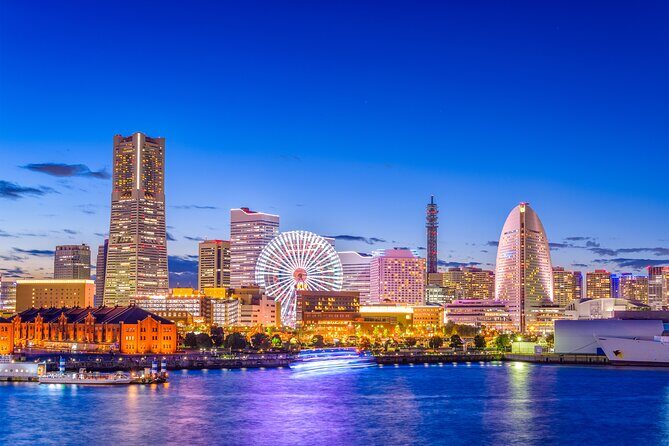
From there you head to Minato Mirai 21, Yokohama’s seaside “harbor of the future” district. This is where the views and architecture come in. Expect high-rises like the Landmark Tower, plus the feel of a modern waterfront city center. Again, you get about 1 hour, which is plenty for a viewpoint walk and a photo circuit without turning it into a half-day commitment.
Practical tip: Chinatown and Minato Mirai are visually different, so your camera will be busy. If you like photos, this order is helpful: you’ll start with color and street scenes, then shift to the clean lines and skyline views.
Sankeien Gardens: your scheduled quiet hour
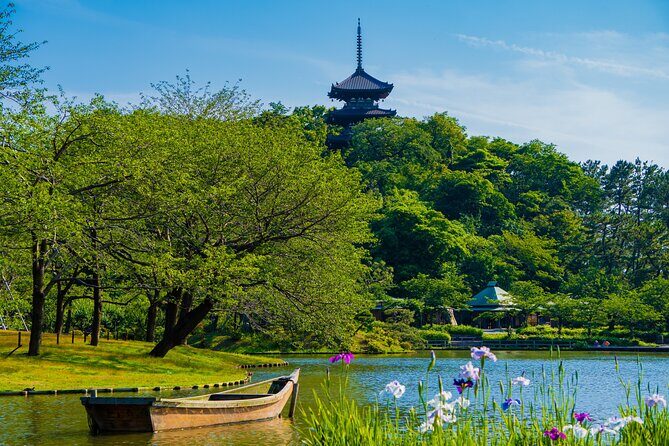
Next is Sankeien Gardens (not included in the price), a large classical Japanese garden covering over 175,000 square meters. This stop is valuable because it breaks up the day’s “city energy” with a slower, more contemplative pace.
Sankeien also includes historical buildings and houses that are recognized as culturally significant. So you get more than greenery—you get context for how these spaces were designed to be experienced over time: paths, viewpoints, and seasonal changes. The time block is about 1 hour, which is not enough to explore every corner thoroughly, but it is a good length to hit the highlights without feeling exhausted.
The main drawback is simple: gardens are weather-dependent in how comfortable they feel. If it is hot, you’ll want hydration and shade breaks. If it is rainy, you may have to accept slower movement and fewer photo moments.
If you’re the type who enjoys calm stops between big attractions, this is one of the best pieces of the schedule.
Hasedera Temple: the giant Kannon and the kind of history you can see
Hasedera Temple is one of those places where the landmark is big enough to find even if you lose your bearings for a second. The temple is said to have been established in the 8th century, and it is known for a large statue of Kannon, the goddess of mercy.
You’ll spend about 1 hour here. That time is usually enough to walk the grounds, see the main features, and take breaks without turning it into a rush job. This is also a good stop for photography because temple grounds often offer layered views—entry steps, garden angles, and framed buildings.
What I like about having Hasedera after Sankeien is that both are about designed space, just in different moods. One is garden-focused; the other is temple-focused. You can move from one to the other without a jarring shift.
If you prefer only the “top 1 or 2 must-sees,” you may feel the time is balanced rather than long. But if you want a well-rounded day, this slot works.
Kotoku-in Great Buddha and Hokoku-ji: the Kamakura heart of the trip
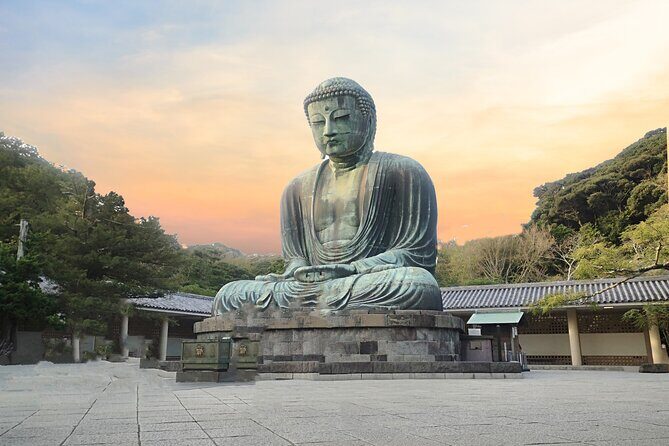
Kamakura becomes real in the second half of the day, and the schedule reflects that. Kotoku-in, also called the Great Buddha of Kamakura, gets about 2 hours. Then Hokoku-ji gets another about 2 hours for a total of roughly four hours devoted to the Kamakura temple experience.
At Kotoku-in, the headline is the bronze statue: 37 feet high and about 121 tons, designated as a national treasure. You are not just looking at a statue; you’re seeing how a single image can define a whole place. This is one of those sights where you get different perspectives as you move around the grounds.
Then you shift to Hokoku-ji, founded in 1334. This stop is described as one of the best spots in Kamakura for a peaceful walk, with surroundings featuring jasmine and cherry trees. That matters because Hokoku-ji is the opposite of a quick look-see. It’s more about walking the grounds and letting the atmosphere do the work.
A key benefit of giving Hokoku-ji time is that the day does not feel like a checklist. You can pause, look up and around, and enjoy the hillside feel without sprinting. If your legs are tired, this is also where having a private car matters less during the walk and more afterward, since you can rest when you move between stops.
Footwear note: Hokoku-ji’s charm is tied to walking. Wear comfortable shoes, and expect some uneven ground or stairs.
A few more Tokyo tours and experiences worth a look

What the English-speaking driver handles for you (and why that’s real value)
This is not just transportation. It’s interpretation and pacing. The tour includes an English-speaking driver, a private air-conditioned vehicle, plus fuel surcharge, parking fees, and toll fees.
That may sound like logistics, but on a day like this, it’s emotional value too. When you are with a guide who can explain what you’re seeing, you stop noticing the effort and start noticing the place. In the experience feedback I saw, guides like Wendell and Jeffrey were described as warm, attentive, and good at keeping things on track. There was also a clear theme that they gave enough time at each attraction so you can enjoy it instead of rushing.
Another practical plus: the tour can be adjusted based on what interests you most, and some guides will work with your food preferences. If you want to eat something fitting the moment rather than grabbing whatever is closest, this is where a private driver really shines.
One more detail that matters: the tour is built with photo stops in mind. You can take pictures without holding up others in a group setting, which is a big quality-of-life improvement.
Price and logistics: what $470.31 per group really buys
The price is $470.31 per group (up to 4) for a tour lasting roughly 8 to 10 hours. That group size affects value directly. If you have up to four people, the private car cost is shared, and you effectively buy back time and stress versus trains or multiple taxis.
You get:
- A private English-speaking driver
- A private air-conditioned vehicle
- Fuel surcharge, parking fees, and toll fees
- Hotel pickup (where offered)
- A mobile ticket
You do not get:
- Entrance fees for destinations
- Overtime fees if you go past 10 hours: 5,000 JPY per hour
So how do you judge value?
- If you are traveling as a small group and you want a calm, structured day with minimal navigation hassle, it is strong value.
- If you plan to skip most paid sights and just want a light look around, the admissions not included could make the total cost feel higher than you expected.
Also, several listed stops are marked as free admission (Yokohama Chinatown and Minato Mirai 21), which helps. The paid ones are the temples/gardens where entrance fees are more likely to apply.
If you are trying to keep costs tight, I’d budget for admissions at Sankeien Gardens, Hasedera, Kotoku-in, and Hokoku-ji since those are listed as not included.
Weather, walking, and how to set yourself up for an easy day
This tour requires good weather. If weather cancels it, you should be offered a different date or a full refund. That’s important because Kamakura temple walking is part of the experience, and rainy conditions reduce comfort and photo opportunities.
In terms of physical effort, the tour is described as suitable for most travelers, but it still includes temple grounds and walking between sights. Plan to wear shoes you can trust, and treat the day like a single long sightseeing outing rather than a series of short hops.
If you get motion-sick easily, mention it to your driver in advance, since you’ll be in a car for a big chunk of the day. (No special details are given about vehicle type beyond being private and air-conditioned, so I’d keep it practical.)
Who this tour suits best (and who should consider a different plan)
This is a great fit if you:
- Want a private day that does not feel like a rigid bus tour
- Are traveling with up to 4 people and want the cost split
- Appreciate an English-speaking driver who explains what you’re seeing
- Prefer a slower pace, including photo time
It is less ideal if you:
- Want to do absolutely minimal walking
- Are comfortable navigating on your own and would rather DIY it
- Are extremely cost-sensitive and plan to visit multiple paid sites without building in a buffer
If your ideal Tokyo trip is about one day with planning handled for you, this tour hits the mark.
Should you book the Yokohama/Kamakura private car tour?
I’d book it if you want a straightforward day that connects two distinct regions with less stress. The combination of hotel pickup, a private English-speaking driver, and time given to the temple stops (Kotoku-in and Hokoku-ji) is the core reason this works. You also get a calm pacing style that makes the day feel more like a guided stroll than a rushed checklist.
If you are price-checking, do the math with admissions in mind. And if your schedule can be tight on time, remember that overtime kicks in after 10 hours.
Bottom line: for small groups who want comfort, context, and a relaxed schedule, this is a very sensible way to do Yokohama and Kamakura in one day.
FAQ
How many people can join this private tour?
It’s priced per group and is set up for up to 4 people.
Is hotel pickup included?
Hotel pickup is offered as part of the experience.
How long is the tour, and is overtime charged?
The tour lasts about 8 to 10 hours. Overtime is charged at 5,000 JPY per hour after 10 hours.
Are entrance fees included?
No. Entrance fees for the destinations are not included.
Which stops have free admission?
Yokohama Chinatown and Yokohama Minato Mirai 21 are listed as free admission.
What happens if the weather is bad or you cancel?
If the tour is canceled due to poor weather, you’ll be offered a different date or a full refund. Cancellation is free up to 24 hours in advance for a full refund; if you cancel less than 24 hours before, you will not get a refund.