REVIEW · TOKYO
10-Day Private Tour with more than 60 Attractions in Japan
Book on Viator →Operated by Sluzeb Tours · Bookable on Viator
Ten days, zero transit headaches. This private Japan loop is built for first-timers who want classic sights without the stress of trains, tickets, and transfers.
What makes it work is the private air-conditioned car plus a driver doing the hard parts, while you get to decide what feels worth your time. You also start with a full Tokyo hits list and end in Kobe, with long days that still feel organized.
One consideration: many of the top-name stops have separate paid entry (and your accommodation is extra), so your final spend depends on what you choose to add.
In This Review
- Key things I’d clock before you go
- Private Japan by Car: Shinjuku pickup and Kobe drop-off
- Price and value: what $9,000 per group really buys
- Tokyo starter day: Tsukiji, temples, Shibuya energy, and optional skyline thrills
- Day 2 coastline side quest: Kamakura temples, Yokohama Chinatown, and Minatomirai views
- Day 3 Mount Fuji orbit: Oshino Hakkai, Chureito Pagoda, and the Fuji Five Lakes approach
- Day 4 Hakone: Lake Ashi, ropeways, Owakudani’s black eggs, and open-air sculptures
- Day 5 Nikko shrine power and Chuzenji lake views
- Kyoto across two days: Kiyomizu, Nishiki, Fushimi Inari, golden pavilion, Arashiyama, and Gion at night
- Day 6 Kyoto core temples and market streets
- Day 7 Golden Pavilion, bamboo, and Gion’s evening mood
- Osaka food-and-lights day: castle backdrop, Kuromon Market, and Dotonbori canal walks
- Nara deer temples day: Todaiji area, Kofuku-ji, and walking the city
- Kobe finale: Nunobiki Falls, Ikuta Shrine, Chinatown, and the Rokko cable car
- What to prioritize if you want to control extra tickets
- Should you book this private Tokyo-to-Kobe tour?
- FAQ
- What is the price and group size for this 10-day private tour?
- Where do you meet and when does the tour start?
- Is transportation included?
- What major attractions are not included in the ticket price?
- Is this a private tour?
- Does the tour depend on weather?
Key things I’d clock before you go
- Private driver + AC car from Shinjuku at 7:00 am: you’re not budgeting time for station changes or long transfers.
- Guide-driven storytelling (Newton-style): the guide approach is upbeat and story-focused, including history like the Senso-ji background.
- Mobile tickets for key entries: less scrambling, more showing up and going.
- Big sights, lots of walking: you’ll be moving through markets, temple areas, and viewpoint zones all week.
- Cost split is real: entry fees and major attractions are not included, so you’ll want to plan priorities early.
- Flexibility if traffic gets ugly: stops can be skipped to avoid long waits or congestion.
Private Japan by Car: Shinjuku pickup and Kobe drop-off
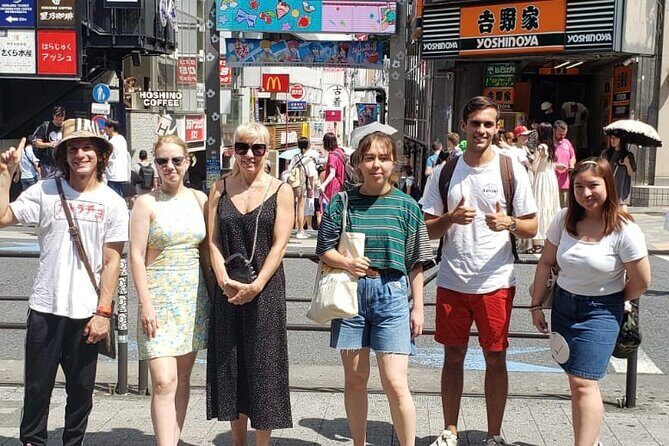
This is the kind of tour that’s designed for people who want Japan to feel smooth. You meet in Shinjuku (start 7:00 am) and spend about 10 hours per day including commuting. Instead of thinking about routes and timetables all day, you think about what you want to see next.
Your end point matters too. The final day lands in Kobe, and the operator notes that they can drop you off in Kobe, Kyoto, Nara, or Osaka. If you’re building your own add-on days after the tour, that flexibility helps.
The private format also changes the vibe. You’re not getting pulled along at the pace of a large group, and you can ask for practical adjustments. In the feedback around this tour, the guide named Newton is called out for being cheerful, staying aware of everyone, and adapting to requests.
You can also read our reviews of more private tours in Tokyo


Price and value: what $9,000 per group really buys
The price is $9,000 per group (up to 5 people) for about 10 days. That’s expensive on paper, but it’s also what you pay to remove the biggest friction points in Japan: transport stress, coordination, and wasted time.
A quick way to sanity-check value:
- If you use the full group size (5 people), you’re closer to $1,800 per person.
- If you travel as a smaller group within the cap, your per-person cost rises.
Now the trade-off: the tour includes private transport, an air-conditioned vehicle, bottled water, and fuel/parking/tolls, but it doesn’t include most major attraction tickets and it doesn’t include accommodation. So your total “trip cost” is going to depend heavily on whether you add big-ticket sites like Tokyo Skytree, teamLab Planets, Hakone Ropeway / Open-Air Museum, Nikko Tosho-gu, Kyoto castle/temple entries, and a few scenic transport options around Fuji and Hakone.
If your dream Japan is fast, efficient, and guided—this price can feel fair. If you prefer to do everything on your own for maximum savings, you’ll probably feel the cost more.
Tokyo starter day: Tsukiji, temples, Shibuya energy, and optional skyline thrills
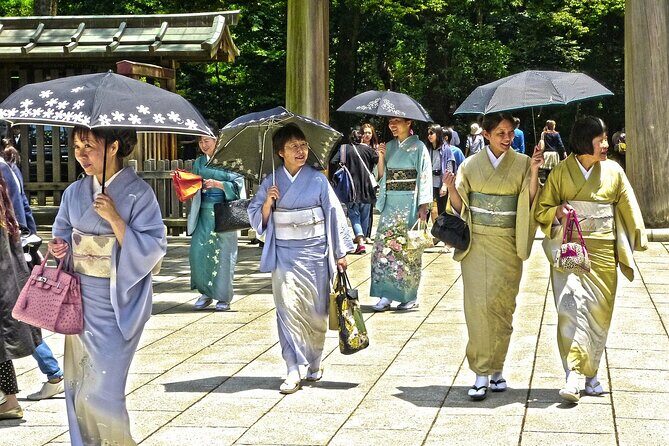
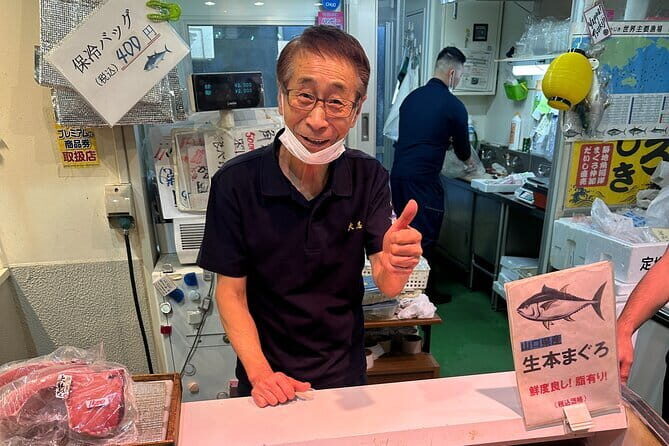
Day 1 is a classic Tokyo sampler that hits history, religion, shopping, and a few skyline moments. You start with Tsukiji Fish Market (free) for the full “this is Tokyo” atmosphere. It’s described as the largest fish market in the world, and even though Tsukiji’s role has evolved over time, it still delivers that feeling of real food culture.
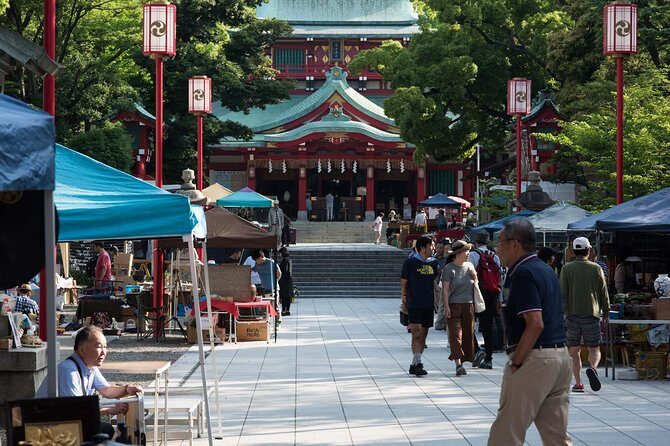
From there, you step into Senso-ji Temple in Asakusa (free). It’s one of Tokyo’s oldest religious sites, and this stop is exactly where a story-driven guide helps. In the feedback tied to this tour, the guide’s Senso-ji explanations are called out as memorable—so you’re not just looking at buildings, you’re getting context.
Next comes the view stuff:
- Tokyo Skytree is an optional paid add-on (1 hour listed; ticket not included).
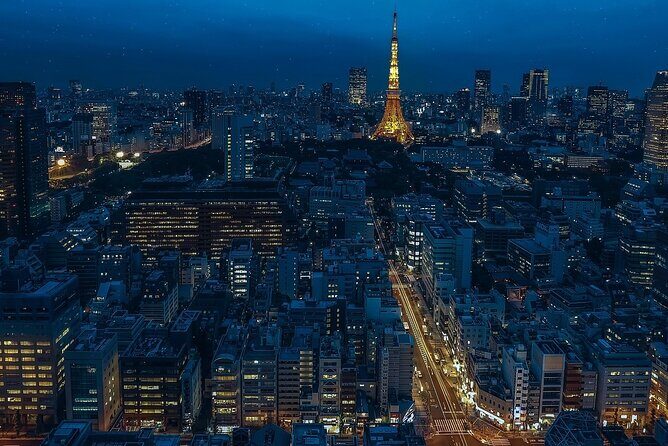
- Tokyo Tower is another iconic photo stop (free, quick time).
- Shibuya Crossing is the world-famous chaos you can experience without hunting down the right corner.
You also get a nice balance of “Tokyo mood” stops: Meiji Jingu (free), the forested Shinto shrine that feels like a reset button; Akihabara (free) for electronics and anime culture; and Takeshita Street in Harajuku for the candy-and-fashion side of youth culture.
Two optional touches are worth considering:
- The Statue of Liberty replica at Odaiba is free but only if you have time.
- teamLab Planets Tokyo is listed as possible if you have time, but it’s not included.
My practical take: Day 1 is a lot of places, but it’s also smart for first-timers. You’re building a mental map fast—so your later days in Japan feel easier.
Day 2 coastline side quest: Kamakura temples, Yokohama Chinatown, and Minatomirai views
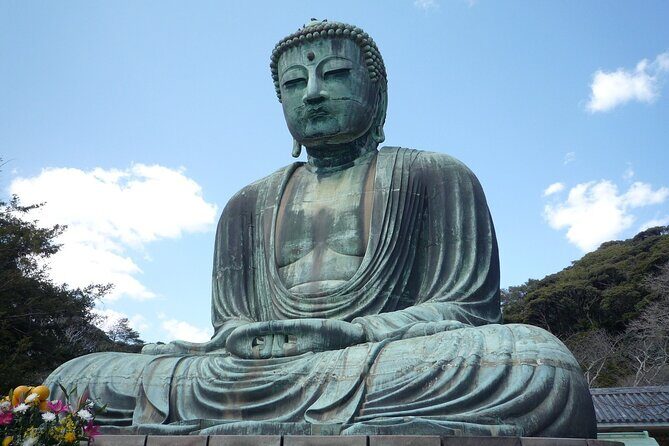
Day 2 shifts to the Kamakura–Yokohama axis, and it’s a good reminder that the Tokyo region isn’t only skyscrapers. You start with Hōkoku-ji (the bamboo garden temple area) plus Hase-dera and Kōtoku-in (Great Buddha of Kamakura). All of these are listed with tickets not included, so decide early whether temple entries are your priority.
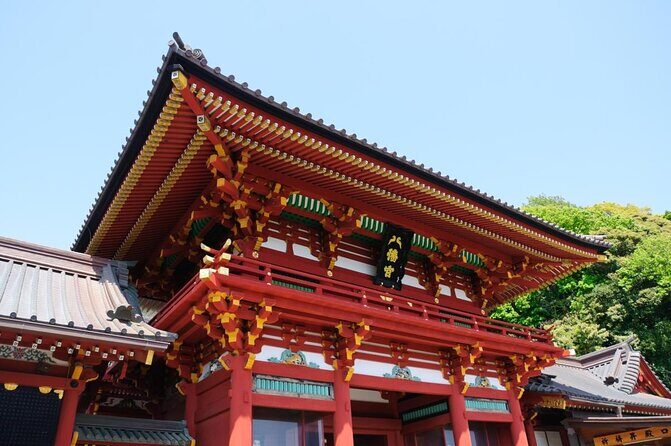
The shrine stop is Tsurugaoka Hachimangu (ticket not included). If you like festivals and shrine culture, it’s a central one. Then you transition into street-level browsing at Kamakura Komachidori (free) for shops and snacks.
After Kamakura, you head to Yokohama:
- Yokohama Chinatown (free) for the food-and-street energy.
- Sankeien Gardens (paid) for traditional garden scenery.
- Minatomirai (free) if time allows, including the waterfront and modern skyline vibe.
Possible drawback here: this day stacks multiple paid-at-the-gate sights. If you skip one, it won’t ruin the day—but if you buy tickets for all of them, you’ll feel the extra cost.
Day 3 Mount Fuji orbit: Oshino Hakkai, Chureito Pagoda, and the Fuji Five Lakes approach
Day 3 is all about Fuji scenery from multiple angles. You start with Oshino Hakkai (free), eight springs fed by Mount Fuji’s aquifer water. It’s one of those places where the setting feels simple, but it’s special because it links directly to Fuji’s water system.
Then you get one of Japan’s most recognizable Fuji compositions:
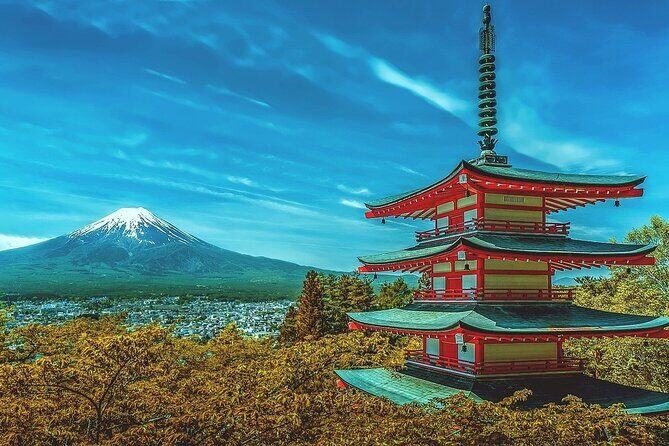
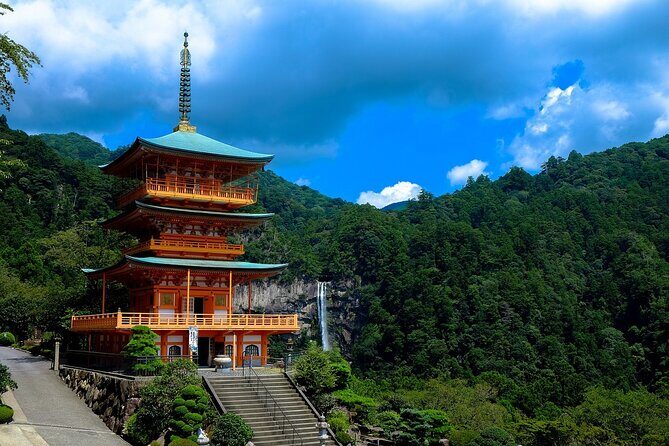
- Chureito Pagoda (free) is the classic “small pagoda with Fuji behind” shot area.
From there, you move to Lake Kawaguchiko (free) and the Oishi Park viewpoint (free). If you care about that iconic layered look—Fuji in back, lake mid-ground, flowers in front—Oishi Park is the type of stop you’ll want your camera ready for.
The optional choices are where your day can bend:
- Mt. Fuji Panoramic Ropeway (paid)
- Saiko Iyashi no Sato Nemba (paid)
- Arakura Fuji Sengen Shrine (free)
- Mt. Fuji 5th Station (paid; listed as 2,100 yen per group)
There’s also Gotemba (free) with tea growing area context and local stops.
My advice for Fuji days: accept that clouds happen. This tour gives you multiple viewpoints (not just one), which improves your odds. You’ll feel less disappointed if one angle is hazy.






Day 4 Hakone: Lake Ashi, ropeways, Owakudani’s black eggs, and open-air sculptures
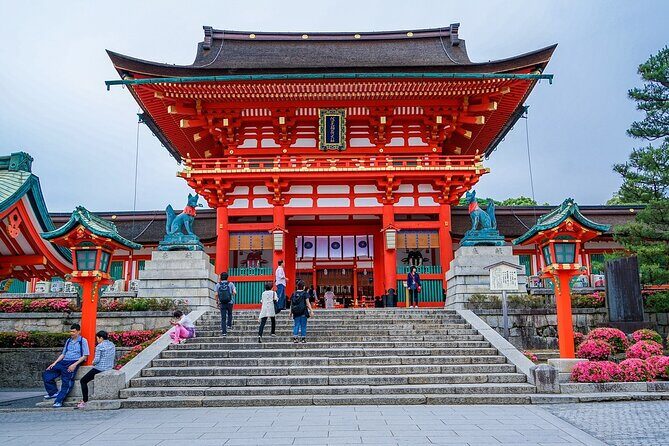
Hakone is where you trade city pace for volcano-landscape vibes. You start with Hakone Shrine / Kuzuryu Shrine (ticket not included) at the base of Mount Hakone by Lake Ashi. It’s the kind of place where the forested setting matters, because the buildings don’t scream for attention—they sit quietly in the scene.
Next is Lake Ashinoko (paid if you do the cruise option; cruise ticket is listed). Then the big “choose your adventure” block:
- Hakone Ropeway (ticket not included)
- Owakudani Valley (free listed entry time; the classic attraction here is Kuro-tamago, the black eggs boiled in the hot springs)
Owakudani is one of the most memorable stops on this loop because it’s science-meets-souvenir. The sulfur turns the eggshells black, and it’s a visual detail that makes the whole place feel hotter and more alive.
After that:
- Gora Park (paid)
- The Hakone Open-Air Museum (paid)
Balanced take: Hakone can be worth it even if you skip one paid ride, because you still get the lake views and the valley atmosphere. But if you want the full experience, budget for the extra tickets.
Day 5 Nikko shrine power and Chuzenji lake views
Nikko is one of Japan’s most famous temple-and-shrine destinations, and this day leans hard into that. You start with Toshogu Shrine (ticket not included). It’s known for richly decorated buildings and carvings, and it’s a major “wow” stop.
Then there’s the calmer, scenic side:
- Shinkyo Bridge (free) is one of Nikko’s best-known sightseeing spots, with an elegant arch over the river.
- Nikko Tamozawa Imperial Villa Memorial Park (paid) gives you a different angle: a retreat with architecture styles from Edo, Meiji, and Taisho eras.
For views, you go to:
- Akechidaira Observation Area (paid) for looks toward Kegon Falls, Lake Chuzenji, and Mt. Nantai.
- Kegon Falls (paid) near Lake Chuzenji.
- Lake Chuzenji (free), the Sea of Happiness nickname you’ll hear because the water and hills feel peaceful.
One consideration: Nikko’s paid sights can add up quickly. If you’re trying to keep costs under control, I’d prioritize at least one major “anchor” like Toshogu or the falls view, and then build around that.
Kyoto across two days: Kiyomizu, Nishiki, Fushimi Inari, golden pavilion, Arashiyama, and Gion at night
Kyoto is where this tour earns its keep. The stops are famous for a reason, and the layout is practical: temples in the morning, shrine streets and markets mid-day, and night atmosphere near the end.
Day 6 Kyoto core temples and market streets
You start with Kiyomizu-dera (ticket not included), then Sanjūsangen-dō (paid) which is known for its long rows of statues and temple interior focus. After that, you visit Yasaka Shrine (free).
Then it’s very Kyoto in the everyday way:
- Nishiki Market (free) for browsing and snacking in a traditional market setting.
- Fushimi Inari-taisha Shrine (free) for the famous tunnel of orange torii gates—one of Japan’s easiest “I get it now” experiences.
You can also add Nijo Castle (paid) if you want more built-history.
Day 7 Golden Pavilion, bamboo, and Gion’s evening mood
This day has Kinkakuji at the top:
- Kinkaku-ji (Golden Pavilion) (paid)
- Arashiyama Bamboo Forest (free) for the soundscape-like experience of bamboo paths
- Tenryuji Temple (paid) and an Arashiyama observation deck (paid)
You also get a mix of culture and small distractions that make Kyoto feel real:
- Arashiyama Kimono Forest (free)
- Monkey Park Iwatayama (paid)
- Gion (free), with an evening option described as a guided night walk, plus time for traditional food choices
My practical note: Kyoto on a tight schedule can feel like a parade of highlights. Private pacing helps, but you’ll still want to choose what matters most to you: gates and shrines, or castles and formal temple interiors.
Osaka food-and-lights day: castle backdrop, Kuromon Market, and Dotonbori canal walks
Osaka keeps the energy up. You start at Osaka Castle (ticket not included), then visit older spiritual stops like Shitennoji (paid) and Sumiyoshi Taisha (free).
For something modern and artsy, there’s teamLab Botanical Garden Osaka (paid). If you like interactive installations, it fits the day without stealing the whole schedule.
Then the tour gets hands-on:
- Kuromon Market (free) is for street food, produce, and seafood.
- Dotonbori (free) delivers the visual overload—especially along the canal in the Namba district.
This is one of the easiest days to customize. If you’d rather focus on food than tickets, you can spend longer in Kuromon and shorten the paid art stop.
Nara deer temples day: Todaiji area, Kofuku-ji, and walking the city
Day 9 is Nara, and the anchor is the temple complex zone with Todai-ji Nigatsudo Kuden (paid). You also go to Kofuku-ji Temple (paid). Then it’s time for the park:
- Nara Park (free) for the open space and the free-roaming deer.
You finish with city-stroll atmosphere:
- Sanjo dori Street (free) for the main boulevard vibe
- Isuien Garden and Neiraku Museum (paid) if you want a calmer, garden-and-museum contrast
Balanced take: If you love temples, this day will feel satisfying. If you’re temple fatigued, Nara Park and Sanjo dori can still carry the day without draining you.
Kobe finale: Nunobiki Falls, Ikuta Shrine, Chinatown, and the Rokko cable car
The last day in Kobe shifts from big-name temples to a mix of nature, shrine heritage, and neighborhood flavor.
You start with Nunobiki Falls (free), near downtown Kobe, noted for its importance in Japanese literature and art. Then you visit Ikuta Shrine (free), possibly among the oldest in the country, with an “Ikuta Forest” landmark mentioned.
Next is the neighborhood energy:
- Kobe Chinatown Nankin-machi (free) south of Motomachi, adjacent to Daimaru.
Then you get a scenic choice:
- Rokko Cable Shita Station / Mount Rokko cable car (free)
- Weathercock House (Former Thomas House) (paid) and the nearby Ijinkan area vibe
If you want a soft landing after a long multi-city loop, Kobe is a smart way to end. It feels less frantic than the Tokyo mega-sites, while still giving you “Japan details.”
What to prioritize if you want to control extra tickets
Because many big attractions are ticketed separately, it helps to decide your “must-do” list before you hit Japan. Here are common high-impact choices from the tour’s paid options:
- Tokyo Skytree (paid) and teamLab Planets Tokyo (paid) for modern Tokyo wow.
- Mt. Fuji 5th Station (paid) plus one or two viewpoints (Ropeway and Saiko village are paid options).
- Hakone Ropeway and Hakone Open-Air Museum (paid) if you want the full Hakone experience.
- Nikko Tosho-gu (paid) if you want the centerpiece shrine.
- Kiyomizu-dera / Sanjusangendo / Kinkakuji / Nijo Castle (all paid options on some days) if temple interiors are your focus.
- teamLab Botanical Garden Osaka (paid) if you like interactive exhibits.
If you hate the idea of paying for every single stop, you can still have a great day. A lot of the tour’s major moments are free entries, especially temple exteriors, shrine areas, markets, parks, and viewpoint streets.
Should you book this private Tokyo-to-Kobe tour?
Book it if you want Japan to feel planned but not rigid: private pickup from Shinjuku, long days with a driver, and a guided route that hits Tokyo, Fuji area, Hakone, Nikko, Kyoto, Osaka, Nara, and Kobe.
Skip it (or at least rethink) if your budget is strict and you want to pay only for a handful of paid attractions. Since many headline stops are not included, your final total can rise fast—especially if you add Skytree, teamLab, Fuji rides, Hakone rides, and multiple Kyoto interiors.
If you do like guided context, this tour has a key advantage: the guide style tied to this experience includes cheerful energy and history storytelling—something you’ll notice most at Senso-ji and the other big cultural stops.
FAQ
What is the price and group size for this 10-day private tour?
The price is $9,000.00 per group, up to 5 people.
Where do you meet and when does the tour start?
The start is in Shinjuku, Shinjuku City, Tokyo 160-0022, Japan, with a 7:00 am start time.
Is transportation included?
Yes. The tour includes a private air-conditioned vehicle, private transportation, bottled water, and fuel charges, parking fees, and toll charges.
What major attractions are not included in the ticket price?
Ticketed items not included include places like Tokyo Skytree, teamLab Planets TOKYO, Mt. Fuji Panoramic Ropeway, Hakone Ropeway, Hakone Open-Air Museum, Nikko Tosho-gu, Nijo Castle, Kiyomizu-dera, Kinkakuji, and several others listed as paid attractions.
Is this a private tour?
Yes. It is private, and only your group participates.
Does the tour depend on weather?
Yes. The experience requires good weather; if it’s canceled due to poor weather, you’ll be offered a different date or a full refund.