REVIEW · KYOTO
Experience Japan’s Traditional Culture Night Tour in Kyoto
Book on Viator →Operated by JTB Global Marketing & Travel Inc. · Bookable on Viator
Kyoto at night has a rhythm all its own. This tour puts you right into that rhythm with a ticketed show at Gion Corner and a quiet, candlelit tea break at Ryokan Yoshi Ima. You also get a National Government Licensed English guide to translate the why behind what you’re seeing, not just the what.
Two things I really like: first, the Gion Corner lineup is a smart way to experience several traditional arts in one evening block. Second, dinner is served in a Zen-style format, so the meal doesn’t feel like a random add-on—it’s part of the cultural story.
One drawback to plan for: the whole experience runs about four hours, even though the core activities take less time. That means waiting for performances and transit between stops can stretch the evening, and your meeting logistics matter.
In This Review
- Key highlights you’ll feel right away
- Gion Corner at 5:05 pm: the easiest way to read Kyoto arts
- Hanamikoji Street to Gion Shimbashi: the walk that makes it feel real
- Ryokan Yoshi Ima tea ceremony: candlelight plus real tea etiquette
- Zen-style vegetarian dinner: simple, balanced, and very Kyoto
- Price and logistics: is $175.60 worth it?
- Meeting point reality: plan for travel time across central Kyoto
- Timing tips so the night doesn’t feel rushed
- Who this Kyoto Culture Night Tour is best for
- Should you book this Kyoto Traditional Culture Night Tour?
- FAQ
- What is the duration of the Kyoto Traditional Culture Night Tour?
- Where do I meet for the tour?
- What time does the tour start?
- What’s included in the price?
- Is the dinner fully vegetarian?
- Can the tour accommodate dietary needs like Muslim-friendly or allergy-friendly meals?
- What happens at Gion Corner?
- How big is the group?
- Can children join?
Key highlights you’ll feel right away
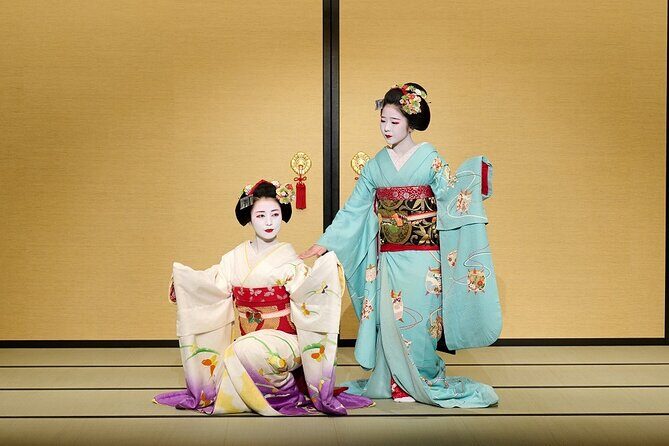
- Gion Corner (seasonal program) covers multiple arts like Kyoto dance, tea ceremony, koto music, bugaku, and kyogen, plus bunraku or noh depending on dates
- A candlelit tea ceremony in the Kurenaitei room at Ryokan Yoshi Ima, with a dedicated private evening feel
- Lantern-and-alley walking through central Gion along Hanamikoji-dori and toward Gion Shimbashi’s preserved-building district
- Zen-style vegetarian dinner included, designed around Buddhist culinary traditions (with an important note about bonito in sauce)
- Small group limit of 24 and a mobile ticket for smoother check-in
- Seasonal performance dates affect what you’ll see, so your travel month changes the show
Gion Corner at 5:05 pm: the easiest way to read Kyoto arts
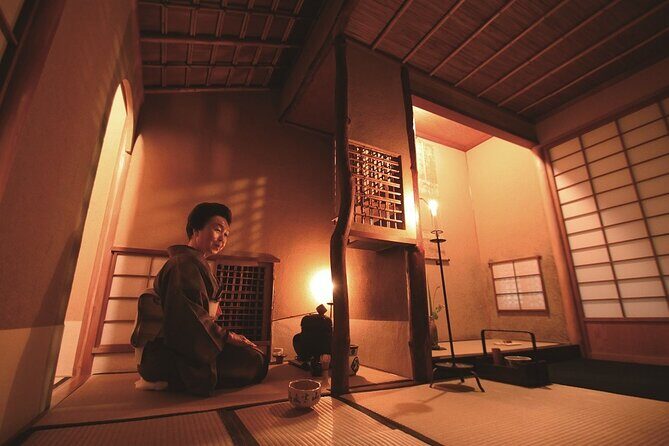
The timing here is one reason it works. A 5:05 pm start lets you experience daylight-to-night Kyoto and still make it through the performance schedule without feeling like you rushed dinner first.
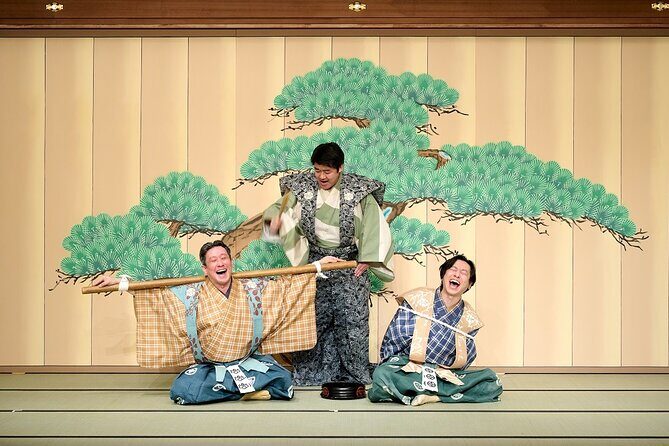
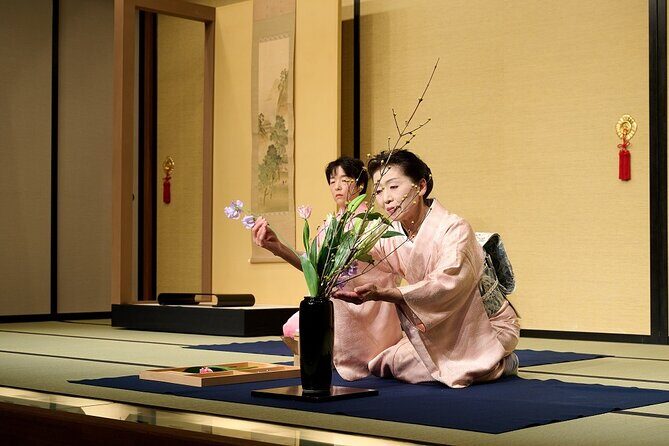
At the first stop, you settle in for the Gion Corner program. It’s a set performance format that typically includes a traditional Kyoto dance, a tea ceremony segment, flower arrangement, koto music, bugaku (court dance and music), and kyogen (traditional comic theater). Depending on the season, you’ll also see either bunraku or a noh play. If you’re visiting outside peak tourism hours, this kind of fixed schedule is genuinely helpful—you don’t have to figure out where to be and when.
Another small detail that matters: you can take a commemorative photo with the maiko during the Gion Corner experience. It’s the kind of moment that feels fun and a bit cinematic, while still being tied to the venue’s established program. Plus, you’re not standing around hunting for the right photo spot in Gion on your own.
The guide’s role is practical. English interpretation helps you connect the dots between what looks like separate art forms—dance, music, court traditions, comedic theater—and the broader cultural logic behind them. If you like understanding context, this is one of the strongest parts of the evening.
You can also read our reviews of more evening experiences in Kyoto


Hanamikoji Street to Gion Shimbashi: the walk that makes it feel real
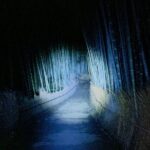
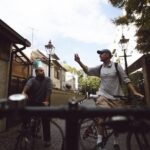
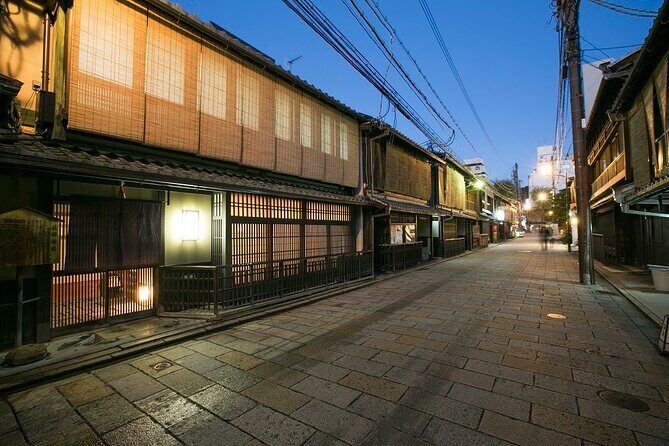
After Gion Corner, you move into a classic Gion walk. The route takes you along Hanamikoji-dori Street, with historic teahouses and restaurants, and then toward Gion Shimbashi, an Important Preservation District for Groups of Traditional Buildings.
This stop is only about 30 minutes. That’s enough time to reset your brain after sitting through performance segments and to look closely at the lanes people actually walk. You’re not going on a long nature hike or a huge city loop—you’re getting a focused, evening stroll when the streets start to look their best.
What you’ll notice is mood. Even without knowing every detail, you can feel why Kyoto’s preserved-building districts matter. Small differences in architecture and street layout become easier to see when the setting is quieter and darker.
Practical note: since this is a short walking stretch, wear something comfortable for uneven sidewalks. Kyoto evenings can be slippery in wet weather, and you’ll want your feet happy so you can enjoy the views rather than count steps.
Ryokan Yoshi Ima tea ceremony: candlelight plus real tea etiquette
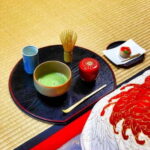
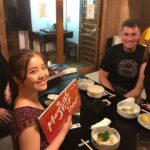
The heart of the second half is the ryokan experience. At Ryokan Yoshi Ima, you’ll enjoy an exclusive private evening tea ceremony in the Kurenaitei tea ceremony room. Candlelight sets the tone, and it’s a calmer counterpoint to the packed performance schedule earlier.
This is the part where you’re likely to slow down. A tea ceremony isn’t just about drinking tea. It’s about pacing, attention, and the small rituals that make the setting feel intentional. When you pair that with the guided cultural explanation, it becomes more than a photo moment.
You’ll also get a structured dinner afterward, served in Zen style. The meal is vegetarian and tied to Buddhist culinary traditions. That matters because in this part of Kyoto culture, food is treated as a thoughtful practice—not just fuel.
One important consideration: while the dinner is Buddhist vegetarian, bonito stock is used in the tempura dipping sauce. If you’re vegetarian or trying to avoid specific ingredients, ask ahead that salt can be used instead of the tempura dipping sauce. The tour info makes that substitution possible, but you need to know to request it.
It’s also worth knowing what they can’t accommodate. Requests for Muslim-friendly meals, Indian thali meals, or allergy-friendly meals aren’t accepted. If your diet is tied to strict religious rules or allergies, you’ll want to double-check before booking.
Zen-style vegetarian dinner: simple, balanced, and very Kyoto
Dinner starts right after the tea ceremony. The meal is described as a simple but well-balanced dietetic option reflecting Buddhist traditions, and it includes miso soup and rice.
The vegetarian tempura components listed are very specific: tofu, namafu (wheat gluten), yuba tofu skin, and seasonal vegetables like eggplant, lotusroot, ginger, and shiitake mushrooms. That means you can expect a mix of textures—soft, crisp, and warm—rather than one-note vegetable plates.
Again, the bonito note matters. If you’re comfortable with the broader Buddhist vegetarian concept, the meal will likely feel coherent with the tea ceremony and the evening’s theme. If you’re strict about avoiding fish-based flavoring, this is the one spot where you must be proactive.
Drinks aren’t included. So if you want water, tea, or any other beverage with dinner, budget for it separately.
Price and logistics: is $175.60 worth it?
At $175.60 per person, this isn’t a cheap casual night out. But it’s also not just a walking tour with a show tacked on. You’re paying for several bundled costs: Gion Corner admission, the private candlelit tea ceremony portion, and a Japanese-style vegetarian dinner, plus a National Government Licensed English guide.
You’re also paying for convenience. The tour includes a mobile ticket, starts at a set meeting time (5:05 pm), and moves you through multiple experiences without you needing to book and coordinate separate reservations.
The main reason the price can feel fair is time efficiency. Traditional performances and ryokan-based experiences can be hard to line up when you’re juggling maps, schedules, and language barriers. This tour compresses that work into a four-hour evening block.
The main reason the price can feel high is if the evening’s pacing doesn’t match your travel style. Since you’ll wait for part of the Gion Corner program and have transit time between locations, you’re not free to roam whenever you want. For travelers who want lots of spontaneous exploration at your own pace, this may feel structured.
Meeting point reality: plan for travel time across central Kyoto
The meeting point is Good Nature Hotel Kyoto, 2-318 Inaricho, Shimogyo Ward, and the tour ends after dinner at Ryokan Yoshi Ima in the central Gion area.
This matters because it’s not at the first venue. One review noted that meeting at the hotel required a taxi ride to reach Gion Corner during rush hour, which cut into their time. The good news is that the provider responded by changing the transportation approach from taxi to walking starting in December 2024. So if you’re traveling after that update window, you may have a smoother start.
Still, keep your mindset flexible. Even with walking, the route between those points takes time. If you arrive early, I’d use that extra time to orient yourself nearby and then check in on time. Kyoto evenings don’t forgive lateness.
Timing tips so the night doesn’t feel rushed
The tour is listed as about four hours total. The itinerary itself totals about 2 hours 50 minutes, so the remaining time is used for travel and waiting for Gion Corner performances.
Here’s how I’d manage your energy:
- Treat the first stop like your anchor. Once you’re seated and the program starts, don’t plan on detouring.
- Keep your expectations for movement realistic. You’re doing a short walk after Gion Corner, then you settle into the ryokan experience.
- Plan to enjoy waiting. If you get impatient, that time can feel long. If you see it as part of the evening flow, it’s easier to enjoy.
Also, remember the season affects the show. Regular performance runs Mar. 15 to Nov. 30, and winter performance runs Dec. 1 to Mar. 14. The inclusion of bunraku or noh depends on the season, so your month changes what you’ll get at Gion Corner.
Who this Kyoto Culture Night Tour is best for
This is a strong fit if you want a guided, ticketed evening built around Kyoto’s traditional arts and ryokan culture, without needing to research venues and formats in advance.
You’ll probably like it if:
- You enjoy structured cultural programs with explanation
- You want both performance and food in the same evening
- You’re traveling with adults (the tour doesn’t allow children under 7)
- You’d rather have a small-group plan than try to DIY a route at night
You might think twice if you:
- Have strict dietary restrictions beyond Buddhist vegetarian (because allergy-friendly and several other special meal requests aren’t accepted)
- Hate waiting around for performances
- Want an open-ended wandering evening with no scheduled segments
Group size is capped at 24, which helps. It usually means less crowding and better guide attention than larger bus-style tours.
Should you book this Kyoto Traditional Culture Night Tour?
If you’re spending a short time in Kyoto and you want one evening that meaningfully covers performance arts, a tea ceremony, and dinner, this tour is a practical way to get it all. The Gion Corner program gives you multiple traditional arts in one ticketed slot, and the candlelit tea ceremony at Ryokan Yoshi Ima turns the theme from theater into something you can feel in your body.
I’d book it if your travel dates line up with a performance you care about (bunraku vs noh), and if the vegetarian dinner’s ingredient note (bonito stock in tempura dipping sauce) is compatible with your diet. If you’re very sensitive to cross-ingredient fish stocks or have allergies, you’ll need extra caution because the tour doesn’t offer allergy-friendly meal requests.
FAQ
What is the duration of the Kyoto Traditional Culture Night Tour?
The tour runs for about 4 hours total. The itinerary describes 2 hours and 50 minutes of activities, with extra time added for travel and waiting for the Gion Corner performance.
Where do I meet for the tour?
You meet at Good Nature Hotel Kyoto, 600-8022 Kyoto (2丁目318番6, Inarichō, Shimogyo Ward). The tour ends after dinner at Ryokan Yoshi Ima.
What time does the tour start?
The start time is 5:05 pm.
What’s included in the price?
Admission fees are included, along with a Japanese-style dinner and the fee for a National Government Licensed English guide interpreter.
Is the dinner fully vegetarian?
The dinner is Buddhist vegetarian, but bonito stock is used in the tempura dipping sauce. Salt can be used instead of the tempura dipping sauce, and your request needs to be handled through the meal setup.
Can the tour accommodate dietary needs like Muslim-friendly or allergy-friendly meals?
Requests for Muslim-friendly meals, Indian thali meals, and allergy-friendly meals are not accepted.
What happens at Gion Corner?
You’ll watch a set program including Kyoto dance, a tea ceremony, flower arrangement, koto music, bugaku, and kyogen. Bunraku or noh is performed depending on the season, and the content can change.
How big is the group?
The tour has a maximum of 24 travelers.
Can children join?
Children under 7 years old (0–6) may not participate. For participants under 18, parental permission in writing is required, and participants under 15 or not yet enrolled in middle school must be joined by a parent or guardian.