REVIEW · TOKYO
Private Full-Day Kamakura-Enoshima Tour with Bilingual Driver
Book on Viator →Operated by Tour Japan · Bookable on Viator
Kamakura and Enoshima are better with a car. This full-day private tour keeps you moving between Tokyo’s shoreline history and sea-breeze island views, without wrestling trains, transfers, or complicated timing. You’ll also get a bilingual driver who can smooth the day when lines get long or plans need a quick tweak.
What I like most is the private, door-to-door setup. Pickup and round-trip transfers from your address in Tokyo mean you start relaxed, not sweaty. I also really value the stop plan. You hit big-name sites like the Great Buddha and Tsurugaoka Hachimangū, plus quieter temple time and an Enoshima island stroll, all in about 10 hours.
The one thing to consider: this is a sightseeing-heavy day with multiple locations, and the Great Buddha fee (¥300) is not included. If you hate walking around shrines and temple grounds, you’ll want to plan for steady steps and use your time well.
In This Review
- Key highlights worth planning around
- Why a private Kamakura and Enoshima day beats DIY
- Door-to-door pickup: the comfort factor that actually matters
- Your driver: bilingual, friendly, and good at time management
- Kotoku-in and the Great Buddha: what 1 hour feels like
- Tsurugaoka Hachimangū Shrine: time for the center of town
- Hasedera Temple: classic Kannon heritage and garden time
- Komachi-dori and the snacks-and-shops reset
- Enoshima Benten Bridge: the island gateway
- Enoshima Beach: sea air and the Mount Fuji maybe-factor
- Timing, pace, and what to do with your 10 hours
- Price and value: what you’re really paying for
- Small logistics that can shape your comfort
- Should you book this Kamakura and Enoshima private tour?
- FAQ
- Is pickup offered from Tokyo?
- How long is the Kamakura and Enoshima tour?
- Is this a private tour?
- What is included in the tour price?
- Are any admission fees included?
- What if the weather is poor?
Key highlights worth planning around
- Door-to-door pickup from Tokyo makes the day feel easy
- A bilingual driver helps you move smoothly and spend more time sightseeing
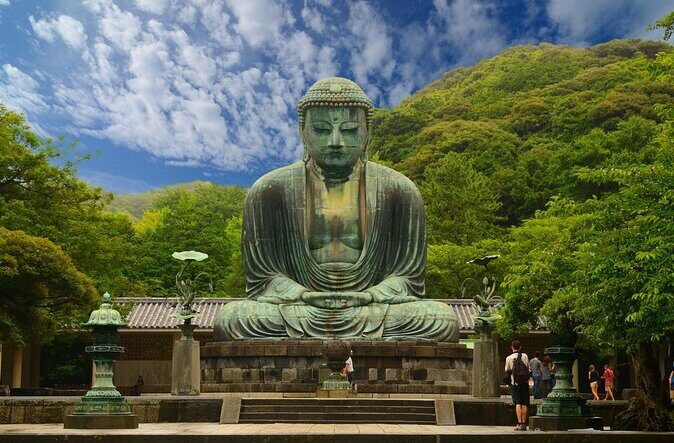
- Kotoku-in’s Great Buddha is a major icon, and you’ll get dedicated time there
- Hasedera Temple includes classic Kannon heritage and a temple-garden feel
- Komachi-dori gives you a chance to snack and browse without rushing
- Enoshima’s Benten Bridge and beach deliver the island mood and sea views
Why a private Kamakura and Enoshima day beats DIY
Kamakura and Enoshima are the kind of places you can reach by public transport. But once you add waiting, station changes, and the reality of crowds, it turns into a schedule problem. With this tour, you get a clear route and time built in for each stop.
I like that you’re not trying to cram everything into tight connections. You’re also not spending mental energy figuring out where to go next. Instead, you can focus on what’s on the ground: bronze, stone steps, shrine gates, and the change in scenery as the day shifts from city to coast.
And because it’s private (up to 6 people), you can match the pace to your group. If you want to linger for photos at the Buddha, you can. If you’d rather get moving before it gets crowded, that works too.
You can also read our reviews of more private tours in Tokyo


Door-to-door pickup: the comfort factor that actually matters
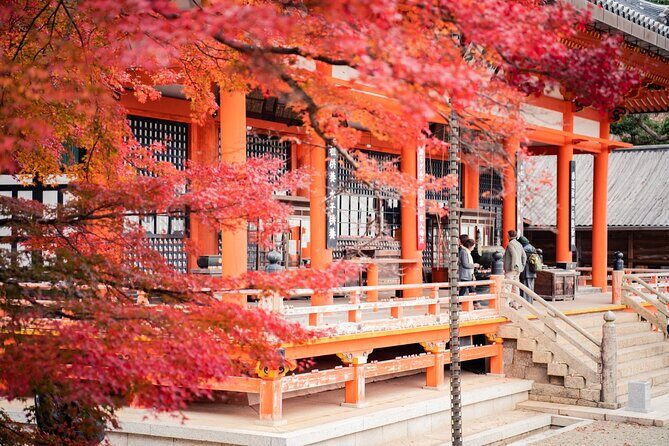
The tour includes round-trip transfers from your address in Tokyo, plus an air-conditioned vehicle and bottled water. That sounds like “nice,” but it’s more than comfort. It’s time you get back and stress you avoid.
If you’ve done day trips in Japan, you know the trick: the hardest part isn’t the destination. It’s managing the jump from one transport line to another while everyone’s hungry. This setup handles the travel leg so your sightseeing starts earlier in a calmer state.
Another practical benefit is flexibility. A private driver can handle the flow of the day. If traffic changes or you want a longer stop at a temple, you’re not stuck trying to “make the last train.”
Your driver: bilingual, friendly, and good at time management
The driver experience is a real selling point here. In past groups, guides named Mukarram and Abdul stood out for being friendly and helpful. One big theme was how they gave guests space to take their time at stops instead of herding everyone along.
That matters because the best parts of Kamakura and Enoshima don’t happen at one exact timestamp. You need time for small detours: a side path in a temple garden, a better angle for a photo, or an extra moment listening to the rhythm of the place.
Also, a bilingual driver helps you navigate the “how do I get there” and “what should I notice” questions in real time. It’s not just language. It’s context. You’re more likely to understand what you’re seeing while you’re standing in front of it.
Kotoku-in and the Great Buddha: what 1 hour feels like
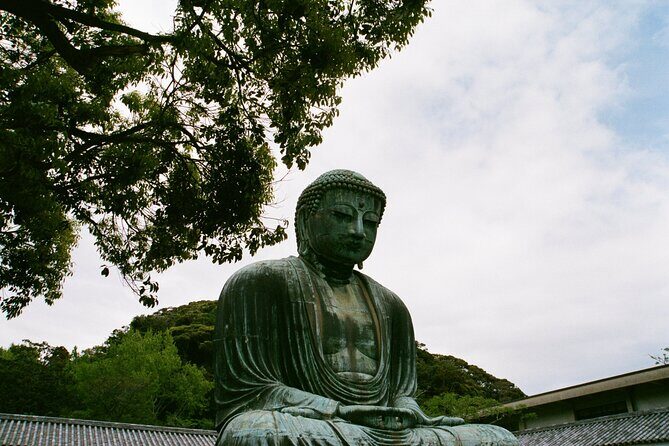
Your first major stop is Kotoku-in (the Great Buddha of Kamakura). This is one of Japan’s most famous outdoor bronze statues—Amitābha, set in a historic setting. It’s also a designated National Treasure, which is a fancy way of saying it’s significant, protected, and not some casual photo spot.
You get about 1 hour, and admission for the Great Buddha area is ¥300 per person (not included). One practical tip: treat that hour like it has two parts—time to look carefully, then time to slow down for photos and photos that don’t look like you were rushed.
The great thing about the Great Buddha is the scale. Even if you’ve seen photos before, being there changes the experience. The bronze tones, the surrounding structure, and the way visitors move around the courtyard all help you feel why this became such an icon.
Potential drawback: outdoor sights mean you’re at the mercy of weather and light. If it’s bright, you’ll want to manage glare. If it’s rainy, it’s still doable, but you’ll move a bit slower.
Tsurugaoka Hachimangū Shrine: time for the center of town
Next up is Tsurugaoka Hachimangū Shrine, the most important Shinto shrine in Kamakura. The shrine sits at the cultural and geographic center of the city, so you’re not just visiting a monument—you’re stepping into the heart of Kamakura’s identity.
You’ll spend about 2 hours here. That’s a good amount of time because shrine visits aren’t one-dimensional. You want time to walk, observe smaller details, and get a feel for the layout instead of rushing through the main areas like a checklist.
Also, shrines in Japan often reward slow looking: the approach, the gates, the textures, and the way the grounds are used throughout the day. Two hours is what you need to do that without constantly checking the clock.
If you’re the type who loves architecture and sacred spaces, this is a highlight. If you’re not, you’ll still appreciate it because it’s so clearly central to the area.
A few more Tokyo tours and experiences worth a look

Hasedera Temple: classic Kannon heritage and garden time
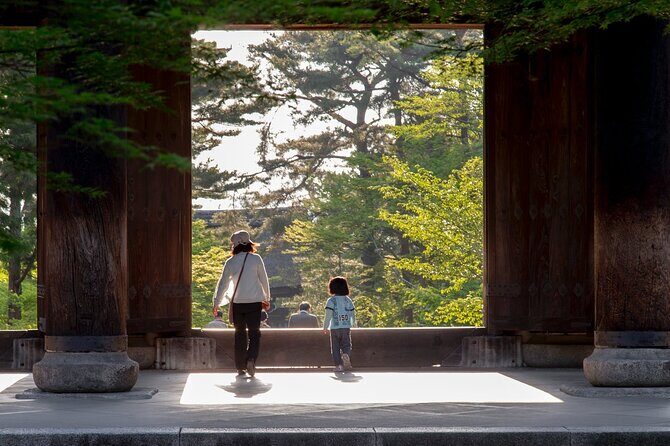
After the shrine, you head to Hasedera Temple, known for its Kannon tradition. Around 1,300 years ago, two sculptors carved Kannon statues out of a sacred tree, and one of those statues was enshrined here. It’s commonly called the Eleven-headed Kannon.
You get about 1 hour, and the best way to use it is to pace yourself. Temple grounds can feel like a series of small experiences: viewing areas, paths, and moments where the setting makes you slow down without forcing you to.
A lot of people love Hasedera for the atmosphere and the surrounding grounds. In particular, I’d watch for garden-style views and the way the temple sits in relation to the hillside paths. If you’ve got camera fatigue after the shrine, you’ll likely reset your eyes here.
Possible drawback: stairs. Temple sites often mean steps, and this one is no exception. If you know you tire quickly on uphill or long stair sections, go slower early and don’t save all your energy for later.
Komachi-dori and the snacks-and-shops reset
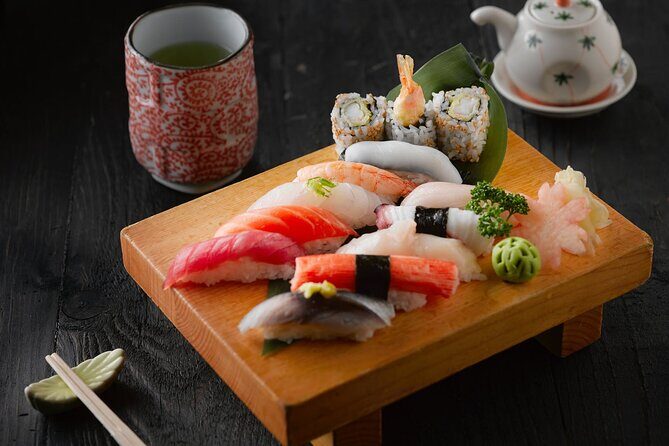
Then you arrive at Komachi-dori, the main street area in Kamakura. It’s famous for being busy, which is part of its charm: you get that “this is a living town” energy rather than only historic stone and empty courtyards.
You’ll have about 45 minutes, and admission here is free. This is a smart slot in the itinerary. It acts like a reset button after temples. You can browse, pick up snacks, and wander without having to think about tickets or strict time limits.
The street is also a common place to find bargains and noodles. If you’ve got a sweet tooth or want something easy to eat on the move, this is usually where you’ll feel the payoff.
One consideration: since it’s a main street, it can feel crowded. Keep your group together and set a simple meetup point before you split for snacks. Crowds + loose plans = unnecessary stress.
Enoshima Benten Bridge: the island gateway
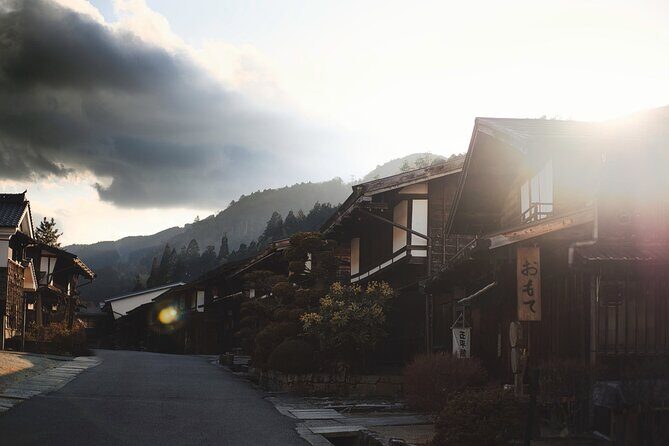
Now comes the coast. You’ll cross Enoshima Benten Bridge, which links Enoshima Island to Katase Town. The tour gives you about 30 minutes, and it’s free.
This isn’t just a photo bridge. It’s a transition moment. You’re leaving Kamakura-area streets behind and heading toward an island setting where the views start to matter more than the shopping lanes.
The bridge also helps you pace the day. You’re not jumping from shrine to beach with no in-between. You’re moving gradually into the sea environment, so the change in scenery doesn’t feel abrupt.
Enoshima Beach: sea air and the Mount Fuji maybe-factor
Finally, you’ll spend time at Enoshima Beach for about 1 hour. Enoshima is a small offshore island—about 4 km in circumference—and it sits at the mouth of the Katase River. It’s part of Fujisawa city administratively, and your time here is about relaxing and soaking up the coast.
This stop is free, and it’s a great place to breathe after lots of temple walking. You’ll get that classic beach mood: salty air, open space, and a slower rhythm.
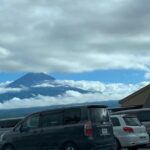
One bonus: you might catch a view of Mount Fuji from the island area, depending on visibility. In a previous group experience, guests noted an unexpected view of the summit from higher up. I’d treat that as a nice possibility rather than a promise, but it’s exactly the kind of reward that makes a day trip feel special.
Timing, pace, and what to do with your 10 hours
About 10 hours total is a full day, not a casual half-day. The stop times are spread like this: 1 hour at Kotoku-in, 2 at Tsurugaoka Hachimangū, 1 at Hasedera, 45 minutes for Komachi-dori, 30 minutes at Benten Bridge, and 1 hour on Enoshima Beach.
That adds up to a lot of moving parts, but it also avoids the worst problem of DIY trips: getting stuck somewhere too long and then rushing the rest. Here, you get a set window at each place, so you can enjoy without worrying you’re about to miss the “main event.”
My advice is simple: don’t try to do extra add-ons beyond what the tour covers. If you want shopping time, use Komachi-dori. If you want coastal time, commit to Enoshima. You’ll have a better day by saying yes to the planned stops rather than chasing side detours.
Price and value: what you’re really paying for
The price is $448.10 per group, for up to 6 people. That’s not cheap if you’re traveling solo. But the real value is that the cost is for a private vehicle with a bilingual driver and door-to-door transfers from Tokyo, plus bottled water.
For groups, it can feel more reasonable because the per-person cost drops when more people share the vehicle. If you compare this to paying for trains, multiple taxi hops, and the time cost of navigating connections, the private format starts to make sense—especially on a day when you want smooth timing.
Also, the included time matters. Two hours at a shrine, an hour at a major temple, time to walk Enoshima—this isn’t a “drop you off and good luck” arrangement. It’s a managed route that helps you actually enjoy what you paid to see.
One cost to remember: Great Buddha admission (¥300 per person) is not included. Everyone should budget that small extra amount. It won’t break the day, but it keeps you from getting surprised at the entrance.
Small logistics that can shape your comfort
You’ll be in an air-conditioned vehicle, and bottled water is included. Good. Still, bring a small day kit:
- Comfortable shoes for temple steps and shrine walkways
- A light layer for sea wind on Enoshima
- A way to handle cash for the Great Buddha entrance fee
If weather matters to you (it should), this tour requires good weather. If the operator has to cancel due to poor weather, you’re offered a different date or a full refund, so you’re not stuck.
The bottom line: this is a “plan-forward” day trip. If you show up ready to walk and enjoy, it delivers.
Should you book this Kamakura and Enoshima private tour?
I think you should book if you want a stress-light day with real structure. This is especially worth it when:
- You’re traveling with up to 6 people and want the math to work
- You’d rather spend energy on sightseeing than on trains
- You care about a smoother experience and appreciate a driver who can keep things on track
You might skip it if you’re the kind of traveler who loves self-directed train hopping and doesn’t mind figuring out timing on your own. Also, if stairs and long outdoor walks are a problem for you, keep expectations realistic.
Overall, this is a solid, well-paced way to see Kamakura’s major spiritual sites and then unwind by the sea at Enoshima—without turning your day into a transportation homework assignment.
FAQ
Is pickup offered from Tokyo?
Yes. The tour includes round-trip transfers from your address in Tokyo.
How long is the Kamakura and Enoshima tour?
It runs about 10 hours.
Is this a private tour?
Yes. It’s private, and only your group participates.
What is included in the tour price?
The tour includes an air-conditioned vehicle, private transportation, and bottled water.
Are any admission fees included?
The Great Buddha of Kamagaya admission fee is not included and is listed as ¥300 per person.
What if the weather is poor?
The experience requires good weather. If it’s canceled due to poor weather, you’ll be offered a different date or a full refund.