REVIEW · TOKYO
Explore Asakusa’s historic landmarks
Book on Viator →Operated by Japan Wonder Travel · Bookable on Viator
Asakusa makes history feel close. This small-group walk turns the usual photo stops into a route you understand, starting at Kaminarimon Gate and flowing through shopping streets and temple ground where the rules are not always obvious.
I love that your guide explains Senso-ji etiquette in plain terms, including how to properly pray and even how to get fortunes. The one drawback: it’s a lot of walking for up to 3.5 hours, and Nakamise-dori can get crowded, so comfy shoes help.
In This Review
- Key highlights you’ll actually feel
- Entering Asakusa Through Kaminarimon’s Thunder Gate
- Nakamise-dori: Shopping street sense-making (and snack strategy)
- Senso-ji Temple: Etiquette, fortunes, and why it feels different with a guide
- Hanayashikidori: The nostalgic Asakusa stop near the amusement park
- Hoppy Street: Local izakaya energy and easy food-and-drink choices
- Price and logistics: Does $35 feel worth it?
- Timing your Asakusa day: Where the tour fits with meals
- Adding the sushi making class: 1 hour, then you’re done
- Who this Asakusa tour suits best (and who might skip it)
- Should you book this Asakusa landmarks walk?
- FAQ
- How long is the Asakusa landmarks walking tour?
- What is the price per person?
- Where do we meet for the tour?
- Is there an optional sushi making class?
- How big is the group?
- Do I need a paper ticket?
Key highlights you’ll actually feel
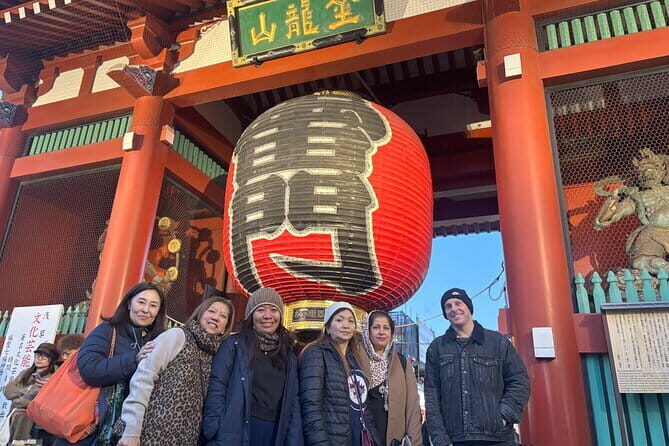
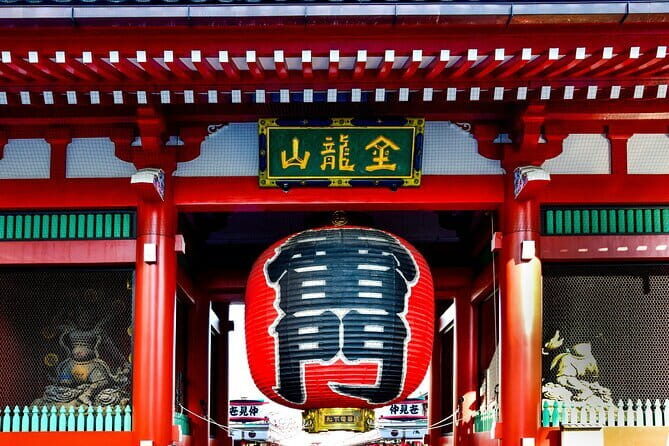
- Thunder Gate photos without the confusion: big red lantern, Fujin and Raijin statues, and exactly where to stand
- Senso-ji etiquette made doable: how to pray, what to do at the main hall area, and what fortunes are about
- Smart shopping help: guides often point you toward the right souvenir sections and gift ideas
- Hanayashiki Street’s old-Tokyo energy: snack and shop stops that feel less like a conveyor belt
- Hoppy Street for easy local food breaks: izakaya vibe and classic drink-and-snack choices
- Optional sushi making (1 hour): add-on class after the walking tour, timed to two daily slots
Entering Asakusa Through Kaminarimon’s Thunder Gate
Your tour starts at the Asakusa Culture Tourist Information Center, then you head straight toward the icon that most people come to see: Kaminarimon Gate, also called the Thunder Gate. It’s a fast first win because you immediately get the visual anchor of Senso-ji—especially the large red lantern in the middle and the statues of Fujin and Raijin on either side.
This is one of those places where being there is great, but knowing what you’re looking at makes it better. A good guide will connect the gate to the main temple area so you’re not just snapping random pictures. You also get a clear sense of direction before the crowds thicken.
A practical note: the gate area is a magnet for photos. If you’re trying to get a shot without a sea of phones, listen to the guide’s timing cues and pick your spots when they tell you to. The best memories here are the ones where your feet aren’t doing the work of your eyes.
You can also read our reviews of more historical tours in Tokyo
Nakamise-dori: Shopping street sense-making (and snack strategy)
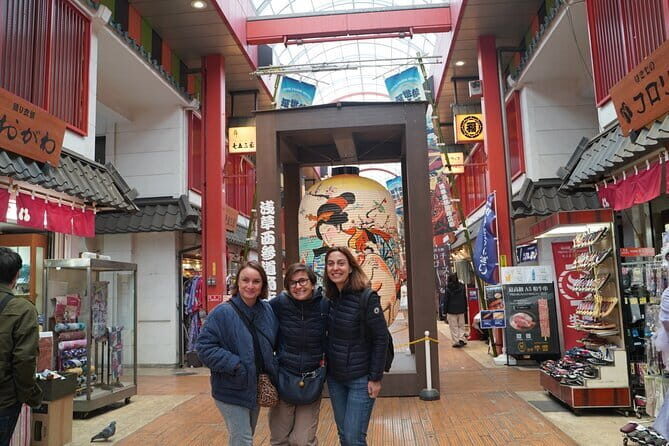
From the Thunder Gate, you walk into Nakamise-dori, the famous shopping street that leads toward Senso-ji. It’s lined with stalls that sell traditional snacks, souvenirs, and small crafts, so it’s easy to feel like you must buy everything immediately.
The value of a guided stroll is that you don’t waste your energy wandering. Your guide can help you interpret what you’re seeing—what’s a common souvenir, what makes a gift feel more personal, and how to avoid getting stuck in the wrong side alleys when you’re trying to keep moving toward the temple.
You’ll also get a natural snack window. Even if you don’t plan a big shopping spree, Nakamise-dori is where you can grab something small and shareable. Think of it as a low-commitment taste test before you decide what you actually want to take home.
One consideration: since the street is a core access route to Senso-ji, it can be busy. If you hate crowds, go with the flow early and keep your hands free so you can move quickly when the group does.
Senso-ji Temple: Etiquette, fortunes, and why it feels different with a guide
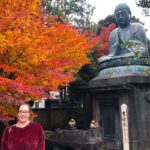
At Senso-ji, you spend enough time to slow down, not just pass through. The temple is dedicated to Kannon, the goddess of mercy, and it’s known as one of Tokyo’s oldest and most famous temple complexes. The main gate area—again, Kaminarimon—tends to be the photo hub, but the meaning shows up when you know what the ritual steps are for.
This is where the guides earn their money. Many guides provide straightforward instructions on worship etiquette—what to do when you approach, how to behave respectfully, and what each gesture is meant to communicate. If you’ve ever felt awkward standing there while everyone else seems to know the flow, you’ll appreciate having someone explain the steps clearly.
You also learn how fortunes work in this setting, including what people do to receive them. In plain terms, it’s a tradition tied to reflection and luck, not magic. Getting the routine right matters because temple areas are full of symbolism, and a guide helps you read that without turning it into a test.
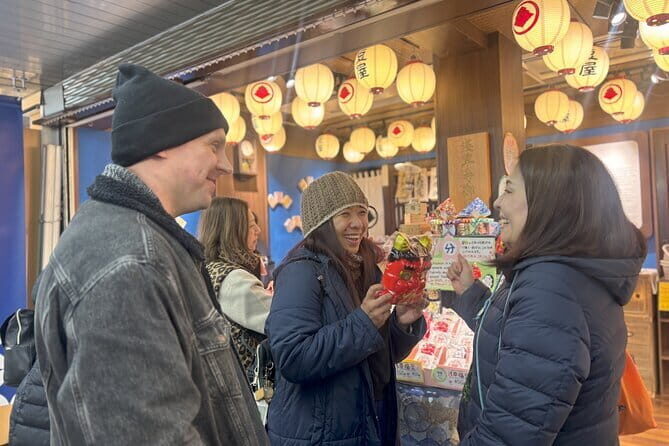
And yes, the practical side matters too. In past experiences, guides have been attentive about questions and even helped with photos at the moments that matter. If you’re with family, a guide teaching both adults and a parent how to pray can make the whole experience feel more together and less stressful.
If you want the most value here, treat this stop as your “culture checkpoint.” Ask about anything that feels confusing—ritual steps, symbols, or what souvenirs mean once you know the context. That’s often when the tour stops feeling like sightseeing and starts feeling like understanding.
Hanayashikidori: The nostalgic Asakusa stop near the amusement park
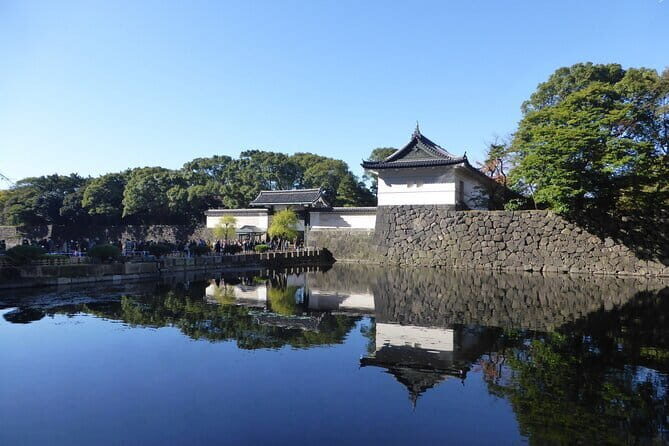
After the temple hub, the route shifts to Hanayashikidori, a lively street near Senso-ji named for Hanayashiki, which is Japan’s oldest amusement park. This is a different mood than the main approach route. The focus is more on the old-school feel—small shops, cafés, and classic snack choices—so you can loosen up after the formal temple area.
This stop is especially useful if your brain is tired from crowds. It gives you a calmer lane to browse and pick up small things that don’t feel like forced tourist merch. You can also use this time to think about your next meal. Guides often know where people go for straightforward, crowd-appropriate food without turning it into a long detour.
The trade-off is simple: this isn’t a “big single landmark.” It’s a street experience. So if you only want heavyweight monuments and nothing else, you might feel like you’re doing a bonus walk rather than a major destination. If you want old Tokyo flavor, it’s a nice change of pace.
Hoppy Street: Local izakaya energy and easy food-and-drink choices
Then comes Hoppy Street, a street with lots of izakayas—Japanese pub-style spots—that serve a popular drink called Hoppy. Even if you’re not planning a late night, this area is a great place to sense everyday Asakusa culture: people come for yakitori, oden, and simple comfort food.
Your guide can help you read what’s going on so you don’t feel like you need to order perfectly. If you’re the type who wants to try a local beverage but doesn’t know where to start, this is a low-stress zone for that. It’s also a good moment to ask where locals would eat for lunch or dessert if you’re still on day-one energy.
One practical reality: izakaya streets can get louder as evening approaches. The tour segment you get is short, so you’re not committing to a full meal unless you choose to. Use it as a “taste the vibe” stop, then decide what you want to do next.





Price and logistics: Does $35 feel worth it?
The price is $35 per person, and that’s for a guided walk that runs about 1.5 to 3.5 hours depending on whether you add sushi making. On average, it’s booked about 54 days in advance, which tells me it’s a popular slot for people who want an early orientation plan in Asakusa.
Here’s what you’re really paying for. First, the guide’s job is not just walking with you—it’s helping you understand the temple and street culture quickly. Second, the group size is capped at 8 travelers, which matters because it makes Q&A and photo help more practical. Third, you’re using a mobile ticket, so you’re not juggling paper.
Admissions for the main sights on the route are free based on the listed stops, which is another reason the value can be good. The real costs on this kind of tour are almost always what you choose to buy: snacks, souvenirs, and whatever you eat after the tour.
One more note: you’ll want moderate physical fitness. This is a walking route, and the schedule is tight enough that breaks are limited. If you know you tire quickly in the middle of the day, plan your footwear and pacing carefully.
If you care about flexibility, the experience offers free cancellation up to 24 hours before. That’s useful in a city like Tokyo where weather and energy levels change fast.
Timing your Asakusa day: Where the tour fits with meals
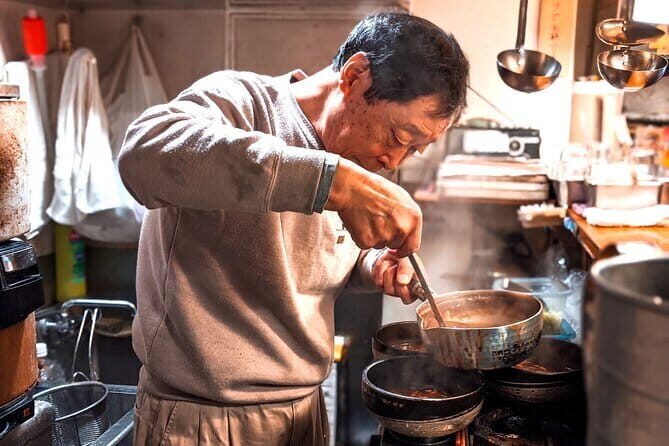
A smart way to use this tour is to place it early in your Asakusa plan, especially if it’s your first time in the area. You’ll come away with direction for where to browse, where to pause for photos, and what areas to prioritize later on your own.
The tour ends back at the meeting point, so you aren’t stuck far from transit. That matters if you’re hopping to another neighborhood after. Also, since the meeting spot is near public transportation, you can keep your broader day easy.
For your daily rhythm, think of it like this:
- Temple area first for context and etiquette
- Shopping streets next for snacks and browsing
- Izakaya street last for a local flavor check
That order keeps the most structured part of the day at the time when you’re most attentive.
Adding the sushi making class: 1 hour, then you’re done
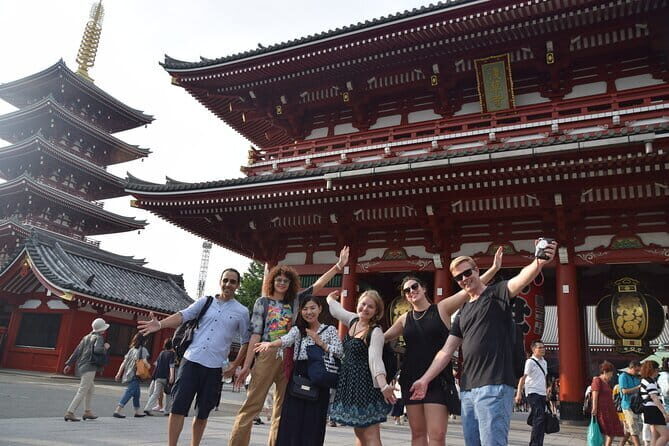
There’s an optional sushi making class you can tack on after the Asakusa walk. It’s a full 1-hour session, and it runs at two different times: 12:30–13:30 or 15:30–16:30. The tour duration stretches up to about 3.5 hours when you add this.
If you’re deciding whether to add sushi, pick based on how you like to spend your time in Japan. If you enjoy hands-on food experiences, it’s a strong add-on because it turns your day from watching culture to doing culture. If you already have food classes planned elsewhere, you might skip it and put that time into more independent exploring around Asakusa streets.
Also consider meals. The class times can collide with lunch or late-afternoon plans, so it helps to pick a day when you’re not rushing to another ticketed activity right after. You’ll enjoy the experience more when you can eat normally afterward instead of squeezing it between trains.
Who this Asakusa tour suits best (and who might skip it)
This experience is a great match if:
- It’s your first time in Asakusa and you want orientation fast
- You care about temple etiquette and want clear, practical guidance
- You want a small group experience with room for questions
- You want photo stops that don’t feel random
- You like mixing big landmarks with street-level culture
It may be less ideal if:
- You hate walking and long crowded stretches
- You prefer fully independent exploring with no scheduled route
- You’re already a temple-etiquette pro and you want more off-the-beaten-path time beyond these streets
Should you book this Asakusa landmarks walk?
I’d book it if your goal is simple: get your bearings in Asakusa, understand what you’re seeing at Senso-ji, and leave with a clearer plan for snacks, souvenirs, and where to go next. The small group size and the fact that guides help with etiquette, questions, and even photo moments makes the $35 feel reasonable rather than like you’re just paying for a walk.
If you’re on the fence, decide based on two things. First, do you want help turning iconic sights into meaningful stops? Second, do you want the option to add the 1-hour sushi class at 12:30–13:30 or 15:30–16:30?
For most first-time Asakusa visits, this is a smart way to get started without wasting the best hours of the day guessing.
FAQ
How long is the Asakusa landmarks walking tour?
The experience runs about 1 hour 30 minutes to 3 hours 30 minutes, depending on whether you add the optional sushi making class.
What is the price per person?
It costs $35.00 per person.
Where do we meet for the tour?
You meet at Asakusa Culture Tourist Information Center, 2-chōme-18-9 Kaminarimon, Taito City, Tokyo 111-0034, Japan. The tour ends back at the meeting point.
Is there an optional sushi making class?
Yes. You can add a 1-hour sushi making class after the Asakusa walking tour. Class times are 12:30–13:30 or 15:30–16:30.
How big is the group?
The tour has a maximum of 8 travelers.
Do I need a paper ticket?
No. You’ll use a mobile ticket.