REVIEW · TOKYO
From Tokyo: Mount Fuji Private Day Tour
Book on GetYourGuide →Operated by EFG CARS · Bookable on GetYourGuide
Mount Fuji looks different when you’re not stuck in a bus schedule. This private 10-hour charter car gives you a calm, door-to-door ride out from central Tokyo, with enough freedom to shape the day around the weather and your pace. I like that the plan is built around classic Fuji highlights (think Arakurayama Sengen Park and the springs of Oshino Hakkai), not random roadside stops. The trade-off is simple: a tour guide isn’t included, and drivers only have basic English, so you’ll get more from the day if you’re ready to use translation (or add a guide).
Two things I really like: you get the privacy and comfort of a dedicated car with pickup and drop-off within Tokyo’s 24 wards, and you can choose routes and stops instead of following a fixed group agenda. The day’s structure also makes sense—Fuji viewpoints first, then lakes, then Oshino Hakkai—so you’re not bouncing around constantly. One drawback to weigh up front: entrance fees and lunch aren’t included, and if you want deeper explanations at each stop, you may need the optional guide add-on to bridge the language gap.
In This Review
- Key things that make this Mount Fuji day tour work
- Why a private Mount Fuji charter beats a rigid day trip
- Getting from Tokyo: pickup zones, comfort, and traffic reality
- Arakurayama Sengen Park: the classic pagoda-and-Fuji photo moment
- Sengen Shrine and the Fuji heritage side of the day
- Fujinomiya 5th Station: go if the weather gives you a break
- Lake Yamanaka (and how lake stops change the mood)
- Oshino Hakkai: eight springs, clean water, and an easy win
- The language gap: how to make the day smooth without a full guide
- Lunch, photos, and prayer/food needs: plan the human details
- Price and value: $483 for up to 6, and what you’re really paying for
- Quick checklist: what to ask your driver before you roll out
- Should you book this Mount Fuji day tour?
- FAQ
- How long is the Mount Fuji private day tour?
- What is included in the price?
- Is a tour guide included?
- Where does pickup and drop-off happen?
- What languages can the driver speak?
- Are entrance fees and lunch included?
- Can the itinerary be customized?
- Is there an overtime fee?
- Is the tour wheelchair accessible?
- What group size and vehicle capacity should I expect?
Key things that make this Mount Fuji day tour work
- Private door-to-door pickup in Tokyo’s 24 wards, with a meet-and-greet to get you moving fast
- Flexibility with routes and pace, so you can adjust when clouds roll in or traffic runs long
- Fuji viewing highlights built into the day, including Arakurayama Sengen Park and (weather permitting) Fujinomiya 5th Station
- Lake time for calmer views, with Lake Yamanaka in the core flow (plus room for Fuji-lake options depending on timing)
- Oshino Hakkai’s eight springs, a classic stop that’s easy to enjoy without rushing
- Comfort and smooth logistics, including an air-conditioned vehicle and parking fees in the included list
Why a private Mount Fuji charter beats a rigid day trip
Mount Fuji day tours can feel like a slideshow: get off, take photos, get back on. This style of tour is different because it’s built around one group and one vehicle. You’re not negotiating with strangers for where to stand, and you’re not stuck waiting for slow walkers to finish a shop stop.
I also like that the day is designed to match what actually matters on Fuji days: visibility and timing. If you can see the mountain clearly, you’ll want your best viewpoints. If the weather is moody, you’ll still have lakes, shrines, and the clear-water feel of Oshino Hakkai to make the day feel complete.
That flexibility is the real value here. A private charter doesn’t guarantee good weather, but it helps you react to it.
You can also read our reviews of more private tours in Tokyo


Getting from Tokyo: pickup zones, comfort, and traffic reality
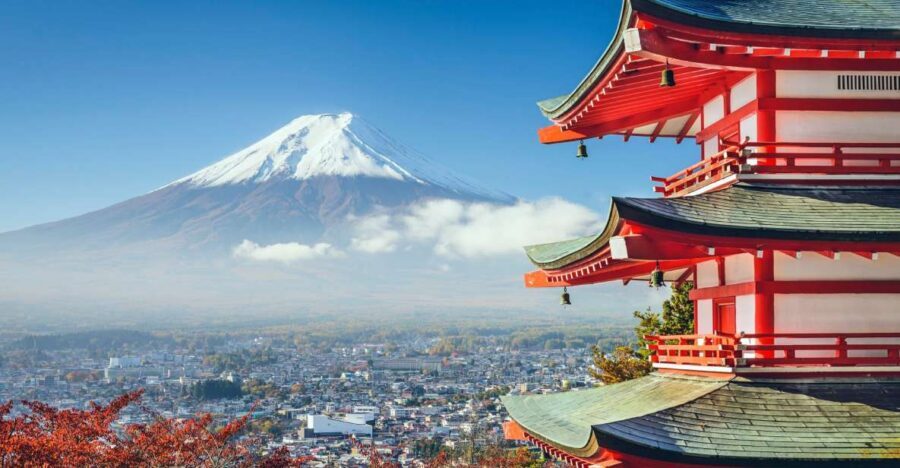
You start with hotel or station pickup in Tokyo City Center (Tokyo’s 23 wards plus Adachi, as the operator defines it). Central neighborhoods like Shinjuku, Shibuya, Ginza, and Ikebukuro are specifically named, which is a strong sign this tour is aimed at visitors who don’t want to “solve Tokyo logistics” before they even reach Fuji.
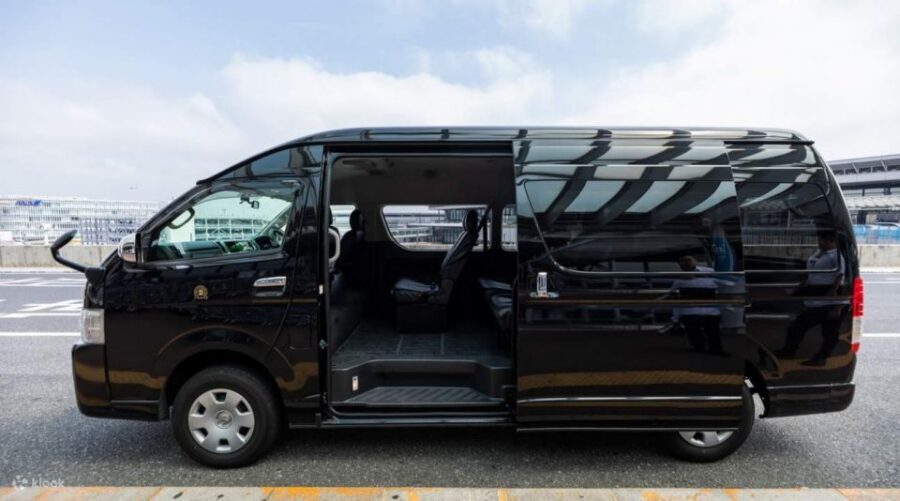
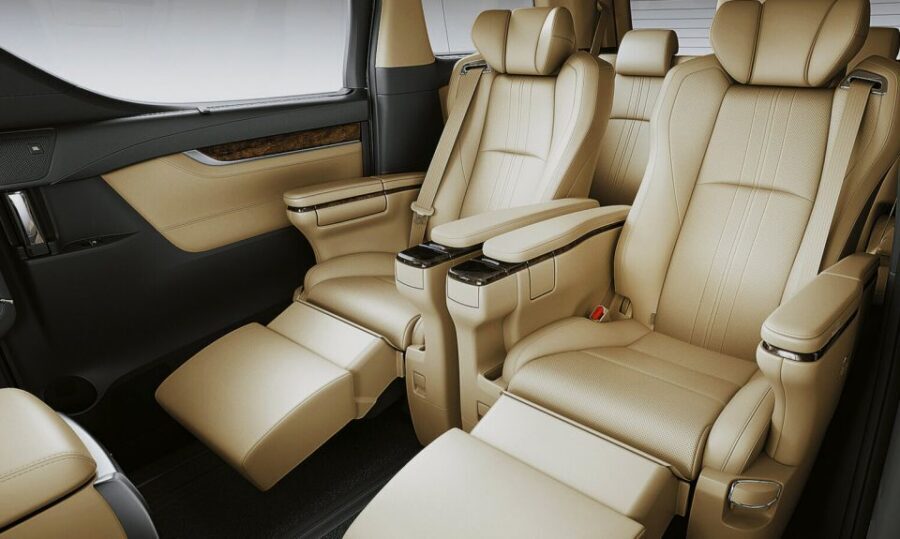
Your ride is a 10-hour private charter in an air-conditioned vehicle with parking fees included. That matters more than people think. Once you’re in the Fuji area, parking rules and walk-from-parking distances can turn a “simple” stop into a stressful scramble. Here, you can focus on the sights and let the driver handle the driving and timing.
Still, traffic is the wildcard. One past booking flagged a situation where return timing affected charges. The tour includes overtime billing of 5,000 yen per hour paid onsite, so it’s smart to plan for possible delays (especially on weekends and during peak holiday weeks).
Arakurayama Sengen Park: the classic pagoda-and-Fuji photo moment
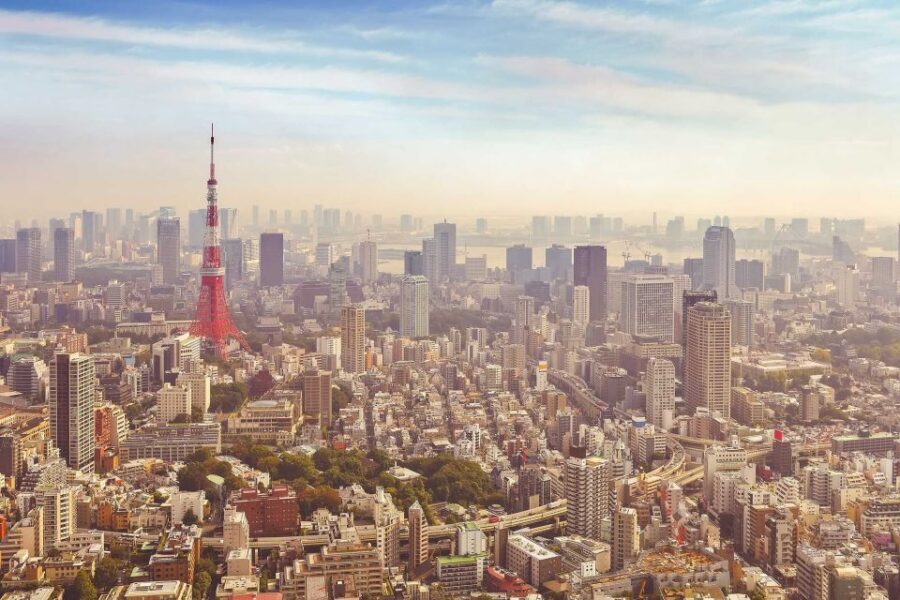
If Fuji is the headline, this is the cover photo. Arakurayama Sengen Park is where you go for strong mountain views and the famous five-storied red pagoda setting. Even if you’re not chasing perfect Instagram angles, the layout helps: you’re not just staring at a distant peak. You’re walking a spot with built-in viewpoints.
Why this stop is valuable on a private day:
- You can linger when visibility is good.
- If clouds shift, you can change your angle without losing the whole group schedule.
- The time you spend here sets the tone for the rest of the day—either the mountain is showing off, or you pivot to softer scenery.
Practical note: it’s a walking stop. If your group includes anyone with mobility limits, tell the driver early so the route and pace can be adjusted. (Wheelchair accessibility is listed as available, but you still want to confirm how that plays out at each site once you’re on the ground.)
Sengen Shrine and the Fuji heritage side of the day
This tour includes Sengen Shrine as a featured spot option. Even without a full guide, this kind of shrine stop helps you experience Fuji as more than just scenery. It’s part of the cultural layer that makes the mountain important in Japanese life.
I find these stops work best as a breather between bigger viewpoint moments. You’re shifting from “look at Fuji” to “feel the place.” And because this is private, you can spend less time where you’re not interested and more time where it clicks.
One thing to keep in mind: entrance fees aren’t included, and a shrine stop may still require some payment depending on what specific areas you enter. Also, since drivers have only basic English, you might not get as much background unless you add an English/Japanese/Chinese/Thai guide.
Fujinomiya 5th Station: go if the weather gives you a break
Your plan includes a stop at Fujinomiya 5th Station if seasonal weather conditions allow. That clause is doing a lot of work. Higher elevations can offer big views, but fog and cloud cover can erase the payoff fast.
In a private setup, that uncertainty is easier to manage. If the day is clear, you can spend time where it matters. If the weather turns, your driver can help you keep the day enjoyable without forcing a “failed” viewpoint that costs time and energy.
If you’re the type who hates missing out, you might feel pressure to go to the station. My advice: don’t treat it as mandatory. Treat it as a conditional bonus. The rest of the day—park viewpoints, lakes, Oshino Hakkai—still gives you a complete Fuji experience.






Lake Yamanaka (and how lake stops change the mood)
After viewpoint intensity, Lake Yamanaka is where the day gets quieter. You get a calmer setting to admire Mount Fuji across the water. Even when the mountain isn’t fully clear, lakes have a way of making the scene feel peaceful rather than frustrating.
Why this part of the itinerary works:
- Lakes give your feet a rest.
- You can take photos from different angles without “chasing” the mountain up a trail.
- It’s a natural buffer between major sights.
The tour also mentions Lake Kawaguchi as a place you might visit. Since the operator says you can choose between recommended routes and customize, ask your driver early whether there’s time for Kawaguchi-style views versus Yamanaka, based on your priorities and what the weather is doing.
Oshino Hakkai: eight springs, clean water, and an easy win
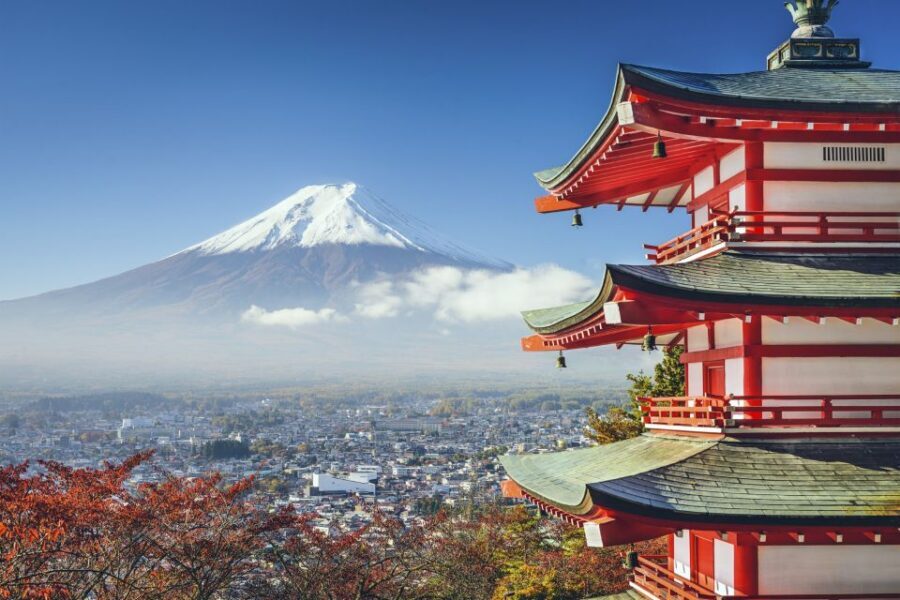
Then you finish with Oshino Hakkai, the area known for eight aquifer-fed springs. This stop is such a reliable payoff because it’s concrete. You don’t need perfect clouds; the water features and the walk-through setting are the point.
I like Oshino Hakkai for two reasons:
- It’s structured enough that you won’t feel lost.
- It’s memorable even without a ton of narration, because the visual experience is the story.
You also tend to spend time here comfortably—less like a quick “checklist item,” more like a calm final chapter before heading back to Tokyo.
The language gap: how to make the day smooth without a full guide
Here’s the honest part. Drivers can speak Chinese, Japanese, and English, but the operator notes they can only speak basic English. That doesn’t ruin the day, but it does change what you’ll learn.
The good news: there’s customer support in English, and you can also add an English-language tour guide service (English/Japanese/Chinese/Thai available). If your goal is not only photos, but also meaning—history, religious context, why certain viewpoints are positioned the way they are—this add-on can be worth it.
I’ve also seen examples of how smooth this can get when communication is handled creatively. Some drivers have used phone translation to help with the day plan and with practical tasks like ordering food, and others have helped with photo timing and angles. Bottom line: if you share your priorities clearly, the driver can do a lot with what they can communicate.
Lunch, photos, and prayer/food needs: plan the human details
Lunch isn’t included, so you’ll be choosing where to eat. This is one of the most personal parts of the day. If you want something specific—vegetarian, halal, or just a place with quick service—tell the driver early and ask for recommendations along the route.
One booking notes the ability to stop for prayer and halal meals near the Mount Fuji area. That’s not a guarantee for every day, but it’s a strong sign the driver network and planning process can adapt to different needs if you ask ahead.
For photos: this kind of route can actually help you get better shots because you’re moving between viewpoints without rushing. Some drivers have also shared tips for getting the best photos from different locations, which is exactly what you want if you don’t want to spend the whole day guessing angles.
Price and value: $483 for up to 6, and what you’re really paying for
The price listed is $483 per group up to 6 for a total 10 hours. Private car tours are expensive in Japan compared with group transport, so value comes down to how you use the flexibility.
- If you fill the vehicle with 6 people, you’re effectively paying about $80 per person for private transport, pickup/drop-off, parking, and the time to hit multiple Fuji highlights.
- If it’s 2 people, the math flips: about $242 per person for the same charter.
So who gets the best deal? People who can actually use the privacy:
- Families with kids (less stress, fewer waits)
- Friends traveling together
- Anyone wanting a specific day pace
- Visitors who don’t want to wrestle with trains and transfers when time matters
Also remember what’s not included: lunch, entrance fees, personal expenses, and food/drinks. If you add up admission costs and your preferred meal stops, the final “all-in” day spend will rise. That doesn’t make the tour bad—it just keeps the budgeting real.
Quick checklist: what to ask your driver before you roll out
Because this is customizable, the questions you ask shape the day more than the brochure does:
- Do you recommend Arakurayama Sengen Park early while the mountain visibility is best?
- Should we prioritize Fujinomiya 5th Station today, given the weather?
- Do you think we should focus on Lake Yamanaka only, or try for Lake Kawaguchi too?
- Where do you recommend for lunch based on our food needs?
- If we have mobility concerns, what pace and stops will feel safest and least tiring?
A driver who can’t do deep narration can still do a great job if you’re clear about what you want to see and how you want to feel during the day.
Should you book this Mount Fuji day tour?
Book it if you want a private, stress-reducing way to see the Fuji highlights with flexibility. It’s especially good for groups up to 6, for travelers who want door-to-door convenience in central Tokyo, and for anyone who prefers going at their own pace instead of racing a group schedule.
Skip it (or budget for add-ons) if you’re hoping for a full tour guide experience included in the price. Because entrance fees and lunch aren’t included and drivers have only basic English, you’ll get more from the day if you’re okay handling translation—or if you add an English-language guide where you want deeper context.
If you’re flexible with weather and you care more about the sights than the lectures, this is a strong way to make Mount Fuji feel like a full, personal day rather than a rushed stopover.
FAQ
How long is the Mount Fuji private day tour?
The tour duration is 10 hours.
What is included in the price?
Hotel pickup and drop-off within Tokyo’s 24 wards, parking fees, an air-conditioned vehicle, private transportation, meet-and-greet service, and a 10-hour private charter service are included.
Is a tour guide included?
No. A tour guide is not included, though you can book an extra tour guide service as an add-on.
Where does pickup and drop-off happen?
Pickup and drop-off are available within Tokyo City Center, which the operator defines as Tokyo’s 23 wards including Adachi, Arakawa, Bunkyo, Chiyoda, Chuo, Edogawa, Itabashi, Katsushika, Kita, Koto, Meguro, Minato, Nakano, Nerima, Ota, Setagaya, Shibuya, Shinagawa, Shinjuku, Suginami, Sumida, Taito, Toshima, and others in that set. Hotels and stations in areas like Shinjuku, Shibuya, Ginza, and Ikebukuro are specifically mentioned.
What languages can the driver speak?
The driver languages listed are Chinese, Japanese, and English, but the operator also states the drivers can only speak basic English.
Are entrance fees and lunch included?
No. Entrance fees to attractions and lunch (as well as food and drinks) are not included.
Can the itinerary be customized?
Yes. You can choose between recommended routes and customize your adventure, and the driver can also suggest adjustments.
Is there an overtime fee?
Yes. Overtime is charged at 5,000 yen per hour and is paid onsite.
Is the tour wheelchair accessible?
Wheelchair accessibility is listed as available.
What group size and vehicle capacity should I expect?
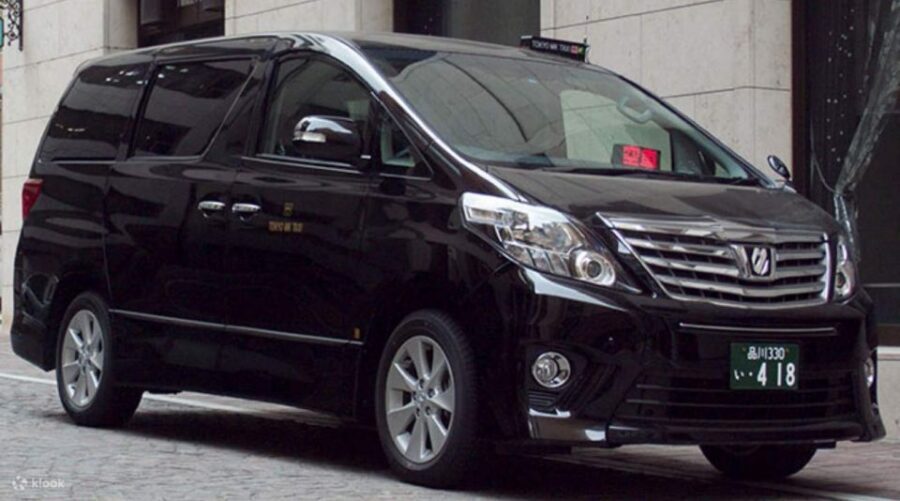
The van can fit 6 passengers without luggage or 5 passengers with 1 luggage per person. A minibus can fit 9 passengers without luggage or 7 passengers with 1 luggage per person. The tour is described as a private group.