REVIEW · KAMAKURA
Kamakura: Great Buddha, Hase Temple, & Komachi Street Tour
Book on GetYourGuide →Operated by Field Trip Plus by Pastel Co., Ltd. · Bookable on GetYourGuide
Kamakura is Japan in a smaller day-trip size. This tour threads together the big sights without turning into a checklist, from the open-air Great Buddha at Kōtoku-in to the local rhythm of the Enoden train. I especially like how the day mixes temples, gardens, and shopping in one logical loop, and I also like that the guide connects what you’re seeing to what it means. One consideration: you’ll do a fair amount of walking and using public transport, and entrance fees and lunch are not included.
I also like the payoff of going with a private group and a professional local guide. On tours like this, having someone like Ena, Shizuko, Mina, or Rie-san guide the story can change the whole day, especially at places where there are lots of statues, halls, and small details to notice. If you want to adjust time for extra shopping in Kamakura, you can, and if you’d rather swap in another stop like Enoshima, you can ask about plan changes.
In This Review
- Key Things to Know Before You Go
- Why Kamakura Works as an 8-Hour Day Trip From Tokyo
- Tokyo Pickup and the Ride That Keeps the Day Moving
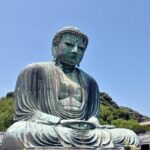
- Kōtoku-in: The Great Buddha That Feels More Open-Air Than Expected
- Hase-dera: Hydrangeas, Wishes, and the Many Faces of Buddhist Art
- Lunch in Kamakura: Seafood Reputation, Your Preferences, and Real Local Stops
- Hokokuji Bamboo Forest: A Short Transfer With a Big Atmosphere Shift
- Tsurugaoka Hachimangu Shrine and Komachi Dori: Where Sightseeing Turns Into Souvenirs
- Price and Value: What You’re Paying $530 For (and What You’ll Still Cover)
- Guides Matter: Why Ena, Shizuko, Mina, and Rie-san Get Mentioned
- How Long You’ll Walk and When to Plan Around Busy Seasons
- Who This Tour Fits Best
- Should You Book This Kamakura Great Buddha, Hase Temple, and Komachi Street Tour?
- FAQ
- How long is the Kamakura Great Buddha, Hase Temple, and Komachi Street tour?
- Is pickup included, and where does it happen?
- What languages are the live guides available in?
- Are entrance fees and lunch included?
- Does the tour use public transportation like the Enoden train?
- Are children allowed, and do they pay?
Key Things to Know Before You Go
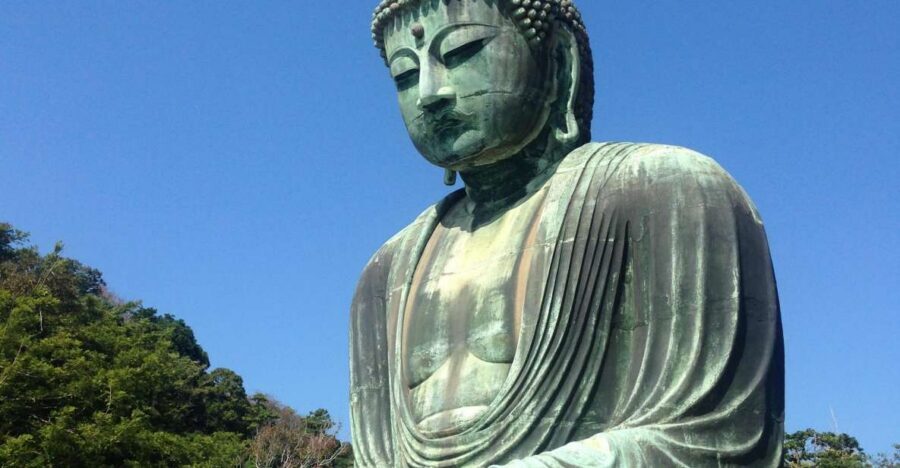
- Open-air Great Buddha at Kōtoku-in: a major sight with a surprisingly outdoor feel.
- Hase-dera flower time: especially known for hydrangeas and other seasonal blooms.
- Enoden local small train: not just transportation, it’s part of the experience.
- Temple-to-shrine flow: Kannon, wealth wishes, then on to Tsurugaoka Hachimangu.
- Bamboo forest at Hokokuji: short bus hop, big atmosphere change.
- Komachi Dori shopping window: souvenirs and locally meaningful items with guidance.
Why Kamakura Works as an 8-Hour Day Trip From Tokyo
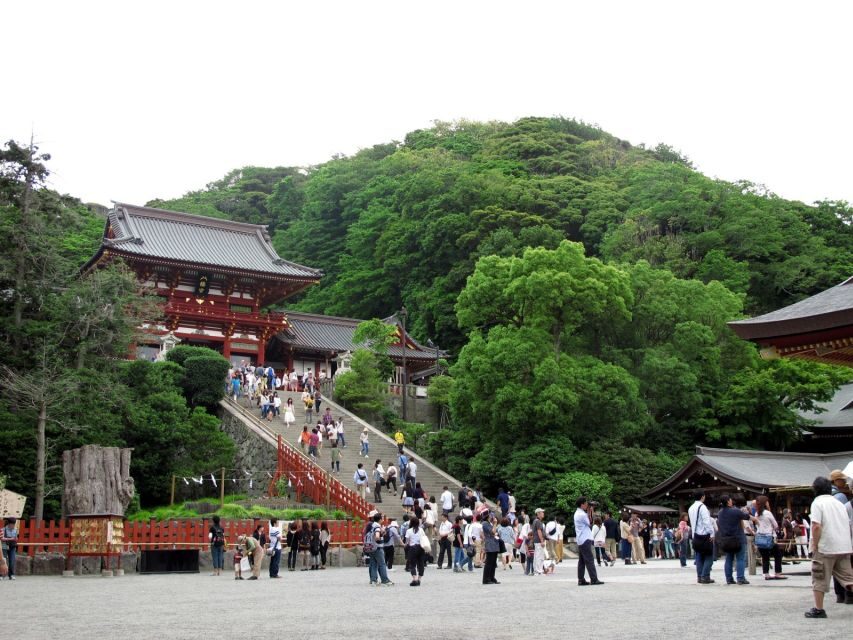
Kamakura is one of those places where you can feel the older Japan without the day turning into a multi-day mission. It’s an ancient capital in Japan’s story, and today it’s a major day-trip destination for both Japanese and international visitors. The geography also helps: sights cluster in a way that lets a guide build a route that doesn’t waste hours.
For me, the best part of a well-built day trip is simple: you spend your energy on the sights, not on figuring out how to stitch everything together. That’s exactly the feel here—pickup from your Tokyo hotel area, then a straightforward progression through the key stops.
You can also read our reviews of more tours and experiences in Kamakura.
Tokyo Pickup and the Ride That Keeps the Day Moving
You start with pickup in Tokyo (Tokyo 23 ward hotel lobbies). That matters more than it sounds. If you’ve ever tried to coordinate trains after a long travel day, you know the stress it adds. Here, your guide is handling the flow, so you’re not bouncing between platforms and ticket machines.
Once you’re on the way to Kamakura, the route uses public transport. You’ll take a JR train for the main stretch, then switch to the Enoden, Kamakura’s small local train. The Enoden part is genuinely worth paying attention to because it slows you down in a good way: you’re not sprinting between stops. You’re getting a feel for the area you’re exploring.
Quick practical note: the tour includes walking and transit. The information you’re given is clear that many stations have limited elevators or escalators. If you prefer stairs avoided, tell your guide early so the route can be adjusted as much as possible within the reality of station layouts.
Kōtoku-in: The Great Buddha That Feels More Open-Air Than Expected
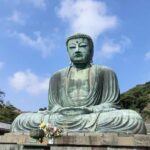
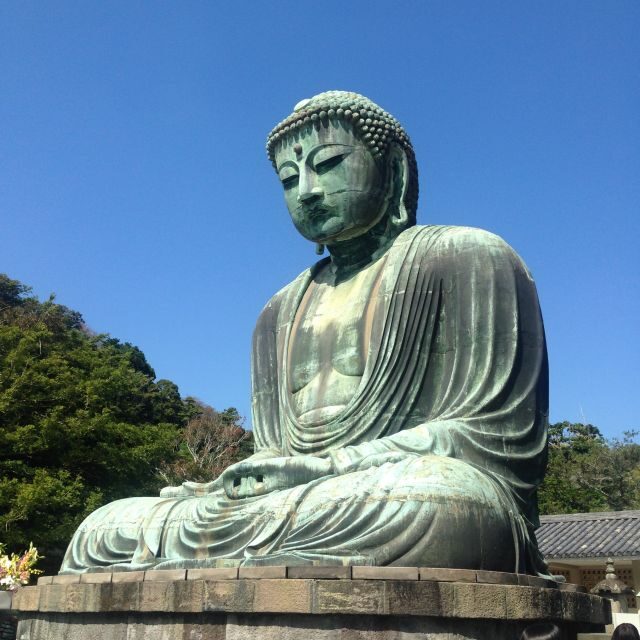
Kōtoku-in is where you meet the Great Buddha, and it’s not the kind of museum-like viewing you might expect. This Buddha is the second largest in Japan and, importantly, it sits in an outdoor setting. That open-air placement changes how you experience it: light moves around the statue, and the space feels more like a place of daily presence than a sealed monument.
What I like about this stop on a guided route is time management. You don’t just arrive and rush. A guide can help you notice the right viewpoints and understand what you’re looking at so it doesn’t become, simply, big-and-impressive. It becomes meaningful.
Potential drawback: because it’s outdoor, weather matters. If you’re traveling during rainy or hot months, wear breathable layers and expect the viewing area to be exposed.
Hase-dera: Hydrangeas, Wishes, and the Many Faces of Buddhist Art
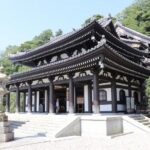
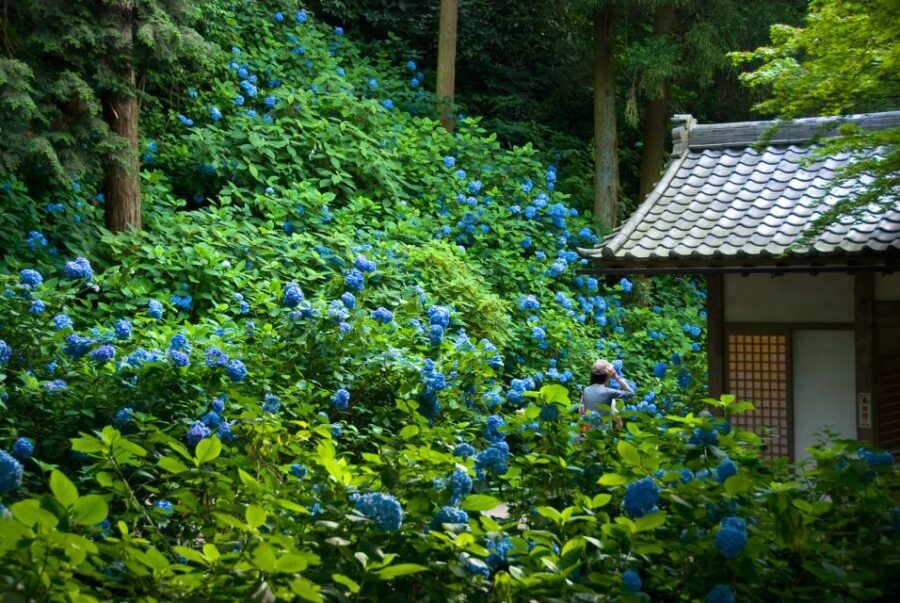
Then you head to Hase-dera, one of Kamakura’s most flower-focused temple spots—especially known for hydrangeas when they’re in season. Even if flowers aren’t in peak bloom on your dates, the temple is built for strolling. A good guide helps you slow down in the right spots so you’re not just walking past highlights.
Hase-dera also has lots of religious art and statues. You’ll encounter Buddha figures, Kannon, and even gods of wealth, and the tour includes time where you can make a wish—specifically, the idea of wishing for riches is part of the experience here. That’s the kind of detail that turns a tourist photo stop into an actual cultural moment.
What to consider: this is another walking stop. If you’re balancing mobility issues, comfortable shoes aren’t a suggestion—they’re the base layer of the day.
Lunch in Kamakura: Seafood Reputation, Your Preferences, and Real Local Stops
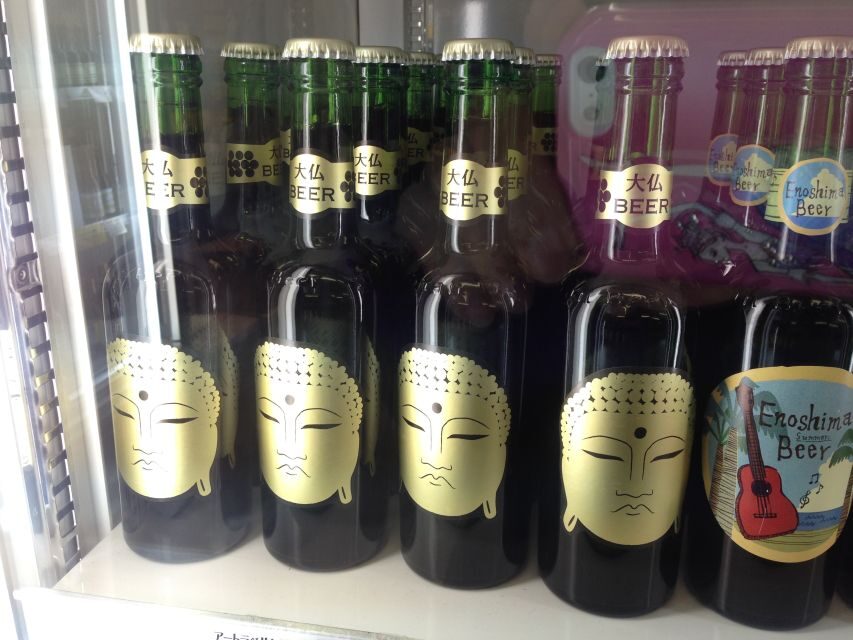
Lunch happens at a local restaurant. Kamakura is famous for seafood, but the tour plan also makes room for your preferences. If you don’t like seafood, other options can be arranged based on request.
I appreciate this because it’s a common problem on day trips: the route assumes one kind of meal. Here, you’re not forced into seafood just because the destination has a seafood identity.
One practical thing to plan for: lunch (for you and the guide) is not included. That means you should carry some cash or use a card you trust, and you should be ready to pay for your chosen meal at the restaurant.
Hokokuji Bamboo Forest: A Short Transfer With a Big Atmosphere Shift
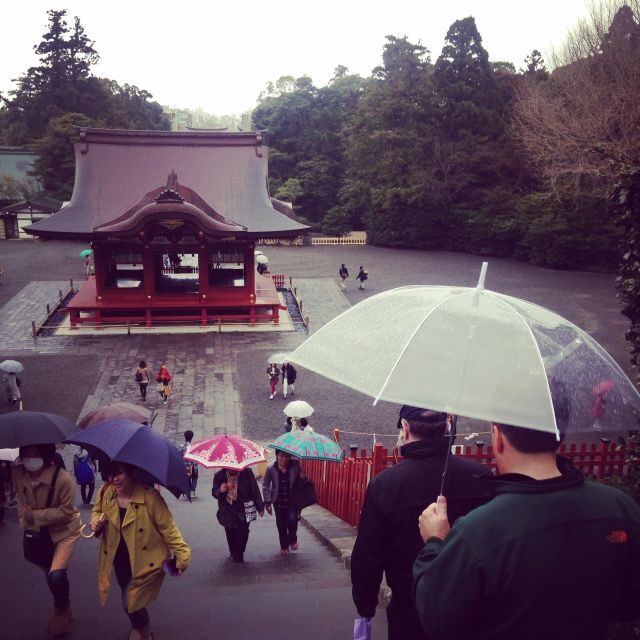
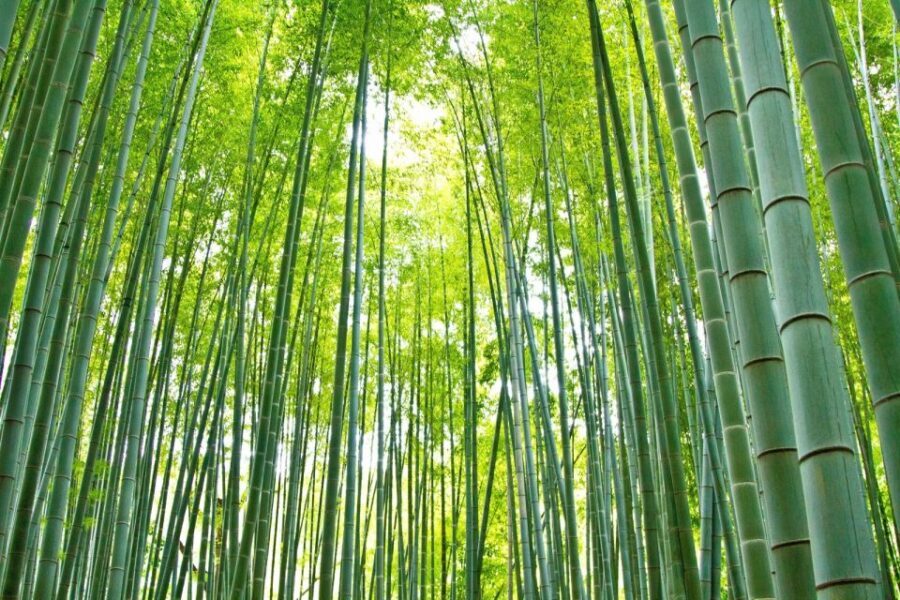
After lunch, you take a bus/coach ride for a brief hop to Hokokuji, known for its bamboo forest. This is the sort of stop that works especially well mid-day, because the atmosphere changes fast. Bamboo creates a corridor feel—sound changes, light changes, and it stops being a shopping-and-sightseeing day and becomes something quieter.
If you’re the type who likes photography, Hokokuji is usually where your camera stops feeling like a chore and starts feeling fun. If you’re not, you’ll still get the benefit: it’s a change of pace that makes the rest of the day feel less compressed.
Tsurugaoka Hachimangu Shrine and Komachi Dori: Where Sightseeing Turns Into Souvenirs
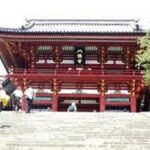
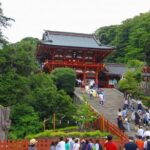
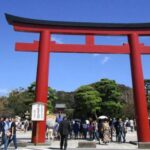
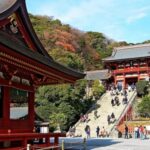
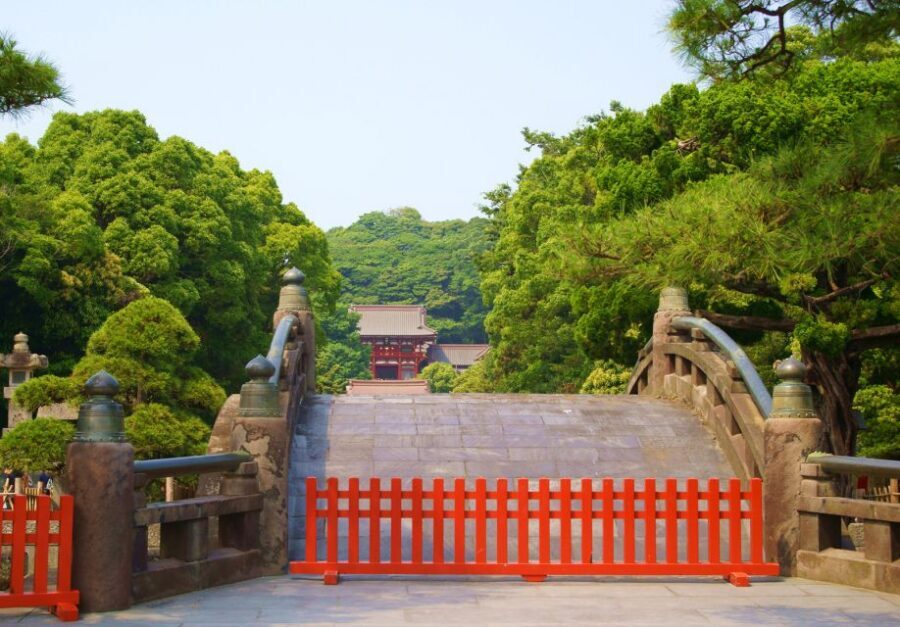
Next comes Tsurugaoka Hachimangu Shrine, with time for sightseeing. Shrines in Japan tend to reward attention to small details—offerings, pathways, and seasonal touches—and a guide helps you understand where to look so you’re not guessing.
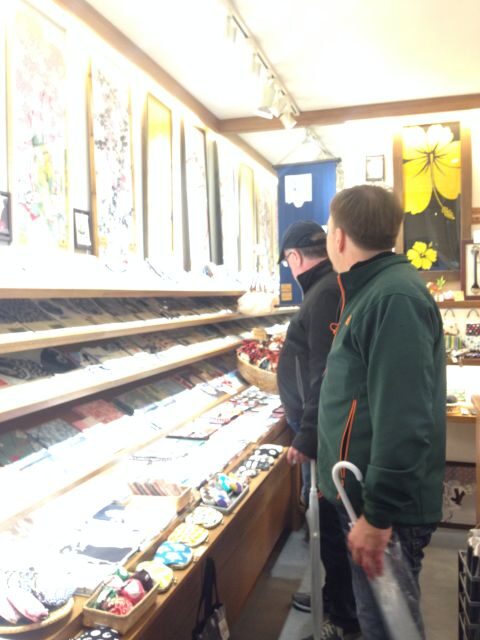
Then you shift to Komachi Dori Street, a major shopping stretch in Kamakura. This is your chance to turn the day’s impressions into physical memories: snacks, crafts, and gifts that make sense for the area you actually visited. One of the best parts here is that your guide can point out items with local significance rather than leaving you to randomly browse. That makes shopping feel intentional.
If you want to spend more time shopping after the tour, you can. So don’t think of Komachi Dori as a rushed 20 minutes. Use it as your controlled extension of the day.
Price and Value: What You’re Paying $530 For (and What You’ll Still Cover)
The price is $530 per group (up to 6 people) for an 8-hour tour. On paper, that’s not “cheap,” but it’s private-group pricing, with a professional local guide and pickup from a Tokyo hotel lobby.
Here’s where the value math gets interesting:
- You’re paying for time you don’t have to plan: guide route building plus a day structured around efficient transit.
- You’re paying for private pacing: fewer waiting moments and more chances to ask questions.
- You’re paying for local interpretation: better understanding at the Buddha, the flower temple, the bamboo forest, and the shrine.
What’s not included:
- Transportation fees for guests (even though the route uses JR, Enoden, and bus/coach legs)
- Entrance fees for guests (and the guide’s entrance if needed)
- Lunch for guests and the guide
So the smart approach is to treat the $530 as paying for the guided day experience, then budget separately for transit fares, entrances, and your meal.
Guides Matter: Why Ena, Shizuko, Mina, and Rie-san Get Mentioned
This tour is built around one key ingredient: a professional local guide. And based on the names that come up—Ena, Shizuko, Mina, Rie-san—you can expect guides who explain what you’re seeing in clear, practical ways.
In particular, the guides are described as strong at connecting:
- the temple-to-temple logic of Kamakura
- details about the statues and religious themes
- how to shop for meaningful items rather than random souvenirs
Even if you’ve read about Kamakura before, the guide role is what turns photos into understanding.
How Long You’ll Walk and When to Plan Around Busy Seasons
This day has walking and public transport. Comfortable shoes are required, not optional.
The schedule also gets more complex during busy periods (March–May, September–November). In those windows, availability of certain guide languages may be limited. If you want English, French, German, or Spanish support, book as early as you can once your travel dates are locked.
Another timing note: if the tour starts later due to participant actions, the tour still ends at the planned time. In other words, the day’s end is firm—so treat the first meeting time seriously.
Who This Tour Fits Best
I think this tour is a strong fit if you want:
- a private day trip with real guide attention
- the main Kamakura highlights without the stress of coordinating multiple transfers on your own
- a mix of major sights (Great Buddha, Hase-dera, shrine) plus an atmospheric stop (bamboo)
- shopping time on Komachi Dori that feels connected to what you just saw
It may be less ideal if you hate walking, don’t want any public-transit use, or you’re trying to keep the budget strictly to the headline price (since transit fares, entrances, and lunch are separate).
Should You Book This Kamakura Great Buddha, Hase Temple, and Komachi Street Tour?
Yes—if you value a guided route and want Kamakura in one clean day. The tour hits big visual anchors like the open-air Great Buddha and Hase-dera, adds variety with bamboo and a shrine, and still gives you time for Komachi Dori shopping. For a group of up to six, the private format can feel like good value, especially when you compare it to piecing together transit and timing yourself.
Don’t book it if you’re expecting everything (transport, entrances, lunch) to be included in the $530, or if you want minimal walking and minimal stairs. The day is built for people who can move comfortably and don’t mind using public transport.
If you’re choosing between a DIY day and a guided private day: this one is a strong middle ground. You still get authentic Kamakura, but you get help making the day work.
FAQ
How long is the Kamakura Great Buddha, Hase Temple, and Komachi Street tour?
The tour lasts 8 hours. Start times vary based on availability.
Is pickup included, and where does it happen?
Yes. Pickup is included from the lobby of your hotel in Tokyo’s 23 wards.
What languages are the live guides available in?
English, French, German, and Spanish.
Are entrance fees and lunch included?
No. Entrance fees for guests (and a guide only when needed) are not included, and lunch for guests and the guide is also not included.
Does the tour use public transportation like the Enoden train?
Yes. The route includes public transportation, including the JR train and the local Enoden small train, plus bus/coach segments.
Are children allowed, and do they pay?
Children under 5 are free of charge.