REVIEW · TOKYO
Full-Day Tour to the Picturesque Spots of Mount Fuji
Book on GetYourGuide →Operated by Japan Visionary Tour · Bookable on GetYourGuide
Fuji days move fast. This full-day tour pairs Saiko Iyashi-no-Sato Nenba with Oshino Hakkai for village calm plus UNESCO spring-water magic. The one catch: the day is packed, and you’ll do a lot of walking (including a stair climb), so build in a little stamina.
I like that it starts with easy Tokyo access (Tokyo Station or Shinjuku) and ends back where you began. You get a professional English/Chinese guide and all the key entry stops handled, so you spend your energy on viewpoints instead of train transfers.
The route also depends on weather. If Mt. Fuji is obscured, you’ll still enjoy the village, lakeside gardens, and shrine sites, but the signature photo moments can be hit-or-miss.
In This Review
- Key Points Worth Knowing
- How the Full-Day Mount Fuji Route Actually Works From Tokyo
- Saiko Iyashi-no-Sato Nenba: Thatched Roofs, Craft Traditions, and Fuji Framing
- Oishi Park and Lake Kawaguchiko: The Lakeside View Walk You’ll Remember
- Oshino Hakkai UNESCO Springs: Taste the Water, Then Take Your Time
- Arakurayama Sengen Park and Chureito Pagoda: The 400-Step View Payoff
- Guide Support (Including Kevin) and Why the $49 Price Can Work
- Weather, Visibility, and the Art of Not Being Too Attached to One Photo
- Lunch Reality: Budget for Food, and Don’t Get Tricked by Extra Ride Fees
- Who Should Book This (and Who Should Skip It)
- Should You Book This Mount Fuji Day Trip?
- FAQ
- What time does the tour leave Tokyo?
- How long does it take to get between stops?
- Are meals included?
- Is Mount Fuji guaranteed to be visible?
- Does the itinerary include Oishi Park at all times?
- What should I bring?
- Is the tour suitable for wheelchair users or people with mobility impairments?
Key Points Worth Knowing
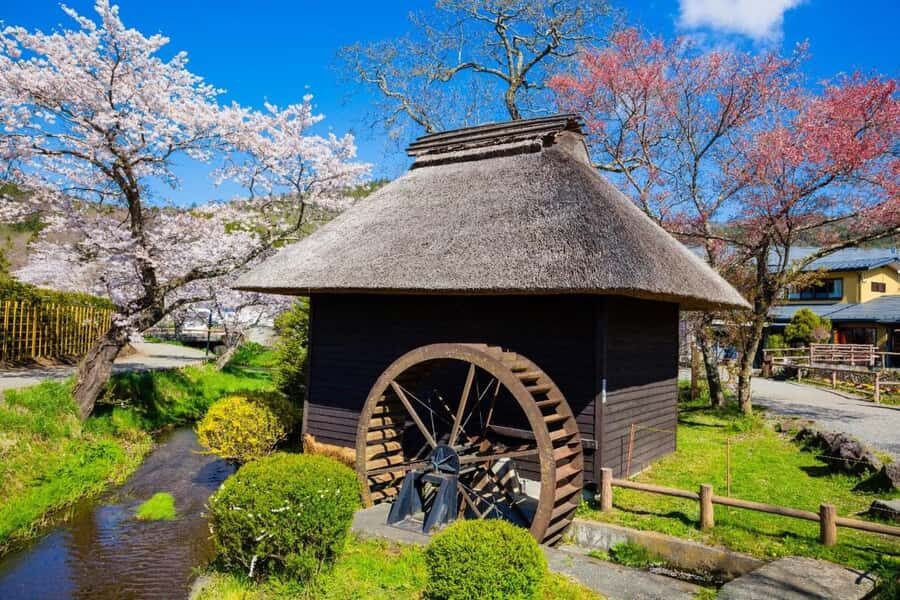
- Heian-era thatched village views at Saiko Iyashi-no-Sato Nenba, with Fuji in the distance
- Oishi Park color toward Mt. Fuji via seasonal plantings and a lakeshore stroll
- Oshino Hakkai UNESCO springs with eight clear spring sources and an optional sip
- Arakurayama Sengen Park’s 400-step climb for the Chureito Pagoda framing shot
- Mt. Fuji visibility is weather-dependent, so plan with flexibility
- Lunch isn’t included, so budget extra and consider where you eat
How the Full-Day Mount Fuji Route Actually Works From Tokyo
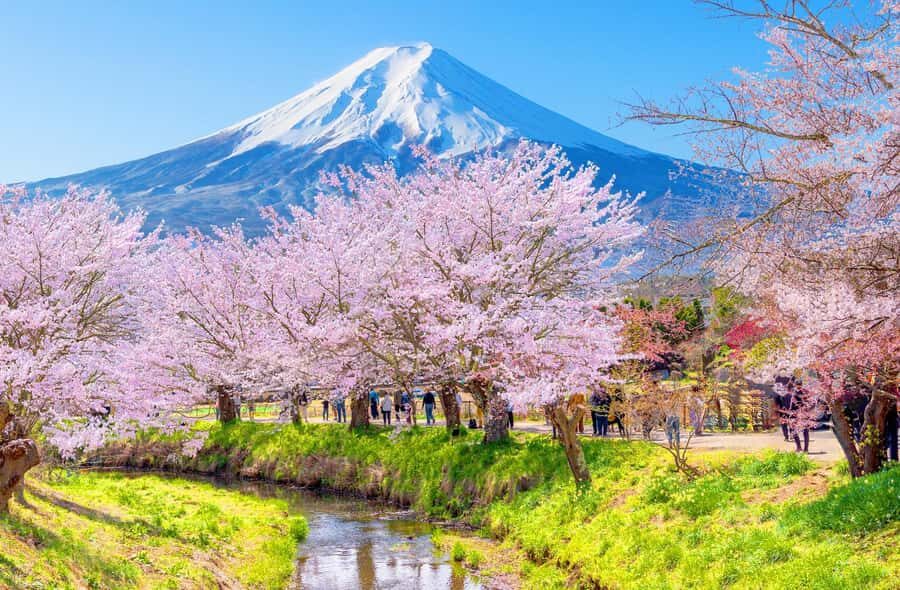
This is the classic Mount Fuji “greatest hits” loop, timed as a full day rather than a quick peek. You’ll depart at 8:00 AM from Tokyo Station and 8:30 AM from Shinjuku Station, then settle in for roughly 2 hours of transfer time one way (traffic can stretch it).
The itinerary flows in a smart order: start with a traditional village, move into lakeside scenery, head to the spring site, then finish with the biggest photo payoff at Arakurayama Sengen Park. Typical visit windows are about 1 hour at Saiko Iyashi-no-Sato Nenba, 40 minutes at Lake Kawaguchiko and Oishi Park, 1 hour at Oshino Hakkai, and 1 hour at Arakurayama Sengen Park (plus the shrine area). Schedules may shift for traffic or weather safety, so think of it as a plan with room to breathe, not a strict script.
Because this is a long day, the small logistics matter. You get round-trip transfers in an A/C vehicle, plus entry tickets and the guide handling the connections between stops. That makes a big difference if you’re staying in Tokyo and don’t want to figure out local transit after a full workday.
A few more Tokyo tours and experiences worth a look
Saiko Iyashi-no-Sato Nenba: Thatched Roofs, Craft Traditions, and Fuji Framing
Saiko Iyashi-no-Sato Nenba is one of those places that makes you slow down without trying. The site is a meticulously reconstructed Heian-era thatched-roof village, built to preserve old architectural styles and traditional countryside crafts.
Your visit is timed at about 1 hour, which is enough for a calm walk and a few strong photos if you keep moving at a comfortable pace. The best moment here is when the village feels like a stage set: those two traditional thatched-roof houses can form a natural frame for Mt. Fuji in the distance on a clear day. Even when the mountain is faint, the village layout still gives you an easy sense of place.
Practical note: this stop is outdoors, and you’ll want comfortable shoes. It’s not just a “look and go” stop. You’ll want time to walk the paths, glance into the craft-related spaces, and enjoy the quiet contrast to Tokyo.
One more consideration: peak seasons can increase crowds, and a village + photo framing can mean waiting your turn. If your priority is getting the Fuji shot, go early in your allotted window and don’t overstay every single viewpoint.
Oishi Park and Lake Kawaguchiko: The Lakeside View Walk You’ll Remember
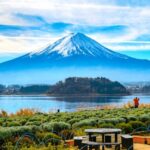
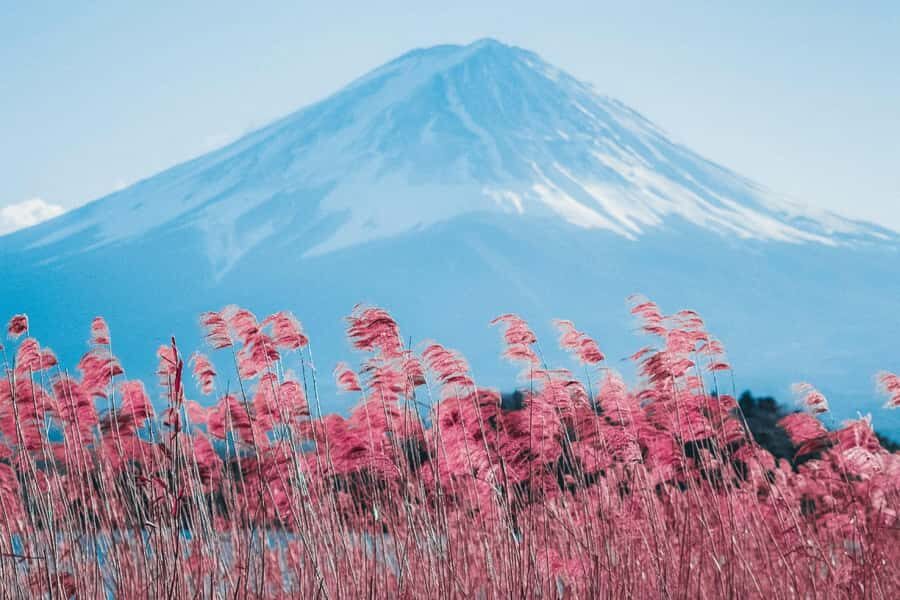
After the village, the tour shifts to water and garden views with Lake Kawaguchiko and Oishi Park (around 40 minutes). Oishi Park is built for a slow stroll. You pass rows of kochia bushes that ripple like a soft carpet, then you reach the shoreline area where reeds and wind can add motion to your photos.
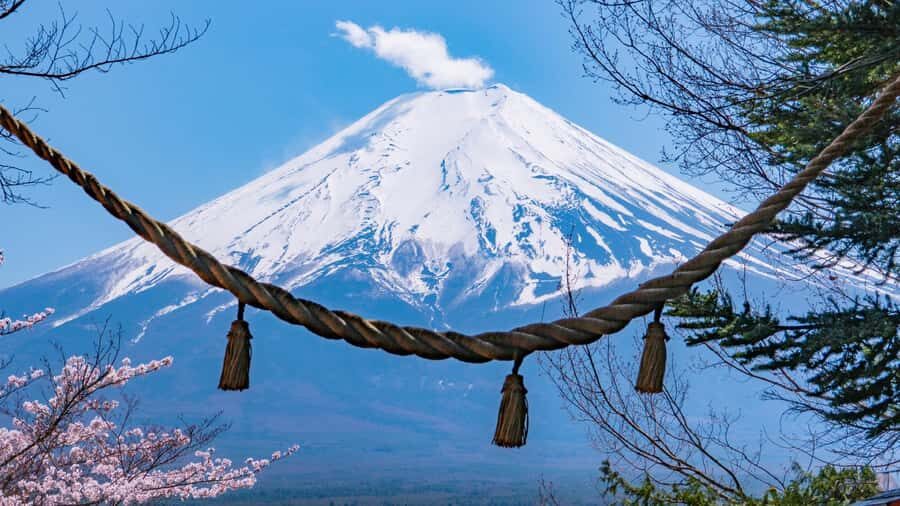
This is where Mt. Fuji usually becomes the star of the show. Across the water, the mountain looms large and serene, and your vantage point is set up so you’re not hunting for a view for long. In addition to the kochia look, the experience highlights that you may also catch lavender-toned fields depending on season, which can turn the scene more dreamlike in color than you might expect.
Because your time here is shorter than the other stops, treat it like a photo sprint with breaks. I suggest you:
- take a first look immediately to pick your best direction,
- then return for one or two more shots once you’ve checked the light and angle.
If you’re sensitive to heat, bring water and plan for a sunny lakeside environment. If it’s windy, the reeds and plant tops will move, so expect some lively photo conditions rather than perfectly still scenes.
Oshino Hakkai UNESCO Springs: Taste the Water, Then Take Your Time
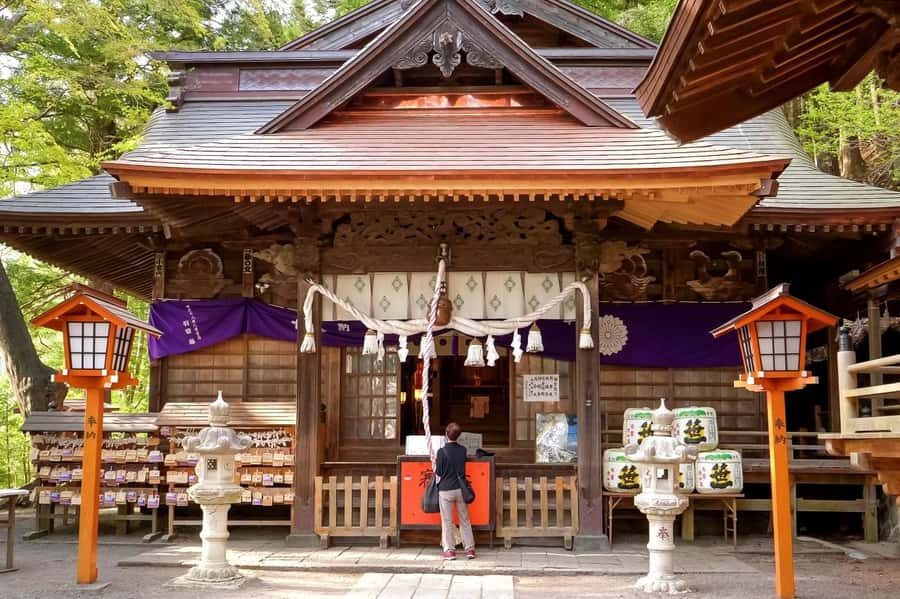
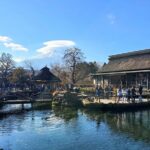
Next up is Oshino Hakkai, listed as UNESCO World Heritage, known for its eight crystal-clear springs fed by Mount Fuji’s snowmelt. The setting is compact and walkable, so it’s a great break between the longer scenic stretches.
What makes this stop special is the “real-life” feel of the water. You can try the clear meltwater, and there’s also a local legend that it brings good health and long life. Even if you’re not big on legends, the point is simple: you get to see and experience a place that is clearly connected to Mount Fuji in a physical way, not just a view.
Your time is about 1 hour, which works well here. You can linger near the springs, take photos, and move through without feeling rushed. Just keep your expectations realistic: in crowded periods, people cluster tightly around the most photogenic spots.
Also, this is a good moment to reset before the bigger climb later. Use the time to stretch your legs and refill your water supply if needed.
Arakurayama Sengen Park and Chureito Pagoda: The 400-Step View Payoff
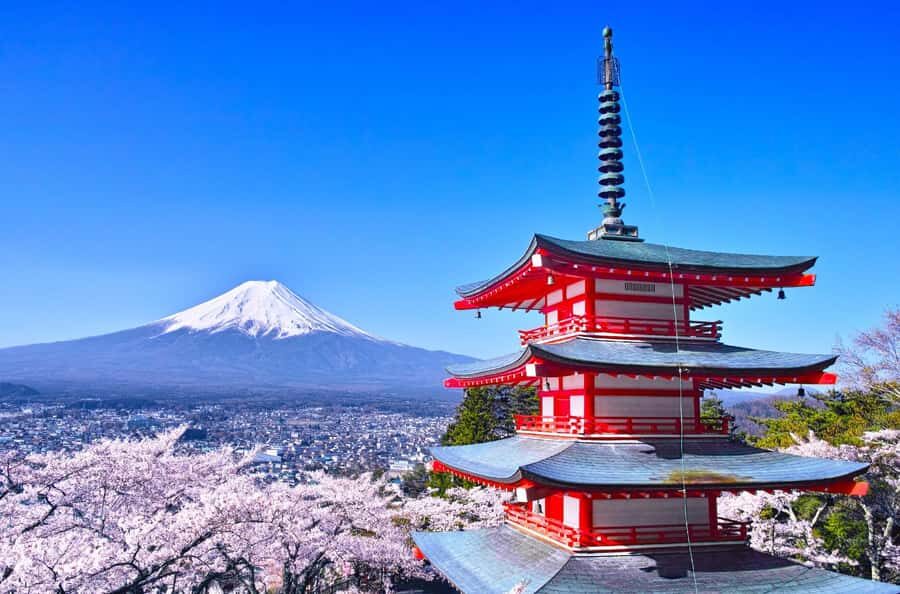
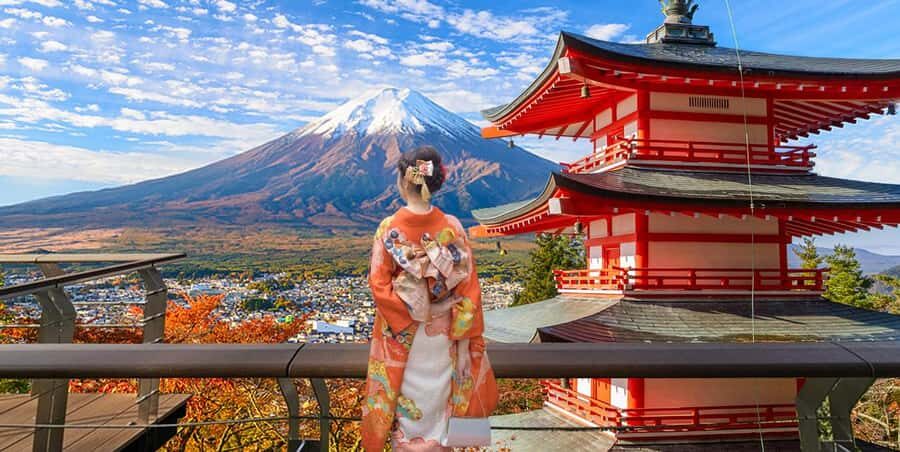
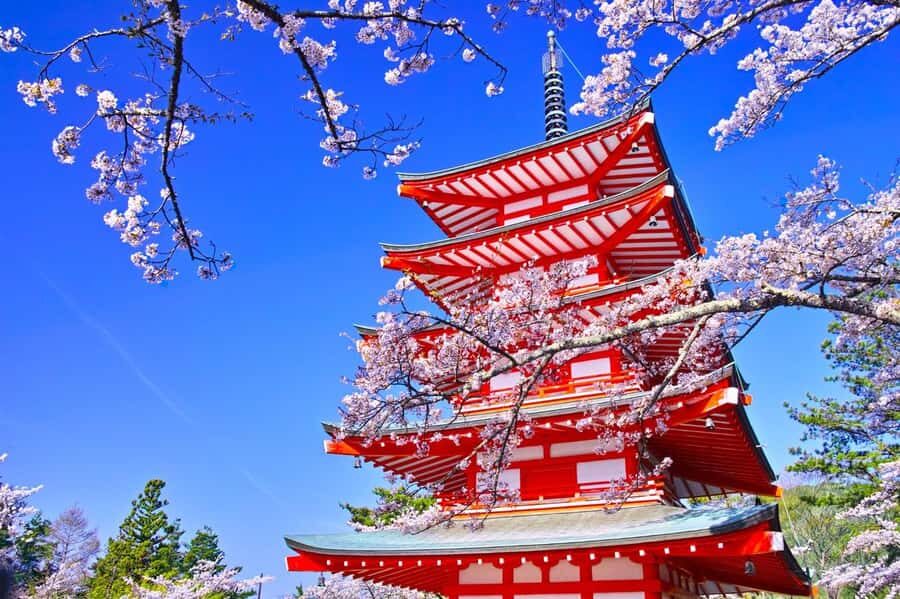
This is the endgame for many people, and it’s for a reason. Arakurayama Sengen Park is the place for the famous view where the vermillion five-story pagoda and Mount Fuji appear together from a high viewpoint.
Here’s the deal: you’ll climb 400 steps to reach the observation area. That’s not a gentle stroll. It’s doable for many visitors, but it’s absolutely a consideration if you’re out of practice with stairs or if it’s hot and crowded. This is also why the tour doesn’t fit well for people with mobility challenges, and it’s a big reason the day can feel like more of a hike than a “bus tour.”
The park visit lasts about 1 hour, and that includes time around the shrine area. The nearby Arakurayama Fuji Sengen Shrine dates to 705 and is dedicated to the deity of Mount Fuji. There’s also a note that the shrine historically played a role in rituals intended to calm the mountain’s eruptions. Whether you go for spirituality, photos, or both, the shrine context adds weight to the view.
If you care about your photos, arrive ready for a crowd. The pagoda viewpoint is popular, so moving early within your time window helps. And even if Fuji is partially hidden, the pagoda angle and the garden greens give plenty to work with.






Guide Support (Including Kevin) and Why the $49 Price Can Work
The tour includes a professional multilingual guide (English & Chinese) and handles the big-ticket friction: transfers, entry tickets, and the practical costs like parking, tolls, and environmental fees. Your price is $49 per person, and the value mainly comes from bundling those pieces into one day.
If you tried to DIY this, you’d likely spend time coordinating transport and paying for tickets across multiple sites. Here, the guide helps you move as a group, keeps stops within their planned windows, and generally makes the day run smoother than a solo schedule would.
A detail worth noting: the guide experience is often the “secret ingredient.” In English, Kevin is described as attentive and strong with the language, which matters on a day where you want clear directions and quick explanations at each stop.
What’s not included is meals and beverages. So the real budget is usually your $49 plus what you choose for lunch and snacks. Many local spots don’t accept cards, so bringing some cash is smart.
Also, no smoking in the vehicle, and no food or drinks in the vehicle. That’s common, but plan for it so you don’t get stuck without a place to grab a drink.
Weather, Visibility, and the Art of Not Being Too Attached to One Photo
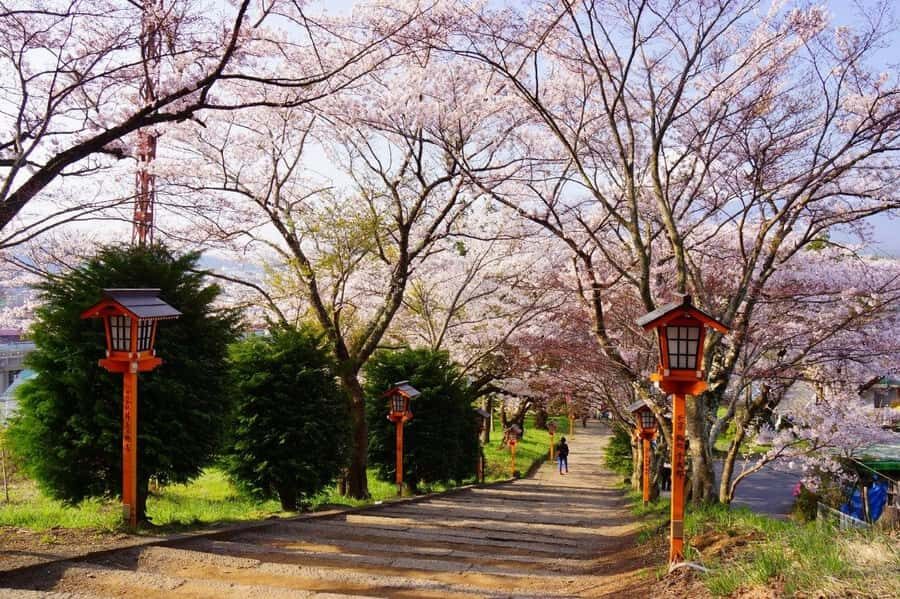
The tour itself is built around Mt. Fuji, but it doesn’t pretend you control the mountain. You’re explicitly told that visibility can be affected by weather, and the schedule can shift for traffic or safety.
That means your best strategy is to treat the day as two layers:
1) the fixed experiences (village, springs, shrine, parks),
2) the variable star (Mt. Fuji visibility).
On a clear day, the views are the point: the village framing, the lakeside Fuji across the water, and the pagoda shot. On a hazier day, you’ll still get the calm village atmosphere, the UNESCO springs, and the shrine-and-steps viewpoint effort. You just might not get the crisp “poster” mountain line you were hoping for.
If you’re planning other activities later the same day, keep your evening flexible. Peak seasons often mean traffic and crowding, and the tour notes that congestion is common on public holidays and weekends.
Lunch Reality: Budget for Food, and Don’t Get Tricked by Extra Ride Fees
Lunch isn’t included, so you’ll need to plan your own meal time. There can also be a commercial stop around lunch that may feel like an amusement-area setting. If you see separate charge options for rides, it’s easy to waste money if you assume the basics are bundled.
My advice: decide early whether you want a quick meal and move on, or if you actually want to add attractions. If you only care about eating, focus on the food options and keep your spending tight.
Because cash can be useful for local merchants, I’d keep a small amount on hand so you aren’t stuck scanning for card machines.
Who Should Book This (and Who Should Skip It)
This tour is a great fit for visitors who:
- want a classic Mount Fuji day without transit headaches from Tokyo,
- enjoy walking through photo-ready scenic stops,
- are comfortable with stairs near the end of the day.
It’s not a good match if you are pregnant, have mobility impairments, or use a wheelchair. The 400-step climb at Arakurayama Sengen Park is a major reason why.
If you’re 70 or above, you’re asked to sign a travel waiver on arrival. That’s a normal safety and admin step, so just plan for it.
If you’re unsure about your stamina, wear your best walking shoes, pack water, and expect that you’ll be on your feet for a meaningful portion of the day.
Should You Book This Mount Fuji Day Trip?
Book it if you want an organized, photo-focused Mount Fuji loop with a guide and tickets handled, and you’re okay spending most of your day walking. The $49 price can feel like a win when you compare it to how much effort and cost it would take to line up similar stops on your own.
Skip it (or consider a gentler alternative) if stairs and long days are a problem for you, or if you need guaranteed Mount Fuji visibility. Weather is real, and Mt. Fuji can hide.
Finally: check the forecast before you go, carry cash, and treat the day like a mix of guaranteed sites and weather-dependent views. When the mountain cooperates, this route delivers a lot of iconic images in one sweep. When it doesn’t, you still come away with village calm, UNESCO springs, and a shrine-and-steps finish you’ll remember.
FAQ
What time does the tour leave Tokyo?
It departs at 8:00 AM from Tokyo Station and 8:30 AM from Shinjuku Station.
How long does it take to get between stops?
There’s an estimated 2 hours of transfer time each way, which can extend due to traffic.
Are meals included?
No. Meals and beverages are not included.
Is Mount Fuji guaranteed to be visible?
No. Weather can affect visibility, so you may not always get clear views.
Does the itinerary include Oishi Park at all times?
The plan notes that during maple season and cherry blossom season, the tour goes to the Maple Corridor or cherry blossom groves instead of Oishi Park.
What should I bring?
Bring comfortable shoes, water, and comfortable clothes.
Is the tour suitable for wheelchair users or people with mobility impairments?
No. It is not suitable for wheelchair users or people with mobility impairments, and it isn’t suitable for pregnant women.