REVIEW · KYOTO
Gion Night Walk:Discover Geisha Culture in Kyoto
Book on GetYourGuide →Operated by ENSHI KYOTO · Bookable on GetYourGuide
Kyoto’s Gion at night turns questions into answers. This Gion night walk with ENSHI KYOTO is built around geisha culture—what the district is, how it got that way, and what to do (and not do) when you’re out looking. I particularly like the way the guide connects the streets to real geisha history, and I also like the included photo shoot, which gives you something concrete to take home besides memories and street snacks.
One thing to think about first: seeing geisha isn’t guaranteed. The tour is timed to when you’re most likely to spot them, but if your plan depends on a guaranteed sighting or a specific house visit, you may feel disappointed if luck—or timing—doesn’t cooperate.
In This Review
- Key takeaways before you go
- Gion at night: why this timing changes everything
- Price and what you actually get for $27
- Meeting point at Keihan Railway: start where the action flows
- Strolling Gion’s historic streets and old house fronts
- Geisha history made practical, not just academic
- The current situation of geisha—and the etiquette that protects the magic
- Your odds of seeing geisha: timing plus smart behavior
- Photo shoot included: why it’s worth paying for
- What to bring (and what not to)
- Who should book this Gion night walk
- What to expect on the ground (the flow of the night)
- Should you book? My honest call
- FAQ
- Where does the tour start and end?
- How much does the Gion Night Walk cost?
- What’s included in the tour?
- What should I bring for the walk?
- Is the tour only in English?
- Can I bring a drone or alcohol?
- Is it wheelchair accessible?
- Will I definitely see geisha?
- Can I cancel and get a refund?
Key takeaways before you go
A street-first approach to geisha culture that’s focused on what you can notice in real time.
Geisha etiquette and precautions so you don’t accidentally make things awkward.
Historic Gion streets plus side lanes that help you understand the district beyond photos.
An included photo shoot that turns the walk into a record, not just a story.
Timing matters for sightings—you’ll be out during the window when geisha are most likely to appear.
Gion at night: why this timing changes everything
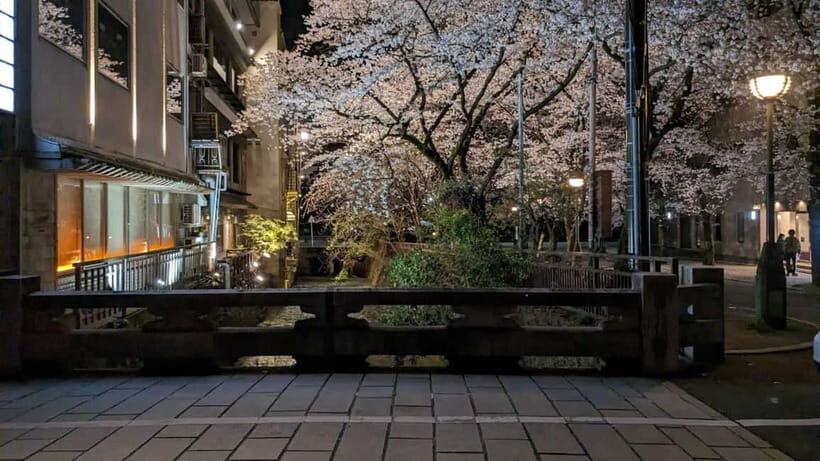
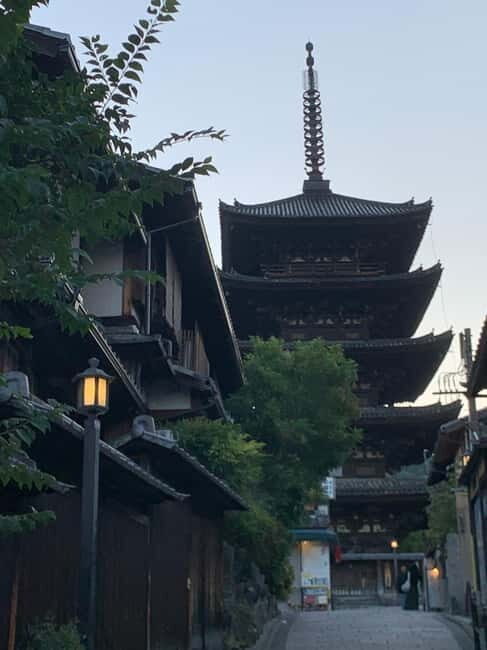
Daytime Gion can look like a perfect postcard. Night adds something else: quiet, dim light, and a slower rhythm that makes details easier to notice. You see wooden facades and old street lines with less crowd noise, and you’re better positioned to understand why the area developed the way it did.
This tour is designed specifically for that night atmosphere. You’re not just walking; you’re learning how the district works socially and historically, while also getting practical advice for how to behave when geisha culture is part of the street scene.
You can also read our reviews of more walking tours in Kyoto



Price and what you actually get for $27
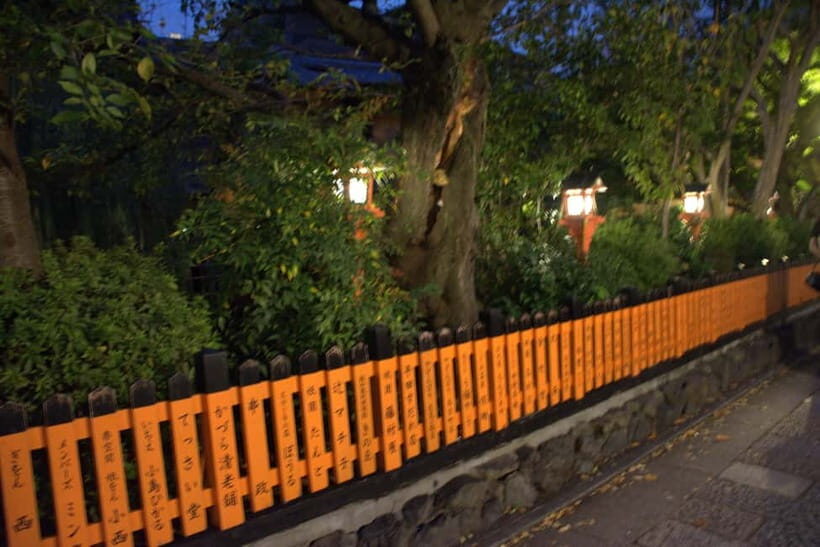
At $27 per person, this tour sits in the “small-group, specialty guide” category rather than a big-bus tour. For the money, you’re paying for three things that are hard to replicate on your own:
- A local guide who can explain geisha history and Gion’s story in plain language
- Updates on the current situation of actual geisha (not just old legends)
- Photo time included as part of the experience
The value is strongest if you want context while you walk—especially if you’ve already looked up Gion on your own and want that extra layer. If you’re only here for guaranteed geisha sightings or for a specific scheduled performance, you may find the $27 doesn’t buy certainty.
Meeting point at Keihan Railway: start where the action flows
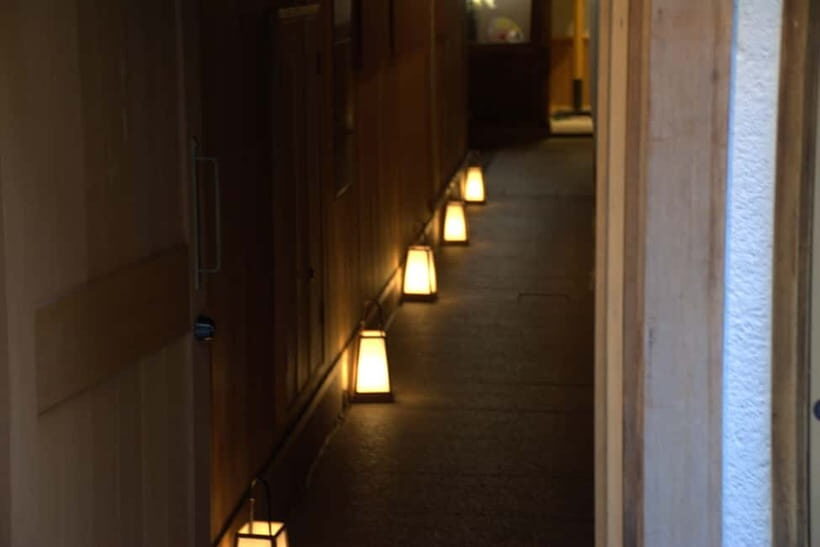
You’ll meet at the man’s stone statue at Keihan Railway, exit number 5. Ending is back at the same point, so you’re not stuck trying to figure out where you are after dark.
This matters more than it sounds. Meeting at a major rail exit keeps the logistics simple, and it also positions you in the area where you can transition naturally into Gion’s walking streets without wasting time.
Wear comfortable shoes. You’ll be strolling, and “night walk” turns into “quietly lots of steps” faster than you think.
Strolling Gion’s historic streets and old house fronts
The core of the experience is a guided stroll through the Gion and geisha district. Expect to pass historic Japanese houses and street scenes while your guide brings context to what you’re seeing.
This is where the tour becomes more than a photo walk. The guide helps you read the district like a page: street layout, building styles, and the sense of how the neighborhood functions after dark. Even when you’re not stepping into private spaces, you can still understand a lot from what’s visible from the street.
One practical drawback to manage: this kind of tour is typically street-focused. If you’re hoping for an interior visit to a house, that expectation may not match what you’ll get. The good news is that you’ll still get plenty of time in the atmosphere that makes Gion so memorable.
Geisha history made practical, not just academic
A big part of why this walk gets good feedback is the way the guide explains geisha culture in a way you can use. You’ll deepen your knowledge of the history of geisha and the Gion area while you’re walking, so it sticks better than facts read on a screen.
What I like about this format is how it turns questions into real answers. You can point at what you’re seeing and ask about it. You’re not stuck waiting until later. In the reviews, the strongest praise centers on an engaging, friendly guide who handled questions well, and that kind of interaction makes a short night tour feel like a good conversation rather than a lecture.
You can also read our reviews of more evening experiences in Kyoto




The current situation of geisha—and the etiquette that protects the magic
The tour specifically aims to cover the current situation of actual geisha, not only the romance of the past. That’s important because it helps you understand what you’re seeing in the present day—and why it’s handled with care.
You’ll also learn precautions for when geisha are most likely to be around. Translation: you get taught how to behave so you don’t turn a cultural moment into something invasive. That’s not just politeness. It also makes your experience smoother because you’re less likely to be told off or to draw unwanted attention.
This is the part that separates a thoughtful guided walk from a “follow the crowd and hope” outing.
Your odds of seeing geisha: timing plus smart behavior
The tour is timed for the period when geisha are most likely to be seen. If you’re lucky, you may spot geisha during the walk.
But here’s the reality to plan for: night sightings are probability, not a reservation. One common disappointment comes from expecting something guaranteed—like a specific house visit or a scheduled show time.
Also, some promotional info you might see elsewhere can mention performances at 6:00 and 7:00 p.m. That can create confusion if your mind maps those performance times to your night-walk schedule. Your best move is to check what your specific booking time is targeting and treat it as a street-sighting experience, not a show ticket.
My advice: show up ready for street culture. If you get a sighting, great. If you don’t, you’ll still have the context and etiquette piece—which is the whole point of doing this with a guide.
Photo shoot included: why it’s worth paying for
This tour includes a photo shoot, which is a genuinely useful add-on. It’s not just “stand there and take your own blurry shot.” Having a guide helps you know where to stand and how to frame the scene without disrupting the flow of the street.
Even if you’ve photographed Kyoto before, the night lighting can be tricky. The included photo time makes the walk feel more complete: you leave with images that actually match what you learned about the district, instead of random pictures of signage and shadows.
And yes, you’ll still need to follow the rules: no drones. (Drones and crowded heritage areas are a fast way to ruin your night.)
What to bring (and what not to)
Keep it simple:
- Comfortable shoes and clothes for walking at night
- Expect you’ll be on your feet more than you’d think from the word walk
Don’t bring:
- Drones
- Alcohol and drugs
ENSHI KYOTO also runs this in English, so you can ask questions without playing charades.
Who should book this Gion night walk
I think this is a strong fit if you want:
- A guided understanding of geisha culture and Gion’s role in Kyoto
- Street etiquette guidance (especially if you’re new to this kind of cultural tourism)
- A more personal night experience with Q&A and a friendly guide dynamic
It may be less ideal if:
- You need guaranteed geisha sightings
- You’re specifically chasing a performance schedule rather than a street-view experience
- You’re expecting an interior house tour as part of the itinerary
Also, it’s not suitable for wheelchair users and it isn’t geared toward people with altitude sickness. If either of those apply, you’ll want to look for a different Kyoto activity.
What to expect on the ground (the flow of the night)
Here’s the practical rhythm you can expect, based on how the experience is described:
- Meet at Keihan Railway exit 5 at the man’s stone statue
- Walk through Gion and the geisha district with a local guide
- Pause as historic streets and Japanese house exteriors come into view
- Learn geisha history, plus the current reality of geisha in today’s Kyoto
- Get guidance on the precautions that matter during peak geisha-seeing periods
- Take part in the included photo shoot
- Return back to the meeting point
Even when you’re just strolling, the educational part is timed so it matches what you’re seeing. That’s why this works better than reading a guidebook alone right before you sleep.
Should you book? My honest call
Book it if you want a night in Gion that’s more than walking and hoping. The best value here is the combination of street-level learning, etiquette advice, and an included photo shoot. The guides’ friendly, inclusive style—and the fact that you can ask questions—shows up as the most consistent positive theme.
Skip (or set different expectations) if your priority is guaranteed geisha sightings or a specific house/performance experience. This tour is timed to maximize your chances, but it’s still a street scene. Treat it like a cultural walk with a good shot at sightings, not a guaranteed encounter.
If you’re the type who likes to understand what you’re seeing—and you’ll follow the precautions—the Gion night walk is a solid, fun way to experience Kyoto after dark.
FAQ
Where does the tour start and end?
It starts at the man’s stone statue at Keihan Railway, exit number 5, and it ends back at the same meeting point.
How much does the Gion Night Walk cost?
The price is $27 per person.
What’s included in the tour?
The tour includes a photo shoot.
What should I bring for the walk?
You should bring comfortable shoes and comfortable clothes.
Is the tour only in English?
Yes, the tour language is English.
Can I bring a drone or alcohol?
No. Drones are not allowed, and alcohol and drugs are also not allowed.
Is it wheelchair accessible?
No, it is not suitable for wheelchair users.
Will I definitely see geisha?
No. The tour is timed for when geisha are most likely to be seen, so you may see geisha if you’re lucky, but sightings are not guaranteed.
Can I cancel and get a refund?
Yes. You can cancel up to 24 hours in advance for a full refund.