REVIEW · TOKYO
Tokyo: Tea Ceremony & Japanese Sweets Making
Book on Viator →Operated by Local Guide Stars · Bookable on Viator
Matcha, whisked by your own hands in Tokyo. I like that this workshop gives you real practice with matcha, not just watching from the sidelines, and that you’ll see an Otemae demonstration up close with a tea master who’s been doing this for 10+ years.
You also get to craft seasonal Japanese sweets yourself, then taste what you made.
One thing to keep in mind: it’s about 1 hour total, so it’s a focused hit of tea and sweets, not a slow, all-day experience.
The good news is you’re guided in clear English by an expert host, and the group stays small (max 10). That makes it easy to ask questions and learn the why behind each step, without getting lost in the details.
In This Review
- Key highlights
- Tokyo Tea Ceremony Meets Matcha and Sweets in Bunkyo (Hakusan area)
- The 1-hour flow: from otemae viewing to your own matcha tasting
- Brew your own matcha: what you’ll actually walk away understanding
- Crafting seasonal Japanese sweets: making it yours, then tasting the match
- Group size, pacing, and where this tour fits in your Tokyo day
- Price and value: what $32.58 gets you in a small-group workshop
- Who this Tokyo tea ceremony workshop is best for
- Should you book Tokyo: Tea Ceremony and Japanese Sweets Making?
- FAQ
- Where does the Tokyo Tea Ceremony & Japanese Sweets Making tour start?
- How long is the experience?
- What is the price per person?
- Is the tour guided in English?
- Is it a small group?
- What do I do during the experience?
- Does it include Japanese sweets making?
- Do I get a ticket in advance?
- Will I return to the same place after the tour?
- What is the cancellation policy?
Key highlights
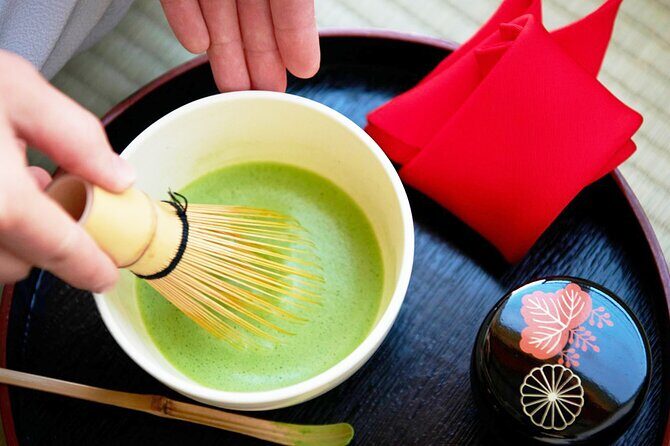
- Hands-on matcha brewing taught by a tea master with 10+ years of experience
- Otemae demonstration you can watch and then recreate in your own bowl
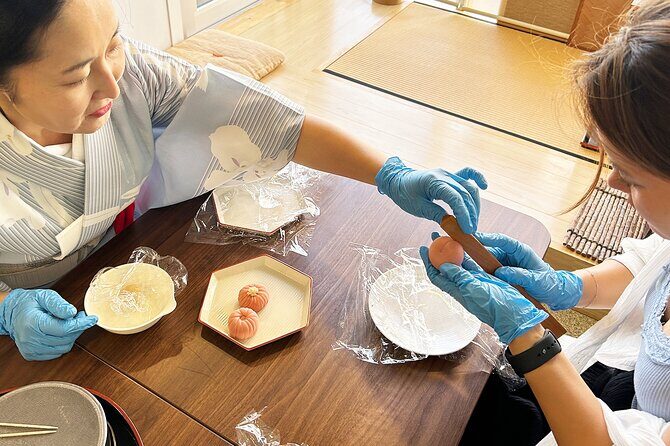
- Seasonal Japanese sweets making where you design what you’re going to taste
- Clear English guidance from an expert host (so you can actually follow along)
- Small group size (up to 10 people) for a calmer pace and more help
Tokyo Tea Ceremony Meets Matcha and Sweets in Bunkyo (Hakusan area)
This is a Tokyo tea ceremony experience built around participation. The setting is in Bunkyo City, right around Hakusan. Your start point is 文京区白山のダイエット和食付きパーソナルトレーニングジム VaLerio LuanaJapan, 113-0001 Tokyo, Bunkyo City, Hakusan, 1-chōme2617 フィル・パーク 白山ヒルズ 2階, and the activity ends back there.
What I like about a workshop like this in the Hakusan/Bunkyo area is that you’re not only “touristing.” You’re stepping into a smaller, neighborhood pace where it feels easier to ask questions and settle in. Also, it’s near public transportation, so you’re not forced into a big commute circus before your tea time.
And because the tour includes both matcha and sweets, you get a full loop: lesson → making → tasting. It’s the kind of setup that actually sticks with you after you leave.
A few more Tokyo tours and experiences worth a look

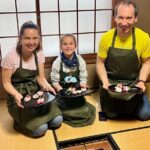
The 1-hour flow: from otemae viewing to your own matcha tasting
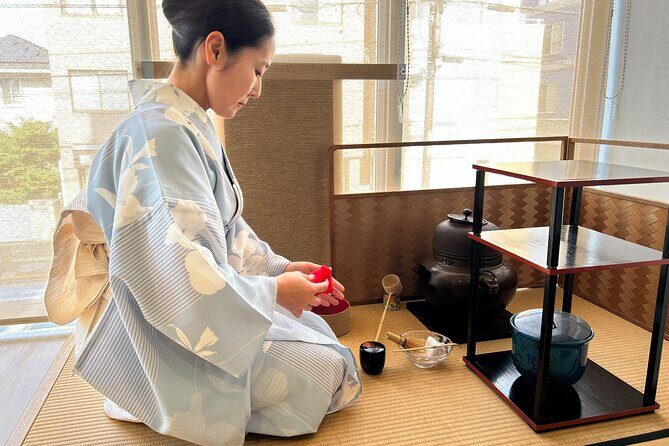
The tour runs for about 1 hour, so expect a tight sequence. Based on what the experience promises, here’s how the time is designed to work:
First, you learn matcha making from the tea master. This is the part where you pick up the basics and figure out what makes a difference in taste and texture. Then you watch the Otemae demonstration. In a traditional tea setting, Otemae is more than a performance. It’s the structured way the tea is prepared, handled, and presented. Seeing it helps you understand the mindset: calm pace, attention to movement, and consistency.
After you’ve watched and learned the principles, it’s your turn to prepare matcha yourself. That’s the value of the format. Watching is nice, but hands-on is what turns it into a skill you can talk about with real confidence.
Finally, you taste the matcha alongside a Japanese sweet you help craft yourself. You’re not just eating a random snack. The sweet is linked to your making session, and it gives you that full sensory comparison: bitter-green matcha meets a seasonal sweetness you designed.
Brew your own matcha: what you’ll actually walk away understanding
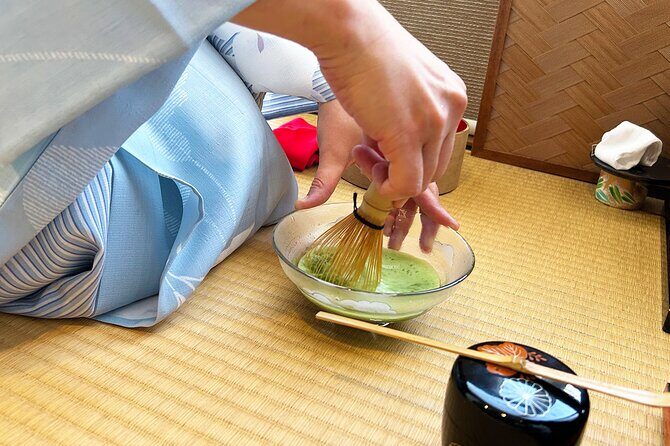
This experience focuses heavily on matcha preparation, and that matters because matcha is one of those foods people either love or don’t quite “get” yet. Doing it yourself helps you notice the small shifts that change the experience.
Here’s what you can realistically expect from the instruction, based on the structure of the tour:
- You’ll learn how matcha is brewed so you get the look and taste you’re aiming for.
- You’ll practice making it before tasting, so you’re comparing your own result against what you were taught.
- You’ll learn from someone with 10+ years in the craft, which usually means you’re getting advice that’s tested, not just textbook.
When you take a hands-on lesson, you start paying attention to details you’d normally ignore. For example, instead of thinking matcha is just matcha, you’ll start noticing the feel and the flavor balance. And once you’ve tasted your own cup, you’ll understand why the ceremony stresses technique, not speed.
One practical thought: because this is guided in clear English, you should feel comfortable asking questions. If something tastes too strong or too mild for your preference, ask what changes it—this kind of lesson is built for that conversation.
Crafting seasonal Japanese sweets: making it yours, then tasting the match
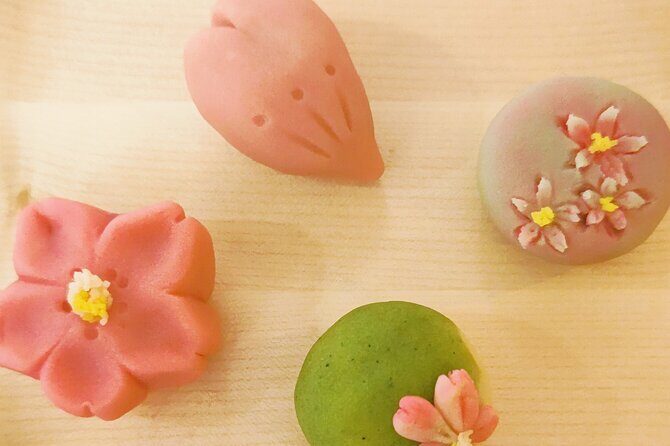
A lot of workshops include food, but fewer ones let you shape what you eat. Here, you craft seasonal Japanese sweets yourself, and then you get to taste the one you made.
That seasonal piece is important. It signals that the sweets are tied to the time of year, not just a fixed menu. Even if you’re not able to read labels or names perfectly, you’ll still feel the logic: Japanese sweets often mirror what’s going on with the seasons, and the pairing with matcha fits that idea.
Designing the sweet yourself also changes the way you experience it. If you’ve ever eaten something you had no role in making, it’s easy for food to blur together. When you’ve shaped and finished it, you remember it. You notice texture. You pay attention to sweetness level. You end up comparing it directly with the matcha rather than eating in autopilot.
Also, the workshop combines savory skill (matcha brewing) with creative making (sweets). That balance is a big reason this is a satisfying one-hour outing. It’s not all precision, and it’s not all play.
Group size, pacing, and where this tour fits in your Tokyo day
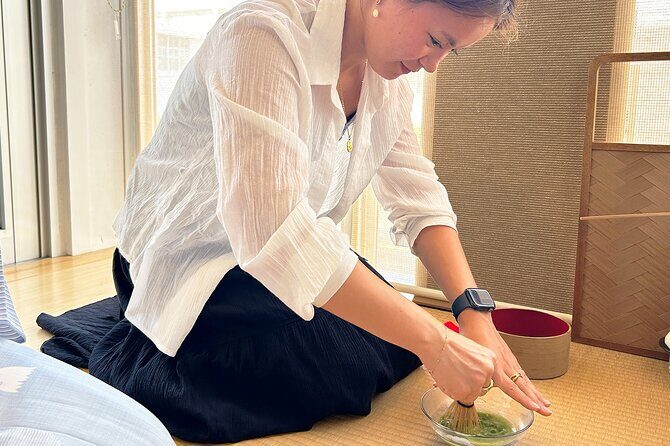
This is capped at a maximum of 10 travelers. For me, small groups are more than a comfort thing. They shape the whole learning experience.
With up to 10 people:
- You’re more likely to get direct attention from the tea master or host.
- Questions are easier to answer without feeling rushed.
- The pace stays steady, especially during the Otemae demonstration and your own matcha prep.
Because the duration is about 1 hour, you should treat this like a “slot-in” activity. It’s the kind of plan that works well between sightseeing blocks or after a morning walk in Tokyo. And since it starts and ends at the same place, you don’t need to build in complicated transit time at the back end.
My simple advice: schedule it when you can show up not frantic. You’ll get more out of the tea ceremony when you’re not sprinting across Tokyo with a stopwatch in your head.






Price and value: what $32.58 gets you in a small-group workshop
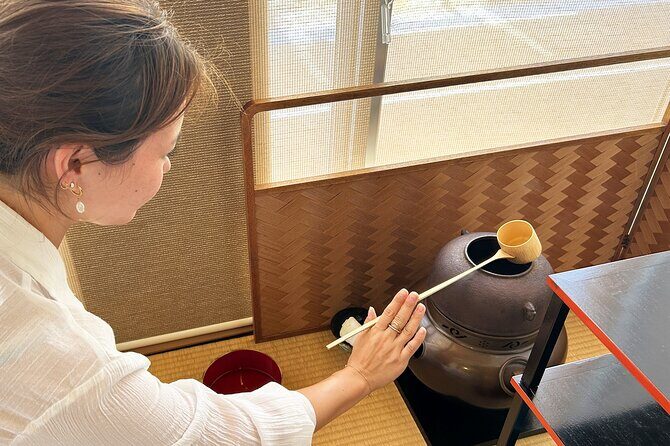
The price is $32.58 per person for a roughly 1-hour experience. At first glance, that may sound modest, but the value is in what’s included and the format.
You’re paying for:
- Instruction from a tea master with 10+ years experience
- An Otemae demonstration you can observe directly
- Guided hands-on matcha brewing
- Seasonal Japanese sweets making that you’ll taste
- Clear English support from an expert host
- A small group size (max 10), which often means more individualized teaching than bigger tours
So the cost isn’t just “a place to sit.” It’s training plus tasting plus a crafted food component. If you’ve ever done cooking classes where you end up with a plate and no real learning, this is closer to a skills-focused food lesson.
Also, the mobile ticket is a practical win. No fuss is one less thing to worry about while you’re lining up your day.
Who this Tokyo tea ceremony workshop is best for
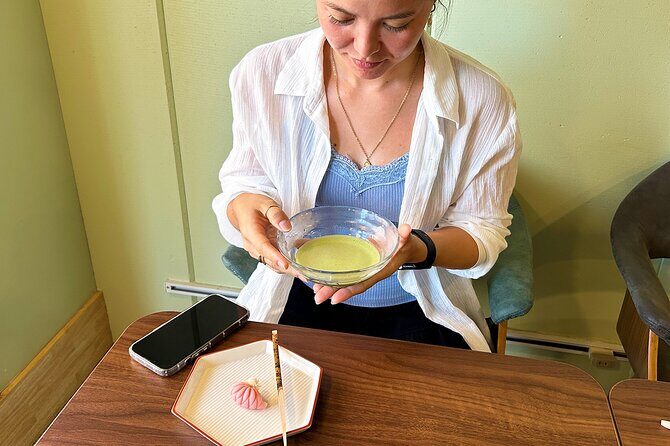
This experience is a strong match if you want a Tokyo activity that’s culturally grounded and hands-on, but not exhausting. I’d steer you toward it if:
- You like interactive lessons more than passive museum-style viewing
- You’re curious about matcha beyond buying it at a shop
- You want a short activity that still feels meaningful
- You’d rather do tea ceremony in a small, guided setting with clear English
It’s also a decent choice for couples or small groups because the format is structured and calm, and you get time to participate without juggling a crowd.
If you’re looking for a long, deep multi-hour cultural immersion with lots of roaming, this might feel short. But if you want the key ideas, the technique, and the pairing with sweets within an hour, it fits well.
Should you book Tokyo: Tea Ceremony and Japanese Sweets Making?
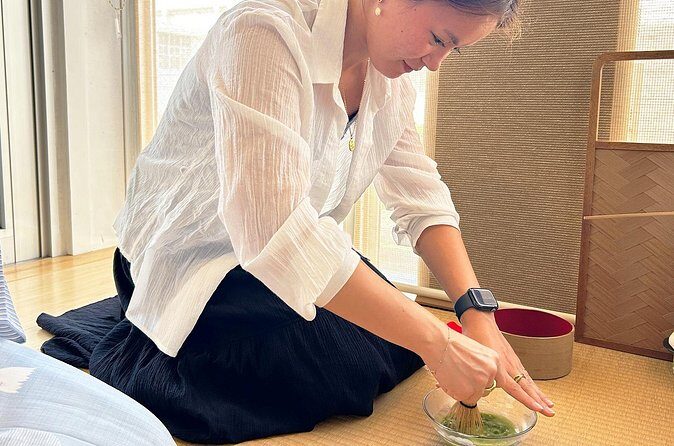
I think you should book it if you want a hands-on Tokyo matcha workshop with real instruction and a finished product to taste. The biggest draw is the combination: Otemae demonstration, then your own matcha, then seasonal sweets you craft and eat. That turns a cultural activity into a personal memory you can describe.
Skip it only if your ideal experience is slow, open-ended, and heavy on free time. This is tight and focused. It’s designed to teach you, not let you wander for hours.
One more practical check before you go: double-check your start point near Hakusan so you’re not hunting when it’s time to begin. And bring an attitude of curiosity. This kind of lesson goes far when you’re willing to pay attention and try.
FAQ
Where does the Tokyo Tea Ceremony & Japanese Sweets Making tour start?
It starts at 文京区白山のダイエット和食付きパーソナルトレーニングジム VaLerio LuanaJapan, 113-0001 Tokyo, Bunkyo City, Hakusan, 1-chōme2617 フィル・パーク 白山ヒルズ 2階.
How long is the experience?
The duration is about 1 hour.
What is the price per person?
The price is $32.58 per person.
Is the tour guided in English?
Yes. You’re guided in clear English by an expert host.
Is it a small group?
Yes. The maximum group size is 10 travelers.
What do I do during the experience?
You learn matcha making, watch an Otemae demonstration, prepare matcha yourself, and enjoy Japanese sweets you craft yourself before tasting.
Does it include Japanese sweets making?
Yes. You craft seasonal Japanese sweets yourself.
Do I get a ticket in advance?
Yes. The tour uses a mobile ticket.
Will I return to the same place after the tour?
Yes. The activity ends back at the meeting point.
What is the cancellation policy?
Free cancellation is available. You can cancel up to 24 hours in advance for a full refund, with cut-off times based on the experience’s local time. If you cancel less than 24 hours before the start time, the amount paid is not refunded.