REVIEW · TOKYO
Hakone Full-Day Private Tour By Public Transportation
Book on Viator →Operated by Fulfilling Inc. · Bookable on Viator
Hakone gets complicated fast. This private day tour fixes that with an English-speaking guide who handles the public-transport route planning while you focus on the sights, from Lake Ashinoko to Owakudani. I like that the guides, including Akira and Yumiko Sano, stay on top of the logistics so you don’t burn time figuring out transfers. One thing to plan for: admissions and your personal transit fares are not included, so your day can cost a bit more on-site.
You’ll start at 8:00 am with a meeting in the hotel lobby (Tokyo 23 wards), and the route is built around a full 10-hour pace. It’s a good fit for nature lovers and anyone holding a JR Rail Pass, since this is designed around train-and-local-transit movement. The private part matters too: it’s only your group, so the itinerary stays efficient.
In This Review
- Key points worth knowing
- Hakone made simple: private public transport with an English guide
- 8:00 a.m. start and a 10-hour pace: how to prep
- Hakone Shrine and Kuzuryu Shrine: a 757 power spot stop
- Lake Ashinoko: volcanic origins and the views you should chase
- Owakudani Valley: sulfur fumes at Mt. Hakone’s last eruption
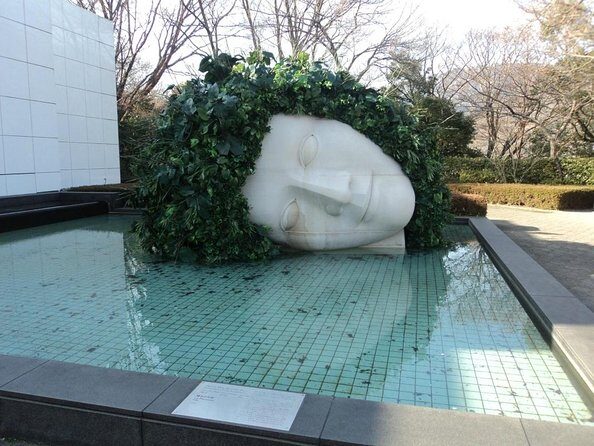
- Hakone Open-Air Museum: art outside, plus a foot bath break
- Price and value at about $221 per person
- When this tour is the right fit (and when it isn’t)
- Should you book this Hakone private tour?
- FAQ
- What time does the tour start?
- How long is the Hakone full-day private tour?
- Is this a private tour?
- Where do we meet the guide in Tokyo?
- Is public transportation included?
- Are admission tickets included?
- Does the tour include food and drinks?
- Is an English-speaking guide provided?
- What is the cancellation policy?
- How does confirmation work after booking?
Key points worth knowing
- A guide navigates public transport for you, so you can avoid getting lost in Hakone’s transit maze.
- Hakone Shrine and Kuzuryu Shrine bring instant context, including the shrine’s founding year (757).
- Owakudani is a real volcanic-feeling stop, with sulfur smell and white steam drifting through the valley.
- Open-air art plus big views, plus a foot bath that adds a fun break.
- Not everything is included: you’ll pay most admissions and your own transit fares.
- Flexible in bad weather, as shown by Yumiko Sano working a rainy day plan while keeping priorities in focus.
Hakone made simple: private public transport with an English guide
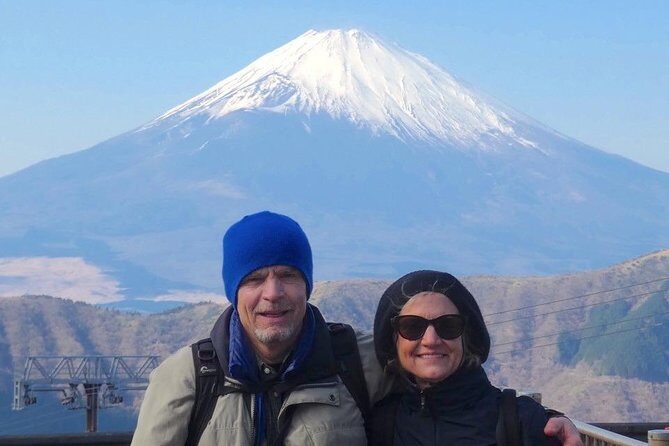
Hakone is one of those places where the scenery is great, but the logistics can feel like a puzzle—especially if your Japanese is limited. This tour is built for that exact problem. You don’t spend your morning hunting for the right platform or redoing plans every time transit gets confusing. Your guide takes point on the route, and you ride the public transport with confidence.
That guide-led navigation is also the big reason this feels worth it, even though the day includes walking and changing modes of transport. When I think about Hakone, I picture how easy it is to lose time on small decisions: which train, which connection, which stop exit, and where to go next. With a professional guide in your corner, you get back that time and energy for the actual sights.
I also like the human side of it. The experience isn’t presented like a “move fast, take photos, goodbye” situation. The comments about guides such as Akira and Yumiko Sano make the same point: they’re there to keep the plan moving and to help you prioritize what matters most. On a torrential rainy day, Yumiko Sano adjusted so the day still felt purposeful—even though Mt. Fuji glimpses disappeared with the weather.
If you have a JR Rail Pass, this matters even more. The tour is framed as an ideal option for pass holders, which usually means the routing is compatible with how people travel into the region. That can reduce friction and help you get value from the pass you already paid for.
You can also read our reviews of more private tours in Tokyo

8:00 a.m. start and a 10-hour pace: how to prep
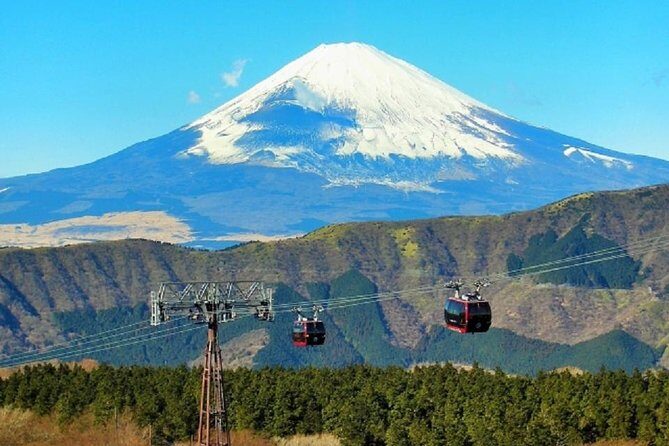
This is a full-day plan, roughly 10 hours long, so it’s not a quick taste of Hakone. You start at 8:00 am, and the day flows from stop to stop with about an hour at each main location. That timing makes sense: it gives you enough time to look around without turning the day into a rushed sprint.
The practical catch is walking. Even with a guided day, you’re moving through shrine areas, scenic zones, and museum grounds. One highlight from past experiences is that it involves quite a bit of walking—so I’d treat this as a “comfortable shoes” day, not a sandals-and-photos day.
Weather is another practical consideration. Hakone can be rainy, and if the skies close up, Mt. Fuji views may not happen. One of the most specific experiences shared was a rainy day where Fuji couldn’t be seen. The good part? The day still delivers variety: shrine, lake scenery, volcanic valley, and open-air art. You’re not relying on one perfect viewpoint.
Also note what you do and don’t pay for. The tour price covers the English-speaking professional guide and a private setup, plus the meeting in your hotel lobby area. But food and drinks are on you, admission tickets are mostly not included, and public transport for you (the fares) is not included either. Your guide will route you on public transport, but you’ll still buy what you need.
Hakone Shrine and Kuzuryu Shrine: a 757 power spot stop
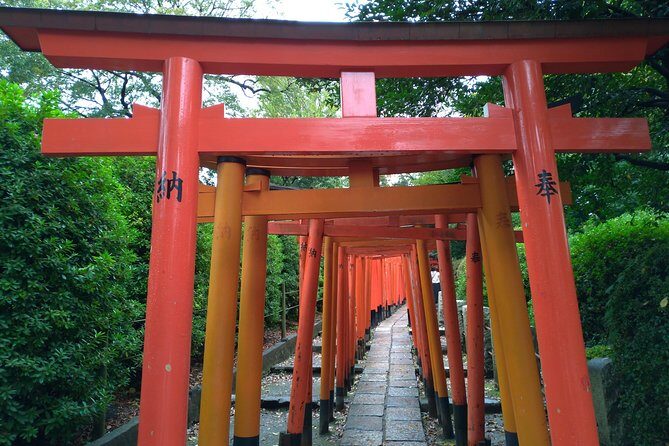
Your day begins at Hakone Shrine / Kuzuryu Shrine Singu, which is known as a famous power spot and dates back to 757. That founding year detail isn’t just trivia—it helps you understand why shrines like this feel different from quick roadside stops. You’re stepping into a place with long roots, set in a landscape that fits the theme of Hakone: nature, spirituality, and volcanic energy all in the same day.
You’ll have about one hour here. That’s enough time to slow down, read the atmosphere, and not feel like you’re “checking a box.” The shrine stop also helps you calibrate the day. After a Tokyo morning, this is a cultural reset, and it sets the tone before you move into the lake and the sulfur valley.
A possible drawback: if you’re not into shrine culture or religious sites, this can feel less exciting than the natural stops later. My advice is to approach it like a story setting. Even if you don’t spend every minute studying details, the shrine gives you context for why Hakone’s volcanic features have spiritual meaning.
Lake Ashinoko: volcanic origins and the views you should chase
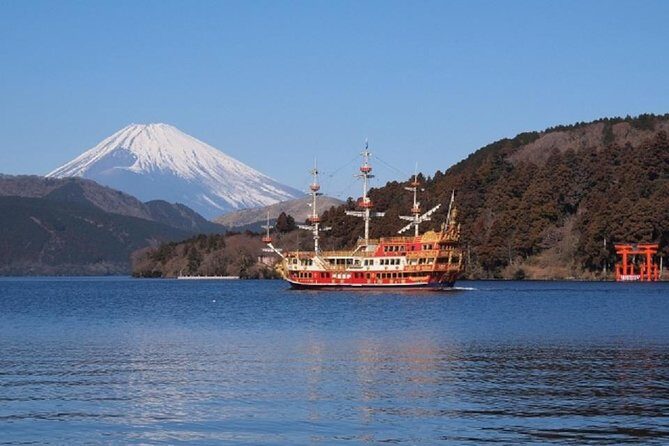
Next up is Lake Ashinoko, with about one hour here. The tour explains something key: the lake formed when debris avalanche deposits blocked the Hakone River after a volcanic eruption about 3,000 years ago. That story changes how you look at the water. You stop thinking of it as simply a scenic lake and start seeing it as part of Hakone’s active geology.
For the practical side, Lake Ashinoko is the kind of stop where your best experience comes from taking in views from the right places. The plan gives you a defined time block so you can do that without rushing. If you’re hoping for Mt. Fuji, this is one of the places where the day can align beautifully—though weather can shut it down, like it did on a rainy day in one shared experience.
What to consider: an hour can be short if you love slow scenic wandering. If you’re the type who likes to sit and watch light shift, you’ll want to arrive ready to be patient. Bring your attention for the weather too—cloud cover can change the mood fast, and Hakone is honest about that.
Also, admissions are not included for this stop. So while the scenery is a big draw, budget for your ticket and any on-site costs.
Owakudani Valley: sulfur fumes at Mt. Hakone’s last eruption
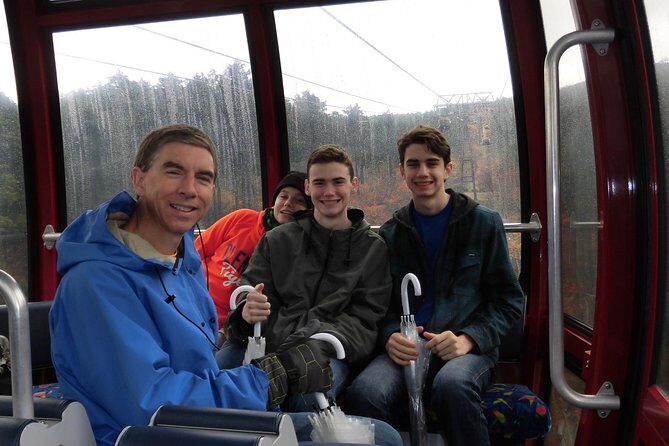
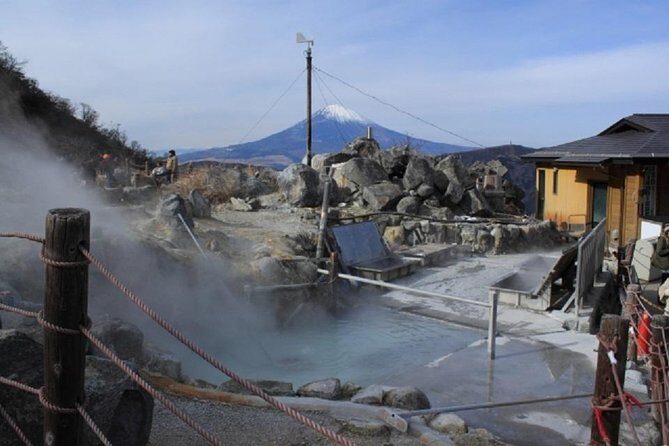
Then comes the most sensory stop: Owaku-dani Valley. You’ll spend around one hour here, and it’s described as being created about 3,000 years ago during the last eruption of Mt. Hakone.
This place has a very physical feel. White smoke and the smell of sulfur drift around the stone valley, and you really get a sense that the region’s volcanic energy isn’t just a history lesson. It’s one of those Hakone moments where your senses do the storytelling.
The tour also notes that the admission here is free, which is a nice cost-balancing point in a day where several other admissions are not included. So even though you’re paying for your overall private-guide experience, Owakudani gives you a small win on the on-site side.
One consideration: if you’re sensitive to strong smells, sulfur air can be intense. You might still enjoy the viewpoint areas, but plan your time so you don’t have to stand in one spot too long.
A few more Tokyo tours and experiences worth a look

Hakone Open-Air Museum: art outside, plus a foot bath break
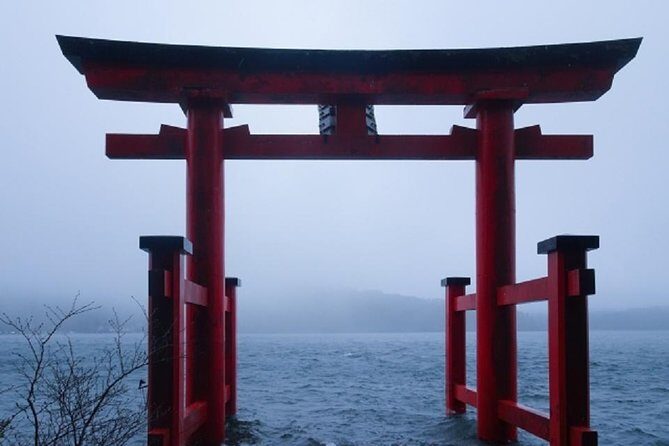
The final major attraction on the day is the Hakone Open-Air Museum, with about one hour. The museum is known for varied artwork by both Japanese and Western artists, and the experience connects art with the surrounding nature in a way that feels made for this region.
One of the strongest points from past experiences is how well the museum experience works as a whole: the views are amazing, and the show feels carefully arranged. It’s also not all walking and staring. There’s a foot bath, which gives you a practical reset if your day has started to weigh on your feet.
Admissions are not included here, so plan to purchase your ticket on-site (or add funds to your budget). This stop is also a good place to slow down compared to Owakudani. After a volcanic valley with steam and smells, the museum gives you airier pacing and something more reflective.
If you’re traveling with someone who likes art, this is a major plus. If art museums aren’t your thing, the outdoor setting and views can still make the stop worthwhile—you’re not just indoors with a timeline and walls.
Price and value at about $221 per person
At $221.12 per person for a roughly 10-hour private day, the price looks high at first glance. But this is the kind of cost that often makes sense once you translate it into what you’re actually buying.
You’re buying:
- a private English-speaking guide
- help meeting your day at 8:00 am in your Tokyo hotel lobby area (Tokyo 23 wards)
- guide-supported use of public transportation routes so you avoid losing time to navigation and language friction
- a full itinerary built around key Hakone stops, with about one hour per main stop
You’re not buying:
- food and drinks
- most admissions (Owakudani is free, but the shrine, lake, and museum have admission tickets not included)
- your personal public transport fares
So the real question is whether you value time and simplicity enough to pay for it. If you’re traveling as a couple or small group, the private-guide benefit becomes easier to justify because you split the decision-making burden. If you’re solo and admissions/transit add up fast, it may feel more expensive—but the guide still can save time, and time is money on a full-day schedule.
A small extra value signal: this tour is often booked far in advance (on average 182 days). Popular departures mean you should plan early anyway, especially if your dates are fixed.
When this tour is the right fit (and when it isn’t)
This is the best kind of tour for the kind of traveler who wants Hakone without the stress. If you like nature and want a day that hits Lake Ashinoko and Owakudani, this itinerary has a strong logic. Add Hakone Shrine for context, and finish with the Open-Air Museum for a break from geology and steam.
It’s also ideal if you want to use a JR Rail Pass and keep things streamlined. The guide navigation matters most when you’re trying to connect multiple transit steps and keep moving through a busy day.
I’d think twice if you:
- hate walking and want a low-mobility schedule. This day includes a fair amount of walking, even with transit help.
- dislike paying on top of the tour price. Admission fees are not included for several stops, and your personal transit fares are also not included.
- want total freedom to wander for long periods. This is a structured day with roughly one hour at each main stop.
The rainy-day experiences are a good reminder too: Mt. Fuji views aren’t guaranteed. But the plan still works because it doesn’t rely on only one perfect panorama. Even when the weather shuts down visibility, the day delivers variety.
Should you book this Hakone private tour?
Book it if you want a guided, efficient Hakone day where the guide handles public transport navigation and you can focus on the sights. I especially like it for first-time Hakone visits, for JR Pass holders, and for anyone who’d rather avoid route confusion and language barriers.
Skip it or consider alternatives if you’re trying to minimize total spend, if you hate walking, or if you prefer building your own day without a set rhythm. With this tour, you’re paying for smooth planning as much as you’re paying for the destinations.
If that tradeoff sounds fair to you, this private Hakone plan is a smart way to see the best of the area in one shot—shrines, lake scenery, volcanic steam, and outdoor art—under one clear plan from start to finish.
FAQ
What time does the tour start?
The tour starts at 8:00 am.
How long is the Hakone full-day private tour?
It runs for approximately 10 hours.
Is this a private tour?
Yes. It’s a private tour/activity, and only your group participates.
Where do we meet the guide in Tokyo?
Meeting is in the hotel lobby for hotels in the Tokyo 23 wards.
Is public transportation included?
The tour includes public transportation to/from for the guides, but public transportation to/from for customers is not included. The guide helps you navigate using public transport.
Are admission tickets included?
Admission tickets are not included for certain stops. Hakone Shrine / Kuzuryu Shrine and Lake Ashinoko and the Hakone Open-Air Museum list admissions as not included. Owakudani Valley is listed as free.
Does the tour include food and drinks?
No. Food and drinks are not included.
Is an English-speaking guide provided?
Yes. The tour includes an English-speaking professional guide.
What is the cancellation policy?
You can cancel for free up to 24 hours in advance for a full refund.
How does confirmation work after booking?
You’ll receive confirmation at the time of booking unless you book within 2 days of travel, in which case confirmation is received within 48 hours, subject to availability.