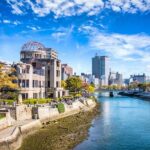
REVIEW · HIROSHIMA
Hiroshima Private Walking Tour with a Local
Book on Viator →Operated by Lokafy Inc. · Bookable on Viator
The Peace Memorial area can feel heavy. This private, custom walk adds the human side with a local host and real-life city advice, often starting near Hiroshima Peace Memorial Museum. I love the pre-tour chat that shapes your route and the way guides like Nora, Aimee-Linh, and Shinichi bring Hiroshima to life through everyday context, not just facts. One possible drawback: this style is about local perspective first, so if you want strictly deep historical narration, you may still want extra museum time or a specialist history guide.
You’ll trade a rigid checklist for a route built around your interests, your pace, and your questions. The tour is 2–6 hours, fully private for your group, and it runs in all weather (just wear comfortable shoes and plan for rain). Expect the end location to be flexible too, unless you ask otherwise.
In This Review
- Key highlights to look for
- Hiroshima’s Peace Memorial start point, and why it matters
- How a “feel like a local” walking tour actually works
- What your custom route can include, stop by stop
- The Peace Memorial area: orientation plus context
- Walking into everyday Hiroshima: streets, habits, and small discoveries
- Food breaks and ordering help (when you want it)
- Optional paid add-ons: museums, and even wider day plans
- Price and value: why $55 can be a smart spend
- Time on your feet: 2 to 6 hours without getting rushed
- Logistics that matter (and what they mean for you)
- Who should book this Hiroshima walking tour
- Should you book this Hiroshima private walking tour with a local?
- FAQ
- FAQ
- How long is the Hiroshima Private Walking Tour with a Local?
- Where does the tour start?
- Is the tour private or group-based?
- What’s included in the price?
- What is not included?
- Can I add a paid attraction during the tour?
- Is transportation provided during the tour?
- Does it run in bad weather?
- Are service animals allowed?
- Is there a free cancellation option?
Key highlights to look for
- A local-first route starting near the Peace Memorial Museum, with practical orientation and context
- Talk before you go so the walk matches your interests, questions, and comfort level
- Local restaurant and everyday tips (help with ordering came up in real experiences)
- Guides who adapt on the spot, including pacing support for mobility needs
- Optional paid add-ons (you pay entrances, and the Lokafyer’s fee applies too)
- A private walking format with no vehicle transport included
Hiroshima’s Peace Memorial start point, and why it matters
Most walking tours in Hiroshima begin with a date, a headline, or a statue. This one starts at the Hiroshima Peace Memorial Museum area, which immediately frames the day with purpose. If you’re visiting Hiroshima for the first time, that’s a smart move because it helps you orient your mind before you start walking the city.
Here’s what I like about beginning there: it gives your local host a shared starting point. From there, you can decide whether you want to linger, focus on how the city lives now, or balance heavier themes with lighter street-level observations.
The main consideration is emotional weight. Hiroshima’s story can get intense, fast. A good local host can soften the edges with pacing and conversation, but you should still plan for a reflective day.
You can also read our reviews of more walking tours in Hiroshima
How a “feel like a local” walking tour actually works

This isn’t a script you follow. After booking, you talk before the tour—by phone or app—and share what you want to see and how you want to move through the day. Your local host then builds a walk around your interests and their favorite areas, with cultural insight plus practical advice like transport and food.
In practice, that means you’re not just collecting sights. You’re asking questions like where people actually eat, what streets feel safe or busy at certain times, and how to read the city’s signals as you walk. Guides from real experiences also brought in perspective that touched philosophy and daily customs, not just dates.
I also appreciate that this tour gives you a general overview with practical local context rather than promising lecture-level historical coverage. That can be a good thing. It keeps the day moving and conversational, and it leaves room for you to choose how much detail you want inside museums.
What your custom route can include, stop by stop
Your walking plan is customized, so there isn’t one fixed path I can swear by. Still, you can expect the host to shape the day around a few common “building blocks” that fit Hiroshima well.
The Peace Memorial area: orientation plus context
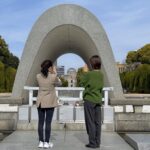
Starting near the museum usually leads to the Peace Memorial grounds and nearby key points. Even if you don’t spend your whole time inside paid exhibits, you’ll get a sense of the layout and what each area is for.
A big plus here is how local hosts interpret meaning through daily life. One guide described as a historian in real experiences focused on Hiroshima’s story with passion, while another brought in Japanese philosophy of life and explained difficult parts patiently to teens. That kind of framing can help your brain connect the “why” to what you’re seeing.
The drawback is simple: if you’re expecting a strict, detailed, chronological history delivered like a textbook, this format may feel lighter than you want. You can fix that by giving yourself extra museum time on your own and treating the walk as the meaning-and-life layer.
Walking into everyday Hiroshima: streets, habits, and small discoveries
Once the day shifts away from the memorial focus, the walk often becomes about normal life—shops, neighborhoods, and the rhythms of people moving through Hiroshima. This is where the “friend showing you around” concept really pays off.
From real guide experiences, I’ve seen how hosts included extra nearby sights that you might skip on a typical itinerary, plus honest pointers about how to spend time after the museum. One guide even helped point out what to do next and suggested a local meal stop.
The trade-off is that your route depends on your host and your preferences. If you want the same exact checklist as a big tour, this isn’t that. But if you want to leave with practical city instincts, it can be exactly right.
You can also read our reviews of more private tours in Hiroshima


Food breaks and ordering help (when you want it)
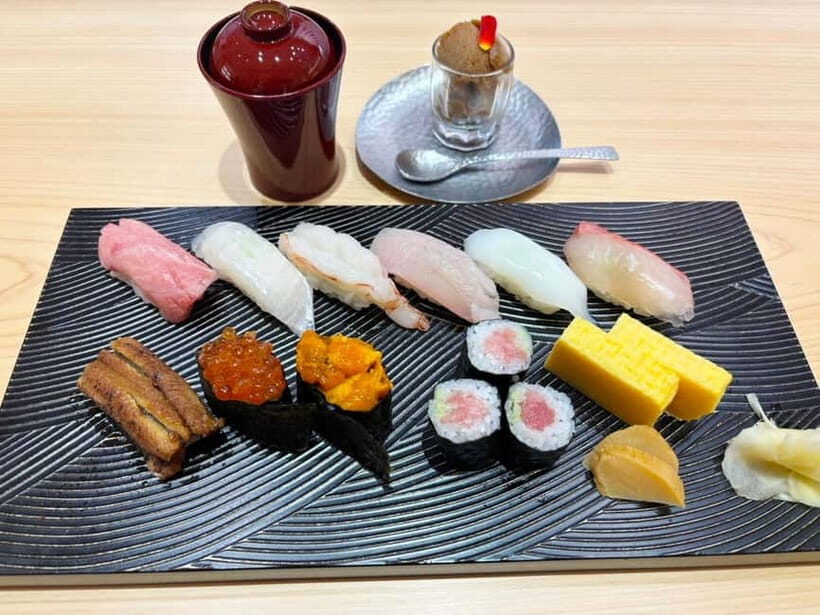
Even a short walking window can include a food moment, depending on what you tell your host. In real experiences, guides helped guests reach a good local restaurant and even supported ordering before the tour ended.
This is more valuable than it sounds. It removes the friction of menus, timings, and polite ordering—especially on a first visit to Japan. It also helps you eat somewhere that fits what you actually want that day, rather than what a guidebook suggests.
The only caution: food and drinks aren’t included. So if you’re hoping for a full meal included in the price, plan to pay separately.
Optional paid add-ons: museums, and even wider day plans
You can include paid attractions if you want, but you pay the entrance fees yourself. There’s another cost detail that matters: if you add an attraction, you cover the entrance cost and also the Lokafyer’s fee.
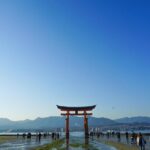
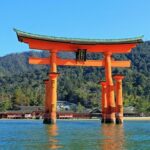
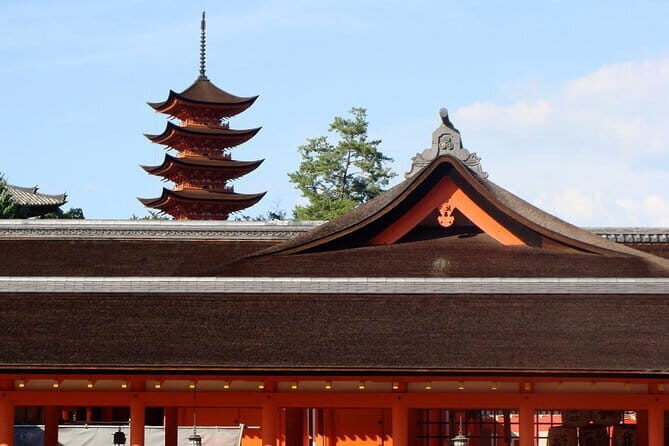
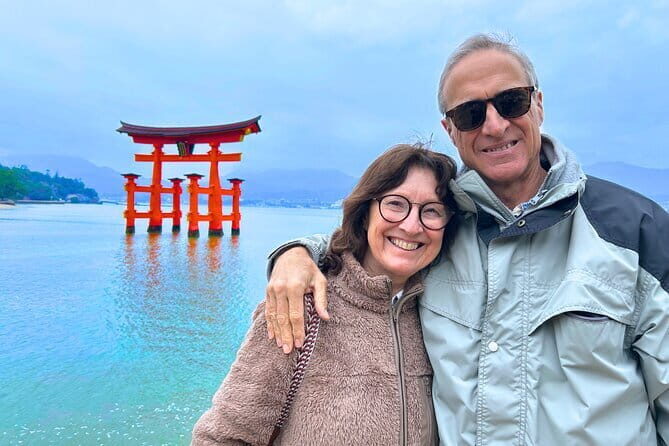
Some guides have arranged outings that went beyond Hiroshima City limits. One real example involved a guided day plan to Miyajima, including time around the Itsukushima area, a visit to Momijidana Park, and a cable car up to Mt. Misen. In that particular experience, the famous Torii gates were under renovation, which is the kind of variable you should expect with outdoor sites.
So if you’re considering an add-on like this, build flexibility into your schedule. If something is closed or under repair, your host can still help you shape a satisfying alternative within your time.
Price and value: why $55 can be a smart spend

At $55 per person, this tour sits in the “worth it if it matches your needs” category. The value depends on what you want from Hiroshima.
If you’re the kind of traveler who likes asking questions and getting practical advice, a private local host can save you time. You’re not wasting energy figuring out where to go next or how to move around; you’re walking with someone who can tailor the route and pacing. This also matters for families and mixed groups—one guide in real experiences handled teen children with patience and made room for tough explanations.
If you’re mainly seeking strict historical lecture content, the price may feel less compelling. The tour is designed for local perspective and practical guidance, not deep academic history.
A smart way to get your money’s worth is to plan ahead for your discussion before the tour. Share what you care about: peace memorial focus, local culture, food, philosophy, or specific neighborhoods. Your host can then build a route that actually uses your time.
Time on your feet: 2 to 6 hours without getting rushed
A 2–6 hour range gives you control, but it also means your route will be different depending on how much time you choose. If you only have a couple hours, you’ll likely focus on the Peace Memorial area plus nearby highlights. If you have longer, the walk can expand into more city sections and maybe include optional paid stops.
One thing I really value is that hosts can adjust to comfort needs. Real experiences included support for a guest with mobility issues, with the guide checking in and pacing things so the whole group felt okay. That’s the kind of flexibility you don’t always get with bigger tour formats.
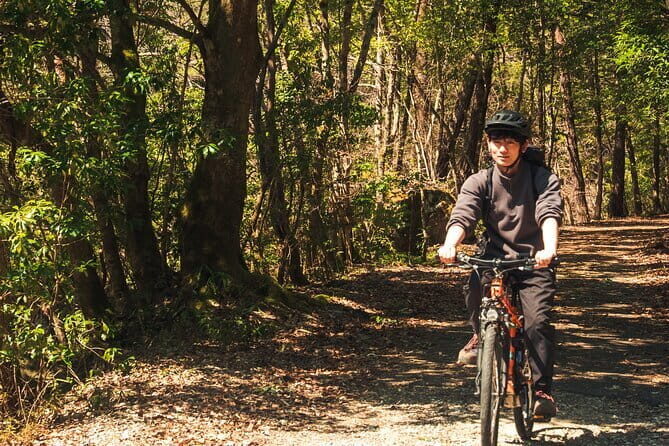
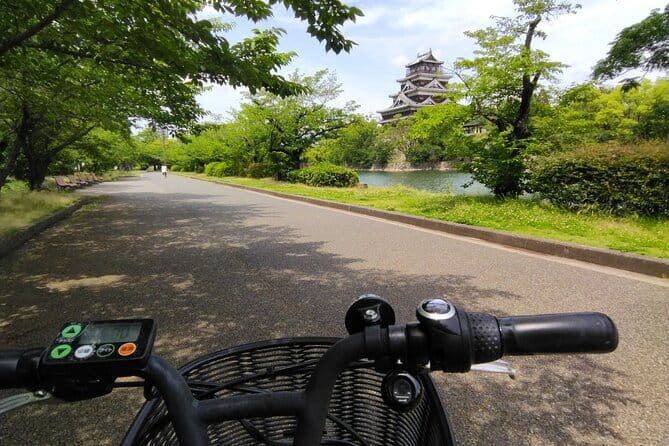
Practical advice: wear comfortable walking shoes. This is a walking tour, and the guide isn’t transporting you between far stops by vehicle. If you’re prone to foot fatigue, shorten your goal for the day and choose fewer stops.
Logistics that matter (and what they mean for you)
This is a private tour, so it’s only your group. That matters because you can steer the day: ask for a slower pace, skip an area, or focus on what you want most.
Meeting point is near Hiroshima Peace Memorial Museum. Ending is flexible and can be different unless you request otherwise. So have a plan for your return—especially if you’re connecting to later reservations.
Transportation to attractions isn’t provided. Since it’s a walking tour, you’ll be doing the walking portion yourself. If you add paid or farther attractions, you’ll need to cover your own transport costs.
Also: operations run in all weather conditions. If rain is in the forecast, bring something waterproof and keep your shoe choice practical.
Who should book this Hiroshima walking tour
This works best when you want a day that feels personal and practical, not just a list of landmarks. I’d especially recommend it if you:
- Want a private experience you can tailor to your interests
- Like local advice about food, walking routes, and how to handle Japan logistics
- Are visiting for the first time and want help getting your bearings quickly
- Have a group with different needs and you want flexible pacing
- Prefer conversation over a long guided lecture
It might not be the best match if your main goal is strictly detailed history. In that case, you can still benefit from the local lens, but plan to pair it with extra museum time or another history-focused activity.
Should you book this Hiroshima private walking tour with a local?
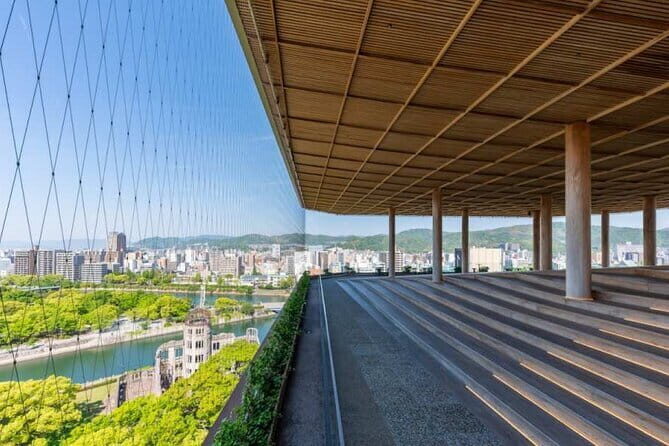
If your ideal day is part memorial reflection, part real-city conversation, and part practical guidance, I think you should book it. The starting point near the museum gives your walk a strong emotional and geographic anchor, and the pre-tour chat helps the route fit you.
I’d only skip it if you want a rigid, professionally scripted history tour with deep facts on every stop. This experience is built for meaning through people and place, and it can be more satisfying when you go in with questions and flexibility.
FAQ
FAQ
How long is the Hiroshima Private Walking Tour with a Local?
It runs for 2 to 6 hours, depending on your chosen duration and interests.
Where does the tour start?
The meeting point is Hiroshima Peace Memorial Museum, 1-2 Nakajimachō, Naka Ward, Hiroshima, 730-0811, Japan.
Is the tour private or group-based?
It’s a private tour/activity. Only your group will participate.
What’s included in the price?
You get a private walking tour with a Lokafyer (local host) and a personalized itinerary tailored to your interests.
What is not included?
Personal expenses, optional tips/gratuities, optional activity costs, food and drinks, transportation to/from attractions, and any entrance fees for paid attractions are not included.
Can I add a paid attraction during the tour?
Yes, you can include attractions, but you must cover the entrance cost yourself. You also cover the Lokafyer’s fee.
Is transportation provided during the tour?
No. This is a walking tour, and no transport is provided between attractions.
Does it run in bad weather?
Yes, it operates in all weather conditions. Dress appropriately for rain or cold.
Are service animals allowed?
Yes, service animals are allowed.
Is there a free cancellation option?
Free cancellation is available if you cancel up to 24 hours in advance for a full refund. If you cancel less than 24 hours before the start time, the amount paid isn’t refunded.