REVIEW · HIROSHIMA
History of Hiroshima Group Walking Tour
Book on Viator →Operated by Ali · Bookable on Viator
Hiroshima hits hardest with context. This 2-hour walking tour explains how the atomic bombing reshaped Hiroshima—and how the city rebuilt itself as a symbol of peace and resilience. You get a guide with a Peace Studies degree, plus a tight route that works well when your Hiroshima time is limited.
Two things I really like: the way the tour connects the big monuments to the human stories (not just dates), and the small group size up to 30 so you’re not lost in a crowd. One thing to consider: the subject is heavy. This is not a light stroll, so go when you can handle emotional pauses, and plan for good weather since it’s an outdoor walk.
In This Review
- Key Moments Worth Your Time
- A Two-Hour Walk That Explains Hiroshima Without the Guesswork
- Meeting Near Ristorante Mario, Ending at the Hypocenter
- Gates of Peace: Where the Tour Sets the Tone
- Mother and Baby in the Storm to the Cenotaph for Atomic Bomb Victims
- The National Peace Memorial Hall: Destruction Explained Clearly
- Rest House of Hiroshima Peace Park: Survival at 170 Meters
- Children’s Peace Monument and the Paper Crane Symbol
- The Korean Victims and Survivors Monument and the Peace Bell
- Atomic Bomb Dome: The Building That Still Speaks
- Price and Value: Is $32.84 Worth It?
- Should You Book This Hiroshima Walking Tour?
- FAQ
- How long is the History of Hiroshima Group Walking Tour?
- What does the tour cost?
- Where do I meet the guide, and where does the tour end?
- Is admission included for the sights visited?
- What size is the group?
- What is included, and what is not included?
Key Moments Worth Your Time
- Gates of Peace: a clear starting point for why Hiroshima was targeted and how history shifted
- Mother and Baby in the Storm: a simple, heartbreaking monument that centers mothers and children
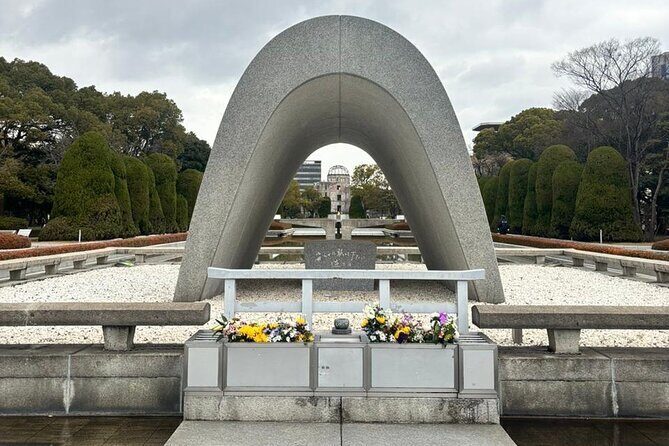
- Names at the Cenotaph: a direct, respectful way to meet the scale of loss
- Survival details: the Rest House site shows what “close to ground zero” really means
- Children and the paper crane: Sadako’s story turns remembrance into a living symbol
A Two-Hour Walk That Explains Hiroshima Without the Guesswork
This tour is built for travelers who want meaning, not just sightseeing. In about 2 hours, you’ll move through the Hiroshima Peace Memorial Park area and finish near the Atomic Bomb Hypocenter, so the big story has a beginning, middle, and end.
What makes it work is the guide’s framing. A guide with Peace Studies training tends to explain not only what happened, but also how the city chose to remember. You’ll also hear small moments of humanity: questions are invited, and the tone is handled carefully—sometimes with light humor when it’s appropriate to keep the group steady. Guides you may encounter (based on past groups) include Ali, plus names like Malek, Cva, Moe, and Shiva.
The pace also matters. This is an easy-walking format, and the itinerary is split into short stops (mostly 5–20 minutes each). That keeps it manageable for a first visit, even if you’re also seeing the city’s museums or doing day trips.
You can also read our reviews of more walking tours in Hiroshima
Meeting Near Ristorante Mario, Ending at the Hypocenter
The start is at Ristorante Mario (4-11 Nakajimachō, Naka Ward). From there, the route is designed to end at the Hiroshima Atomic Bomb Hypocenter Monument—the Ground Zero marker.
This matters practically: you’ll finish at the most powerful reference point of the entire area. If you’re planning your day, aim to treat this as one of your “anchor” activities. A lot of people pair it with other Hiroshima stops afterward, but I’d avoid stacking it with something that requires intense focus right after. Your brain will likely still be catching up.
It’s also described as near public transportation, which is helpful if you’re arriving by tram or bus. And since the tour uses a mobile ticket, you don’t need to hunt for printed documents on busy days.
Gates of Peace: Where the Tour Sets the Tone
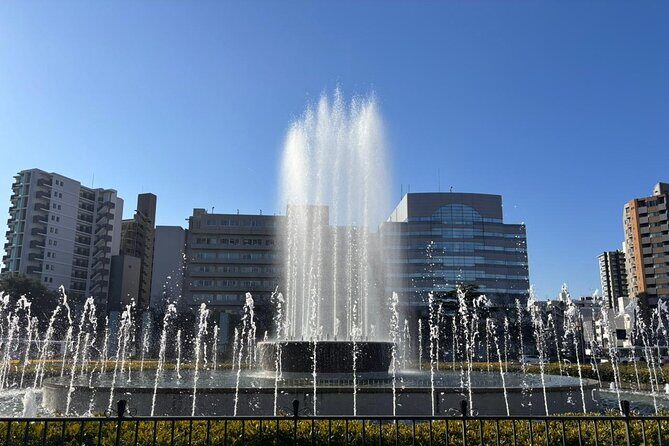
You begin at the Gates of Peace, a symbolic entry point that helps you understand what you’re about to see. The guide explains why an atomic bomb was dropped on Hiroshima and how it altered the course of world history.
This stop is more than a photo-op. The gates work like a doorway into memory. You’ll get context first—what Hiroshima was, what was lost, and why the Peace Memorial Park exists the way it does. It’s a smart way to start, because it keeps the rest of the walk from feeling like disconnected exhibits.
You’ll also notice how the monument language is built for meaning, not shock. Even when the topic is grim, the design pushes you toward reflection.
Mother and Baby in the Storm to the Cenotaph for Atomic Bomb Victims
After the gates, the tour moves to Mother and Baby in the Storm, known as a monument dedicated to mothers who sacrificed their lives trying to save their children.
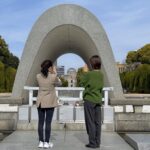
Then comes a stop that can feel almost surreal in its simplicity: the Hiroshima Peace City Monument Cenotaph for the Atomic Bomb Victims, where the victims’ names are memorialized.
I like this sequence because it shifts from symbolism to scale:
- First you get a single, clear image of family loss.
- Then you see remembrance at a larger register, anchored by names.
The guide’s job here is crucial. Without someone to translate the significance, it’s easy to view these places like dramatic landmarks. With a strong guide, the same spaces become a respectful meeting with history—one that emphasizes people over statistics.
The National Peace Memorial Hall: Destruction Explained Clearly
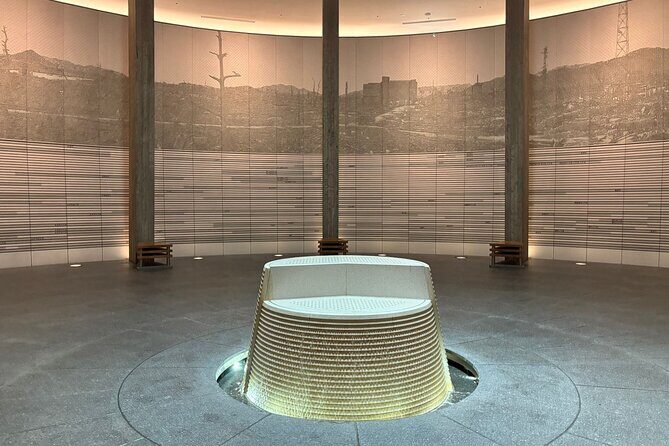
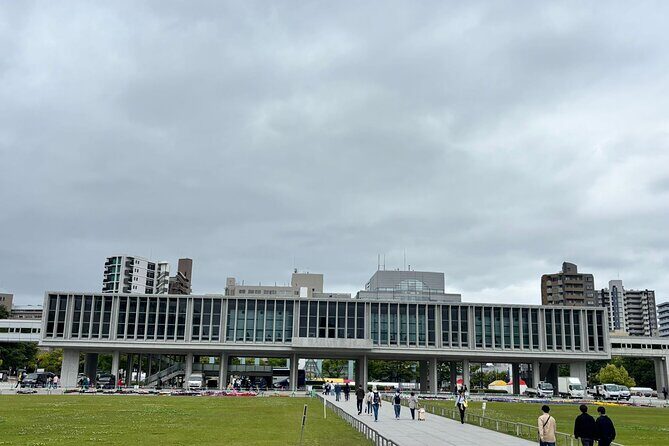
Next is the Hiroshima National Peace Memorial Hall for the Atomic Bomb Victims. This stop is about the destruction of the city, shown through the memorial’s displays.
If you want to understand the bombing’s impact in a more detailed way, this is the moment. The hall helps you connect the earlier memorial symbols to the physical reality of what changed in Hiroshima.
One practical tip: give yourself mental space here. Indoor exhibits often pull you into details, and it can be tempting to rush. Instead, take the guide’s pacing as a cue. You don’t need to read everything cover-to-cover to benefit—what you’re looking for is the explanation that links the objects and images to the larger story.
You can also read our reviews of more historical tours in Hiroshima
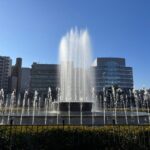

Rest House of Hiroshima Peace Park: Survival at 170 Meters
After the memorial hall, you visit the Rest House of Hiroshima Peace Park, specifically known for a surviving structure located about 170 meters from ground zero.
This stop hits differently than the rest, because it turns “distance” into something you can almost feel. The guide uses the site to explain what survival near the epicenter meant, and how close the world can be to catastrophe.
I appreciate that the tour doesn’t treat this as a miracle story or a trivia stop. It’s presented as evidence—of vulnerability, of timing, and of the human scale of the event.
Children’s Peace Monument and the Paper Crane Symbol
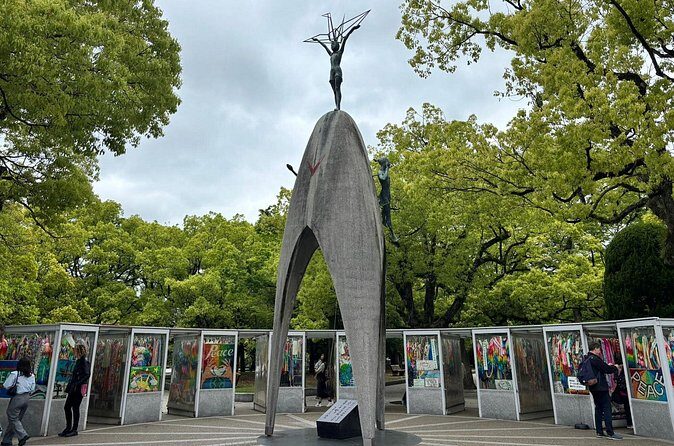
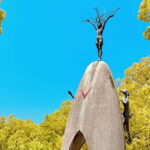
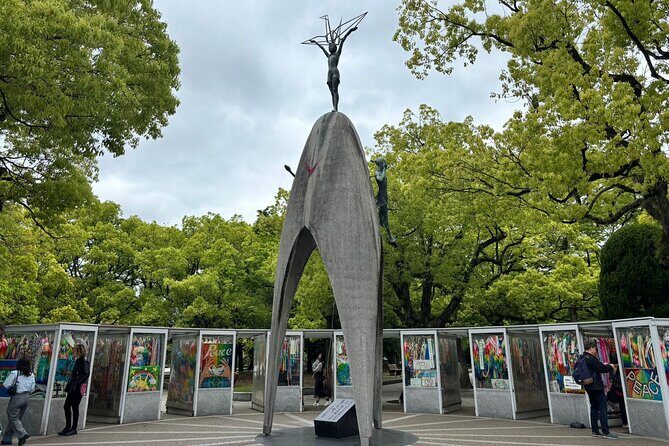
One of the most important stops on the walk is the Children’s Peace Monument, dedicated to Sadako and other children who died in the bombing.
Sadako’s connection to the paper crane is central here. The monument tells the story behind that symbol of peace, and the guide’s explanation makes it easier to understand why a simple craft became part of an international message.
This is one of those moments where the tour feels “human-scale,” even though the subject is enormous. The symbolism isn’t there to soften reality; it’s there to keep remembrance alive. If you’re worried that a memorial tour will only be heavy without being meaningful, this is where it becomes meaningful.
The Korean Victims and Survivors Monument and the Peace Bell
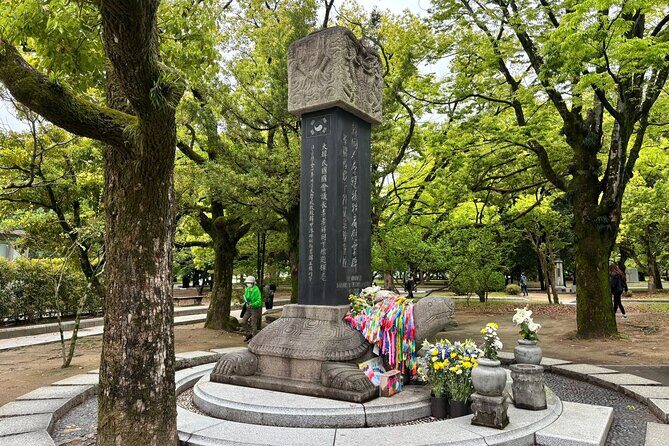
After the children’s memorial, the tour includes two more short but significant stops.
First is the Monument to Korean Victims and Survivors, honoring Korean victims connected to the bombing.
Then comes the Peace Bell, a quieter marker in the route, but an important one. Bells are often about calling people back to a shared hope—and here it reinforces the tour’s overall message: remembrance tied to peace, not just mourning.
I like these stops because they broaden the story beyond a single national frame. They remind you that Hiroshima’s history affected people in multiple communities.
Atomic Bomb Dome: The Building That Still Speaks
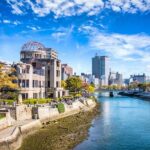
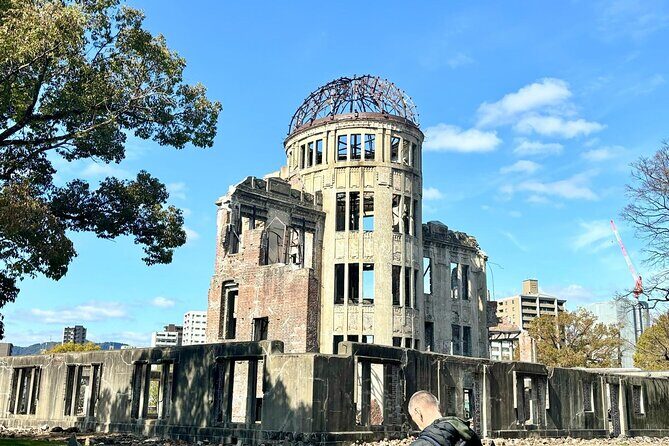
Finally, you reach the Atomic Bomb Dome, a building that survived the atomic bombing in Hiroshima.
This is where your earlier stops start clicking into place. The Dome isn’t just a preserved structure—it’s a visual summary of everything you’ve heard: destruction, endurance, and the decision to remember.
Plan to slow down here. The Dome is famous for a reason, but it’s also easy to treat it like a checklist item. Let the guide’s earlier context shape how you look at it. You’ll likely notice more than you would if you arrived without a story stitched into your visit.
Price and Value: Is $32.84 Worth It?
At $32.84 per person for an approximately 2-hour guided walk, the value depends on what you want from Hiroshima.
Here’s the practical way I’d judge it:
- If you’re visiting Hiroshima for the first time and you want meaning quickly, the guided format is a strong deal. You’re not paying only for walking. You’re paying for someone to explain what each site represents and how they connect.
- The tour includes a guided tour, and many of the listed stops are marked with free admission for the sites you visit. That reduces the “hidden costs” feel that sometimes hits memorial tours.
- With a maximum of 30 travelers, you can actually hear the guide instead of just listening to a distant voice.
If you’re the kind of person who likes reading on your own, you could piece this together independently. But if you want your time to convert into understanding—fast—this format is built for that.
Also, the tour advertises group discounts. If you’re traveling with friends or family, you might be able to lower the per-person cost.
One last note: lunch isn’t included. Build in food time before or after, because the emotional weight of the tour can make decision-making around meals feel extra important.
Should You Book This Hiroshima Walking Tour?
Book it if:
- you have limited time and want a route that gets you to the core memorial sites fast
- you prefer guidance for heavy topics so you don’t miss the meaning
- you want a calm, structured pace with a guide who can answer questions
- you care about the symbolism and the stories behind monuments, not just where they are
Skip it or approach with caution if:
- you know you’re sensitive to emotionally intense history and you won’t handle stops that ask you to slow down
- you need a flexible itinerary with lots of extra breaks (this one is structured into short, timed visits)
- you’re planning to visit only when conditions are uncertain; the experience is noted as requiring good weather
If you do book it, give yourself enough mental room for the walk. This is the kind of experience where the details matter, and the guide helps those details land gently—one stop at a time.
FAQ
How long is the History of Hiroshima Group Walking Tour?
It lasts about 2 hours.
What does the tour cost?
The price is listed as $32.84 per person.
Where do I meet the guide, and where does the tour end?
You start at Ristorante Mario (4-11 Nakajimachō, Naka Ward, Hiroshima) and end at the Hiroshima Atomic Bomb Hypocenter Monument.
Is admission included for the sights visited?
The provided details show admission tickets are free for the listed stops.
What size is the group?
The group has a maximum of 30 travelers.
What is included, and what is not included?
The tour includes a guided tour. Lunch is not included.