REVIEW · KYOTO
Inside of Fushimi Inari – exploring and lunch with locals
Book on Viator →Operated by Japan Exploration Tours JIN-仁 · Bookable on Viator
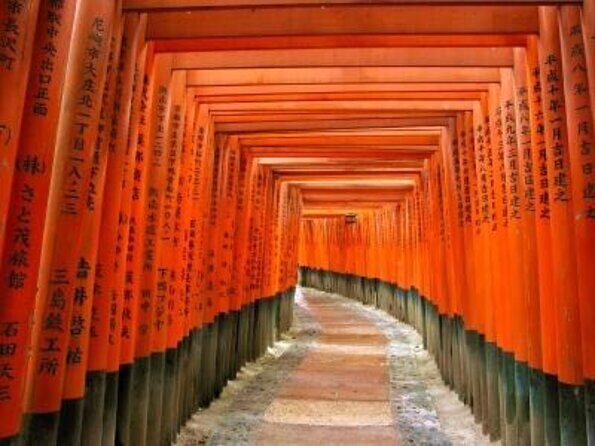
Red gates meet quiet forest trails. This half-day Fushimi Inari-taisha hike is built around seeing the famous torii gates and then walking beyond the crowd into bamboo and cedar paths, with an explanation of why the shrine looks the way it does.
I especially like how the tour feels small-group and easy to follow, and how you get a guided route that still includes the main sights. A possible drawback: the return hiking path includes stairs and a short uphill push, so you’ll want comfortable shoes and a moderate fitness level.
What I like most is the way guides (I’ve heard from folks about guides like Ko and Satsuki) adjust the pace and keep you moving at a human speed. You also get real food value: a soba noodle lunch plus a Japanese tea-and-egg break, with vegetarian, halal-friendly, and gluten-free options noted.
One thing to keep in mind is that this is not a flat sightseeing stroll. The climb to the summit shrine is about 20 minutes, and the route can feel more challenging than you might expect once you’re on the stairs and forest paths.
In This Review
- Key points
- Why Fushimi Inari’s red gates need a guide
- The meeting point that actually helps you start on time
- Stop 1: Main shrine and torii gates, then a quieter path
- Worship stones, a waterfall, and a gate factory
- The bamboo-and-stairs reality: summit hike details you should know
- Lunch that keeps the day from turning into a hangry scavenger hunt
- Dietary options are actually part of the plan
- What makes the guide experience special here
- Route strategy: how this tour avoids the worst crowd moments
- Price and value: what $72.26 buys you in real terms
- Who this tour is for (and who should think twice)
- Weather, timing, and your best-day setup
- Final verdict: Should you book this Fushimi Inari hike?
- FAQ
- FAQ
- How long is the Fushimi Inari tour?
- What’s the group size?
- Does the tour include lunch?
- What food and snacks are included?
- Is there an admission ticket included?
- Is the route suitable for beginners?
- Does the tour reach the summit shrine?
- Are dietary restrictions accommodated?
- Where do you meet, and where do you end?
- Is there mobile ticketing?
Key points
- Quieter route: You work in off-the-beaten paths through bamboo and cedar trees
- Torii-gate context: You get history and cultural background, not just photos
- Summit stop: A climb to the summit shrine (about 233 m) for a different perspective
- Good guided flow: Guides help keep pace and reduce time lost in crowds
- Included meal: Soba lunch plus Japanese tea and a boiled egg break
- Small group: Maximum size is listed as 6 travelers
Why Fushimi Inari’s red gates need a guide
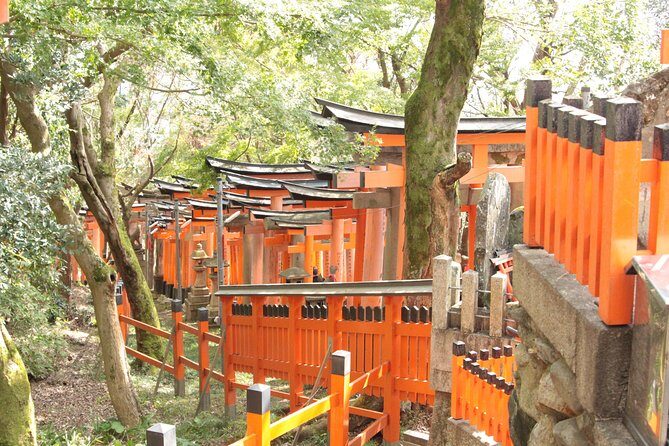
Fushimi Inari-taisha is one of those Kyoto sights that looks straightforward until you’re there. The famous red torii gates can make you think it’s a simple walk to a viewpoint—until you realize there’s a whole mountain of paths, shrine spots, and traditions layered on top of the photo scene.
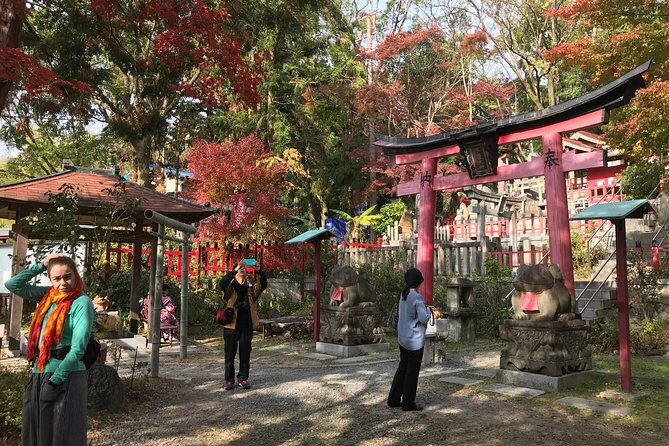
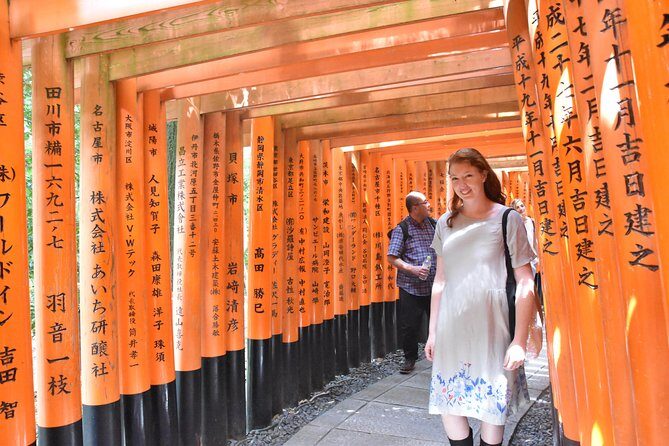
That’s why this tour works well. You start with the main shrine and the thousands of gates, but you’re not left guessing what you’re looking at. With a guide’s explanation of the torii gates and what they mean culturally, the place stops feeling like a background for selfies and starts feeling like a living religious landscape.
A few more Kyoto tours and experiences worth a look


The meeting point that actually helps you start on time
You’ll meet at Great ToriiJapan (深草薮之内町68番地, Fushimi Ward). The description says it’s near public transportation, which matters at Fushimi Inari because crowds and street traffic can make a “quick start” plan fall apart fast.
A small practical tip: arrive with a little buffer. There was at least one reported issue where a guide didn’t connect right away, and the provider’s response noted that the guide had a distinctive cap they’d mentioned in advance. If you go, plan to be at the meeting spot early, and keep an eye out for that identifiable look.
Stop 1: Main shrine and torii gates, then a quieter path
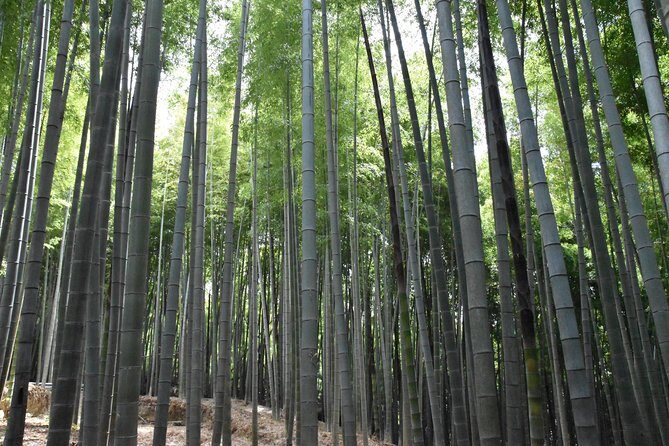
Your time really starts at Fushimi Inari-taisha itself, with a long block focused on both the iconic area and the route that most people miss. The tour includes sightseeing at the main shrine and time among the thousands of red gates, with explanation about the shrine’s history and cultural background.
Then comes the part that turns this into more than the standard Fushimi Inari loop: you shift away from the densest tourist flow and head onto peaceful paths through bamboo and cedar forest. In plain terms, the place feels calmer, cooler, and more “Kyoto” the moment the trees close in.
Worship stones, a waterfall, and a gate factory
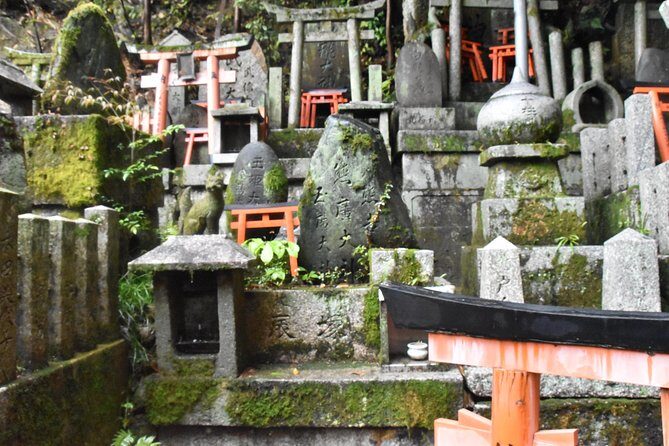
As you move through the off-the-beaten-track route, you’re not just walking between torii. The route includes authentic holy spots such as worship stones and a waterfall, plus a gate factory stop.
That gate factory detail is a big deal if you like understanding how things are made. You get to connect the iconic red torii you’re photographing with the real-world work behind it.
The bamboo-and-stairs reality: summit hike details you should know
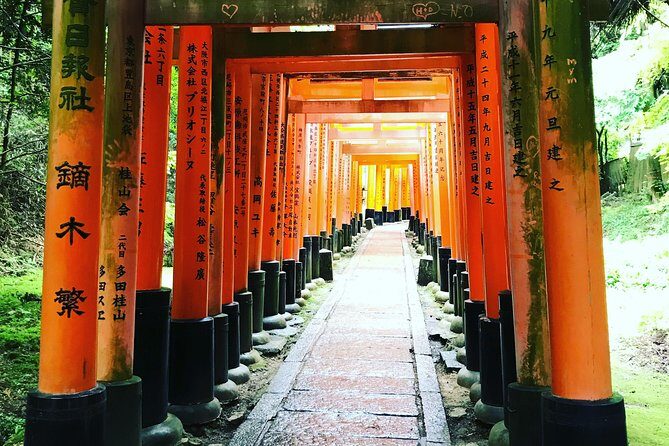
After the calmer forest sections, the route climbs toward the summit shrine. The guide portion describes a climb route that takes about 20 minutes, with the summit at 233 m. Once you reach the top, you’ll get time to look around the summit shrine area, and you can pray if you want.
Here’s the honest trade-off: even if the walking feels manageable for a lot of people, the stairs and the uphill feel can add up. The tour information lists a moderate fitness level, and feedback highlights that the hike can be more challenging than expected because there are plenty of stairs and some steep sections.
If you’re someone who can handle walking but hates leg burn, bring a steady pace strategy:
- Slow down early so you don’t spike your effort on the first stair section
- Take short pauses rather than long ones, so you keep moving smoothly



Lunch that keeps the day from turning into a hangry scavenger hunt
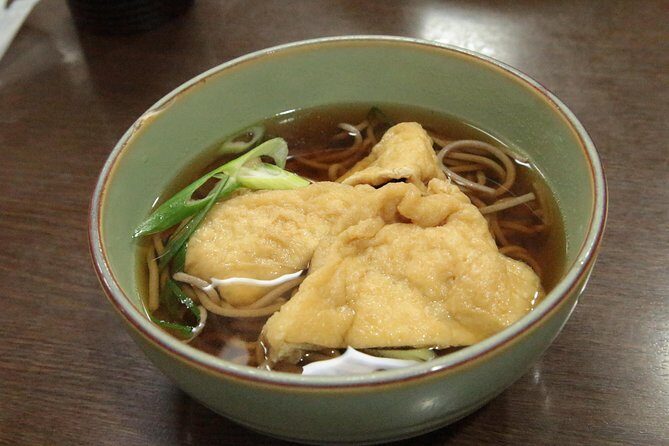
One of the best “value” parts of this tour is the meal plan. You get soba noodles for lunch, plus a break that includes Japanese tea and a boiled egg.
That matters because Fushimi Inari can turn into a food logistics mess. If you’re relying on your own research on the day, you may find yourself bouncing between overpriced snacks and long lines. With lunch handled, you can focus on the hike and enjoy the day instead of constantly checking your watch.
Dietary options are actually part of the plan
The tour notes that vegetarian, halal-friendly, and gluten-free options are available. That’s the kind of detail you should look for when you want a guided experience to feel comfortable, not stressful.
What makes the guide experience special here
Small tours live or die on the guide, and this one clearly leans into that. The feedback includes two strong examples of guide style: Ko and Satsuki both came up in reviews as being friendly, informative, and good at matching the group pace.
What you’re hoping for is not just facts. You want someone who can explain the shrine and the mountain layout so the route makes sense while you walk. With the torii background, the meaning of different stopping points, and the shift from main gates to calmer spots, the guide’s job is basically to help you experience Fushimi Inari in “order,” not in chaos.
Route strategy: how this tour avoids the worst crowd moments
Fushimi Inari can be crowded, plain and simple. This tour’s design recognizes that by splitting your time into:
1) classic sightseeing near the main shrine and gate scene
2) quieter hiking through bamboo and cedar
3) a summit climb that gives a different feel than the flat, photo-heavy paths
You still get the iconic gates, but the experience doesn’t stop there. You end up with the sense of seeing a full mountain of spots rather than doing one fast circuit and calling it done.
The payoff is exactly what people want when they come to Kyoto for more than a checklist: a moment where the shrine feels personal, even in a famous place.
Price and value: what $72.26 buys you in real terms
At $72.26 per person (with mobile ticketing), you’re paying for more than “someone to point at things.” You’re paying for:
- a guided route with history and cultural background
- a small-group format (maximum size is listed as 6)
- included admission ticket
- included soba lunch
- included tea and a boiled egg break
- time spent on a route that includes multiple stopping points, like a waterfall and a gate factory
If you were doing this DIY, you’d save the guide fee—but you’d lose the explanation, lose some off-the-beaten route structure, and still have to sort lunch and how to manage the hike without backtracking. For many people, the cost lands as fair because the included meal and guidance reduce friction.
If your goal is mainly photos and you’re comfortable reading the shrine layout yourself, you might be able to do it independently. But if you want the “why” behind what you see and a calmer hiking experience, the bundled value is strong.
Who this tour is for (and who should think twice)
This hike is a good match if:
- you want a guided off-the-beaten-track route, not just the most crowded trail
- you enjoy learning the meaning behind the torii gates and shrine spots
- you want lunch handled and included
- you can do moderate walking with stairs
It may not be ideal if:
- you struggle with steep stairs or uphill climbs
- you want a purely flat, low-effort experience
- you’re going in rainy weather and dislike postponing outdoor plans (the description notes the experience requires good weather)
Weather, timing, and your best-day setup
The tour requires good weather. That’s because the hiking sections run through forest paths, and conditions can change quickly. If you can choose dates, I’d aim for a day that looks steady rather than “maybe fine.”
Also, Fushimi Inari is a place where early hours can help. Even with a guide, the crowd dynamic is real. Plan to start with energy, wear comfortable shoes, and keep expectations flexible if the day is busy.
Final verdict: Should you book this Fushimi Inari hike?
Yes, if you want Fushimi Inari with context and a calmer hiking route. The combination of main shrine torii-gate sightseeing plus bamboo-and-cedar paths, a short summit climb, and included soba lunch plus tea and a boiled egg break makes it feel complete for a half day.
Skip (or choose another style of tour) if stairs and uphill walking will make you miserable. The summit climb and forest-route stairs are a real part of the experience, even though the tour still targets moderate fitness.
FAQ
FAQ
How long is the Fushimi Inari tour?
The tour runs about 4 hours approximately, with the main hiking and lunch portion described as 3 hours and 30 minutes.
What’s the group size?
The activity lists a maximum of 6 travelers.
Does the tour include lunch?
Yes. It includes a soba noodle lunch.
What food and snacks are included?
In addition to the soba lunch, the tour includes Japanese tea and a boiled egg break.
Is there an admission ticket included?
Yes. The tour includes an admission ticket.
Is the route suitable for beginners?
The tour notes travelers should have a moderate physical fitness level. There are stairs and a summit climb, so it may feel tough for those who dislike steep walking.
Does the tour reach the summit shrine?
Yes. The itinerary includes climbing to the summit shrine (about a 20-minute climb), and the summit is listed at 233 m. There’s also time at the summit shrine area.
Are dietary restrictions accommodated?
The information states vegetarian, halal-friendly, and gluten-free food options are available.
Where do you meet, and where do you end?
You meet at Great ToriiJapan (深草薮之内町68番地, 612-0881 Kyoto) and the activity ends back at the meeting point.
Is there mobile ticketing?
Yes. The tour includes mobile ticketing.