REVIEW · TOKYO
Japanese Wine Omakase in Shibuya – Guided Tasting, Not Sake
Book on Viator →Operated by Tokyo's Must-Do Wine Experience · Bookable on Viator
Japanese wine tasting near Meiji Jingu surprises fast. In just 75 minutes, you sip five Japanese wines with refined small plates in an intimate 12-guest room guided in English by Alex. I love the focus on native grapes instead of the usual sake route, and I love how Alex makes each pour feel like a story; the only downside is it sells out and the $97.98 price is for wine people, not a casual snack.
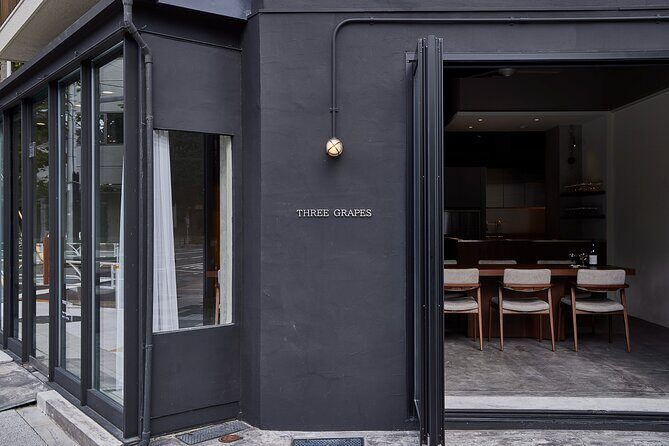
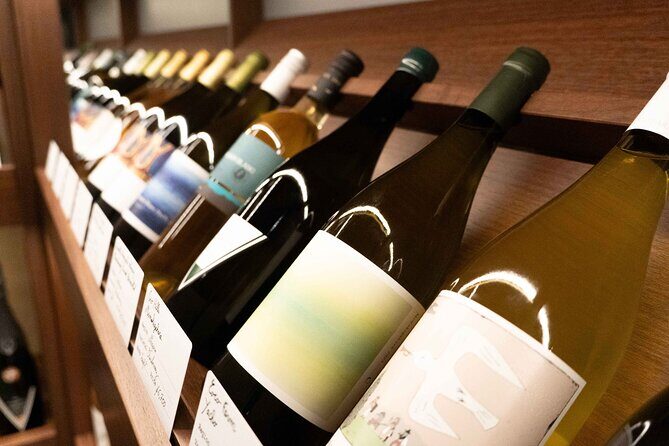
After the tasting, you can stay for optional bar time and browse bottles in a curated Japanese wine cellar. If you want to keep the momentum, there’s also hotel or airport delivery available for bottles you choose. The room itself feels stylish and slightly tucked away, with little design touches like window art that make the whole experience feel special without being showy.
In This Review
- Key things I’d plan for (before you book)
- Japanese Wine Omakase in Shibuya: What Makes It Worth Your Time
- The 75-Minute Flow: Five Japanese Wines + Small Plates
- Getting Real Context: Native-Grape Stories You Can Actually Use
- The Intimate 12-Guest Room: Why the Setting Matters
- After the Tasting: Optional Bar Time and Buying Bottles
- Price and Value: Is $97.98 a Good Deal?
- Where It Fits on Your Tokyo Day (Near Meiji Jingu)
- Who This Japanese Wine Tasting Is Best For
- Should You Book This Shibuya Japanese Wine Omakase?
- FAQ
- How long is the Japanese wine omakase tasting?
- Is this tour focused on sake?
- How many people are in the group?
- What’s included in the price?
- Where does the experience start?
- Can I buy bottles to take home?
- Is there an age limit?
- What happens if the weather is bad?
- Can I cancel for free?
Key things I’d plan for (before you book)
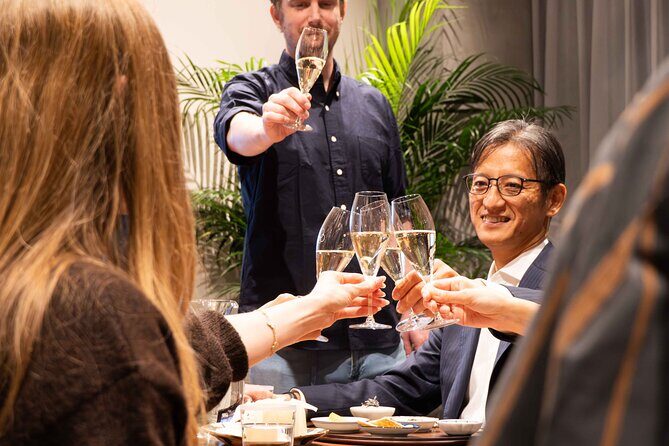
- 5 wine tastings with small plates designed to match each glass
- English-guided by Alex with stories about native Japanese grapes
- Max 12 guests so questions stay easy and the pace stays relaxed
- A wine-first experience, not a sake crawl
- Ice wine can be a standout when it appears in the lineup
- Optional bar time plus take-home bottles (with hotel or airport delivery)
Japanese Wine Omakase in Shibuya: What Makes It Worth Your Time
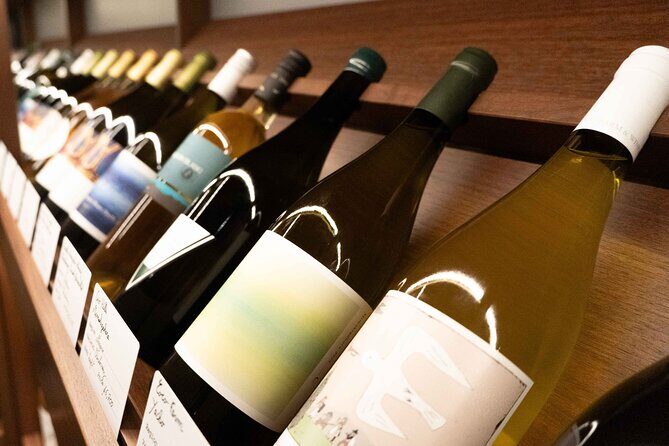
Tokyo has no shortage of drinking plans, but this one is built around Japanese wine instead of the standard parade of sake bars. That single choice changes everything: you’re not learning how to order the same thing you’ve already had at home. You’re tasting bottles you’re unlikely to see abroad, with flavors shaped by Japanese terroir and grape varieties native to Japan.
I also like the format. A small-group tasting led by a wine expert means you don’t just drink. You understand what you’re tasting, and you leave with a mental map for what to order next time. In an area like Shibuya, where itineraries can get loud fast, the experience feels calmer and more focused—exactly what you want when you’re trying to learn something, not just check a box.
One thing to consider: this is priced like a wine experience, not a cheap night out. If you’re looking for a bargain or you want a big social party, you may find the cost hard to justify for just five pours and small plates.
You can also read our reviews of more food & drink experiences in Tokyo

The 75-Minute Flow: Five Japanese Wines + Small Plates
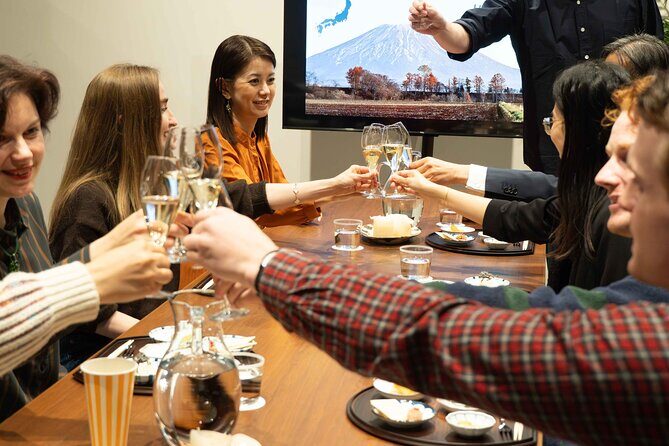
The core of this experience is a 75-minute English-guided tasting built around five wines. You’ll get small plates paired with each pour, which matters because Japanese wine often highlights details that can get lost without the right food support.
Here’s how to think about the pacing:
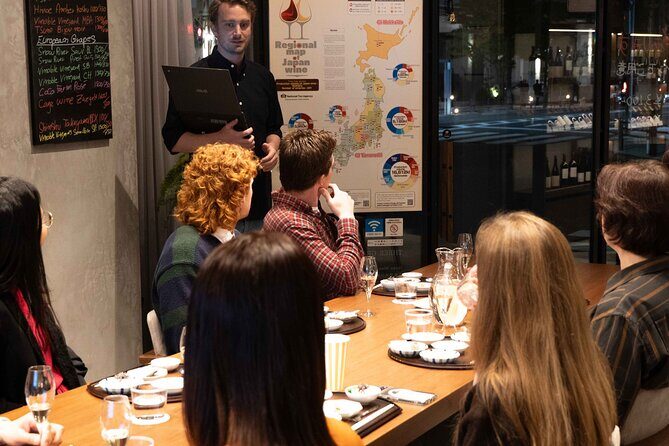
- You start with an introduction and then move wine-by-wine, guided by Alex.
- Between pours, you’ll eat, reset your palate, and ask questions.
- By the end, you’ll have a stronger sense of what you liked and why—useful if you plan to buy a bottle after.
I like that the tasting isn’t presented like a classroom lecture. The tone is more like guided conversation, and the plates help you understand structure: acidity, fruit character, and how the wine behaves on the tongue with food.
The standout detail from people who’ve done it is that the lineup can include ice wine, which tends to be memorable because of the sweetness and intensity. If it’s on your session’s flight, treat it like your dessert moment—but with the wine logic turned all the way up.
Getting Real Context: Native-Grape Stories You Can Actually Use
One of the smartest parts of this tasting is that it connects the wine to the grapes and the place they come from. Japan’s wine culture isn’t just about matching flavors to food; it’s also about learning what’s grown there and how that shows up in the glass.
Alex’s role is key. You’ll get explanations in English, and the focus stays on helping you taste the differences rather than memorizing facts. That’s why people who don’t know much about Japanese wine often still have a great time: the session meets you where you are and then builds your confidence.
Practical takeaway for you: once you’ve tasted through five examples, you’ll start to notice patterns—how certain styles feel lighter or more aromatic, where the fruit comes through, and how sweetness shows up (especially if ice wine makes an appearance). That’s the kind of learning that makes later ordering easier, whether you’re back in Tokyo or buying Japanese bottles at home.
The Intimate 12-Guest Room: Why the Setting Matters
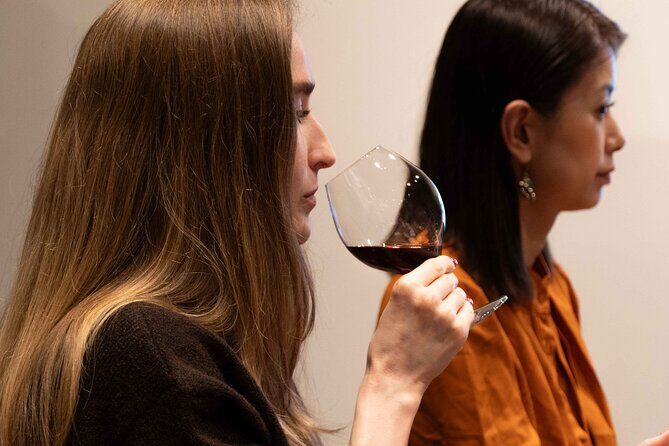
This experience is capped at 12 travelers, which is a huge deal for a tasting. Smaller groups keep the volume down, so you can hear the guide and ask questions without shouting. It also changes the vibe from a big-ticket show to something more personal.
I’m also glad it’s in a quieter pocket of Tokyo near Meiji Jingu. Even if you’re staying in the heart of Shibuya nightlife, you won’t feel like you’re constantly bouncing between crowded streets and loud bars. The location helps you focus on the glass in front of you.
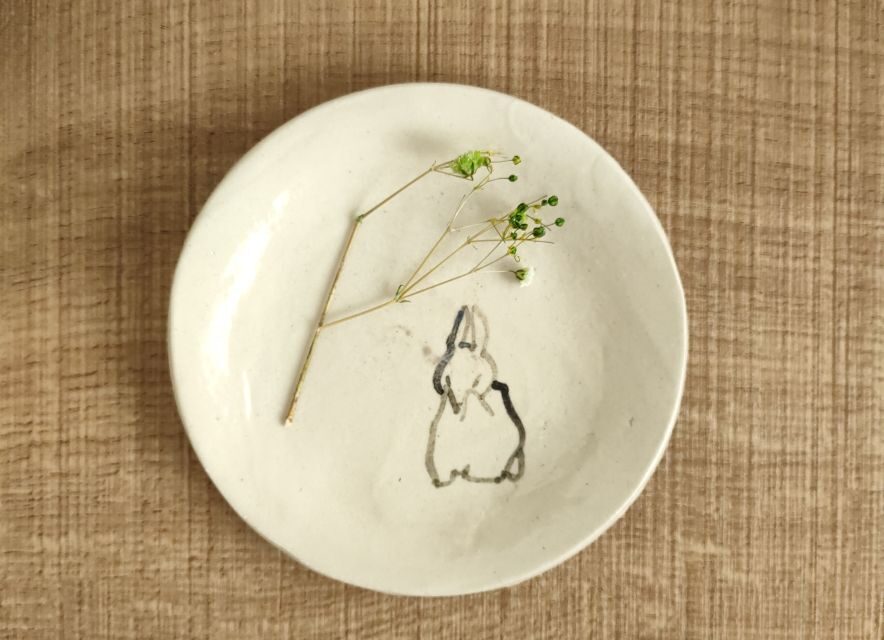
Little design details matter too. People have highlighted things like window art, and that kind of thoughtful interior touch makes the whole session feel more intentional. You’re not just paying to drink; you’re paying for a pleasant room where tasting feels comfortable.
After the Tasting: Optional Bar Time and Buying Bottles
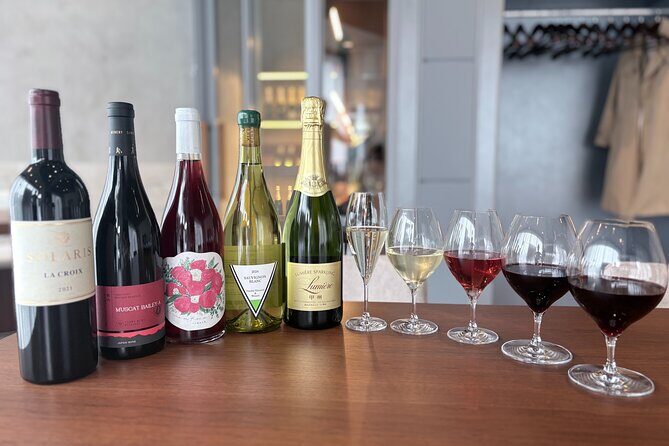
The tasting doesn’t have to end when your 75 minutes are up. You can stay for optional bar time and look through a curated Japanese wine setup. This is where the experience can turn from learning into collecting.
If you want bottles to take home, the option for hotel or airport delivery is a practical lifesaver. Tokyo is not short on places that sell wine, but not all of them make it easy to get bottles safely back to your flight plans. Delivery means you can buy without turning your day into a luggage-management exercise.
How to decide in the moment:
- If you liked a specific style, ask Alex what to look for when you’re buying a bottle next.
- If you’re unsure, focus on the wine that made the most sense with the food. Pairing-friendly bottles tend to be more versatile.
You can also read our reviews of more guided tours in Tokyo


Price and Value: Is $97.98 a Good Deal?
At $97.98 per person, this isn’t the cheapest way to drink in Tokyo. But it also isn’t just you paying for alcohol and ambience. You’re paying for several things that add real value:
- Five guided tastings (not one or two)
- Small plates paired with each pour
- An English-speaking expert leading the process and explaining styles
- A small group size that keeps the experience personal
- A chance to keep shopping afterward, plus delivery options
If you compare it to ordering five random glasses at a wine bar, you’re usually paying similar money anyway—except you don’t get structured learning, food pairing context, or guidance on what you’re actually tasting. This is closer to a guided tasting menu than a drink-and-guess situation.
One trade-off: if your goal is simply to get tipsy, this may feel too structured. But if you want to leave with names, styles, and ordering confidence, the price starts looking reasonable fast.
Where It Fits on Your Tokyo Day (Near Meiji Jingu)
You meet at Sangū Building, 3-chōme-38-12 Yoyogi, Shibuya, Tokyo 151-0053, Japan. The session ends back at the meeting point. It’s near public transportation, so you don’t need a taxi plan just to get there.
Why location matters: Meiji Jingu is a strong anchor for a day. You can build a simple route around it—shrine time, a walk, then a wine tasting that doesn’t require switching neighborhoods again. The quiet setting also helps if you’re planning other activities later. You won’t feel like you’re stumbling out of a loud drinking crawl.
A practical scheduling tip: because the experience is limited (max 12) and tends to book out early (often around 49 days in advance), lock in your slot before your calendar gets complicated.
Who This Japanese Wine Tasting Is Best For
This experience fits you best if:
- You want Japanese wine specifically, not a mixed “whatever bar” night
- You like learning how wine works—through native-grape stories and pairing logic
- You prefer smaller group plans with an English-speaking host
- You’re curious enough to try styles you might not pick at random
It may be less ideal if:
- You’re under 20 (the session is open to ages 20+)
- You want a big group party atmosphere
- You mainly want a low-cost buzz, since plates and tastings mean the format stays structured
Should You Book This Shibuya Japanese Wine Omakase?
I think you should book if your Japan plan includes food and drink you can’t easily replicate at home. This is one of those experiences that helps you understand a corner of Tokyo wine culture you’d probably miss if you only followed the obvious sake trail.
Book sooner rather than later. With the small 12-guest cap and the way it tends to fill, waiting until the last few days can force you into choosing a different day—or missing the experience entirely.
If you’re excited about learning, and you like the idea of tasting five Japanese wines paired with thoughtful small plates, this is a strong choice. It’s not just a drink. It’s a guided way to start tasting Japanese wine with your eyes open.
FAQ
How long is the Japanese wine omakase tasting?
The guided tasting runs about 1 hour 30 minutes, with the tasting itself described as about 75 minutes.
Is this tour focused on sake?
No. This is a guided tasting of Japanese wine, with the emphasis on wines and small plates rather than a sake tasting.
How many people are in the group?
The experience has a maximum group size of 12 guests.
What’s included in the price?
You get an English-guided tasting of five Japanese wines paired with refined small plates. There is also optional bar time after the guided session.
Where does the experience start?
The meeting point is Sangū Building, 3-chōme-38-12 Yoyogi, Shibuya, Tokyo 151-0053, Japan. The activity ends back at the meeting point.
Can I buy bottles to take home?
Yes. After the session, you can choose bottles during optional bar time, and hotel or airport delivery is available.
Is there an age limit?
Yes. The experience is open to ages 20+.
What happens if the weather is bad?
The experience requires good weather. If it’s canceled due to poor weather, you’ll be offered a different date or a full refund.
Can I cancel for free?
Yes. You can cancel up to 24 hours in advance for a full refund. If you cancel less than 24 hours before the experience starts, the amount paid is not refunded.