REVIEW · TOKYO
Kamakura Private Tour Great Buddha & Enoshima with English guide
Book on Viator →Operated by Mukarram Muhammad · Bookable on Viator
Kamakura feels calmer when you have a driver. This private full-day trip out of Tokyo pairs an air-conditioned luxury vehicle with an English-speaking guide, so you can set your own pace at the Great Buddha, temples, shrines, and seaside Enoshima instead of getting swept along with a big crowd.
I especially like the way this tour handles the details that usually slow people down. In past experiences with guides such as Mukarram Muhammad (and also Nik, for some bookings), you get organized planning, patient timing, and cultural explanations that make the sights easier to read in the moment.
One consideration: entrance fees and lunch are not included. Great Buddha is covered, but stops like Hase-dera and Sankeien Gardens are ticketed, so you’ll want a little extra budget and some flexibility if the day’s weather shifts.
In This Review
- Quick hits
- Why This Private Kamakura and Enoshima Day Feels Different From Group Tours
- Price and Value: How $650 for Up to 6 Works Out in Real Terms
- Getting Picked Up in Tokyo: How the Day Starts Smooth (and Stays That Way)
- Kotoku-in and the Great Buddha: The Included, Instant-Wow Moment
- Hase-dera Kannondo: Kannon Mercy and Why Timing Matters
- Tsurugaoka Hachimangu: The Shrine Heart of Kamakura
- Hokoku-ji Bamboo Grove: The 14th-Century Calm Spot
- Enoshima Island: Sea Views, Shrines, and Mt. Fuji on Clear Days
- Yokohama Chinatown: A Fast Culture Hit Next to the Main Sights
- Sankeien Gardens in Yokohama: Ticketed Garden Time That Balances the Day
- Guide Style: Why Patience and Flexibility Matter on an 8–10 Hour Day
- What to Pack So the Day Feels Easy
- Who This Tour Suits Best
- Should You Book This Kamakura and Enoshima Private Tour?
- FAQ
- What places are included in the tour?
- How long is the tour?
- How many people are in a group?
- Is hotel pickup available?
- Are entrance fees included?
- Does the tour use a mobile ticket?
- What’s included in the price besides the guide?
- Does lunch come with the tour?
- Is the tour dependent on weather?
- What is the cancellation rule?
Quick hits
- Private car for up to 6 means less waiting, easier photo stops, and no herding
- English guide support helps you understand what you’re seeing, not just walk by it
- Great Buddha admission included at Kotoku-in saves you money and time
- Enoshima sea views can include a Mt. Fuji sighting on clear days
- Yokohama Chinatown and Sankeien Gardens add a mix of food culture and tranquil garden time
- Guide flexibility makes a long day feel less rigid, even if conditions change
Why This Private Kamakura and Enoshima Day Feels Different From Group Tours
If you’ve ever done a big bus day from Tokyo, you know the rhythm: stop, rush, snap, shuffle to the next place. This tour flips that. With a private group of up to 6 and a car that’s just for you, I love how your schedule can breathe. You can take the slower path through Kamakura, linger at viewpoints on Enoshima, and adjust pacing without feeling behind.
You also get a guide who’s there to help you make sense of what you’re seeing. At places like Kotoku-in and Hase-dera, it’s easy to admire the buildings and statues and miss the meaning. With an English-speaking guide, the day turns into a guided story you can follow, rather than a checklist.
The other thing I appreciate is the mix. You get spirituality (Buddha and temple halls), nature (bamboo grove), sea air (Enoshima), and then a cultural contrast in Yokohama (Chinatown and Sankeien). That variety helps the day stay interesting even when you’re tired.
You can also read our reviews of more guided tours in Tokyo

Price and Value: How $650 for Up to 6 Works Out in Real Terms
The price is $650 per group, up to 6 people, for an 8 to 10 hour day. That sounds high until you do the math. For 2 people, it’s $325 per person. For 4 people, it’s about $162.50 each. For a full 6-person group, it comes to roughly $108 per person.
What you’re paying for is the full-day structure with fewer trade-offs:
- Luxury air-conditioned vehicle
- English speaking pro guide & driver
- Water drink bottles and free Wi‑Fi
- Pickup offered
- Mobile ticket support
You’re also getting Great Buddha (Kotoku-in) with admission included. That’s a real value win, since ticketed attractions can add up fast on your own. Lunch and other entrances are not included, so expect extra costs for spots like Hase-dera and Sankeien Gardens.
If you’re traveling with someone who hates tight schedules, this kind of private day often feels like better value than a cheaper group tour. The cost mostly goes to convenience and time savings, not just a name-brand vehicle.
Getting Picked Up in Tokyo: How the Day Starts Smooth (and Stays That Way)
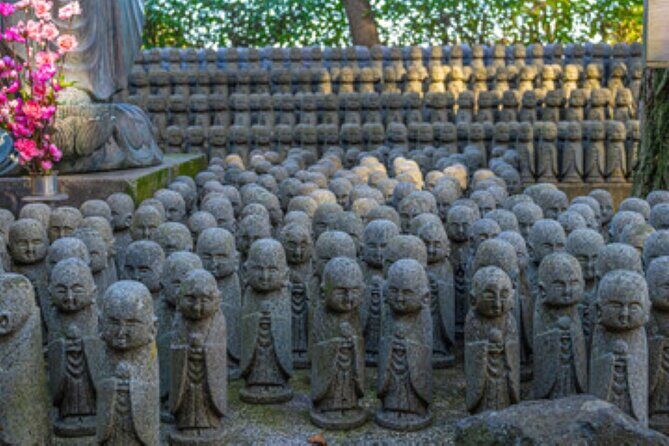
You’ll have hotel pickup offered, which matters on a day this long. Getting out of central Tokyo takes time, and transit plans can get messy when you’re coordinating multiple transfers. Pickup reduces that stress and keeps the schedule on track.
This is a private tour, so you’re not waiting for dozens of people at different hotels. The group limit is up to 6, which tends to make the logistics easier for the guide too. You’ll also have mobile ticket access, which helps you avoid last-minute ticket-hunting.
You’ll want to be ready for a full-day pace. Even though each main stop is about an hour, you’ll spend time driving and walking between areas. Think comfortable shoes and a light layer. If you’re sensitive to heat, the air-conditioned vehicle is a big quality-of-life boost between sightseeing blocks.
Kotoku-in and the Great Buddha: The Included, Instant-Wow Moment
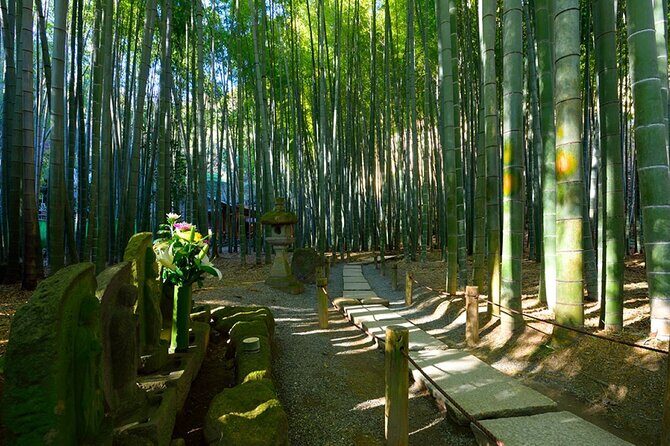
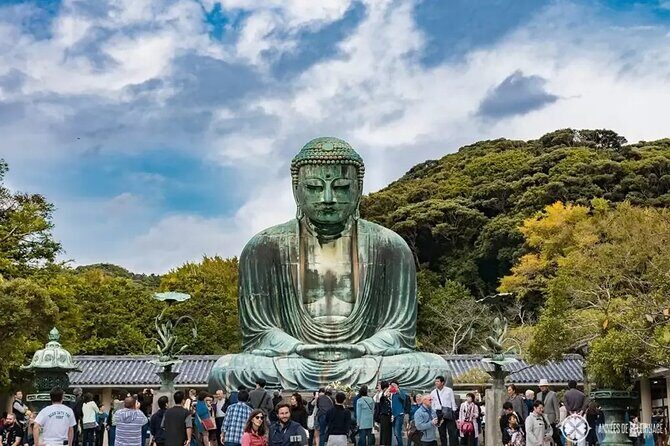
Stop one is Kotoku-in (Great Buddha of Kamakura). This is the payoff stop. The Great Buddha statue is over 11 meters tall, and it gives you that immediate sense of scale that photos don’t fully capture.
You’ll get about 1 hour, and importantly, admission is included here. That’s a small detail, but it matters. It means less decision-making at the start of the day and less time spent dealing with ticket counters once you arrive.
What I like about starting here is how it sets the tone. Kamakura isn’t only pretty coastal scenery. It’s also one of Japan’s major cultural-religious centers. Seeing a giant bronze Buddha early gives you context for the temples and shrines that follow.
A practical note: this is a major sight, so expect foot traffic. The private format helps because your guide can help you plan entry and timing within that hour so you’re not fighting the busiest moments.
Hase-dera Kannondo: Kannon Mercy and Why Timing Matters
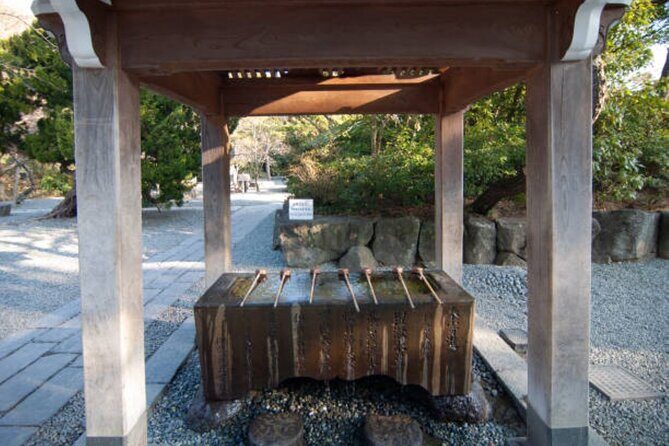
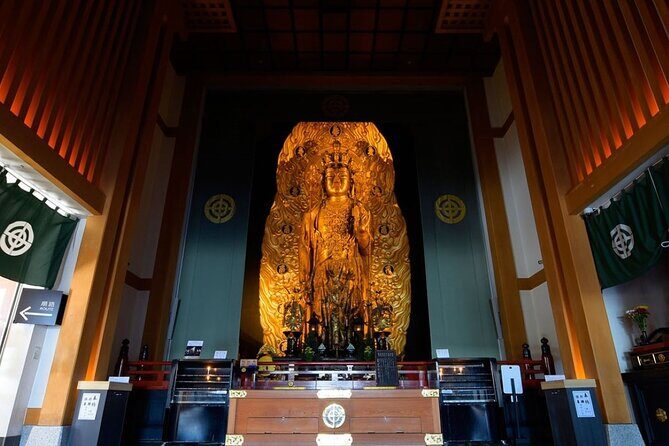
Next comes Hase-dera Temple (Kannondo), famous for its eleven-headed statue of Kannon, the Goddess of Mercy. The statue is wooden and known as one of the largest of its kind in Japan.
You’ll have about 1 hour, but admission is not included. That means you’ll want to budget for it before the day starts. The benefit of going with a guide is that you’re less likely to treat Hase-dera like just another temple stop. You’ll get help reading what you’re looking at: why Kannon is portrayed this way, what you’re meant to notice, and how the temple fits into Kamakura’s spiritual layout.
This stop can also be a little physical. Temple grounds often mean stairs and paths, especially if you want to see the main hall and surrounding areas. The private car helps you reposition if you’re feeling slower, but you’ll still want comfortable footwear.
If the weather is cloudy, you might not get the view payoff some people hope for later. Still, Hase-dera is strong on its own because it’s about art, devotion, and atmosphere.
You can also read our reviews of more private tours in Tokyo

Tsurugaoka Hachimangu: The Shrine Heart of Kamakura
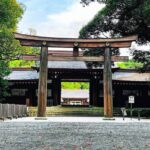
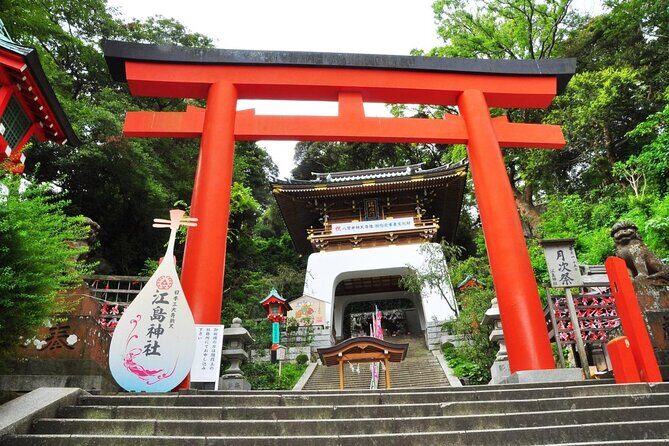
Then it’s Tsurugaoka Hachimangu, often called the spiritual heart of Kamakura. You’ll pass through the grand torii gate, and the approach is a big part of the experience.
The guide-led walk helps you notice details that you could easily miss on your own: ponds with koi, elegant bridges, and the calm rhythm that runs through the shrine grounds. You’ll spend about 1 hour here, with admission not included.
This is one of those stops where pace matters. In a big group, you might end up rushing through the most scenic parts just to hit the next checkpoint. With a private setup, you can slow down enough to take in the water and bridges, and then move on when you’re ready.
A practical tip: if you like photos, ask your guide for the best angles at the torii and bridges. The timing of when the light hits can change fast through the day.
Hokoku-ji Bamboo Grove: The 14th-Century Calm Spot
Hokoku-ji Temple brings you something different: the bamboo grove. The temple traces back to the 14th century, and the bamboo creates a sensory shift from the larger shrine and statue scenes.
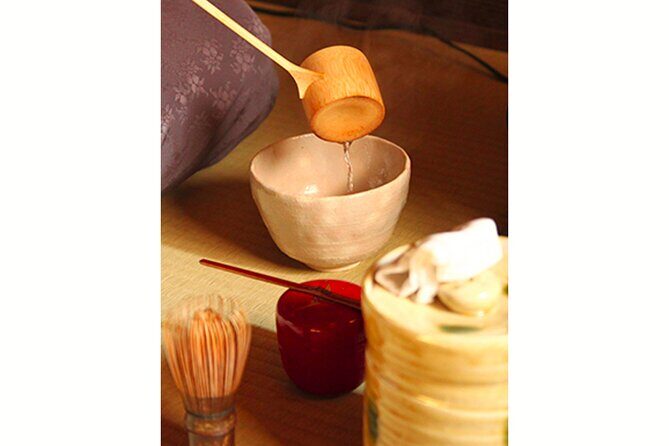
You’ll have about 1 hour. Admission here is not included, and the tour notes that there’s also a macha green tea moment tied to this stop. That small break is valuable. Bamboo groves are great, but they can also feel like sensory overload if you try to see too many things at once. A tea stop helps reset your attention.
One drawback to consider: bamboo grove visits can be affected by weather. Rain can make paths slick. Strong wind can shake the bamboo. It doesn’t ruin the place, but it can change the walking comfort and photo clarity. The good news is that this tour is designed for flexibility, so your guide can adjust where you spend your time on the ground.
Enoshima Island: Sea Views, Shrines, and Mt. Fuji on Clear Days
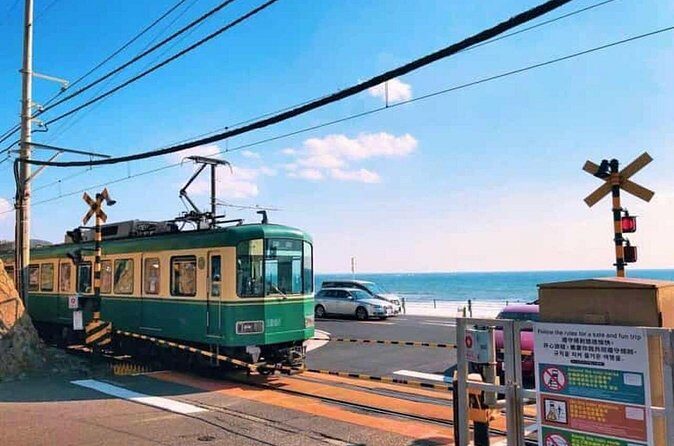
After Kamakura’s temples and shrine streets, you’ll head to Enoshima Island, known for its seaside character and viewpoints. You’ll spend about 1 hour here.
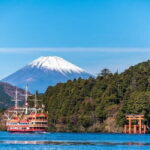
Enoshima is a great change of pace. The tour experience calls out that on clear days you may see Mt. Fuji in the distance. Even if you don’t get Fuji, the coast setting still gives you a different feeling than the inland temple areas.
Admission is free at this stop, which means less ticket planning and more wandering freedom. You’ll also get time for the island’s streets and shrines, so it’s not only about viewpoints. You’re allowed that casual explore time that makes a day trip feel like yours.
Practical advice: this is a place to bring a little patience. Sea air makes everything feel slightly slower, and walking can add up. Wear shoes you trust and consider layers if the wind picks up.
Yokohama Chinatown: A Fast Culture Hit Next to the Main Sights
From Enoshima you’ll continue to Yokohama Chinatown. This isn’t a long museum stop; it’s a 1-hour cultural detour where the point is atmosphere and food culture.
The tour description includes key context: Chinatown is about 160 years old, and today there’s a community of around 3,000 to 4,000 people, with many connected to Guangzhou. Even without going deep into history, that detail helps you understand why the streets feel the way they do.
Admission is free here too, which keeps the stop low-pressure. The only real consideration is time. A one-hour Chinatown visit is enough for tasting and browsing, but it’s not enough for a full meal plan for everyone. Since lunch is not included, plan to either eat before you go or budget for snacks during your Chinatown window.
If you’re picky about food, I’d still go with a guided day because your guide can point you toward options that fit your preferences and help you avoid decision fatigue while you’re hungry.
Sankeien Gardens in Yokohama: Ticketed Garden Time That Balances the Day
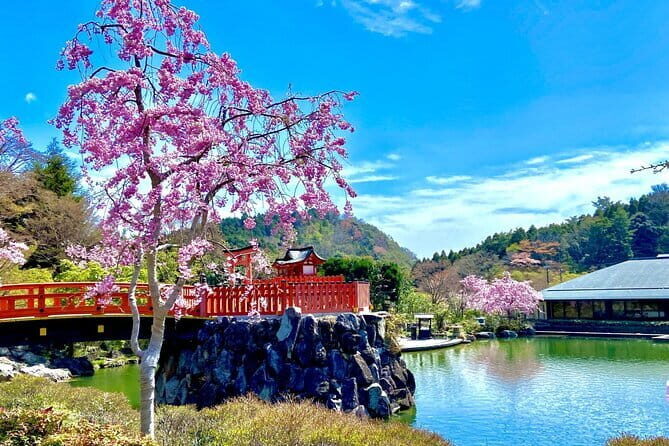
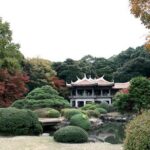
The final stop is Sankeien Gardens, a traditional Japanese-style garden that opened in 1906. It was designed and built by Tomitaro Hara, who used the pseudonym Sankei Hara, a silk trader.
You’ll have about 1 hour. Admission here is not included, so you’ll want to budget for the entrance fee. This stop is worth paying for if you’re the type of person who enjoys slow walking and quiet views. After temples and a seaside island, Sankeien gives your eyes a place to rest.
What I like about ending here is emotional balance. A garden is the opposite of the frantic parts of a big city day. It’s also a good closer because it’s scenic without needing big explanations every minute. Your guide will help you notice the garden’s traditional features, and then you can enjoy the calm.
Guide Style: Why Patience and Flexibility Matter on an 8–10 Hour Day
The biggest difference between a good private tour and a frustrating one is how the guide handles people. On this experience, guides are described as professional, knowledgeable, and organized, with a reputation for being patient and not rushing you through stops.
You’ll also benefit from flexibility. On different days and different travel styles, a guide can adjust pacing to what your group needs. If you want extra time at a viewpoint on Enoshima, you can ask. If someone’s slower on the temple steps, the plan can shift.
English guidance is a major plus too. At shrines and temples, the important details are in context: why something is built a certain way, what the symbolism points to, and what to look for as you move through the grounds.
Add in free Wi‑Fi and water bottles, and the tour handles the little comforts that stop a long day from feeling hard.
What to Pack So the Day Feels Easy
You don’t need much for a day like this, but a few basics help:
- Comfortable shoes for temple steps and island walking
- A light rain layer or umbrella, since weather can change
- Cash or a card for entrance fees you’ll pay separately (Hase-dera and Sankeien, and other non-included stops)
- Lunch snacks in mind, since lunch is not included
- A charged phone, since you’ll use the mobile ticket
This experience requires good weather, so you’ll get the best results when conditions cooperate. If the day does get affected by weather, the tour notes you’ll be offered a different date or a full refund.
Who This Tour Suits Best
This works well if you want a day that’s structured, not frantic. It’s a good fit for:
- Couples who want a calmer pace than bus tours
- Small families or friend groups capped at 6
- Anyone who wants a mix of temples, seaside views, and Yokohama culture
- People who appreciate an English guide to connect the dots at each stop
Also, because most travelers can participate, it’s a broad option. Just keep in mind you’ll do walking through temple and shrine areas, plus some seaside strolling.
Should You Book This Kamakura and Enoshima Private Tour?
Book it if you want:
- Private pacing with time to actually enjoy each place
- A day mixing Kamakura’s icons (Great Buddha, major shrine areas) with Enoshima sea views
- A finish in Yokohama with Chinatown and Sankeien Gardens
- English guidance that helps make the stops feel meaningful
Skip or rethink it if you’re traveling on a tight budget and want to control every extra fee. Entrance charges at some stops plus lunch add to the total. And because the experience requires good weather, you’ll want some flexibility in your travel dates.
If you’re aiming for a satisfying, not-stressful coastal culture day away from Tokyo, this private combo makes a lot of sense.
FAQ
What places are included in the tour?
You’ll visit Kotoku-in (Great Buddha of Kamakura), Hase-dera Temple (Kannondo), Tsurugaoka Hachimangu, Hokoku-ji Temple bamboo grove, Enoshima Island, Yokohama Chinatown, and Sankeien Gardens.
How long is the tour?
The duration is about 8 to 10 hours.
How many people are in a group?
This is a private tour for your group, with up to 6 people.
Is hotel pickup available?
Yes, pickup is offered.
Are entrance fees included?
Only Kotoku-in (Great Buddha) has admission included. Other stops listed as not included may require separate entrance fees, and lunch is not included.
Does the tour use a mobile ticket?
Yes, it includes a mobile ticket.
What’s included in the price besides the guide?
You get a luxury air-conditioned vehicle, water bottles, free Wi‑Fi, and an English-speaking pro guide & driver.
Does lunch come with the tour?
No, lunch is not included.
Is the tour dependent on weather?
Yes. The experience requires good weather. If it’s canceled due to poor weather, you’ll be offered a different date or a full refund.
What is the cancellation rule?
Free cancellation is available up to 24 hours in advance for a full refund. Canceling within 24 hours does not refund the payment.