REVIEW · KYOTO
Kyoto Aquarium Admission Ticket
Book on GetYourGuide →Operated by LINKTIVITY Inc. · Bookable on GetYourGuide
Dolphins and salamanders, in one stop. I really like the dolphin performances for their intelligence and agility, and the giant salamander exhibit for something ancient and genuinely rare, but the ticket is non-refundable, so make sure your timing works.
You’re also not stuck indoors all day. Kyoto Aquarium sits in Umekoji Park, with forests and big lawns around it, so the whole visit feels calmer than many city attractions.
One more thing I like: you can get real answers. If you care about a specific animal, the breeding staff can share thoughtful info, but plan to keep your pace flexible because the “quick look” turns into a longer visit.
In This Review
- Key things to notice before you go
- Umekoji Park: the quiet setting that changes the mood
- Price and value: what $16 buys you for a full day
- Dolphin performances: agility you can’t really fake
- Penguins and the fun of noticing individual behavior
- Giant salamanders: the rare exhibit that makes the trip feel worth it
- Jellyfish tanks and seals: the calmer contrast between big shows
- Satoyama recreation: a traditional rural scene, not just décor
- Ask the breeding staff: how to turn curiosity into better viewing
- Making the most of your day: cameras, no re-entry, and pacing
- Who this is best for (and who might want a different plan)
- Should you book Kyoto Aquarium?
- FAQ
- How much is the Kyoto Aquarium admission ticket?
- How long is the admission ticket valid?
- Where is Kyoto Aquarium located?
- Can I bring pets into the aquarium?
- Is flash photography allowed?
- Can I leave and re-enter later the same day?
- Is the ticket refundable if my plans change?
Key things to notice before you go
- Dolphin shows that focus on grace and behavior, not just tricks
- Penguin viewing where you can spot individual personalities
- Giant salamanders in a dedicated exhibit built for close attention
- Satoyama recreation showing a traditional rural Japanese environment
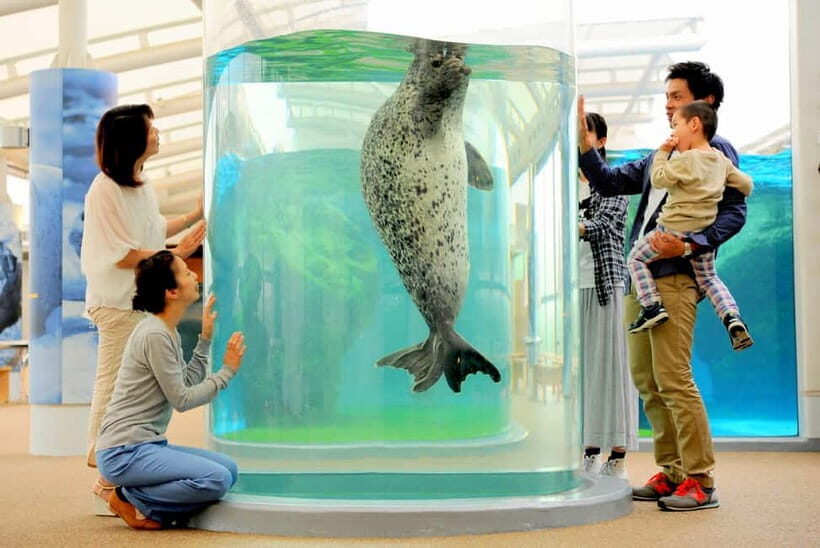
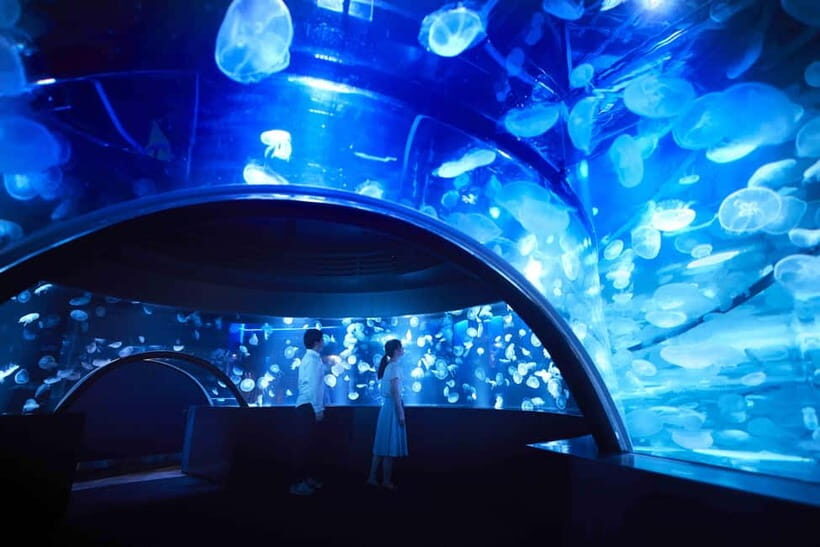
- Jellyfish tanks (and seals nearby) were favorites for many people, so don’t skip them
- A strong souvenir shop, worth a quick browse before you leave
Umekoji Park: the quiet setting that changes the mood

Kyoto Aquarium is based in Umekoji Park, and that matters more than you’d think. Many aquariums feel like you step into a separate world the second you enter. Here, you’re surrounded by greenery and open lawns, so the day has a softer rhythm. You can start with a slow walk in the park, then switch gears to the animals.
If you like visits that feel grounded in nature rather than only in glass-and-lights, this one has the advantage built in. Kyoto Aquarium’s theme leans into coexistence and Kyoto’s water blessings, so it doesn’t feel like the animals are just “on display.” It feels like they’re part of a bigger system—water, land, and living creatures all tied together.
A few more Kyoto tours and experiences worth a look



Price and value: what $16 buys you for a full day
The admission ticket is about $16 per person, valid for one day. For that price, you’re paying for more than a quick walkthrough. You’re getting multiple exhibit styles—big-performance viewing with dolphins, close-up animal viewing with penguins, a specialty exhibit for giant salamanders, plus the satoyama recreation that gives your eyes a break from tanks and platforms.
The big value play here is variety. If you’re only into marine life, you still get jellyfish and other aquatic displays. If you care more about unusual wildlife, the giant salamanders are a major reason to go. If you’re traveling with kids, the dolphins and penguins tend to keep attention from lagging.
Also consider this practical point: because it’s a one-day ticket and you can stay as long as you want during opening hours, it’s easy to stretch the visit into the kind of trip that becomes “the highlight of the day,” not a rushed stop.
Dolphin performances: agility you can’t really fake
Dolphins are usually a safe bet, but this aquarium’s dolphin program is presented as a performance tied to real behavior. The appeal isn’t just that they jump or synchronize. It’s how fast they move, how precisely they respond, and how intelligent they seem.
When you’re planning your time, build your day around these shows. Even if you don’t know the schedule yet, decide where you’ll be in the aquarium so you’re not hunting for seating at the last second. Plan on arriving with enough buffer that you can settle in, scan the surrounding exhibits, then return for the show.
If you’re the type who watches for patterns—how the animals react to cues—this is likely to feel engaging rather than passive. And if you’re traveling with someone who usually gets restless in museums, a dolphin show tends to reset the energy of the whole trip.
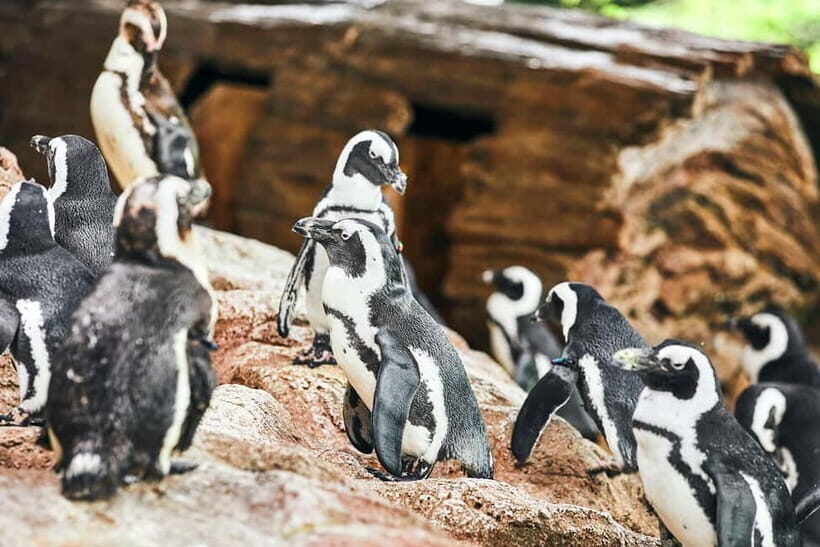
Penguins and the fun of noticing individual behavior
Penguins are one of those animals that look cute from a distance, but turn interesting fast when you pay attention. Kyoto Aquarium puts them in a way that encourages you to observe personality—how one bird stands, how another moves, how they interact with their space.
The reason this matters for your visit: penguins can be surprisingly “story-like.” You’ll likely find yourself slowing down, comparing movements, and watching for little differences that make each bird feel distinct. That’s what people tend to enjoy most here: not a single moment, but repeated moments.
A good approach is to treat penguin time like a mini safari. Don’t just walk past. Pause long enough to let your eyes adjust, then watch for a few behavior cycles—movement, stillness, repositioning. It’s a simple way to turn a hallway of tanks into a real experience.
Giant salamanders: the rare exhibit that makes the trip feel worth it
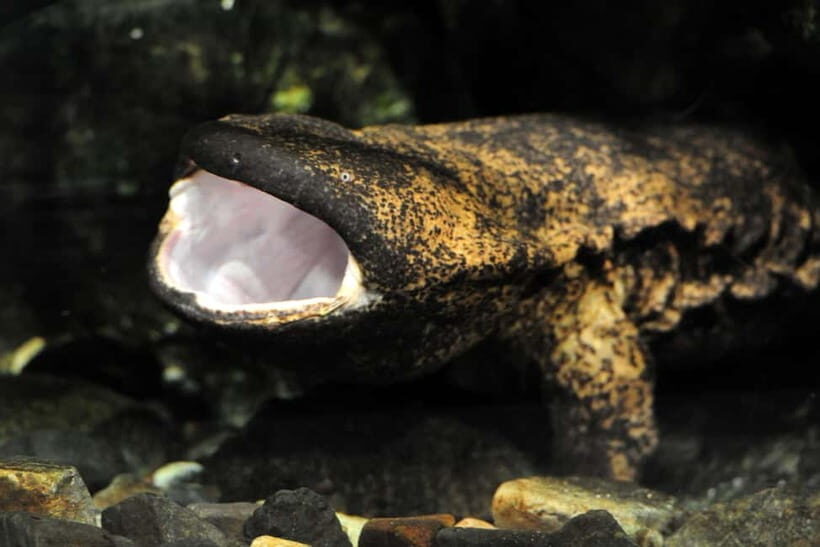
If you want one exhibit that feels like the whole reason to visit, make it the giant salamanders. Kyoto Aquarium has a dedicated exhibit for them, and that focus is a big deal. Giant salamanders aren’t the kind of animals you bump into at every stop, and that rarity makes them memorable.
There’s also a meaningful angle beyond novelty. Giant salamanders connect to the aquarium’s broader theme: life tied to water and coexistence. Even if you’re not a wildlife expert, you can feel that the exhibit is designed to help you look carefully—at size, shape, and how these animals live in their environment.
When you’re there, give yourself time to get close enough to see details without rushing. If you only catch them briefly, you miss what makes the exhibit special. I’d plan a little extra time here, especially if you’re the kind of visitor who likes “slow looking” rather than just checking boxes.




Jellyfish tanks and seals: the calmer contrast between big shows
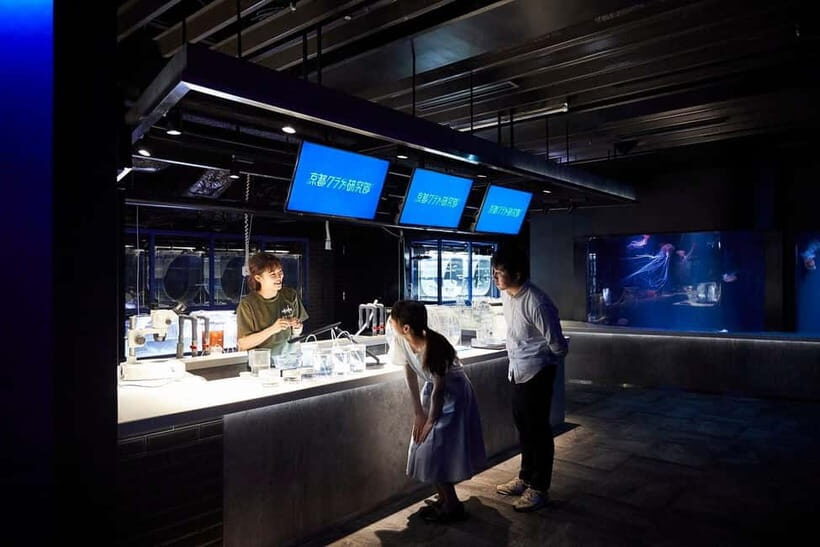
Not every favorite moment is a loud one. Many people highlight the jellyfish aquariums, and seals were mentioned as a close second favorite. That tells you something: after performance-style viewing (like dolphins), you’ll probably enjoy the quieter exhibits where you can settle in.
Jellyfish areas tend to work best when you stop moving. Give your eyes a minute, then watch the motion patterns. It’s the kind of experience that feels relaxing rather than demanding, and it helps balance the day so you’re not constantly pushing toward the next big moment.
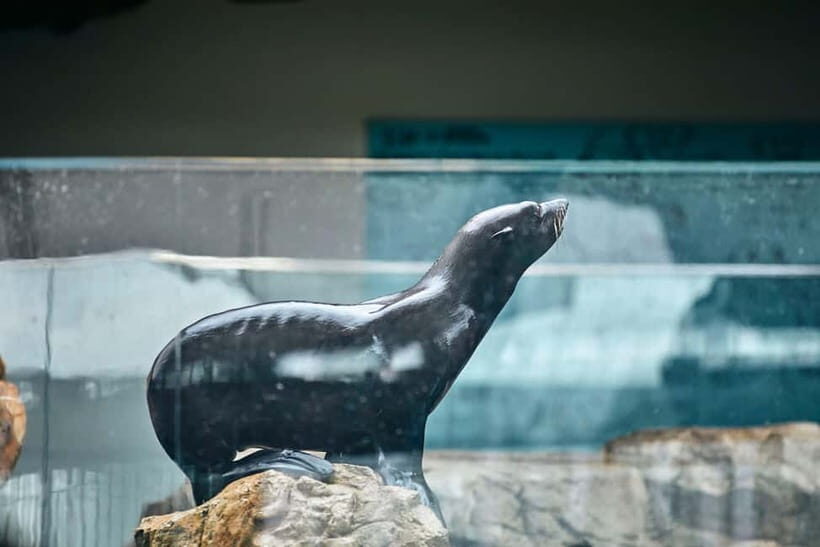
Seals, on the other hand, add an intermediate energy level—still animal behavior, but often with less “show pressure” than dolphins. If you’re visiting with mixed-age groups, this variety is a real win.
Satoyama recreation: a traditional rural scene, not just décor
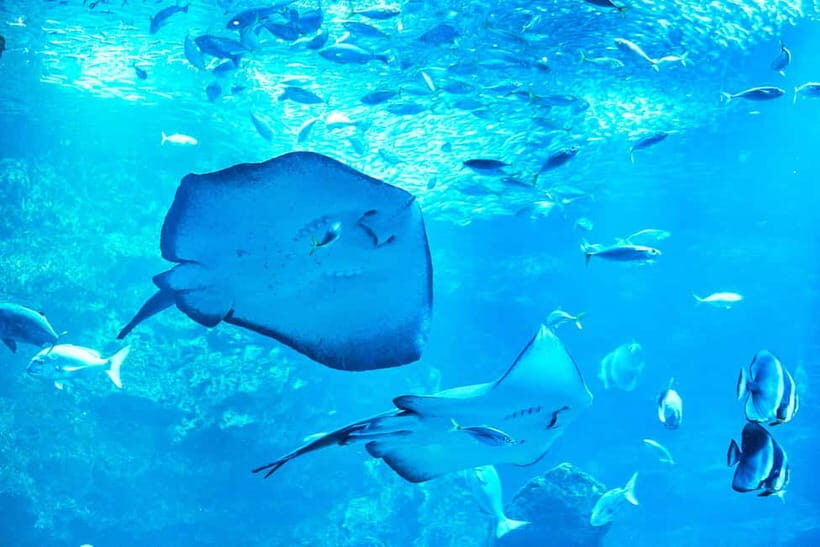
One of Kyoto Aquarium’s distinctive features is its recreation of a traditional rural Japanese environment called satoyama. This isn’t just a background set. It gives your brain a different kind of information: how humans and nature share space over time.
The value for you is a break from the usual aquarium feel. You’re used to tanks as the main “story.” In the satoyama-inspired section, the focus shifts toward the idea of habitat and coexistence. That theme lines up with the aquarium’s emphasis on water blessings in Kyoto.
If you’re the sort of traveler who likes to connect experiences to place—what the land and water mean for living things—this section is where the aquarium becomes more reflective. You’ll likely leave with more than animal photos. You’ll leave with a clearer sense of how ecosystems support one another.
Ask the breeding staff: how to turn curiosity into better viewing
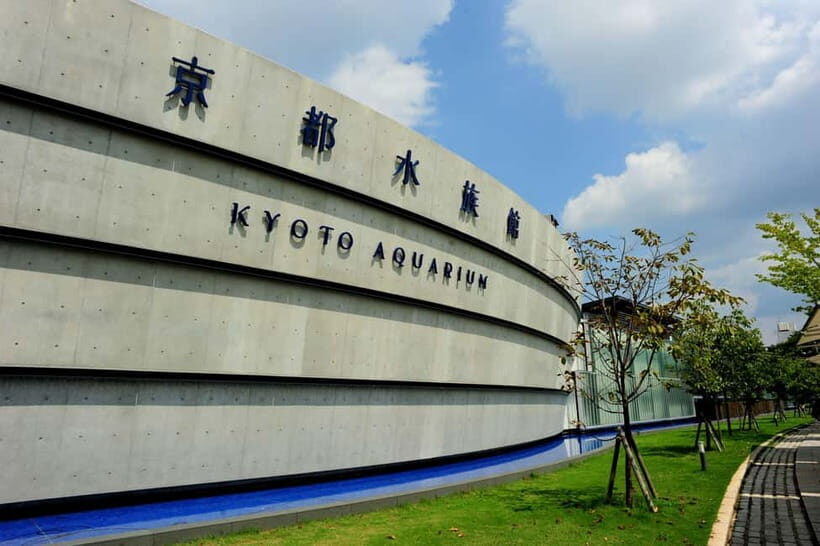
One thing I genuinely appreciate about Kyoto Aquarium is that it doesn’t feel like you’re on your own. If you have a keen interest in any of the animals, the breeding staff can share insights, and they’re described as passionate about the creatures.
This is one of those rare travel advantages: the staff can help you interpret what you’re seeing. Maybe you learn why a certain behavior happens. Maybe you understand how breeding connects to conservation. Even small explanations can change the way you watch an animal move.
Practical tip: if you’re going to ask questions, pick one animal you truly care about (dolphins, penguins, salamanders, or another highlight) and focus your attention there. You’ll get more useful answers, and you’ll enjoy the rest of the exhibits more because you have a better “lens” to view them through.
Making the most of your day: cameras, no re-entry, and pacing
Here’s how to keep your visit smooth and avoid frustration.
Photography and video rules: Shooting is possible, but flash photography is discouraged in the building to protect the animals. If you’re filming, keep flash off and avoid sudden bursts that might startle the animals or bother other visitors.
Re-entry is not possible: Once you exit, you can’t come back in on the same ticket. So if you need snacks, do it efficiently, and don’t treat the aquarium like a place you’ll pop in and out of.
Pets: You can’t bring pets into the building. Assistance dogs like guide dogs can be accompanied, which is good to know if you rely on one.
Timing for a one-day ticket: Because the ticket is valid for one day and starting times can vary, check availability before you finalize your plan. This is also the best way to avoid arriving when entry times are inconvenient.
Pacing tip from real-world experience: One person noted they expected a couple of hours and ended up staying longer because there was so much to see. I’d plan for that. If you only budget a short window, you’ll feel rushed and miss the chance to slow down in your favorite exhibits like the salamanders or jellyfish areas.
Who this is best for (and who might want a different plan)
Kyoto Aquarium is a strong choice if you want a mix of lively animal moments and calmer “look and learn” exhibits in one place. It’s especially appealing if you like:
- dolphin shows and other behavior-focused viewing
- rare wildlife like giant salamanders
- a cultural environment theme like satoyama
- quiet exhibits where you can sit and watch, like jellyfish
It may be less ideal if you’re the type who only wants a single target animal and zero wandering. Still, even for focused visitors, the aquarium gives you multiple sections to match different interests without forcing you into just one narrow theme.
If you’re traveling with kids, the dolphin and penguin moments typically help maintain attention. And if you’re an animal-photo person, the rule about no flash means you’ll need a little discipline, but you can still capture plenty of images without breaking the guidelines.
Should you book Kyoto Aquarium?
I’d book Kyoto Aquarium if you want a memorable day that mixes performance, rare wildlife, and a thoughtful theme rooted in water and coexistence. At around $16 for one day, it’s good value because you’re not paying for one exhibit—you’re buying an experience with multiple “modes” (shows, specialty animals, and a satoyama-style environment).
The main reason to hesitate is the non-refundable nature of the ticket. If your Kyoto plans are still uncertain, make sure your day is locked in before you buy. If your schedule is solid, then this is the kind of aquarium that feels like more than a stop. It feels like a place you could enjoy more than once, simply because there’s enough to watch and enough different exhibits to keep returning to.
If you’re choosing only one aquarium-type activity in Kyoto, Kyoto Aquarium is a smart pick: dolphins and penguins for energy, giant salamanders for rarity, and satoyama for a distinctly Japanese angle.
FAQ
How much is the Kyoto Aquarium admission ticket?
The Kyoto Aquarium admission ticket is listed at about $16 per person.
How long is the admission ticket valid?
The ticket is valid for 1 day. You should check availability to see starting times.
Where is Kyoto Aquarium located?
It’s in Umekoji Park in Honshu, Japan.
Can I bring pets into the aquarium?
No, pets are not allowed in the building. Assistance dogs such as guide dogs can be accompanied.
Is flash photography allowed?
Shooting is possible, but inside the building you should refrain from flash photography to protect the animals.
Can I leave and re-enter later the same day?
No. Re-entry is not possible.
Is the ticket refundable if my plans change?
This activity is non-refundable.