REVIEW · TOKYO
Kawaii Food Tour of Harajuku Tokyo
Book on Viator →Operated by Arigato Japan KK · Bookable on Viator
Harajuku food feels like pop art. This small-group tour blends kawaii culture with real taste stops across Harajuku and Omotesando, capped by a playful, lunch-as-a-show experience and a walk that finishes near Takeshita Street.
What I like most is the mix of fun and function: you get multiple food stops (not just sweets) while a local guide helps you read the neighborhood fast. The guides Hannah and Michie both stand out in the way they pace the experience, even when there’s a toddler in tow or when history and context matter.
One consideration: the tour is not recommended for gluten-free eaters, so if that’s a dealbreaker for you, you’ll need to plan another option.
In This Review
- Key things to know before you go
- Harajuku and Omotesando: the perfect combo for a food walk
- Price and value: what $209 is really buying
- Timing, meeting point, and how to keep it stress-free
- Stop 1: Nescafé Harajuku and getting oriented fast
- Omotesando Hills and Kiddyland: cute retail with real food-culture context
- Stop 2: Omotesando and Antenna Shops for regional flavors
- LINE FRIENDS Flagship Harajuku and Cat Cafe Mocha
- Daiso Harajuku: the practical stop that most people underestimate
- Wolfgang Puck Express at Takeshita Street: the final sweet landing
- The lunch and hands-on comfort food part (the heart of the experience)
- Dietary fit: who should book, and who should plan alternatives
- Guides make or break it: why this tour’s people are a big deal
- Who this tour suits best
- Should you book this Kawaii Food Tour?
- FAQ
- How long is the Harajuku and Omotesando food tour?
- What time does the tour start, and where does it meet?
- Where does the tour end?
- How many people are in the group?
- What food and drink are included?
- Is this tour suitable for children?
- Are there dietary options?
- What’s the cancellation policy?
Key things to know before you go
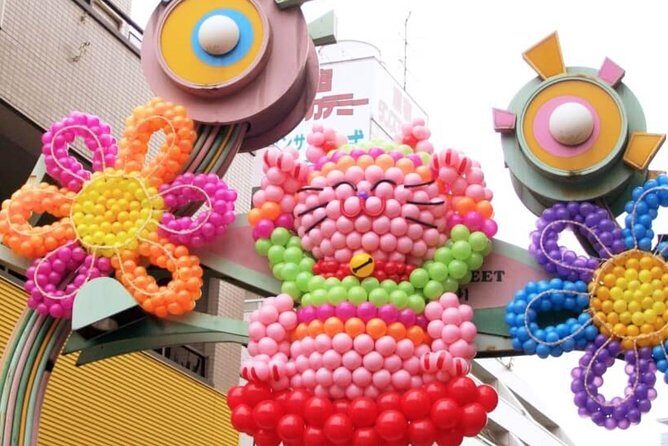
- Max 10 people: small-group pacing on tight back streets, with time to look and ask questions
- Lunch is part of the show: a colorful pop-culture style meal experience, not just a sit-down reset
- You make food too: hands-on practice with a traditional local comfort-food concept (family-friendly style)
- Omotesando + Harajuku contrast: fashion and architecture energy in one direction, candy-and-cute retail in the other
- Retail stops that connect to food culture: antenna shops, big brand flagships, and practical snack-souvenir places
- Diet support is limited but helpful: vegan/vegetarian/pescetarian friendly, while gluten-free travelers should be cautious
Harajuku and Omotesando: the perfect combo for a food walk
Harajuku is where Japan’s street style turns into a full visual soundtrack. Omotesando feels like the designer cousin next door, with architecture and shopping that look intentional even at a glance. Put them together and you get something rare in Tokyo: a food tour that’s not only about eating, it’s about understanding the vibe as you move.
This tour is built around that shift. You start with a guide meet-up in the Harajuku area, then you work your way through the neighborhoods with stops that make sense in context. That matters because in Tokyo, the fastest way to enjoy a district is to know what you’re looking at while you’re walking, not after you’ve missed it.
The scale is also right. With a maximum of 10 people and about 3 hours on the clock, you can actually keep up without feeling like you’re speed-running Tokyo.
You can also read our reviews of more food & drink experiences in Tokyo

Price and value: what $209 is really buying
At $209 per person, this is not a budget snack mission. But it does include the things that cost real money in Tokyo: a guided route, multiple tastings, and a lunch moment that’s designed as an experience.
Here’s what your ticket covers:
- Local foods at 5 food stops
- Dessert included
- 1 drink
- A local guide
- A mobile ticket (so you’re not hunting for paperwork)
Is it worth it? For me, the value case is strongest if you want more than random street sampling. You’re paying for structure: you don’t just walk into stores and hope something tastes good. You get a route that hits Harajuku’s most famous retail zones and also pulls in Omotesando’s specialty-food angle.
If you’re the type who would happily spend 3 hours wandering anyway, the guided format can feel like buying time and good decisions. And if you’re picky about dietary needs, the tour’s stated support for vegan, vegetarian, and pescetarian diets makes the planning side easier than building everything yourself.
Timing, meeting point, and how to keep it stress-free
The tour runs about 3 hours, starting at 11:30 am. You meet at 1-chōme-22-8 Jingūmae, Shibuya, Tokyo 150-0001, at the Nescafé Harajuku area (specifically in front of the parking sign). It ends at Harajuku Station (near the top of Takeshita dori, in front of the lower entrance).
That start time is smart. Morning crowds can still be around, but you’re not starting at the crack of the day, and you’ll land in the lunch window without turning the rest of the afternoon into a rushed scramble.
The walking is moderate, so you’ll want to be comfortable with an urban stroll. This isn’t a sit-and-sample tour. You move between districts, and the stops are designed around storefronts and streets where you’ll naturally slow down to look.
Also, your guide may swap locations if schedules change, due to public holidays, or because of weather. In Tokyo, that’s normal. A good tour plan accounts for it.
Stop 1: Nescafé Harajuku and getting oriented fast
You begin at NESCAFÉ Harajuku, then your guide starts the job of getting you oriented. This first stretch is about more than a welcome. It’s where you learn how Harajuku and Omotesando connect, and what to notice as you walk—fashion details, storefront styles, and the rhythm of side streets.
A five-minute ticket-free start gives you a clean launch without lingering. If you like tours that get moving quickly, this one does.
One nice benefit here is practical: you’re already in the right area for the day, so you don’t waste time figuring out where to stand. When the guide is part of the plan from the first minute, you get to spend your energy enjoying the food, not plotting logistics.
Omotesando Hills and Kiddyland: cute retail with real food-culture context
After that initial orientation, the route swings toward Omotesando Hills and then a Kiddyland shop stop.
Why those stops matter on a food tour: these aren’t random detours. They’re part of the way Japan’s pop culture leaks into everyday life, including the packaged snacks and treats you’ll see later. Kiddyland, in particular, is the kind of place where you can understand why candy and character goods feel like a system, not random impulse buys.
At the same time, keep your expectations grounded. This isn’t a toy-shopping spree. It’s a short stop designed to connect the visuals you’ll see in Harajuku to what you eat and bring home.
If you’re traveling with kids, this section usually lands well, because it’s colorful and playful without being complicated.
A few more Tokyo tours and experiences worth a look

Stop 2: Omotesando and Antenna Shops for regional flavors
Next comes Omotesando, where you spend about an hour exploring with your guide. This is where the tour adds depth beyond the Harajuku sugar-and-character stereotype.
You learn about antenna shops—stores that focus on regional products from across Japan. The value here is huge if you’ve only been eating Tokyo-style treats. You start spotting how different prefectures brand their food, how packaging signals flavor, and how locals discover new specialties.
This part also tends to make the tour feel more grounded. Instead of thinking of “kawaii” as only cute desserts, you see it as a broader cultural style that includes food presentation, shopping rituals, and identity.
One drawback to note: antenna-shop style tasting is fast-paced. You’ll want to pay attention when your guide explains what to try and why, because otherwise you can walk out with cute items but miss the story.
LINE FRIENDS Flagship Harajuku and Cat Cafe Mocha
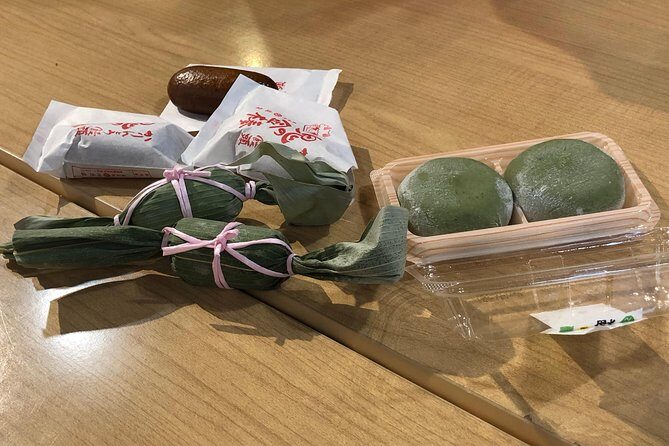
Then you hit LINE FRIENDS Flagship Store Harajuku, a blink-and-you’ll-get-it stop that’s ideal for photos and character browsing. It’s also useful for understanding the way branding becomes place-making in Tokyo. When a storefront is this recognizable, it’s basically part of the local navigation system.
After that comes Cat Cafe Mocha. This stop is more about the cuteness factor and the neighborhood energy than about a cooking lesson. Still, it fits the tour’s theme: Harajuku isn’t just about fashion. It’s about experiences people queue for, including animals, characters, and themed spaces.
If you love quirky Tokyo moments, you’ll enjoy this pairing. If you’re not a cat-café person, treat it as a quick cultural snapshot and focus on the food stops that happen around it.
Daiso Harajuku: the practical stop that most people underestimate
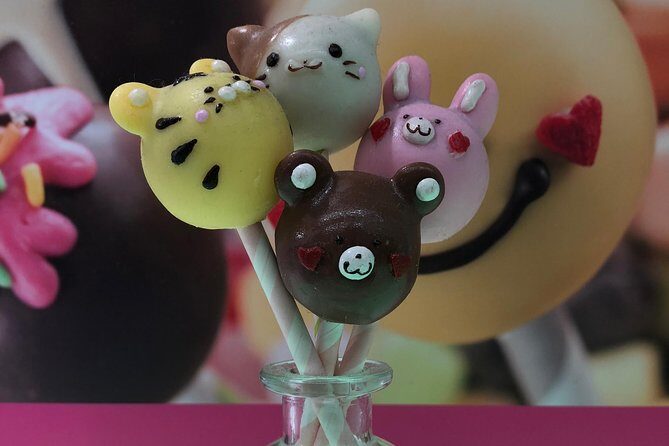
A key retail stop is Daiso Harajuku, the popular 100-yen shop style of store.
Why it belongs on a food tour: Daiso is where Japanese convenience meets snack culture. You can often find small add-ons and packaged items that complement what you’re already eating. It’s a good place to think about souvenirs that are actually useful once you get home.
Just don’t let the store swallow your time. It’s best to use it as a quick browse, then return to the guide’s food plan. Otherwise, you can end up shopping while you’re hungry.
Wolfgang Puck Express at Takeshita Street: the final sweet landing
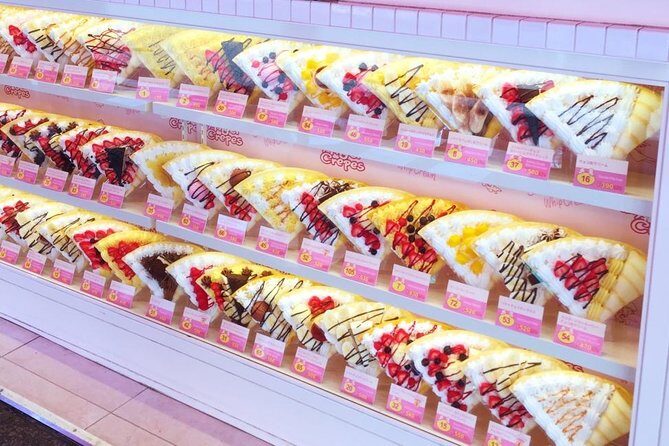
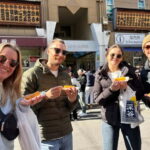
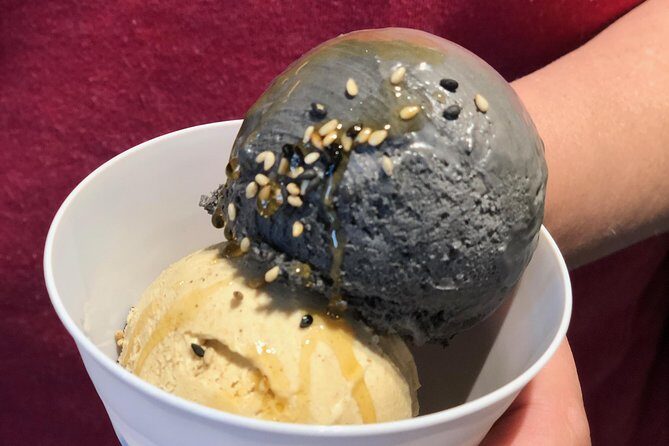
Your last big food moment is Wolfgang Puck Express Harajuku near Takeshita Street, with about 10 minutes at the end of the route. The goal is clear: trendy, colorful sweets that are perfect for a last photo and a final bite before you separate from the group.
Finishing near Harajuku Station is also smart. You’re dropped into a major transit hub, so you can easily continue your day without hunting for a connection. The endpoint is marked as the top of Takeshita dori, in front of the lower entrance to Harajuku station.
If you’re trying to plan the rest of your afternoon, this works well as a “reset” activity. You leave full enough to explore, but not so stuffed that you feel stuck in your chair later.
The lunch and hands-on comfort food part (the heart of the experience)
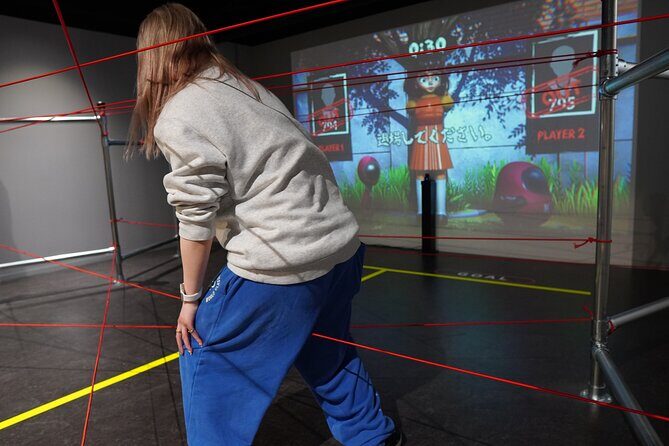
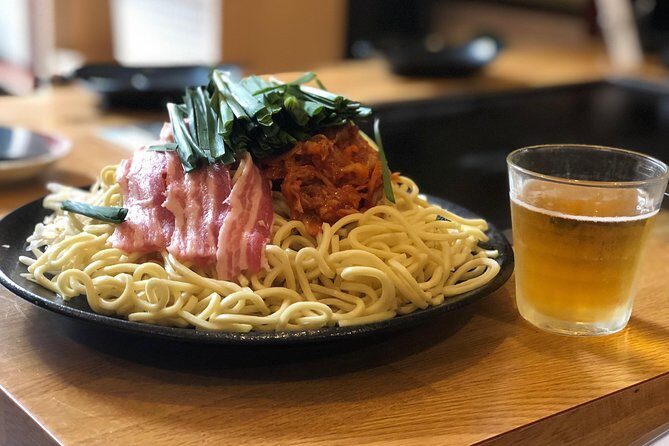
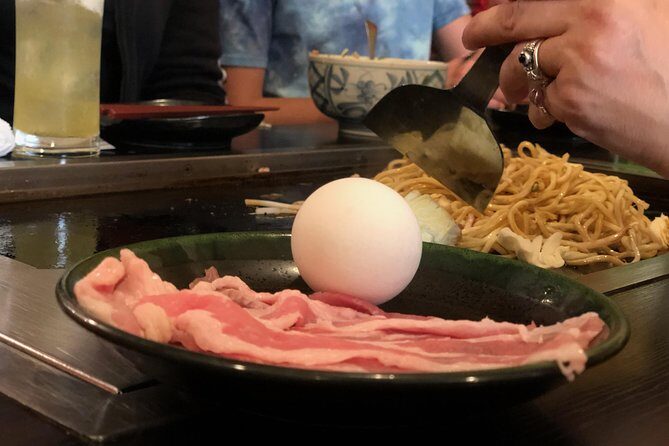
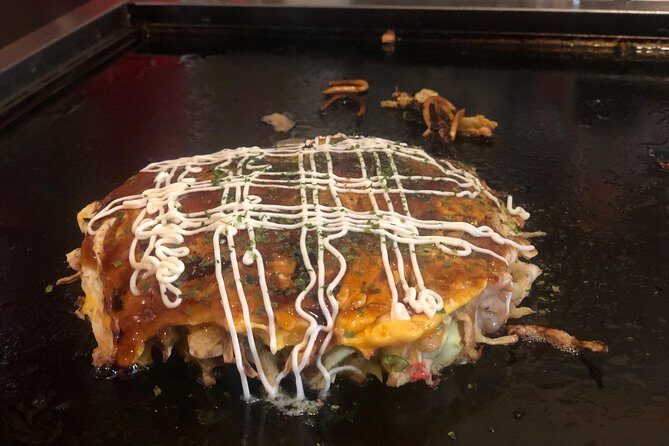
The tour’s headline is that lunch isn’t just lunch. It’s a colorful, pop-culture-style setting, described as a crazy, vivid “only in Japan” lunch inside a work of pop culture art. In plain terms: you’re not eating in a bland room. You’re eating inside the theme.
Then there’s the fun part that I really like for families: you can try your hand at making a traditional fun soul food that locals know well. You don’t need cooking skills. The point is participation, not perfection.
That hands-on element is also why the tour works for people who get bored by “just taste this, taste that.” Making food creates a memory you can’t scroll past later. It turns the lunch from a transaction into a mini activity you’ll remember when you think back on Harajuku.
One practical note: the tour is family-friendly and designed for a moderate pace. That usually means the food-making portion should feel approachable, but you’ll still want to watch your step in busy storefront areas.
Dietary fit: who should book, and who should plan alternatives
This experience is vegan, vegetarian, and pescetarian friendly. That’s a real plus if you’ve struggled to eat comfortably in Tokyo without turning your day into a stress test.
On the other hand, it’s not recommended for gluten-free. If you’re dealing with gluten sensitivity or celiac-level needs, treat that as a stop sign rather than a “maybe.”
If your diet falls outside gluten-free restrictions—like you can handle standard ingredients—this tour can be a good way to get variety without spending hours searching.
Also, children must be accompanied by an adult. If you’re bringing kids 10 and above, the tour data notes you need a copy of passport information. That’s easy to miss if you wait too long to prepare.
Guides make or break it: why this tour’s people are a big deal
A food tour lives or dies on the guide’s energy and pacing. Here, that’s a major strength.
Hannah is praised specifically for knowledge and patience, including handling a toddler during the walk. Michie is praised for taking people to lots of delicious stops they likely would not find on their own, plus adding history and context to the Harajuku story.
Even if you don’t care about pop culture trivia, that context helps you notice things. It makes the street feel less random and more readable. You stop seeing Harajuku as a blur of shops and start seeing it as a themed ecosystem.
Who this tour suits best
This is a great match if:
- You want a 3-hour guided walk through Harajuku and Omotesando with real tastings
- You like character-heavy, pop-culture atmosphere along with food
- You want a route you can’t easily replicate on your own without research
- You’re traveling with a family and want something that keeps kids interested
It may be less suitable if:
- You need gluten-free options
- You’re looking only for traditional, quiet Japanese meals without pop-culture framing
- You strongly dislike walking through busy fashion shopping areas
Should you book this Kawaii Food Tour?
If you want Tokyo fun that still includes thoughtful guidance, I think this tour is a strong choice. The combination of 5 food stops, a dessert, a drink, and a lunch experience that’s clearly designed as more than a meal gives you solid structure for the price.
Booking is especially worth it if you like:
- pop-culture food in a themed setting
- regional food discovery through antenna shops
- a route that ends conveniently at Harajuku Station
Skip it (or look harder) if gluten-free is essential, because the tour data doesn’t recommend it for that need. And if you’re on a tight budget, $209 is a choice you should make only if you’ll actually use a guide’s route and food expertise.
One more confidence boost: the tour is rated 4.9/5 with 96% recommended based on 49 reviews, and it’s consistently moving enough to show steady demand.
FAQ
How long is the Harajuku and Omotesando food tour?
It runs for about 3 hours.
What time does the tour start, and where does it meet?
The start time is 11:30 am. You meet at 1-chōme-22-8 Jingūmae, Shibuya, Tokyo 150-0001, at Nescafé Harajuku in front of the parking sign.
Where does the tour end?
It ends at Harajuku Station, at the top of Takeshita dori in front of the lower entrance to Harajuku station.
How many people are in the group?
The tour is limited to a maximum of 10 travelers.
What food and drink are included?
You’ll get local foods at 5 food stops, plus lunch, dessert, and 1 drink. Additional drinks or extra food are not included.
Is this tour suitable for children?
Yes, it’s family-friendly. Children must be accompanied by an adult, and for kids 10 and above you need a copy of passport information.
Are there dietary options?
The tour is vegan, vegetarian, and pescetarian friendly. It is not recommended for gluten-free.
What’s the cancellation policy?
Cancellation is free if you cancel at least 24 hours before the experience start time. The experience requires good weather, and if it’s canceled due to poor weather, you’ll be offered a different date or a full refund. The tour also requires a minimum number of travelers.