REVIEW · KYOTO
Kyoto: Kifune Shrine and the Sacred Kifune Valley Day Trip
Book on GetYourGuide →Operated by DeepExperience, Inc. · Bookable on GetYourGuide
The stream sounds at Kifune calm everything. This day trip pairs a quiet mountain setting with a guided visit to Kifune Shrine and the Nakamiya middle shrine, plus a very Kyoto-style ritual.
I like how it turns Kyoto into a slower pace: one part is the scenic ride out of the city, and the other is time with nature at the shrine grounds.
What I especially liked was the human touch from guides such as Yoshi and Kisho Hasegawa, who explain what you’re seeing in plain, practical terms. I also like that the tour includes the Mizu-ura water divination ritual, which makes the visit feel more than just photos.
One drawback to watch: the start point can vary by option. If you show up at the wrong place, you can waste time fast, as one booking issue showed—so double-check your exact meeting location before you go.
In This Review
- Key highlights you can plan around
- Why Kifune feels like Kyoto, but quieter
- Getting there: the train route that sets the tone
- First stop: Kifune Shrine main grounds and guided orientation
- Nakamiya (middle shrine): the extra stop that changes the mood
- The Mizu-ura water divination ritual: small, included, memorable
- What the timing feels like (90 minutes to 4 hours)
- Start and end points: why your exact option matters
- Value check: is $81 per person worth it?
- Who should book this Kifune day trip
- The simple checklist before you go
- Should you book Kyoto: Kifune Shrine and the Sacred Kifune Valley Day Trip?
- FAQ
- How long is the Kifune Shrine and Sacred Kifune Valley day trip?
- Where does the tour start?
- How do you get to Kifune from Kyoto?
- What’s included in the tour?
- Do I need to bring anything?
- Is the tour wheelchair accessible?
Key highlights you can plan around
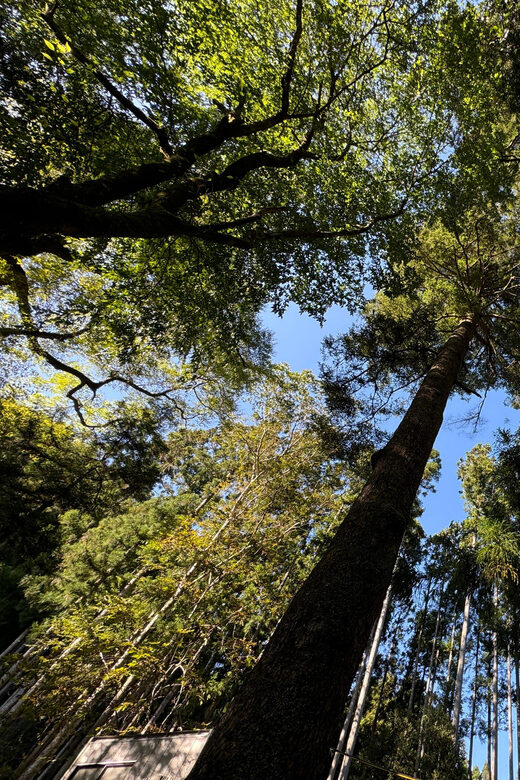
- Eizan Railway ride from the Kyoto area to Kifune-guchi for a countryside-feeling change of pace
- Kifune Shrine main site time with a guided look at the sacred grounds
- Nakamiya (middle shrine) for an extra layer of spiritual atmosphere
- Mizu-ura water divination included, adding a hands-on ritual moment
- Flexible timing: the day trip window can run from about 90 minutes to 4 hours depending on your slot
- Private group with English and Japanese guidance for a smoother experience
Why Kifune feels like Kyoto, but quieter
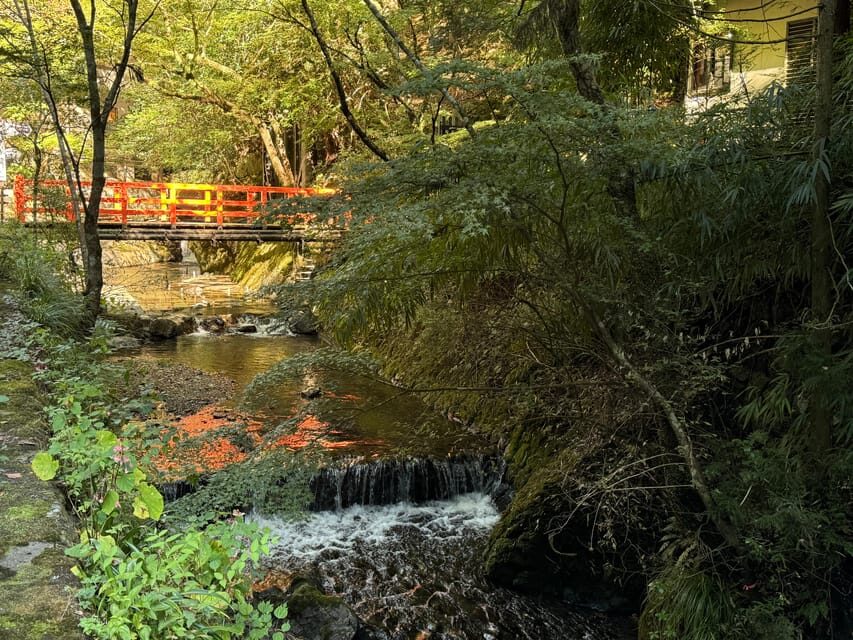
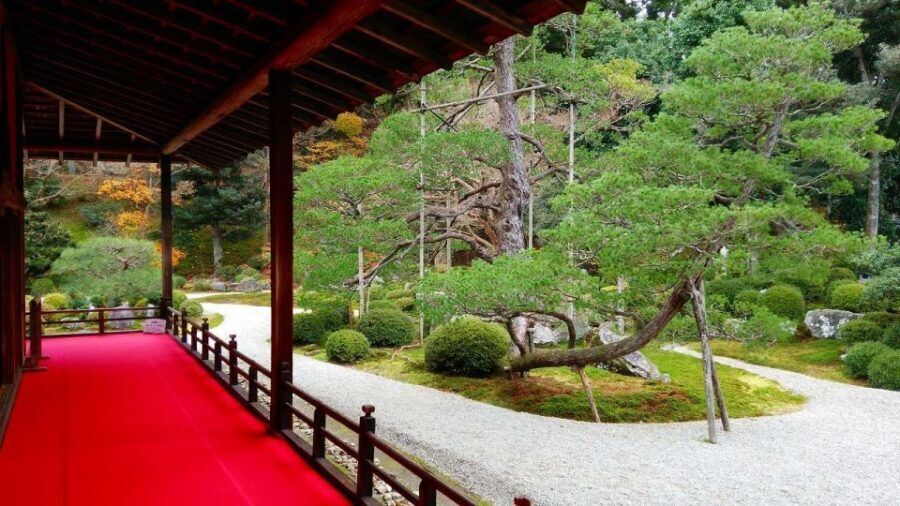
Kifune is the kind of place that makes Kyoto’s usual crowds feel like a distant memory. The air and the sounds do it for you. You’re in a valley setting where water and stone set the mood, and the shrine grounds keep things calm instead of tour-bus loud.
What makes this day trip work is balance. You’re not spending hours wandering with no context. You get a guide, you get a focused route, and you get enough time to actually notice details: the way the shrine area sits in the mountains, and how the environment changes how you stand, walk, and pay attention.
Also, the tour is built around a practical idea: “nature + shrine + small ritual.” That’s why it’s a solid add-on if you want something more grounded than another temple photo stop.
A few more Kyoto tours and experiences worth a look

Getting there: the train route that sets the tone
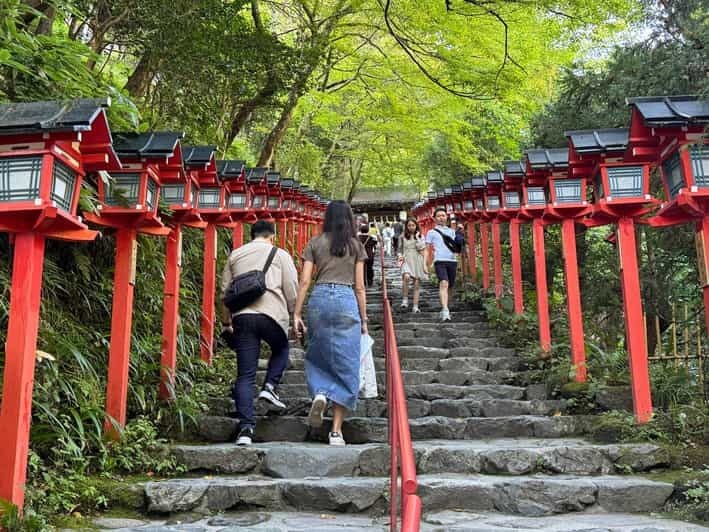
The experience starts in the Kyoto area—commonly at Kyoto Station’s JR West exit—then moves you to Demachiyanagi Station. From there, you ride the Eizan Railway toward Kifune-guchi, where the valley setting begins to feel real.
Here’s why I think this matters: the train ride is part of the “reset.” You’re not just hopping between points; you’re traveling through the scenery on a local rail line. Even if you’ve already done other Japanese train rides, Eizan has that slower rhythm that makes you look out the window instead of only watching your phone.
You should also pay attention to the fact that your tour option can change the starting location. Two listed options include 貴船一ノ谷観光トイレ and 鞍馬山大天狗. If your confirmation message points to one of these, treat it as the real start. Show up early, because this tour isn’t designed for last-minute scramble.
Tip: take a screenshot of the meeting point name in Japanese and Latin letters, and verify it the day before. Kyoto is great, but station areas can be confusing when you’re stressed.
First stop: Kifune Shrine main grounds and guided orientation
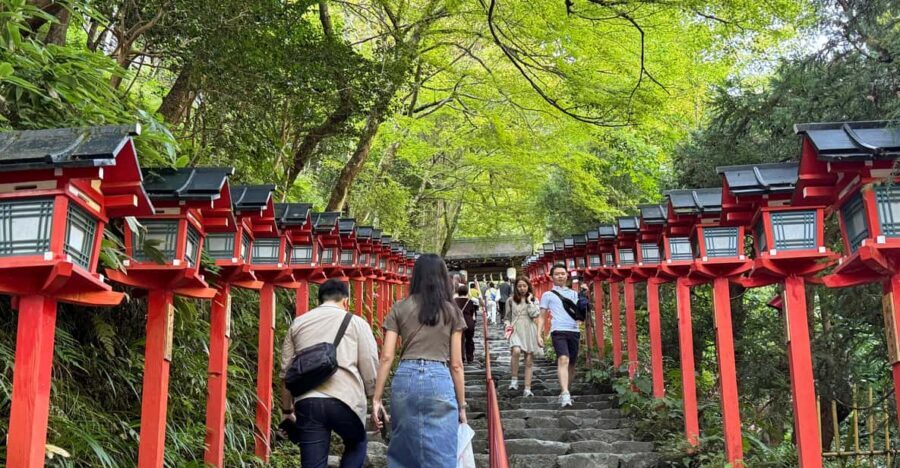
At Kifune Shrine, you spend time at the main site with a guided visit and walking. In a short span, you’re getting a sense of what makes this shrine special: its setting by flowing water and dense mountain surroundings.
Expect a calm route that gives you time to look rather than rush. You’ll likely move through the main hall area and the surrounding sacred grounds, where the atmosphere feels more like a ritual space than a theme park.
What I like about the way this tour handles the first stop is that it gives you both context and quiet. A good guide (again, examples like Yoshi or Kisho Hasegawa) helps you connect what you’re seeing to why people come here and how the site functions as a spiritual place, not just a sightseeing stop.
Practical advice for this phase:
- Wear comfortable walking shoes. The shrine approach and grounds can involve uneven stone paths and short climbs.
- Have your camera ready, but don’t let it take over. The best photos often happen when you pause and let your eyes adjust to the water-and-stone environment.
You’re also given a meaningful amount of time at the main grounds, not just a quick “look and leave.” That makes a difference in how the place lands.
Nakamiya (middle shrine): the extra stop that changes the mood
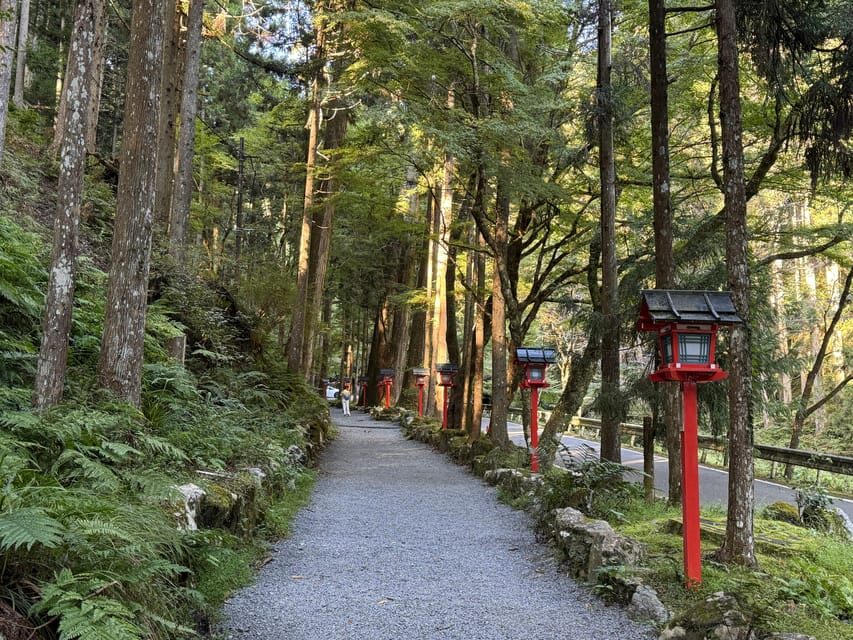
After the main shrine, the tour continues to Nakamiya, the middle shrine. This stop matters because it shifts the experience from “see the shrine” to “feel the progression.”
You’re still in the same natural setting, but the tour frames it like part of a deeper spiritual sequence. In practice, that means your attention changes. Instead of treating it like the same scene again, you start noticing how the shrine spaces relate to the mountain environment and to the act of prayer.
This is also where a guide’s explanations help most. When someone connects the idea of the middle shrine to what visitors are doing—standing, watching, paying attention—you feel less like you’re following arrows and more like you understand the logic behind the route.
If you like places that are quiet and meaningful, you’ll likely enjoy Nakamiya. If you’re only chasing the biggest postcard views, you might find it less visually dramatic than the main area—but it’s often more emotionally satisfying.
The Mizu-ura water divination ritual: small, included, memorable
One of the most valuable parts of this day trip is that it includes the Rare Mizu-ura Fortune Ritual, a water divination experience.
Even if you’re not big on fortune rituals, this inclusion makes the trip feel different from a basic shrine walk. It asks you to do something, not just watch. You’re participating in the tradition rather than only observing it.
What you can expect: you’ll be guided through the process as part of the tour, and you’ll have a chance to experience how water is used symbolically in this context. The key is that the ritual fits the setting. You’re already in a place where water matters—so the divination doesn’t feel random. It feels like it belongs.
Practical advice:
- Bring water as recommended. You’re walking and waiting around at shrine sites.
- Be ready to stand and follow instructions. It’s a ritual moment, not a fast drive-by photo stop.
This is also a good reason to book a guided tour instead of DIY. You may be able to reach Kifune on your own, but you likely won’t get the same clarity about what you’re doing during the ritual.






What the timing feels like (90 minutes to 4 hours)
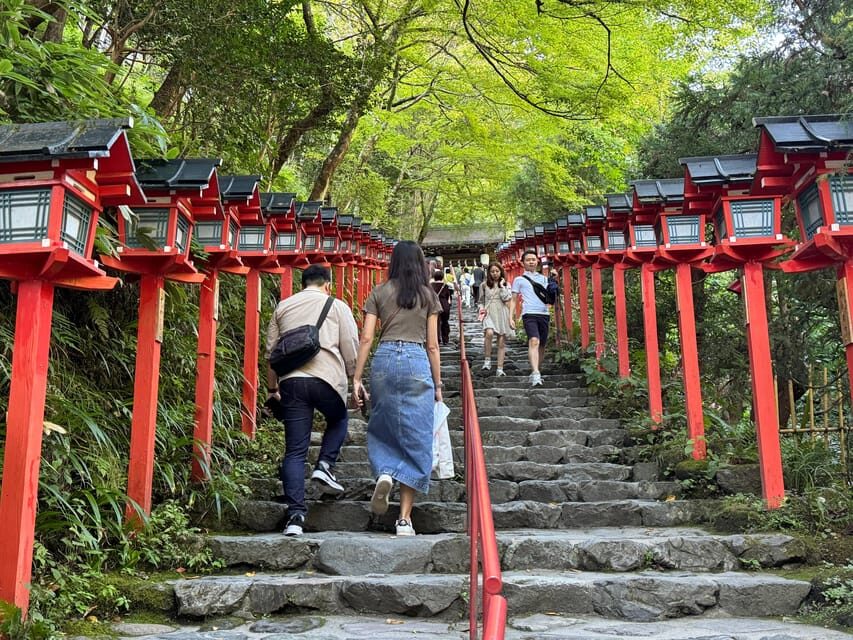
The activity duration is listed as 90 minutes to 4 hours, depending on your starting time. That range sounds wide, but it makes sense for a shrine-and-nature day trip because the length can shift with the specific slot and how much walking time you have.
A typical experience flows like this:
- Train/bus travel out of the Kyoto area to Kifune-guchi
- Guided time at the main shrine grounds
- Continued visit to Nakamiya
- Ritual time for Mizu-ura divination
- Return toward Kyoto, with the tour concluding by around 16:00 in the late afternoon
Here’s how to plan your day around it. If you have other Kyoto plans after, don’t book something that requires you to be in a different neighborhood at exactly the moment you land back. Give yourself a cushion, because Kyoto trains and station transfers always take more time than you hope.
If your main goal is this shrine visit and the ritual, this day trip is an efficient way to do it without sacrificing your whole day.
Start and end points: why your exact option matters
Your meeting point may vary based on the option you book, and that’s not a small detail. Two starting locations listed are 貴船一ノ谷観光トイレ and 鞍馬山大天狗. If you plan to meet “somewhere near Kifune” without confirming the exact label, you can miss the group.
Your drop-off can also vary. Two listed drop-off locations include 貴船神社 and 灯篭階段. Translation: your tour might end near different landmarks depending on the option, even if the core shrine and valley experience stays the same.
My advice: treat the meeting and drop-off names like part of the itinerary, not fine print. Save them, copy them into your maps app if possible, and plan to arrive early enough to handle confusion without stress.
This kind of attention is what turns a good trip into a smooth one.
Value check: is $81 per person worth it?
At $81 per person, this day trip sits in the “paid convenience” category: you’re paying for the guide, the structured route, and the included ritual experience. You’re also paying for time saved on figuring out the flow.
If you were doing it totally on your own, you’d still have the travel to Kifune and the shrine visits. But you might struggle with two things:
- understanding what you’re seeing and why it matters as you move between the main shrine and Nakamiya
- knowing what to do during the Mizu-ura water divination moment
That’s where the guide’s role becomes part of the value, especially with guides like Yoshi and Kisho Hasegawa, who bring the site’s meaning into focus while keeping you moving at a comfortable pace.
Also, the tour is private group, which can make the experience feel less rushed and more responsive. Even without knowing the exact group size, private usually means you can ask questions instead of shouting across a crowd.
The main “cost” is time: you lose a chunk of your day, and you’re on your feet for a shrine-and-valley walk. If you want a quick temple stop only, you might prefer a shorter option. If you want a focused spiritual/nature outing with guidance, this price can feel fair.
Who should book this Kifune day trip
This tour is a great fit if you:
- want a change of pace from central Kyoto
- like shrine visits where a guide helps you understand what matters
- enjoy quiet walking and don’t mind spending time outdoors
- want an included hands-on ritual like Mizu-ura instead of just sightseeing
It’s also a good match if you’re traveling in a pair or small private group and you’d rather ask questions directly than scan signs.
You might want to skip or rethink it if you:
- need wheelchair-friendly routes (this tour is not listed as suitable for wheelchair users)
- hate any walking on stone paths
- have zero flexibility about meeting points and timing
The simple checklist before you go
This is easy to prepare for. The basics are:
- Comfortable walking shoes
- Camera (there are plenty of scenic moments)
- Water (and it helps to stay comfortable while waiting and walking)
- Dress for being outside in the valley setting
If you’re the type who gets cold easily, consider a light layer. Mountain areas around Kyoto can feel cooler, even when the city feels mild.
Should you book Kyoto: Kifune Shrine and the Sacred Kifune Valley Day Trip?
I’d book it if your Kyoto plan needs a quieter, more meaningful reset. This day trip has three things that work together: the train ride out of town, a focused visit to Kifune Shrine and Nakamiya, and the included Mizu-ura water divination ritual.
My one caution is logistics accuracy. Because your meeting point and ending landmark can vary (貴船一ノ谷観光トイレ vs 鞍馬山大天狗, and drop-offs like 貴船神社 or 灯篭階段), you should confirm your exact option details in advance and arrive early.
If you’re okay with that, this is a strong choice for travelers who want Kyoto to feel calm, spiritual, and real—not just seen.
FAQ
How long is the Kifune Shrine and Sacred Kifune Valley day trip?
The duration is listed as 90 minutes to 4 hours, depending on the starting time and availability.
Where does the tour start?
The meeting point may vary depending on the option booked. Two listed starting locations are 貴船一ノ谷観光トイレ and 鞍馬山大天狗.
How do you get to Kifune from Kyoto?
The tour route commonly goes from Kyoto Station’s JR West exit to Demachiyanagi Station, then you board the Eizan Railway to Kifune-guchi.
What’s included in the tour?
You get a guided visit to Kifune Shrine and the included rare Mizu-ura fortune water divination ritual. Meals and beverages are not included.
Do I need to bring anything?
Bring comfortable walking shoes, a camera, and water.
Is the tour wheelchair accessible?
No, it is not suitable for wheelchair users.