REVIEW · KYOTO
Kyoto: The Path Less Traveled (Private)
Book on Viator →Operated by An Design · Bookable on Viator
Kyoto without the crush. This private tour steers you toward quieter Zen gardens and high-ranking shrines, where the details matter and the day feels unhurried. I especially like how the route leans into lesser-visited spaces (not just the headline sites).
I also like the mix of garden design and visual wow. You’ll get time for Sanjusangendo’s 1,001 golden Buddhas plus a stop at the Kawai Kanjiro Memorial Museum, where pottery and wabi-sabi design change the mood of the day.
The main thing to plan for is practical cash. You’ll bring extra money for lunch, transportation, and temple admissions, and depending on pace or conditions not every stop may be included.
In This Review
- Key Highlights That Make This Tour Work
- Why This Kyoto Day Feels Like Kyoto, Not a Checklist
- The 8-Hour Plan: Calm Timing and Built-In Flexibility
- What You’ll Really Pay For: Price, Admissions, and Cash
- Stop 1: Konchi-in and the Art of Quiet Looking
- Stop 2: Tenjuan Garden and the Fairy-Tale Forest Feeling
- Stop 3: Heian Shrine Garden (The Backside Many People Skip)
- Stop 4: Chishaku-in and the Sliding-Door Paintings
- Stop 5: Sanjusangendo and the 1,001 Golden Buddhas Moment
- Stop 6: Toyokuni Shrine’s Big Bell and Samurai-Era Atmosphere
- Stop 7: Kawai Kanjiro Memorial Museum and Wabi-Sabi at Human Scale
- How Andrew’s Guiding Changes the Day
- Who This Tour Fits Best (and Who Might Want Something Else)
- Should You Book This Private Kyoto Path-Less-Traveled Tour?
- FAQ
- How many people are included in the private tour?
- How long is the tour?
- What does the price include, and what do I pay separately?
- Are admission tickets included for the temple and garden stops?
- Where do we meet, and where does the tour end?
- What happens if the tour can’t fit all stops?
- Is the tour dependent on weather?
Key Highlights That Make This Tour Work
- A private group experience (up to 4) with only your party joining the day’s route
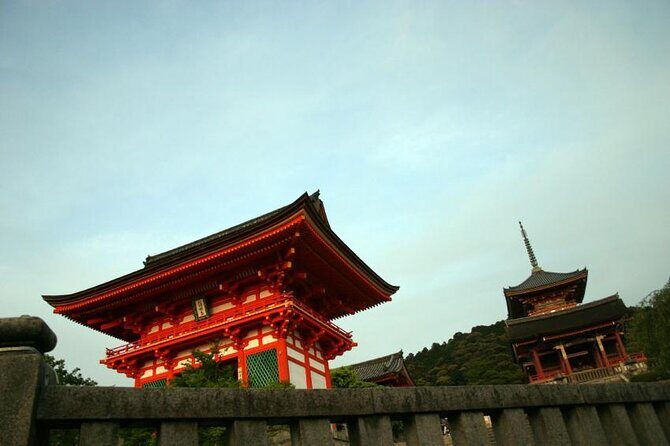
- Konchi-in and Tenjuan Garden for calm architecture and garden scenes you won’t find in standard “Top 10” lists
- Heian Shrine’s garden behind the shrine for a quieter look at one of Kyoto’s best-picture gardens
- Sanjusangendo’s 1,001 golden Buddhas in a temple setting with serious historical weight
- Kawai Kanjiro Memorial Museum adds a wabi-sabi, folk-art angle to the Zen theme
- Cash on the day for lunch, transport, and admission fees for multiple stops
Why This Kyoto Day Feels Like Kyoto, Not a Checklist
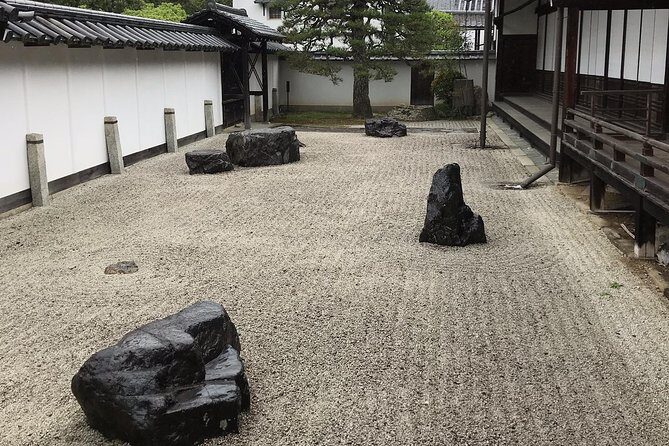
If your Kyoto experience so far has been sprinting between famous gates, this tour is a reset. It focuses on gardens, shrine grounds, and art spaces that are still Kyoto—just less crowded, and often more meaningful once someone points out what you’re actually looking at.
I like the way the schedule protects your attention. Most stops are about an hour, so you’re not rushed through gates while your phone camera tries to do emotional work for you. That matters, because Kyoto gardens and temple art are built for slow looking: stones, angles, textures, and the way the light shifts across a courtyard.
And this is private, up to four people. That means you can ask questions, adjust the pace, and actually take the time to understand what’s right in front of you. A tour like this also tends to feel more personal because you’re not competing with other groups for the same quiet view.
The guide attached to this experience is Andrew, and what comes through is his focus on explaining what you’re seeing—not just giving facts. In my kind of travel, that’s the difference between seeing a place and getting it.
You can also read our reviews of more private tours in Kyoto


The 8-Hour Plan: Calm Timing and Built-In Flexibility
The tour runs about 8 hours, starting at 9:00 am. It ends near the Kawai Kanjiro Memorial Museum, with an easy walk from there to Umamchi Bus Stop, so you can keep your afternoon plans realistic.
Here’s a detail worth knowing: the route isn’t guaranteed to include every single stop. Depending on the day’s pace (and conditions), you may not be able to visit everything, and if that happens, you’ll determine what gets eliminated. That’s a smart setup for Kyoto, where lines, accessibility of garden areas, and weather can all affect timing.
The best approach is to go in knowing the goal is the experience, not ticking boxes. If you treat the day like a guided walk through Kyoto’s quieter soul, you’ll get more out of the day even if one stop gets cut.
What You’ll Really Pay For: Price, Admissions, and Cash
The listed price is $690 per group, up to 4 people. That’s one of the reasons this tour can be a strong value if you’re traveling with a small crew—two people pay a lot per seat, but a full group of four spreads the cost well.
On top of that base price, you’ll need cash for a few items:
- 1,500 yen per guest for lunch
- 1,000 yen per guest for transportation
- 3,500 yen per person total for admission tickets (5 sites)
Those admissions are cash-based for five of the stops. Since not every stop may be visited, the clean way to think about it is: bring the full amounts, and trust the guide to handle the on-the-day math and logistics.
Also note: the tour uses a mobile ticket. That helps reduce last-minute chaos, especially when you’re moving between quiet temple lanes where it’s hard to manage paper tickets.
Stop 1: Konchi-in and the Art of Quiet Looking
Konchi-in is the opening act, and it sets the tone fast. You’ll see high-level architecture, gardens, statuary, and paintings in a very tranquil setting far away from the crowds. This is the kind of place where the “wow” isn’t loud—it’s in the balance of surfaces and the calm way everything is arranged.
A key benefit here is timing. Starting the day in a quieter atmosphere helps you shift gears from Kyoto’s main streets. If your brain is already tired from crowds, Konchi-in is where it wakes up again.
Possible drawback: Konchi-in is a ticketed admission stop, and the day requires cash planning. If you’re the kind of traveler who hates handling money mid-tour, this is something to accept up front.
Stop 2: Tenjuan Garden and the Fairy-Tale Forest Feeling
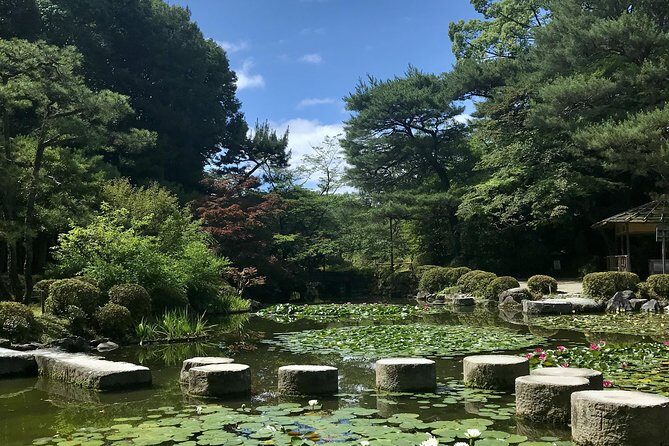
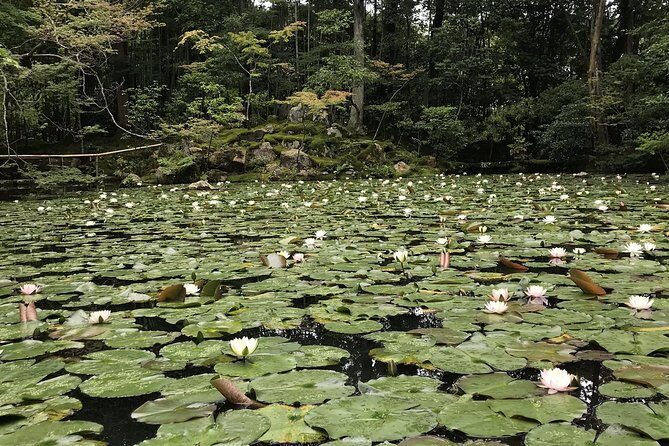
Tenjuan Garden is built around two profound gardens. One of them creates the sensation of entering a forest scene—like you’ve stepped into a different world.
This is one of the itinerary parts I’d call “Kyoto garden literacy.” If you’ve admired gardens before but never knew what to focus on, Tenjuan gives you something concrete: a designed transition. You’re not just viewing a pond or a bridge—you’re experiencing how the space guides your eyes.
Because it’s scheduled for about an hour, you can actually slow down. In Kyoto, a garden can feel different ten minutes later. Let yourself notice that.
Admission isn’t included for this stop, so again: have your cash ready and you’ll keep the day smooth.

Stop 3: Heian Shrine Garden (The Backside Many People Skip)
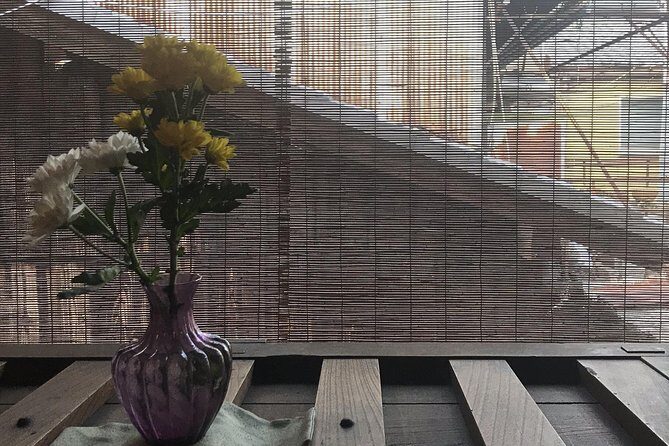
Heian Shrine has a reputation as a tourist site, yet the garden behind it is visited far less often. That’s part of why this stop fits the tour theme so well.
You’ll spend about an hour here in what the itinerary describes as one of Kyoto’s most picturesque gardens. The practical win: you avoid that heavy, photo-herd feeling and get more personal time with the garden layout.
In plain terms, this is where you’ll feel the tour philosophy: Kyoto’s best scenes often live in the places people skip. The “behind the shrine” factor is a small detail, but it changes the whole atmosphere.
Stop 4: Chishaku-in and the Sliding-Door Paintings
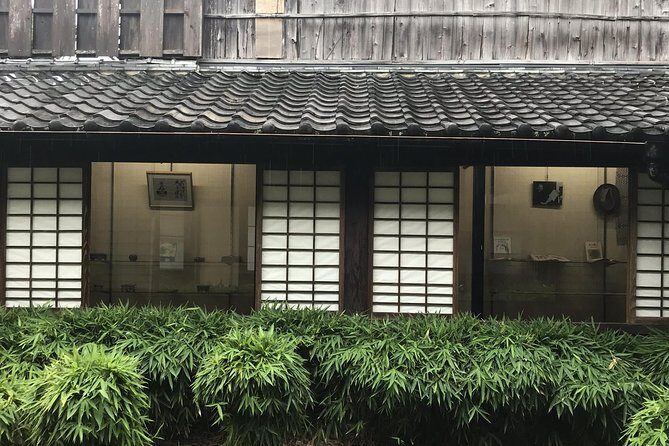
Chishaku-in is a hardly-visited garden stop, and that label matters. You’ll see a garden experience that transports your mind to far-away lands, plus sliding door paintings by one of Japan’s heralded painters.
This stop is ideal if you love art as much as gardens. Gardens get all the attention, but the way painting and architecture interact is a big part of Kyoto’s cultural logic. Sliding-door art isn’t just decoration; it’s part of how rooms and viewpoints are composed.
Timing is about an hour. If you’re a quick walker, you may finish fast. If you like to linger, Chishaku-in supports that style.
Admission isn’t included, so factor in the cash requirement. With Kyoto, your morning energy and a ready wallet are a surprisingly important combo.
Stop 5: Sanjusangendo and the 1,001 Golden Buddhas Moment
Then comes the headline-level stop: Sanjusangendo Temple, one of the oldest structures in Kyoto. It’s home to 1,001 golden Buddhas—an effect you really can’t reduce to a single photo.
This is where the tour earns its wow. You’ll get about an hour here, which is enough time to actually absorb the visual pattern rather than glance and move on. The sheer number is the headline, but what you’re learning is how scale changes perception.
A possible drawback is pacing. The day already has several garden stops, and this is a different kind of experience—more structured, more intense visually. If you’re sensitive to sensory overload, plan to take breaks inside the flow of the visit and let the guide manage your rhythm.
Admission isn’t included, so plan your cash for the temple entries that day.
Stop 6: Toyokuni Shrine’s Big Bell and Samurai-Era Atmosphere
Toyokuni Shrine is a shorter stop at about 20 minutes. You’ll enter a decadent shrine dedicated to a pivotal samurai in Japan’s history, and the grounds include the largest bell in Japan.
This is the “breather stop” of the day—short, focused, and easy to fit into the middle without draining you. It also adds a historical layer that keeps the tour from feeling like it’s only about garden beauty.
Because it’s only 20 minutes, you won’t get the same slow, lingering treatment you’ll have at the one-hour garden stops. If you love tiny details, ask Andrew to point out the key elements quickly so you don’t miss the best view in the brief time window.
Admission isn’t included here either, and the overall admission cash amount is designed to cover five sites across the day.
Stop 7: Kawai Kanjiro Memorial Museum and Wabi-Sabi at Human Scale
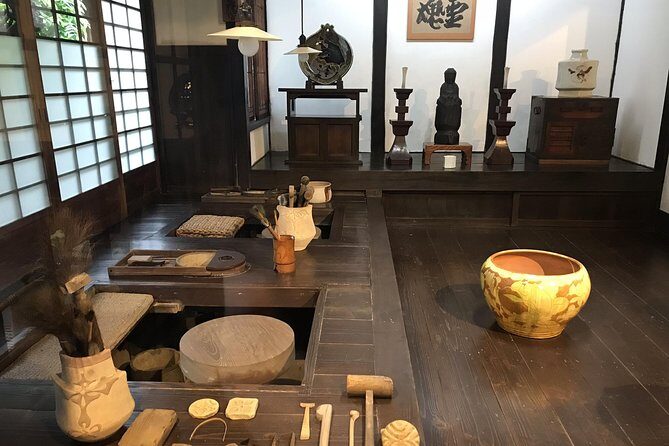
Kawai Kanjiro’s Memorial Museum closes the route, and it’s a fitting ending. This is the converted home of a 20th-century master potter, and it’s described as an example of wabi-sabi design and living.
What I like about ending here is the emotional shift. Earlier stops focus on temple grounds and designed nature. This one shifts you toward a way of living with imperfections and quiet character—Kyoto’s aesthetic principle made tangible.
It’s also a museum that you can visit with your eyes open. Even without a deep background in Japanese pottery, you can still notice how the space functions like a living artwork. This stop tends to stick with people because it feels real, not staged.
The tour ends outside the Kawai Kanji Memorial House area, and it’s about a five-minute walk to Umamchi Bus Stop, which keeps your transit simple for the rest of the day.
How Andrew’s Guiding Changes the Day
A good guide doesn’t just point. Andrew’s approach is about making connections between what you see—architecture, garden form, shrine space, and art—and why it was designed that way.
That matters most at the stops where the experience could easily become “nice, quiet, pretty.” With guidance, the gardens start to read like compositions. The shrines don’t feel like random stops. And the art elements—like sliding-door paintings—feel integrated rather than tacked on.
Also, because this is private, you can ask follow-up questions instead of holding them until the end when everyone’s already packed up.
In Kyoto, the best tours don’t just show you places. They teach you how to look.
Who This Tour Fits Best (and Who Might Want Something Else)
This is a strong fit if you:
- love Zen gardens and want the quieter side of Kyoto
- want art and culture tied to place, not just a photo stop
- are traveling as a small group and want a private day
It’s also a good option if you’ve been to Kyoto before and the standard attractions feel tired. The itinerary leans into spaces that make Kyoto feel older and calmer, not just bigger and louder.
If you’re traveling with someone who only wants famous, major ticket attractions and doesn’t care about garden design or shrine backyards, the tour might feel slower than expected. The route is designed for depth and atmosphere, not speed.
Should You Book This Private Kyoto Path-Less-Traveled Tour?
Yes, if you want a Kyoto day that rewards attention. This tour is built around quieter gardens, artful temple spaces, and a guide like Andrew who helps you see the structure behind the beauty. The value improves if you can fill the group size and spread the cost.
Book with the mindset that you’re paying for a curated flow of experiences, plus a guide who explains what you’re actually standing in. Bring the required cash for lunch, transport, and admissions so the day stays smooth. And accept the flexible “pace might change the final stop” rule—it’s part of how the tour keeps things calm instead of frantic.
If you want Kyoto’s quieter side with real context, this private route is a very smart choice.
FAQ
How many people are included in the private tour?
It’s a private tour for your group only, with a maximum of up to 4 people.
How long is the tour?
The tour lasts about 8 hours.
What does the price include, and what do I pay separately?
The guide service is included. You’ll pay separately for lunch (1,500 yen cash per guest), transportation (1,000 yen cash per guest), and admission tickets (3,500 yen cash per person total for 5 sites).
Are admission tickets included for the temple and garden stops?
No. Admission is not included for the listed sites, and you’ll pay a total of 3,500 yen cash for admission for five sites.
Where do we meet, and where does the tour end?
The tour starts at Keage Sta. Higashikomonozacho in Higashiyama Ward, Kyoto (9:00 am). It ends outside Kawai Kanjiro’s House in Higashiyama Ward, with a short walk to Umamchi Bus Stop.
What happens if the tour can’t fit all stops?
The route may be shortened depending on pace and conditions, and you will determine what is eliminated if that happens.
Is the tour dependent on weather?
Yes. The experience requires good weather. If it’s canceled due to poor weather, you’ll be offered a different date or a full refund.