REVIEW · TOKYO
Mini Origami Lamp and Mizuhiki knot Belt Workshop in Ueno
Book on GetYourGuide →Operated by Washi labo TOKYO · Bookable on GetYourGuide
Paper turns into light in Ueno. This hands-on workshop has you working with traditional washi paper while making two take-home crafts: a warm-glow origami lamp and a mizuhiki knot ornament for a belt.
I like that the teaching is practical and step-by-step, with a real focus on materials and technique. I also like the added cultural layer: you learn what mizuhiki knots mean and why people use them for gifts.
One consideration: the craft involves detailed folding, gluing, and tying skills, so it may not be the best fit for younger kids (it’s not suitable for children under 10).
In This Review
- Key things I found most impressive
- Entering The Workshop In Ueno: what you’re really signing up for
- Waseda Paper Basics First: why the prep matters
- Building The Origami Lamp: bellows folds and warm light
- Mizuhiki Knot Belt Ornament: learning meaning, not just tying
- The included washi paper tea and sweets: a rare ending
- Price, timing, and value at $106 for 150 minutes
- Who should book this workshop—and who might skip it
- A final call: Should you book the Ueno origami lamp and mizuhiki workshop?
- FAQ
- How long is the workshop?
- What is the price?
- Where is this workshop offered?
- What do I make during the session?
- Is washi paper and mizuhiki cord included?
- Are meals included?
- What languages is the instructor using?
- Is it suitable for young children?
- Can I cancel or change plans?
Key things I found most impressive
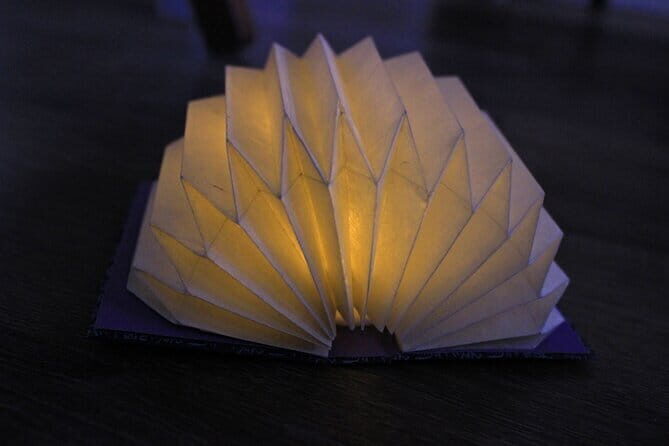
- You create a bellows-style origami lamp that closes like a closed book and turns on for a gentle glow
- Mizuhiki knot meanings matter, so your belt ornament has purpose, not just decoration
- Washi paper tea and Japanese sweets are included, and the tea is described as not offered elsewhere
- All materials are provided, so you’re not hunting for tools or supplies
- Instructor support is a highlight, with clear guidance on folding, gluing, and fixing parts together
Entering The Workshop In Ueno: what you’re really signing up for
This is the kind of workshop that feels small and focused. You’re not just making one flat paper craft; you’re building something with structure, light, and symbolism. In about 150 minutes, you’ll end up with a lamp you can put on a shelf and a knot ornament you can actually attach to a belt.
Ueno is a great place to do something this hands-on because you can blend it with a relaxed day afterward. But even if you’re only treating this as a single stop, it works well as a “slow down” activity. You’ll be quiet with your hands, guided by someone who speaks Japanese and English, and you’ll finish with something that looks uniquely you.
The most valuable part is the pairing: paper craft technique (origami lamp) plus paper-string meaning (mizuhiki). When people learn only how to fold, they often forget why the craft matters. Here, the workshop links technique to tradition.
A few more Tokyo tours and experiences worth a look


Waseda Paper Basics First: why the prep matters
Before you start the main builds, you get an intro to washi paper basics. That guide document matters more than it sounds. It helps you understand what you’re working with—handmade washi behaves differently than typical craft paper, especially in how it folds and how it holds shape after glue and pressure.
This early stage also gives you a mental map for the rest of the session. Instead of fumbling halfway through, you’ll know what the paper is supposed to do and what the instructor expects at each step. That reduces stress and speeds up learning.
I like that the workshop doesn’t treat washi as a mystery. It treats it as a craft material with rules—light, durable, and used across traditional paper arts and interiors. You’ll get a better sense for how Japanese artisans think: careful with materials, precise with outcomes.
Building The Origami Lamp: bellows folds and warm light

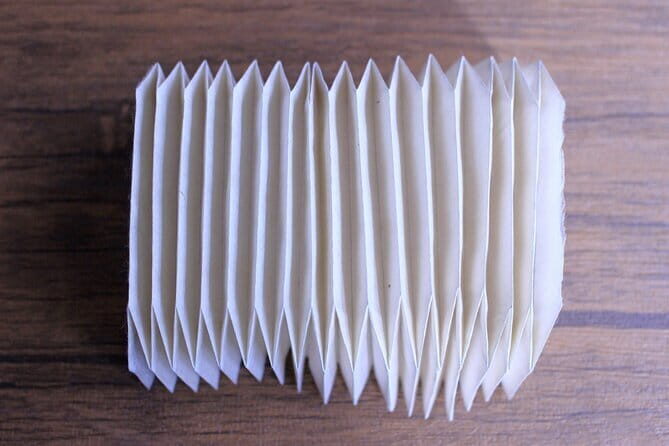
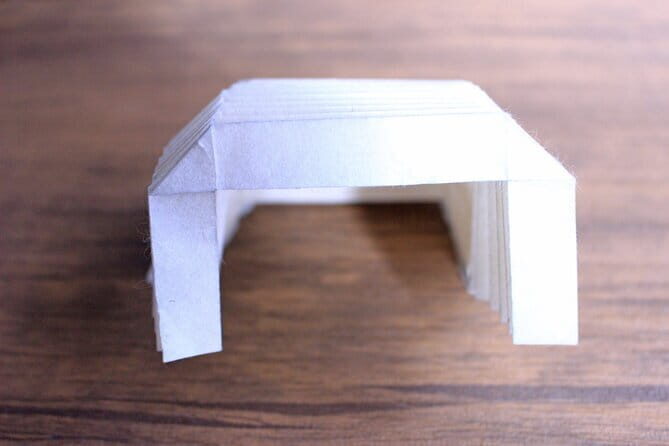
The centerpiece is the origami lamp, built from several sheets of handmade washi paper folded and glued together in a bellows-like manner. Think of it like making an expandable paper structure that you can later close. The design is clever because it creates both a form and a function.
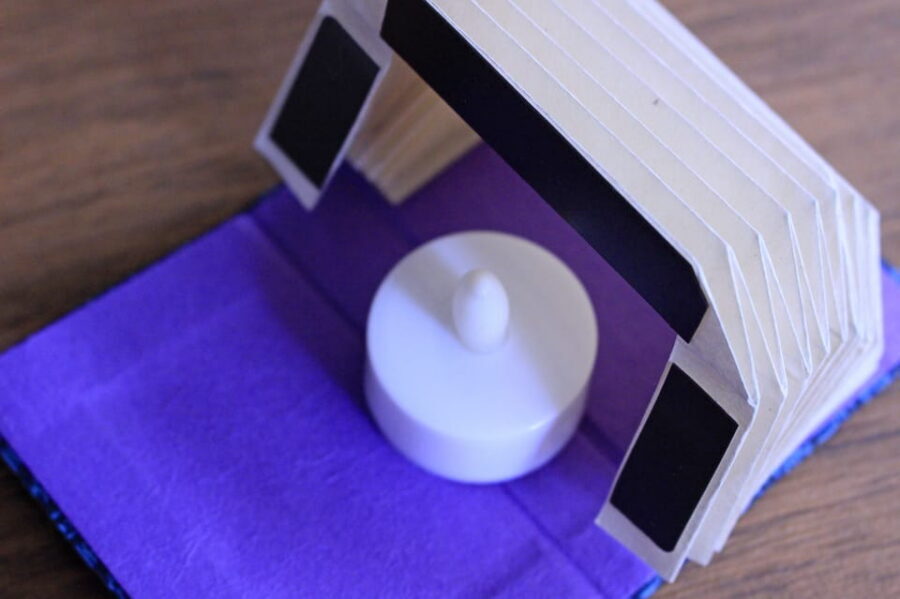
Here’s the key idea: the folded paper becomes a housing for a small lamp. Once the lamp is inserted, the paper acts like a soft shade, so the light comes out gentle and warm instead of harsh. When you close the bellows shape, the whole piece looks like a closed book—simple, satisfying, and very “Japanese craft object.”
What you’ll do in this part (in practical terms):
- Fold and assemble the bellows-like structure from multiple washi sheets
- Glue and fix parts together as instructed
- Insert the small lamp so it actually lights up
- Close the shape so it becomes the neat, book-like form
This is also where good instruction shows up. One thing that stands out from past experiences of this workshop is how the instructor sets up materials in advance and walks you through folding, gluing, and fixing. If you’ve ever tried paper crafts alone and worried you’ll mess it up, you’ll feel the difference here. You’re guided while you work, not after you’ve already made an error.
One small heads-up: gluing and alignment are the kinds of steps where speed can create mistakes. If you’re the type who hates slowing down, plan to lean into patience. The result is worth it.
Mizuhiki Knot Belt Ornament: learning meaning, not just tying
The second craft is a mizuhiki knot ornament made from traditional paper cord. The cord has a core of twisted washi paper, wrapped by nylon or film, which makes it decorative and practical to handle. The knot you make isn’t only pretty—it has meaning.
That’s the real value. The workshop explains that each knot can carry different messages, and knowing those meanings is what makes mizuhiki perfect for gifts. You’re learning how Japanese people think about intention. It’s not “let’s tie something” but “let’s tie the right thing for the moment.”
In the session, you’ll create a mizuhiki ornament intended for a belt. That’s nice because it changes the final object from purely decorative to wearable. It also gives you a clear take-home use, not just a framed craft.
What you’ll focus on here:
- How mizuhiki cord is constructed and why it behaves well
- How to form the knot step-by-step
- How knot meanings connect to gifting and occasions
The guidance is important because knot craft relies on small actions. The tension of the cord, the order of loops, and the final tightening all affect how the knot looks. If you’ve never tied decorative knots before, this is still doable—just give yourself permission to take your time.
The included washi paper tea and sweets: a rare ending
Most workshops end with a quick goodbye and a paper bag of supplies. This one includes a real finish: Japanese sweets plus Japanese paper tea made from washi paper.
The tea is described as not offered elsewhere, and that’s a big deal if you’re trying to avoid tourist-only “tea ceremony” stand-ins. The point here is that you’re staying inside the washi theme all the way to the end. You don’t just start with washi; you experience it as part of the taste.
In past sessions, people noted the snacks and tea toward the end as very good, which makes sense. After folding, gluing, and tying for hours of mental focus, a warm drink and a sweet break feels like a reset. It also gives you a moment to look at your crafts before you leave.
If you’re the type who likes to see how a culture uses materials beyond obvious craft contexts, this part lands well.





Price, timing, and value at $106 for 150 minutes
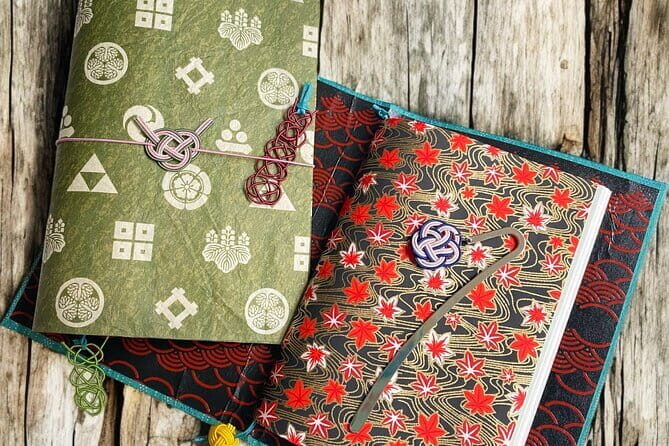
At $106 per person, this workshop isn’t a budget “try it once” craft. But it also isn’t overpriced for what you get—because your materials, instruction, and take-home pieces are part of the price, not extras.
You’re paying for:
- A 150-minute guided workshop for two crafts
- All materials for the origami lamp and mizuhiki ornament
- A guide document on washi paper basics
- Japanese sweets and Japanese paper tea
The lamp alone is more complex than a typical beginner craft. You’re building a structured bellows form and lighting it with a small lamp, which requires more than simple folding. The mizuhiki knot adds a second skill set—tying and meaning.
Also, it’s a private group experience. That usually means more attention, fewer “wait for the instructor” moments, and a smoother pace if you want to ask questions while you work. If you prefer instruction tailored to your speed (or you just don’t want a noisy shared room), private group can be a strong value.
Timing-wise, 150 minutes is just long enough to learn and finish without dragging. You’ll leave with both objects complete, not half-done.
Who should book this workshop—and who might skip it
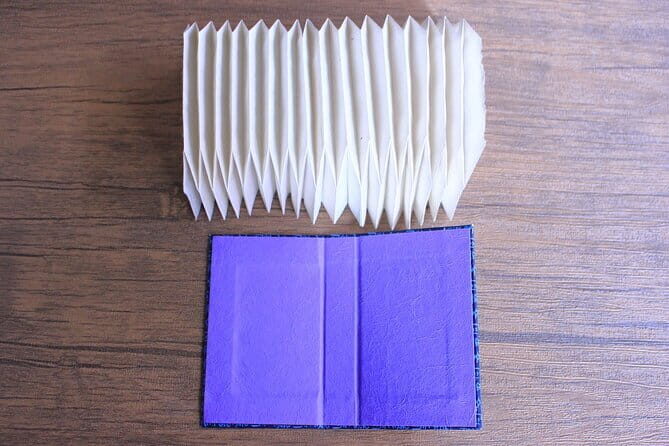
This is best for adults and older teens who enjoy craft work and want something more meaningful than a postcard souvenir. If you like projects where technique matters—folding, gluing, careful alignment, tidy knotting—you’ll likely have a satisfying time.
It also fits well if you’re curious about Japanese gift culture. Learning mizuhiki knot meanings turns the craft into a mini lesson you can use later when you buy gifts or wrap something thoughtfully.
Who might want to skip:
- Families with kids under 10. The workshop itself notes that detailed skills aren’t suitable for young children.
- Anyone who hates glue-based crafts or needs super fast, no-wait activities. This works by precision, not speed.
One more practical note: wear clothes you’re okay getting slightly glue-adjacent. You won’t be painting, but crafts can get messy.
A final call: Should you book the Ueno origami lamp and mizuhiki workshop?
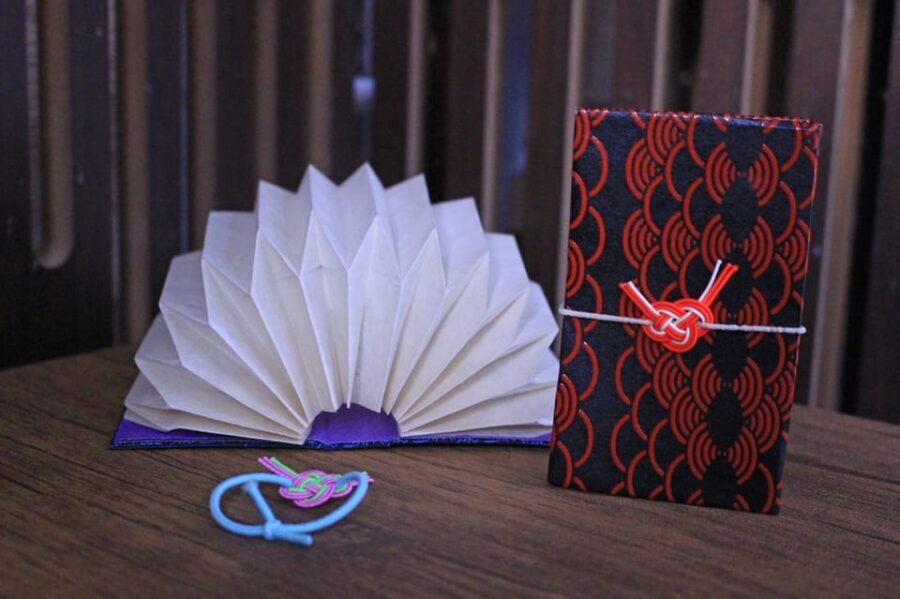
If you want a hands-on Ueno experience that gives you two take-home crafts and a washi-focused tea-and-sweets finish, I’d say this is a strong booking choice. The biggest reason to do it is the pairing of technique and meaning—your lamp is a functional object, and your mizuhiki knot carries message.
Book it if you enjoy crafts, want guided instruction, and like the idea of making something you can actually use or wear later (lamp on a shelf, knot ornament on a belt). Skip it if you’re traveling with young children, or if you’re looking for something more casual with zero fine-motor effort.
FAQ
How long is the workshop?
The duration is 150 minutes.
What is the price?
The price is $106 per person.
Where is this workshop offered?
It takes place in Ueno, on Honshu, Japan.
What do I make during the session?
You make a traditional Japanese origami lamp and a mizuhiki knot ornament for a belt.
Is washi paper and mizuhiki cord included?
Yes. All materials for the origami lamp and the mizuhiki knot ornament are included, along with a guide document on washi paper basics.
Are meals included?
Yes. The workshop includes Japanese sweets and Japanese paper tea.
What languages is the instructor using?
The instructor speaks Japanese and English.
Is it suitable for young children?
No. It is not suitable for children under 10 due to the detailed skills required.
Can I cancel or change plans?
Free cancellation is available up to 24 hours in advance for a full refund. You can also reserve now and pay later.