REVIEW · TOKYO
Mount Fuji 1-Day Trip: the Hottest Photography Tour
Book on GetYourGuide →Operated by REOTRIP TECHNOLOGY LIMITED · Bookable on GetYourGuide
Mount Fuji in one day is doable, and this tour keeps it sane. You’ll get a full photo route built around the best-known angles, from Arakurayama Sengen Park to Lake Kawaguchi, without the stress of rail transfers, navigation, or language logistics.
I really like the way the day is structured for photographers: Chureito Pagoda plus the later spring and flower stops means you’re not stuck with one view. One consideration: it’s a tight schedule for a long day (about 10 hours total), so you’ll want comfortable shoes and patience with crowds.
In This Review
- Key Highlights Worth Marking on Your Map
- The Case for a Guided Mount Fuji Photo Day (Without the DIY Headaches)
- Starting in Tokyo: Meeting Points and What You’ll Be Told the Day Before
- Arakurayama Sengen Park and Chureito Pagoda: The Classic Frame, Built for Photos
- Chasing Different Fuji Compositions: Stairway to Heaven and Hikawa Clock Shop
- Oshino Hakkai: Eight Springs, Reflection Potential, and a Calmer Rhythm
- Lake Kawaguchi and the Lawson Photo Stop: Why It’s More Than a Break
- Oishi Park and Seasonal Color: Lavender, Ko chia, and Autumn Maple Corridor Dates
- Photography Tips That Match This Exact Route
- Price and Value: Is $83 Actually Fair for a 10-Hour Fuji Day?
- Who This Tour Fits Best (and Who Might Want Another Option)
- Should You Book This Mount Fuji 1-Day Photography Tour?
- FAQ
- How long is the Mount Fuji 1-day photography tour?
- Where do I meet the group in Tokyo?
- What languages is the live guide speaking?
- What is included in the tour price?
- Are food and drinks included?
- Are attraction admissions included?
- What should I bring for the day?
- Is there a place to store luggage, and what are the rules?
- Can I cancel for a full refund?
- When is the Maple Corridor and when is lavender available?
Key Highlights Worth Marking on Your Map
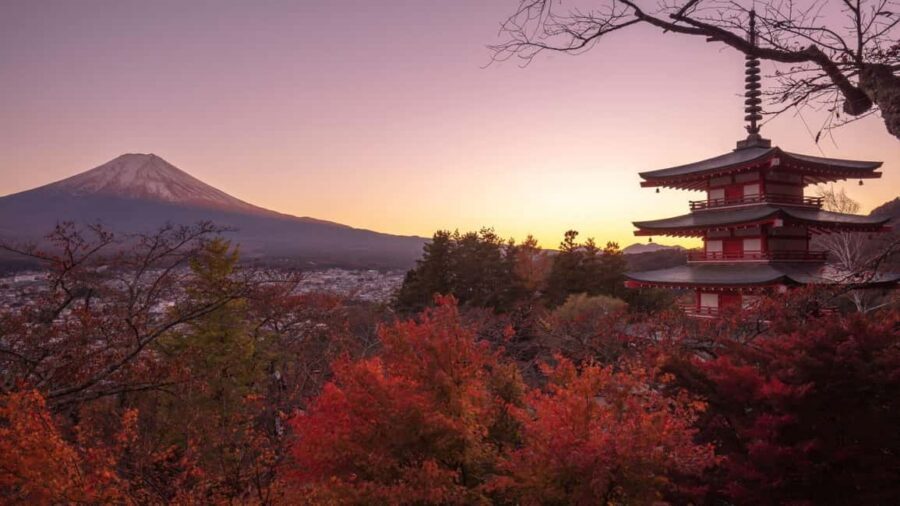
- Arakurayama Sengen Park’s 397 steps leading to the Chureito Pagoda photo setup
- Chureito plus the Stairway to Heaven stops give you different Fuji compositions in one morning
- Oshino Hakkai’s eight springs offer reflection-style shots and a calmer pace
- Lake Kawaguchi timing includes a photo stop at the Lawson near Kawaguchiko Station
- Seasonal “color points” at Oishi Park: lavender, begonias/cosmos, kochia, or autumn maple corridor
- An English/Japanese live guide helps you move fast and ask questions on the spot
The Case for a Guided Mount Fuji Photo Day (Without the DIY Headaches)
If you’ve tried planning a Fuji day from Tokyo, you already know the two big challenges: timing and getting from place to place smoothly. This type of guided day trip matters because Mount Fuji viewpoints are spread out. With a bus route, you spend less mental energy figuring out how to connect and more time showing up at each spot ready to shoot.
I also like that the tour aims at variety, not just one iconic moment. You start with the classic postcard framing at Arakurayama Sengen Park, then you pivot to reflection and water scenes at Oshino Hakkai, and later you switch to the flower-and-season approach around Lake Kawaguchi.
The practical bonus: you’ll have a live guide who can help explain where to stand and when to adjust your angle as crowds shift. In one set of feedback, the guide named Louis was described as friendly and approachable, and that kind of on-the-ground help can make a big difference when you have limited time.
You can also read our reviews of more photography tours in Tokyo


Starting in Tokyo: Meeting Points and What You’ll Be Told the Day Before
The day starts with a clear Tokyo meeting option. You’ll either meet at JR Tokyo Station Marunouchi South Exit or at Tokyo Mode Gakuen. Your exact pickup spot can vary by the booking option, so you’ll want to confirm it when your email arrives.
A useful detail: you’ll receive an email the day before your trip with the pickup location, your guide’s contact information, and the bus license plate number. That reduces the usual “Where is the bus?” stress, especially when you’re juggling a morning schedule.
Expect a road trip that’s long but not random. You’ll have about 2.5 hours by bus to reach the Fuji area, and then a similar return drive later. During that window, your best move is to set up your camera plans mentally: decide what lens you’ll use for pagoda-style compositions, what settings you’ll try for reflections, and how you’ll handle changing weather light.
Arakurayama Sengen Park and Chureito Pagoda: The Classic Frame, Built for Photos
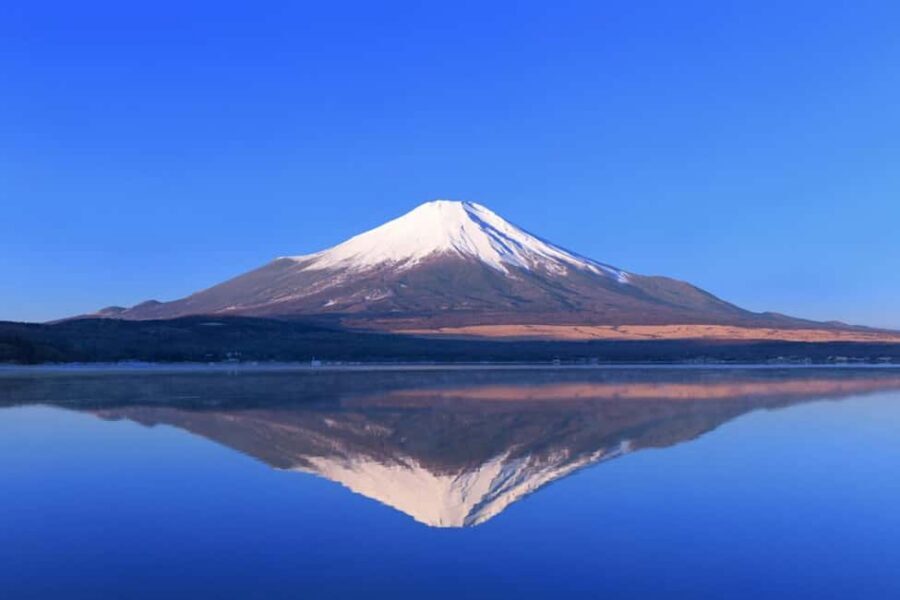
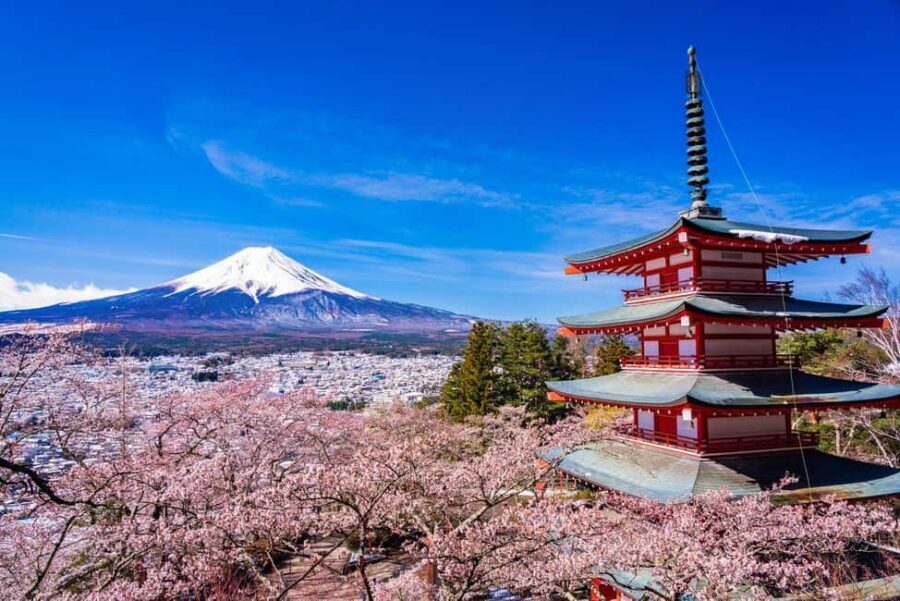
This is the big opener. You’ll head to Arakurayama Sengen Park and spend about an hour there, with the key moment being the climb of 397 steps to reach the famous Chureito Pagoda viewpoint.
Why this stop is such strong value: Chureito Pagoda is one of those Fuji scenes that’s instantly recognizable, and the composition options are excellent. You’re not just chasing a single photo. You can vary height, foreground elements, and the angle of the pagoda relative to Mount Fuji, depending on where you position yourself along the viewing areas.
What I like about this approach is that it’s structured. Instead of wandering until the lighting turns bad, you know the day is designed around the shot that many travelers come for. The route also keeps your momentum: after that first photography push, the tour continues forward instead of turning into a long waiting game.
One drawback to plan for: this is a popular viewpoint, and you’ll feel that through crowds. If you want less shoulder-to-shoulder time, wear comfortable shoes, and keep your camera workflow simple so you can move quickly when the best angle opens up.
Chasing Different Fuji Compositions: Stairway to Heaven and Hikawa Clock Shop
After the Chureito Pagoda area, the tour shifts gears toward more “signature” spots that help you get multiple looks at Mount Fuji in one day.
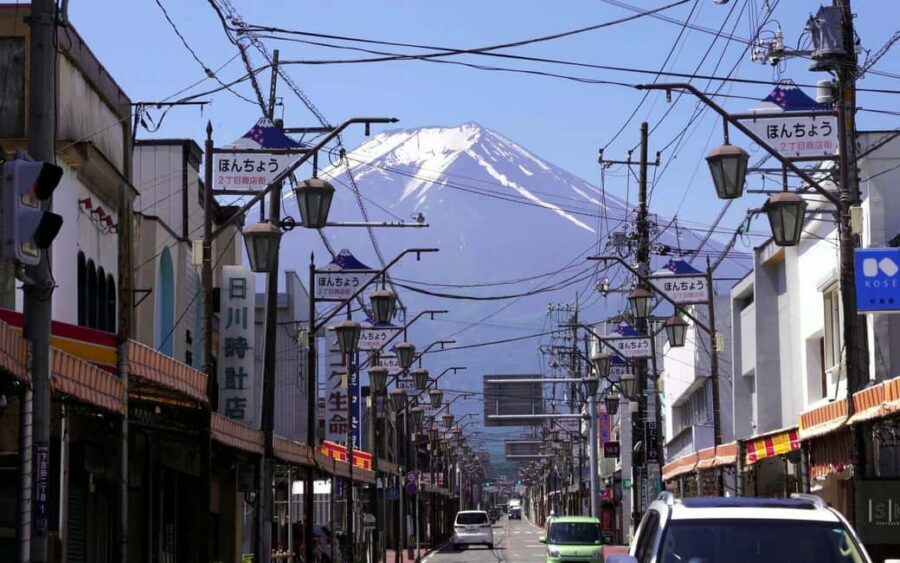
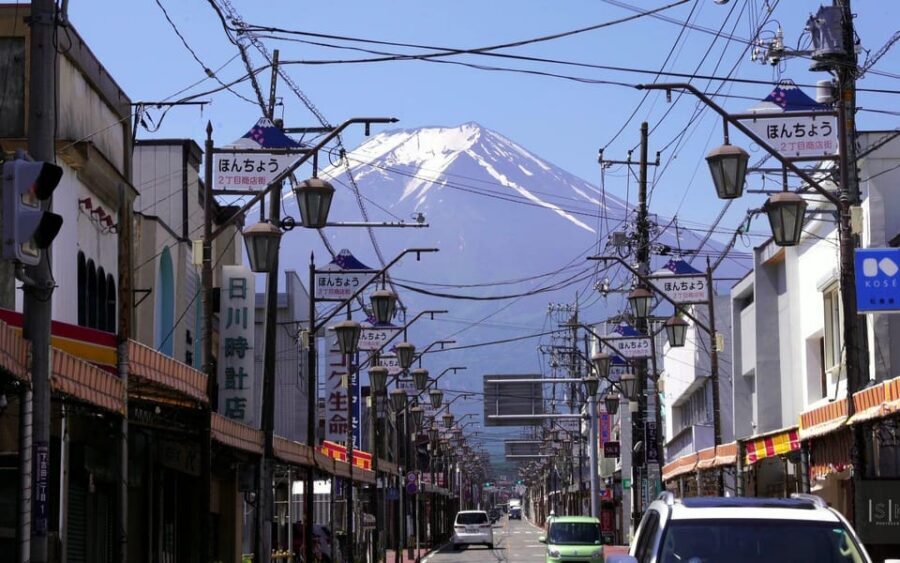
You’ll visit the Stairway to Heaven on Mount Fuji (another name you’ll see everywhere online), which gives you a different feel from the pagoda scene—more of a vertical, viewpoint-path composition. Then you’ll move to the Hikawa Clock Shop, a very Instagram-friendly landmark that’s handy when you want a wider variety of subjects beyond the mountain itself.
These middle stops matter because they reduce the risk of a frustrating day. Even if the weather or cloud cover changes the clarity of Fuji, you’ll still have foreground elements, buildings, and perspective lines to work with. In other words, your photos won’t live or die by one single clear-mountain moment.
Practical tip: treat these as “angle resets.” Don’t wait for perfect conditions at every stop. Instead, get your shot list done quickly, then be ready to adapt as the light shifts.
Oshino Hakkai: Eight Springs, Reflection Potential, and a Calmer Rhythm
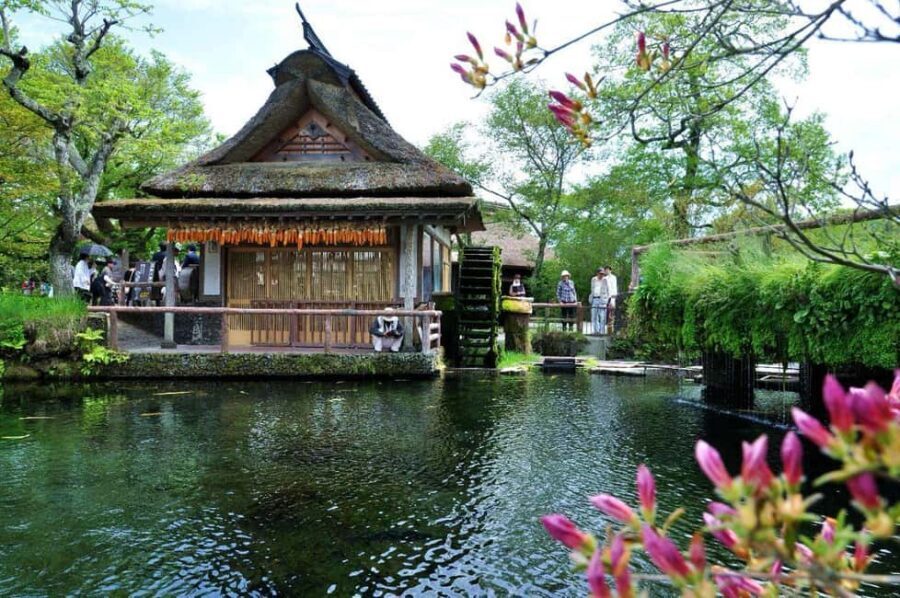
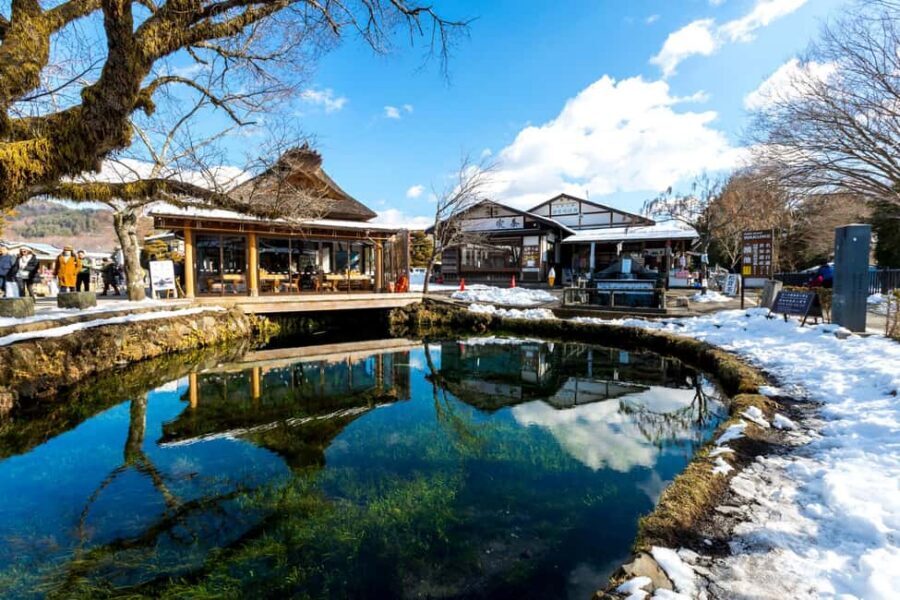
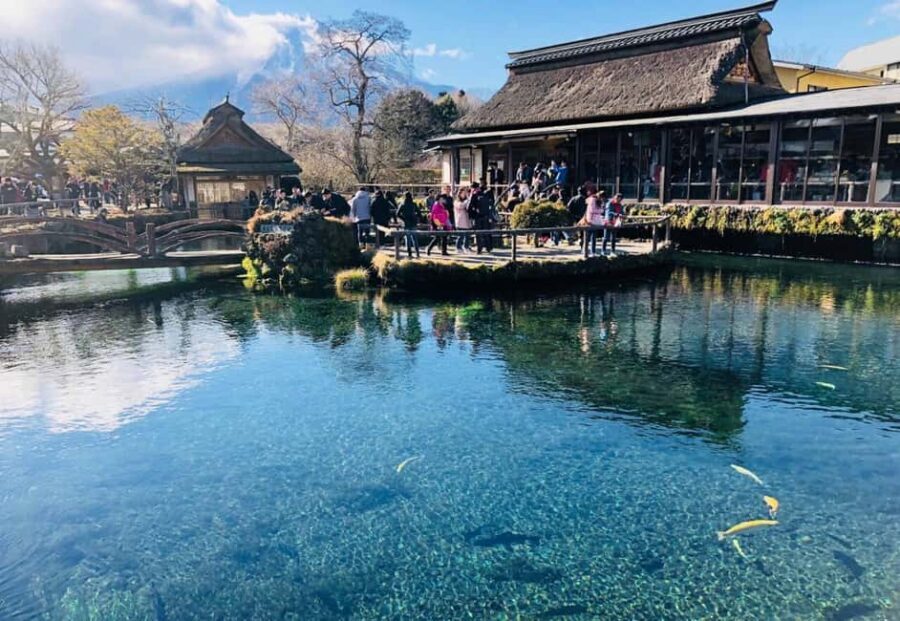
Then comes one of the most rewarding changes of pace: Oshino Hakkai. You’ll spend around 1.5 hours here, and the focus is the water and the Fuji backdrop.
Oshino Hakkai is made famous by eight pristine springs that are designated a national natural monument. From a photographer’s perspective, springs are great because they add texture and reflection opportunities. Even when Mount Fuji isn’t perfectly sharp, water surfaces and surrounding scenery still give you depth and layers.
The tour also builds in a “scenic views on the way” element, which is helpful because the route between spots isn’t wasted time. Instead of a dead transfer, you’ll have chances to glance, frame, and adjust your expectations.
Consideration: water and reflections can be affected by crowd movement and surface conditions. If you want clean reflection shots, position matters, and you’ll likely need a little flexibility about where you stand.
A few more Tokyo tours and experiences worth a look





Lake Kawaguchi and the Lawson Photo Stop: Why It’s More Than a Break
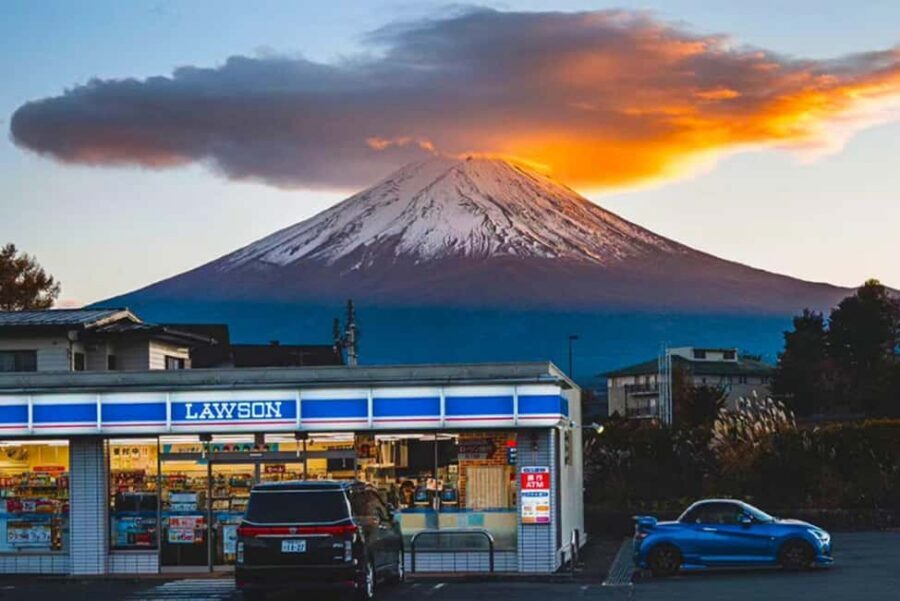
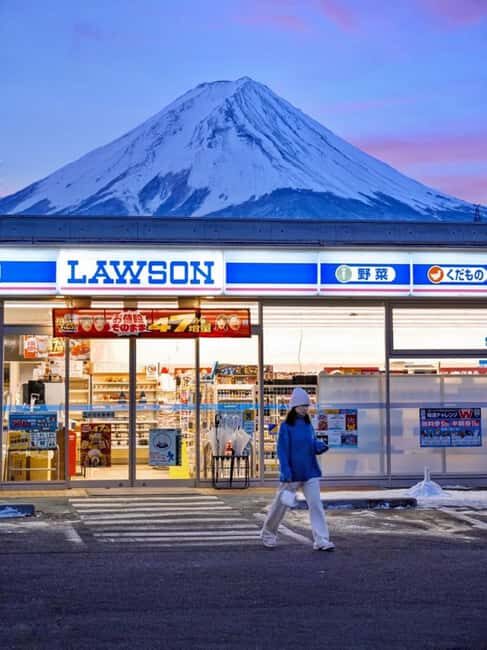
You’ll arrive at LAWSON Kawaguchiko Station for a break and photo stop. This part of the day is not just a restroom-and-snack moment. It’s placed where Fuji photos often benefit from a familiar, urban-meets-mountain context.
The tour includes a nice touch here: you get a complimentary choice of ice cream, tea, or coffee. Since food and drinks are otherwise not included, this small inclusion helps your budget feel more balanced while you’re out in the countryside.
Why this stop makes sense: Lake Kawaguchi is the gateway area where you’ll be thinking about broad scenes and seasonal color. A break also helps you reset your shooting plan before the flower parks.
If you’re sensitive to heat or long walks, treat this as your checkpoint. Hydrate, refuel, and then move on with a calmer pace toward Oishi Park.
Oishi Park and Seasonal Color: Lavender, Ko chia, and Autumn Maple Corridor Dates
Your final major scenic stop is Oishi Park, with about one hour there. This is where the day switches from “iconic Fuji structure” to “seasonal Fuji with foreground color.”
Here’s the seasonal cheat sheet you’ll want to match with your dates:
- Lavender: enjoy in June and July
- Begonias and cosmos: typically July to September
- Kochia: available in October
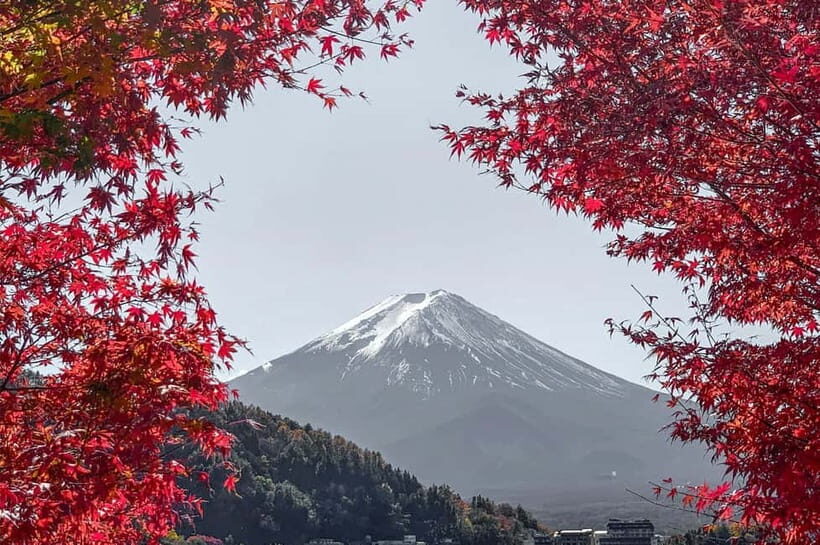
- Maple Corridor: only from October 20th to November 23rd (seasonal)
This seasonal timing is the key reason the tour can feel worth it even if your Fuji visibility varies. Flowers and autumn color can make your photos look full and intentional, even if Mount Fuji is partly obscured. You’re building compositions with foreground personality, not only relying on the mountain to deliver a clear view.
One more smart note: you may choose between different seasonal experiences depending on when you go. The tour makes room for that by offering the “Oishi Park blooming lavender” idea in summer and the autumn maple option when the Maple Corridor is available.
Photography Tips That Match This Exact Route
This day trip is designed for cameras, so you’ll get the most out of it by using a simple plan at each stop.
At Arakurayama Sengen Park / Chureito Pagoda, think in layers. Use the pagoda as your anchor, and look for foreground elements you can include while keeping Fuji visible. When crowds shift, be ready to move rather than sticking in one spot for too long.
For Stairway to Heaven, keep your perspective mindset. This stop is about creating a sense of ascent and direction, so don’t just point at Fuji. Aim to include the path lines and the climb feeling in your frame.
At Oshino Hakkai, treat water like your main subject. Try compositions that emphasize the springs and their relationship to Fuji. If reflections aren’t cooperating, focus on texture and spacing in the scene.
At Oishi Park, work the season. If you’re shooting lavender or kochia, treat the flowers as foreground leading lines. If you’re in the Maple Corridor window, use autumn color to create a strong separation between your subject and the mountain background.
And throughout the day, keep expectations flexible. The day runs from Tokyo to the Fuji area and back, so you’ll feel a bit of time pressure. Your best results will come from moving efficiently, checking your angle quickly, and re-framing without getting stuck.
Price and Value: Is $83 Actually Fair for a 10-Hour Fuji Day?
At $83 per person for a 10-hour tour, the biggest question is what you’re paying for besides sightseeing. Here, you’re mostly paying for reduced friction: round-trip transfers from Tokyo, a guide, and the bus operations costs that make the route possible.
The included items are the practical ones that add up fast in DIY planning: tour guide, round-trip transfers, and coverage for toll fees, parking fees, and fuel fees. You also avoid the language and navigation overhead that can chew up time when you’re trying to hit multiple famous stops in one day.
What’s not included is also important to understand. Food and drinks are not included (except for the complimentary ice cream/tea/coffee at the Lawson stop), and attraction admissions are not included. That means you should budget a bit for snacks and any paid entries you might encounter.
In my view, this price is most fair if you want:
- a ready-made photo route
- someone else handling transport
- fewer hours spent trying to figure out how to connect viewpoints
If you’re the kind of traveler who enjoys slow travel and independent wandering for hours, you might find this format too scheduled. But if you want a high-output one-day Fuji plan with less stress, this price level feels reasonable for what’s included.
Who This Tour Fits Best (and Who Might Want Another Option)
This works especially well if you’re visiting Japan for a short window and want Fuji viewpoints without losing a full day to planning. It’s also a good choice if photography is your priority and you prefer guidance for where to stand and how to move to the next shot.
You’ll also like it if you feel uneasy about navigating public transport in a crowded, time-sensitive area. The bus route and set stops help you stay on track.
On the other hand, it may feel demanding if you hate crowds, dislike walking long routes like the 397-step climb, or need lots of downtime between locations. This is a full day with multiple photo stops, not a relaxed “one place, linger, then leave” itinerary.
Should You Book This Mount Fuji 1-Day Photography Tour?
I’d book it if you want a structured Fuji day that mixes iconic compositions with seasonal color at Lake Kawaguchi, while keeping the transportation and language stress handled for you. The best reason to choose it is the way the route feeds a photographer’s checklist: Chureito Pagoda, reflections at Oshino Hakkai, and the flower-season payoff at Oishi Park.
Skip it if you’d rather travel slower, avoid busy viewpoints, or if you’d rather build your own private pacing and shot list without a fixed time structure. If that’s you, DIY might feel more satisfying.
If you’re deciding, here’s my simple rule: if your top goal is “see and photograph Mount Fuji with minimal hassle,” this tour makes sense. If your top goal is “take my time and go where the day feels right,” you may prefer a different approach.
FAQ
How long is the Mount Fuji 1-day photography tour?
It lasts about 10 hours total. You can check availability for starting times.
Where do I meet the group in Tokyo?
You’ll meet either at JR Tokyo Station Marunouchi South Exit or at Tokyo Mode Gakuen. The exact meeting point can vary by the option you book.
What languages is the live guide speaking?
The live tour guide is available in English and Japanese.
What is included in the tour price?
The tour includes a tour guide, round-trip transfers from the meeting point, toll fees, parking fees, and fuel fees.
Are food and drinks included?
Food and drinks are not included. There is a complimentary choice of ice cream, tea, or coffee at the Lawson stop.
Are attraction admissions included?
No. Attraction admissions are not included.
What should I bring for the day?
Bring comfortable shoes and comfortable clothes, since you’ll be walking and moving between viewpoints.
Is there a place to store luggage, and what are the rules?
Each person can bring one piece of luggage for free. Additional luggage larger than 20 inches costs 17 USD.
Can I cancel for a full refund?
Yes. You can cancel up to 4 days in advance for a full refund.
When is the Maple Corridor and when is lavender available?
The Maple Corridor is seasonal and runs from October 20th to November 23rd. Lavender is available in June and July. Begonias and cosmos are typically July to September, and kochia is available in October.