REVIEW · KYOTO
Kyoto: Foodie Night Tour in Gion with 9 dishes + 6 Sake
Book on GetYourGuide →Operated by MagicalTrip · Bookable on GetYourGuide
Kyoto at night feels different, and this tour leans into that. You’ll follow a local guide through Gion and the Ponto-cho lanes, with a proper shared-course dinner built around Kyoto flavors. I like the way the night is structured around real neighborhood rhythms, not just random stops, and I also like the focus on traditional bites paired with sake. One thing to think about: at this price point, you’ll want to manage expectations, because like any multi-stop food evening, quality and portions can vary by course.
The best part is the human scale. You’re at a table with your guide and your group, so you actually learn what you’re eating and how locals treat the night as something to linger over. The possible downside is that the pace is walk-and-sit, which can feel a bit intense if you’re looking for a lighter stroll or more time to explore on your own.
Because this is in Japan, you’ll want to be ready for the practical stuff too. Bring cash for extras, remember alcohol is only for guests over 20, and note the tour isn’t designed for wheelchairs or strollers. If you line everything up, this can be a fun, efficient way to eat your way through Kyoto’s most atmospheric evening streets.
In This Review
- Key things to know before you go
- Gion by night: what this walk really delivers
- Finding the group fast: Izumo-no-Okuni to first meal
- First course in Gion: Kyoto flavors you might miss on your own
- The shared table + the guide: why conversation is part of the meal
- Ponto-cho nights: second dinner stop and more Kyoto-toybox flavors
- Sake tasting with explanation: six tastes and Kiki sake
- Dessert finish in the Ponto-cho / Gion border vibe
- Price and value: what $361 buys you (and when it won’t)
- Who this tour suits best (and who should skip it)
- Practical tips: cash, alcohol rules, and making the night smoother
- Should you book this Kyoto Gion and Ponto-cho foodie night tour?
- FAQ
- Where is the meeting point for the tour?
- How long is the tour?
- What’s included in the dinner?
- How many sake tastings do you get?
- Are drinks included, and can I choose non-alcohol options?
- Is the guide available in English?
- Can you accommodate dietary requests or allergies?
- Do I need to bring cash?
- Is the tour suitable for people with mobility issues?
- Can everyone drink alcohol on the tour?
Key things to know before you go
- Meeting at Gion Shijo Station: meet in front of the Izumo-no-Okuni statue (exit 5).
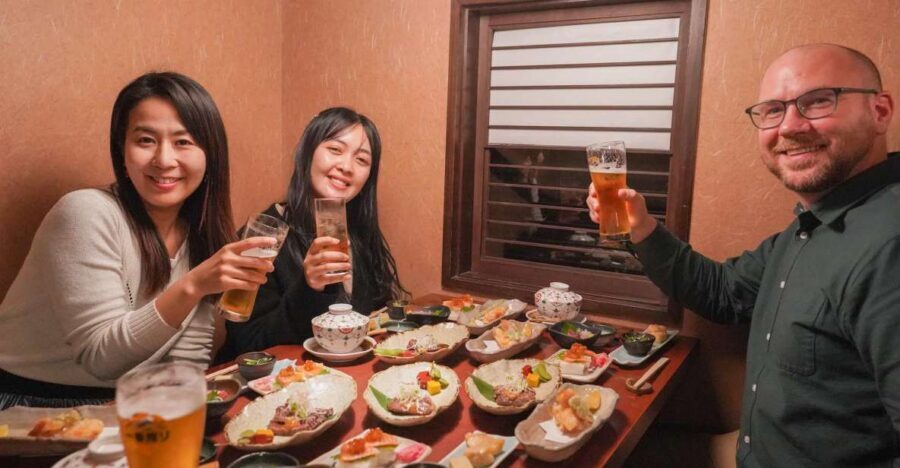
- 9 Kyoto dishes plus dessert: you get a full course meal, not just a few tastings.
- 6 sake tastings with Kiki sake: you taste Kyoto sake varieties with guided explanation.
- Traditional lanes after dark: Gion streets and the Ponto-cho atmosphere are part of the experience.
- Cash-friendly itinerary: most bars may not take credit cards for add-ons.
- Diet and allergy limits: dietary requests must be made in advance; allergy-free can’t be guaranteed.
Gion by night: what this walk really delivers
Gion isn’t just a backdrop. At night, the streets slow down, lights soften, and you start noticing details that vanish in daylight—wooden facades, narrow crossings, and the way people step aside to let others pass. This tour is built around that feeling, so you’re not sprinting from one famous photo spot to another.
You also get a rhythm to the evening. Instead of “walk, eat, repeat,” you’re guided toward meal moments that fit the neighborhood: traditional restaurants, then moving through the Ponto-cho area where Kyoto night energy keeps building. I like that the experience is anchored in how locals do it, not only in what’s popular.
That said, you should know what you’re buying. This is a food-and-sake night, not a deep cultural lecture hall. If you want hours of history before your first bite, you may wish you had more time for that on your own.
You can also read our reviews of more food & drink experiences in Kyoto
Finding the group fast: Izumo-no-Okuni to first meal
Your day starts at the Izumo-no-Okuni statue in Gion Shijo Station, right outside exit 5. This is a good meeting point because it places you where you can immediately orient yourself for the Gion lanes. You’ll meet a certified English-speaking guide, then set off on foot with the group.
From there, the walk matters. You’re not just moving between restaurants; you’re learning where Gion’s older streets sit relative to the main station area and how people drift through the evening. The guide may even point out the chance you could spot a geisha passing by—nothing promised, but it’s part of why this area feels magical after dark.
One practical thing: this tour isn’t recommended for mobility issues. Some stops and paths include areas that aren’t wheelchair or stroller friendly, so if walking distance or uneven surfaces are an issue for you, it’s worth thinking twice.
First course in Gion: Kyoto flavors you might miss on your own
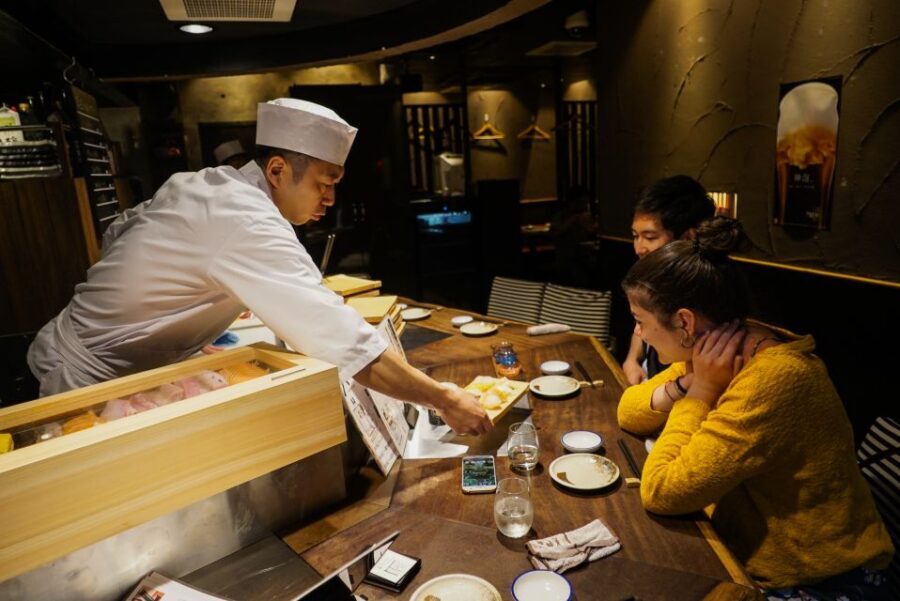
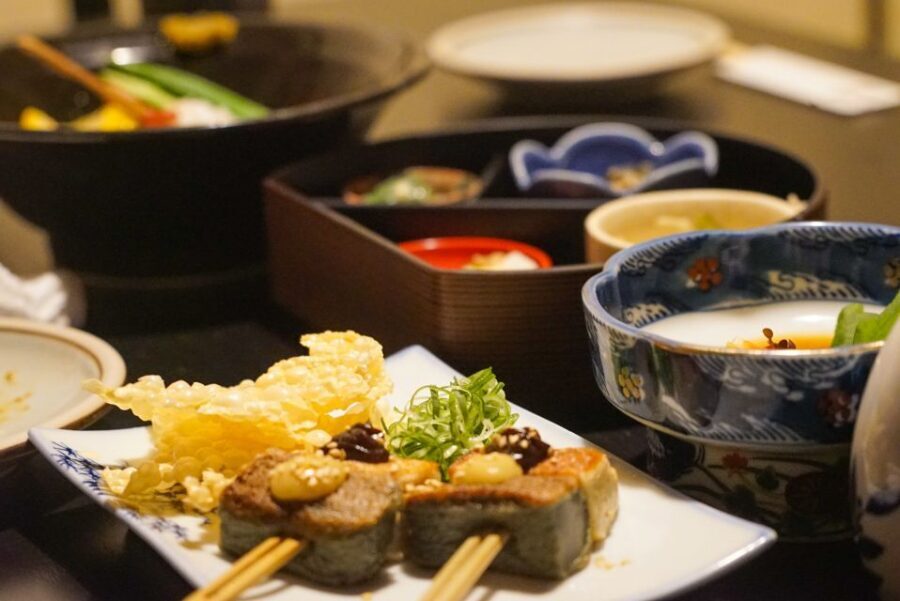
The first big meal stop is where this tour earns its keep. You’ll visit a traditional restaurant in Gion that many people would never find without local directions. The focus is on Kyoto comfort food—simple, seasoned dishes meant to feel at home in the bowl or on the plate.
You may see Kyoto staples like obanzai (Kyoto-style home cooking), oden (Japanese stew), or yuba (tofu skin). These dishes aren’t loud or flashy; that’s the point. They show how Kyoto treats ingredients: lightly but carefully seasoned, often in ways that make you notice the broth, the texture, and how the food pairs with sake.
The traditional atmosphere also matters. You’re eating in a setting that feels like the city’s past rather than a tourist-ready restaurant. If you’re hoping for a more modern, Western-style meal with familiar predictability, this may feel more old-school than you expected.
The shared table + the guide: why conversation is part of the meal
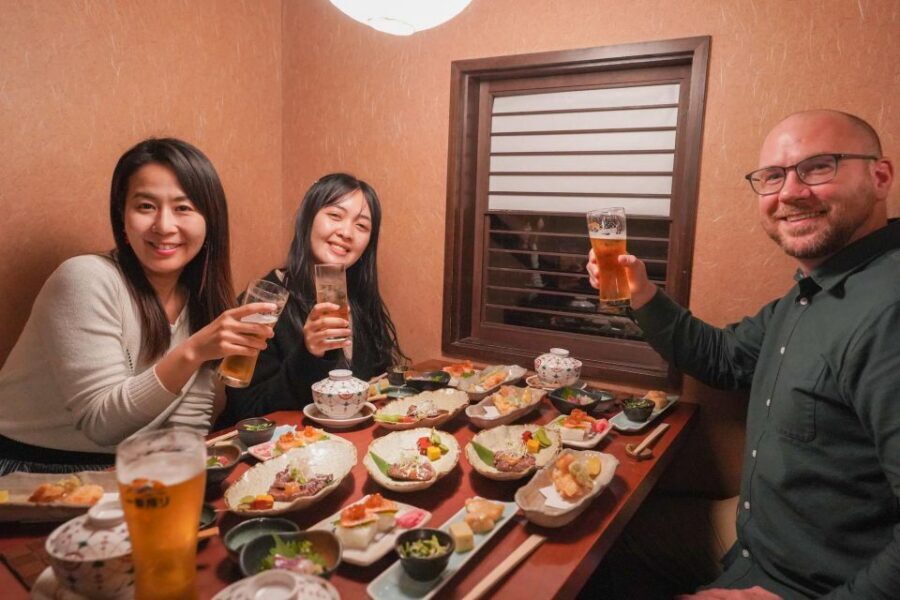
Food tours can get transactional. This one tries not to. You share a table with your local guide, and that’s where you’ll get the meaning behind what’s on your tray—why sake is served the way it is, what makes a dish Kyoto-style, and how people in the area treat a night out.
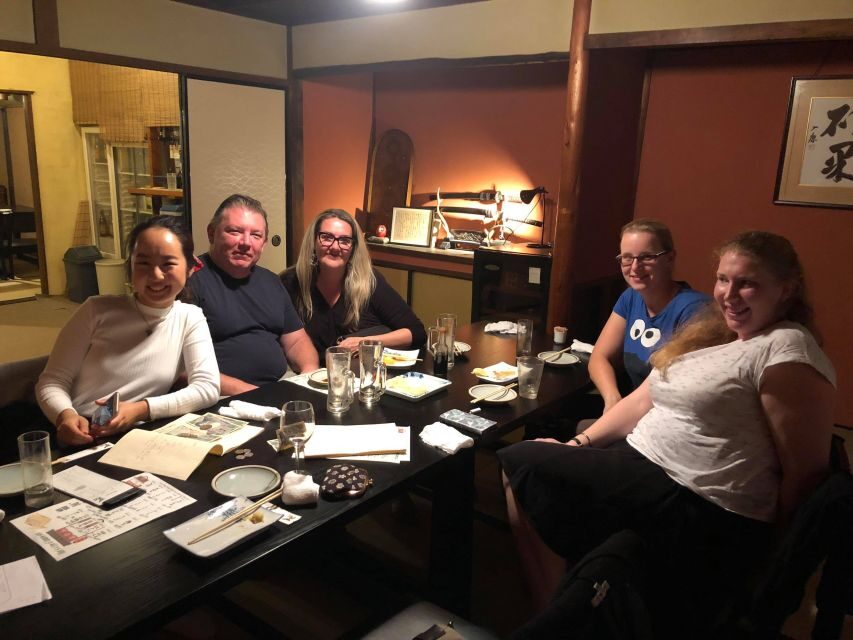
One review mentioned an excellent guide named Rika who encouraged real conversation between people at the table. That’s the kind of energy you want to look for because it turns the meal into a two-way exchange, not just a checklist of dishes.
Still, you may want to calibrate your expectations. If you want a lot more commentary on Gion and Ponto-cho itself, you should pick tours like this with your eyes open: you’ll get explanation tied to food and sake, not an all-night guided lecture.
Ponto-cho nights: second dinner stop and more Kyoto-toybox flavors
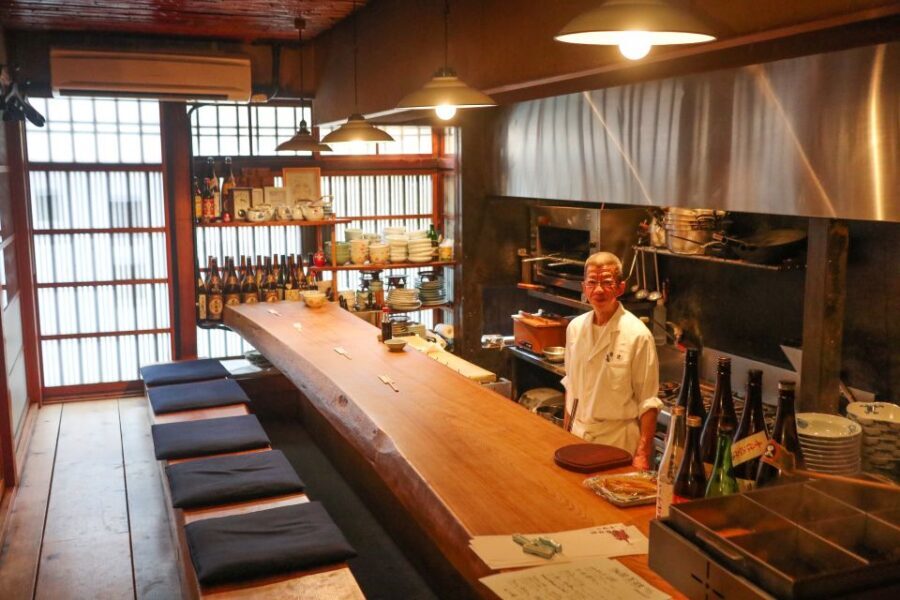
After the first sit-down, you’ll walk through the Ponto-cho area. The idea is to change the scenery while the evening builds. Ponto-cho is where Kyoto’s night mood gets very real: narrow lanes, dim light, and a sense that the city is working on its own schedule.
At the second dinner stop, you’re still in the “Kyoto classics” lane. Expect more traditional plates as part of the total count of 9 dishes (plus dessert at the end). This is also where the sake component becomes more central—tasting guided, in the context of what you’re eating.
One thing I’d watch for: food quality can vary stop to stop. Some people find the first meal exceptional and the next stop less satisfying. That doesn’t mean the concept is bad; it means you should be prepared that not every course hits the same level, especially in a multi-stop format where each place operates under its own kitchen style.
A few more Kyoto tours and experiences worth a look

Sake tasting with explanation: six tastes and Kiki sake
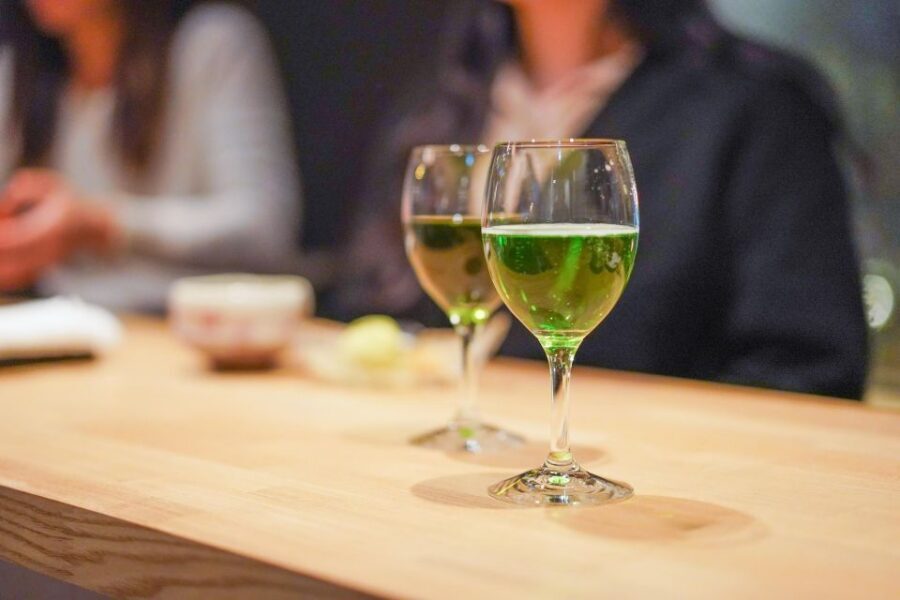
The headline here is the sake lineup. You get 6 kinds of sake tastings, plus 2 drinks that can include alcohol (non-alcohol options are available too). A key detail is that your course includes Kiki sake, which offers 3 different varieties made in Kyoto.
That matters because it gives you a chance to compare. Instead of tasting one generic sake profile, you’ll notice how Kyoto varieties can shift in aroma and flavor from one type to the next. With the guide’s explanation, you’re more likely to understand what you’re experiencing, even if you’re not a sake nerd.
One legal detail you’ll want to remember: only guests over 20 can drink alcohol in this tour. If you’re under that age, you can still take part with non-alcohol options, but don’t plan around sake as a universal experience for everyone in your group.
Dessert finish in the Ponto-cho / Gion border vibe
After several savory bites, you’ll end with dessert. The plan is to round out the evening at a cafe around Ponto-cho in a traditional building. This final stop is about contrast—sweet, slower, and a good place to reset your stomach and your camera battery.
Because you’re near the end of a full dinner course, dessert tends to land better when you’ve been eating Kyoto-style dishes that aren’t overly heavy. The goal is a satisfying wrap-up without pushing you into a food coma before the walk back.
You’ll also feel the benefit of ending where night life is still present. You can observe the area after dessert rather than immediately rushing out of the neighborhood. It’s a small thing, but it helps the whole night feel like an evening, not just a timed sequence.
Price and value: what $361 buys you (and when it won’t)
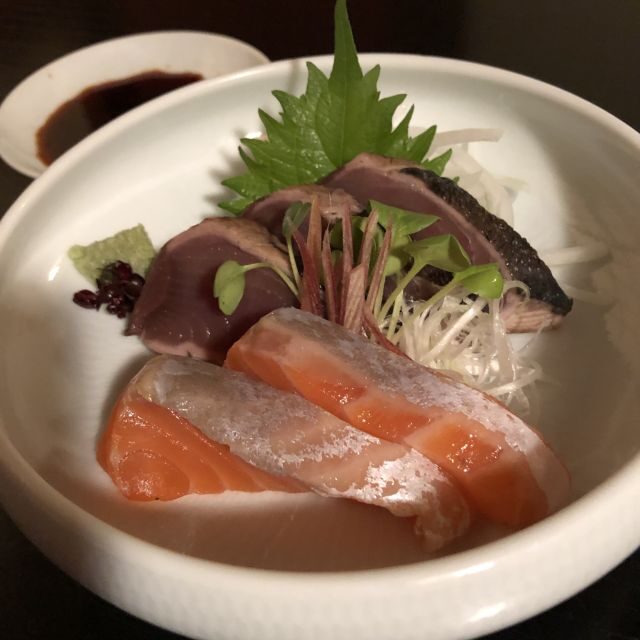
At $361 per person for about 210 minutes, you’re paying for a package: an English-speaking guide, a structured route through Gion and Ponto-cho, a dinner course with 9 dishes plus dessert, 6 sake tastings, and tour photos. You’re also paying for the benefit of not having to find these places alone.
So when does it feel like value? If you want help choosing Kyoto-style foods, you don’t want to stress about reservations, and you like the idea of tasting multiple sake types without hunting down each one. If you like walking at night with someone who can explain what you’re eating, the price starts to make more sense.
When might it disappoint? If you mainly want big-ticket meat (and expect perfection from every course), or if you’re the type who can easily book your own restaurants and prefer total control. One critique you might relate to is that some people felt the second stop wasn’t as good as the first, and at this price they’d rather have gone straight to restaurants they picked.
My practical take: treat this as a guided tasting experience first, and as a guaranteed “perfect food all night” second. If your main goal is maximum control over restaurant quality, you may prefer building your own evening.
Who this tour suits best (and who should skip it)
This tour fits you well if you:
- want Kyoto-style eating with obanzai, oden, and yuba-type flavors
- enjoy sake and want guided tastings with Kyoto context
- like guided nights where conversation and local insight are part of the meal
- would rather pay for direction than spend your evening hunting for the right place
It’s a weaker match if you:
- need excellent food consistency at every stop with no ups and downs
- are sensitive to walking time and uneven paths
- are expecting a strict “foodie only” tasting mission without much neighborhood context
- want allergy guarantees (those aren’t promised, and substitution may not be possible everywhere)
If you’re traveling in winter, you’ll still appreciate the night atmosphere; in summer, the heat can make the walk portion tough. The tour recommends bringing water and a hat because Japanese summer humidity is no joke.
Practical tips: cash, alcohol rules, and making the night smoother
Plan to use cash. The tour asks you to bring cash for food and drinks and any extras, because many bars don’t accept credit cards. Even if what’s included covers the core meal, you might want additional pours or side dishes when the mood hits.
If your group includes anyone close to the drinking age, keep the rule in mind: alcohol is only for guests over 20. Non-alcohol options are available, but you’ll want everyone to be clear about what’s included for them so no one is stuck waiting.
Weather affects your comfort more than you think. On humid summer nights, start with water, wear breathable layers, and consider a light hat. You’ll spend a good portion of your evening walking between spots, so feeling cool helps you enjoy the food instead of just surviving the streets.
Finally, dietary requests need planning. If you have dietary requirements, request them in advance (by the day before). Allergy-free preparation can’t be guaranteed because the kitchens used aren’t under one controlled system, and substitutions may not be possible at every stop.
Should you book this Kyoto Gion and Ponto-cho foodie night tour?
Book it if you want an organized, local-guide-led night that trades some control for convenience and guided eating. I’d especially recommend it if sake is part of your travel style, or if you’re new to Kyoto food and want to try Kyoto classics in traditional settings without doing the detective work yourself.
Skip it or consider a different approach if you’re extremely price-sensitive, expect uniform excellence at every stop, or want a route that’s designed for mobility needs. Also, if you mostly want to pick your own restaurants and judge them on your own standards, you might feel better building your own evening.
If you do book, go in with the right mindset: this is a shared-course night with guided explanation, built for wandering Gion streets and letting the food-and-sake pace carry you.
FAQ
Where is the meeting point for the tour?
Meet your guide in front of the Izumo-no-Okuni statue at Gion Shijo Station, right outside exit 5.
How long is the tour?
The tour duration is 210 minutes.
What’s included in the dinner?
It includes a dinner course with 9 dishes plus dessert.
How many sake tastings do you get?
You get 6 kinds of sake tastings, and the course includes Kiki sake with 3 different kinds produced in Kyoto.
Are drinks included, and can I choose non-alcohol options?
Yes. The tour includes 2 drinks, and alcohol and non-alcohol options are available.
Is the guide available in English?
Yes. The tour includes a MagicalTrip certified English-speaking live guide.
Can you accommodate dietary requests or allergies?
Dietary requests must be requested in advance (by the day before). Allergy-free preparation is not guaranteed, and substitutions may not be possible at certain stops.
Do I need to bring cash?
Yes. You should bring cash for your food and drinks and any extras, since most bars do not accept credit cards.
Is the tour suitable for people with mobility issues?
No, it is not recommended for people with mobility issues, and some locations are not accessible by wheelchair or stroller.
Can everyone drink alcohol on the tour?
No. Due to Japanese laws, only guests over 20 can drink alcohol.