REVIEW · TOKYO
Mount Fuji Private Tour With English Speaking Driver
Book on Viator →Operated by takako tours · Bookable on Viator
Mount Fuji feels like it should be harder to reach, yet this day trip makes it simple. You get a private full-day route that trades Tokyo transfers for an air-conditioned car and an English-speaking guide. It’s a great way to see the Fuji Five Lakes area without turning your day into a schedule-chasing contest.
I especially like the personal pace. You can spend extra time where you care—pagoda views, shrine grounds, lakeside photo breaks—without waiting on a big group. I also like the guide quality: names like Ali Ahmed, Sarfaraz, Sarfraz, Hazma Ali, Sarky, and Manjeet come up, and the best experiences hinge on drivers who are on time, well-spoken, and willing to help you get the shot.
One consideration: Fuji weather and access control the day. The tour reaches the final car point for Mt. Fuji 5th Station, but weather can shut things down, and during hiking season you may need a shuttle bus (extra cost). If clouds roll in, you’ll still see the sites, but the mountain views might be hit-or-miss.
In This Review
- Key highlights worth planning around
- A private Mount Fuji day that actually feels like your day
- Price and logistics: when $400 per group is good value
- Timing and Fuji weather: why your morning matters
- Stop 1: Mt. Fuji 5th Station and the shuttle workaround
- Chureito Pagoda: steps, shrine vibes, and Fuji framing
- Lake Kawaguchiko for classic views and easy wandering
- Oishi Park: lavender season or just the Fuji angle
- Oshino Hakkai: eight ponds and Fuji water stories
- Fujiyoshida shrines: Kitaguchi Hongu Fuji Sengen Jinja
- Saiko Iyashi no Sato Nemba: historic houses and craft time
- Shiraito Falls: 150 meters wide and a practical lunch break
- Guides matter: what the best driver actually does
- Who this tour is for (and who might skip it)
- Should you book this Mount Fuji private tour?
- FAQ
- How long is the Mount Fuji private tour?
- What group size is this tour for?
- Is hotel pickup included?
- Can we always reach Mt. Fuji 5th Station by car?
- If we need the shuttle bus to 5th Station, what does it cost?
- Are lunch and admission fees included?
- Is the guide English speaking?
- Is free cancellation available?
- Are service animals allowed?
Key highlights worth planning around
- Hotel pickup + private car: Less stress, fewer transfers, and you arrive with daylight in hand.
- English-speaking guide support: You get context at shrines and viewpoints, not just directions.
- A long stop list with real breathing room: Around 40 minutes at many sights, plus time buffers for photos.
- Mt. Fuji 5th Station rules: Weather and seasonal access can change how you reach it.
- Classic Fuji Five Lakes mix: Lakeside spots, Oshino Hakkai ponds, shrines, a historic village, and Shiraito Falls.
- Photo help at major stops: Your guide can assist with pictures at the key view moments.
A private Mount Fuji day that actually feels like your day
Mount Fuji day trips often get reduced to one thing: cram as much as possible and hope the mountain shows up. This one works differently. Because it’s private, you can move at a human speed and let the guide keep the route efficient—like dropping you at the closest practical point and then letting you walk when you want to.
You’re also not just buying a ride. The English-speaking guide role matters on Mt. Fuji. Without context, you can walk through shrines and photo stops and still feel like you missed the point. With a good guide—like Ali Ahmed, who was described as well-mannered and knowledgeable, or Hazma Ali, who planned ahead with weather—your stops become about why these places matter, not just what they look like.
And you’re not stuck with the usual Tokyo transport puzzle. You leave the city by car with highway tolls and gas handled, then spend the day in the Fuji area with fewer logistics headaches than you’d face using buses or trains.
You can also read our reviews of more private tours in Tokyo


Price and logistics: when $400 per group is good value
The price is $400 per group (up to 6 people) for about 10 hours. That’s not “cheap,” but it can be good value depending on your group size.
Here’s the practical way to think about it:
- If you fill the group (6 people), you’re effectively paying about $67 per person for a private driver, English-speaking guide support, and a full-day route.
- If it’s just 2 people, your per-person cost rises—but you still gain time and comfort versus stitching together multiple public transport legs.
What makes it feel worth it is the structure: hotel pickup, air-conditioned private transportation, and the guide helping manage where you stop and how long you stay. For a day as far-reaching as Mt. Fuji, reducing travel friction can be as valuable as the destination itself.
One small reality check: the tour says admission fees are included, but the actual on-the-ground costs can vary by stop. You’ll see several stops listed as free, while the Mt. Fuji 5th Station portion can come with extra shuttle cost in some situations.
Timing and Fuji weather: why your morning matters
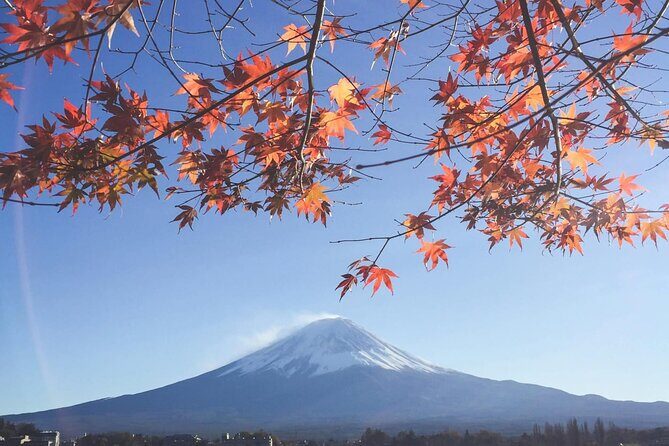
Fuji is famous for two moods: clear and dramatic—or cloudy and coy. This tour acknowledges that fact. Mt. Fuji 5th Station depends on weather conditions, and the ability to reach it by car can change.
That’s where guide quality becomes more important than you might expect. In the experiences shared, guides like Hazma Ali and Sarky were praised for handling changing weather well—texting or adjusting so the day stays productive even when skies shift. You can’t control the mountain, but you can control how prepared you are.
Your best move:
- Dress in layers. Even if Tokyo feels warm, Fuji-area air can feel colder fast.
- Bring rain gear if you have it. Shiraito Falls and shrine areas are still worth seeing, but rain can make views harder.
Stop 1: Mt. Fuji 5th Station and the shuttle workaround
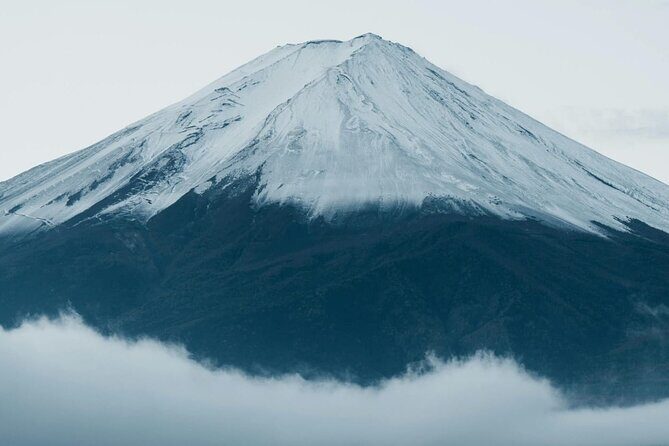
Mt. Fuji 5th Station is the big “wow” target on paper, and it’s also the part that can change. The tour is designed to reach the last point by car where possible. But weather conditions matter, and during hiking season the tour may not be able to go up to 5th Station by car.
When that happens, you’ll need a shuttle bus and the cost is listed as 2,100¥ per person. The tour also notes that the admission ticket for 5th Station isn’t included.
How to make this part of the day work for you:
- Treat 5th Station as weather-dependent. If it’s available, it’s fantastic. If it’s not, you still get the Fuji-view circuit that follows.
- If you do take the shuttle, plan for extra minutes inside your 10-hour window. The tour includes about 1 hour here, but seasonal adjustments can affect how that time feels.
If your main goal is standing higher up with the big-sky Fuji views, plan flexibility. The rest of the day is still built around viewpoints and signature Fuji areas, so you won’t feel like you “lost the trip” if 5th Station is limited.
Chureito Pagoda: steps, shrine vibes, and Fuji framing
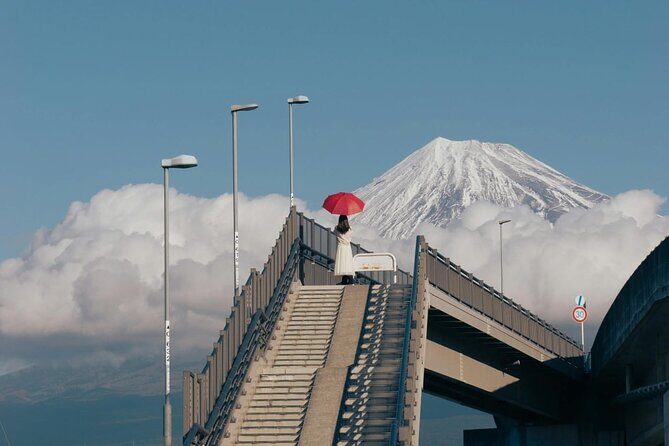
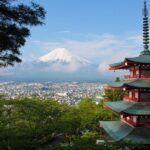
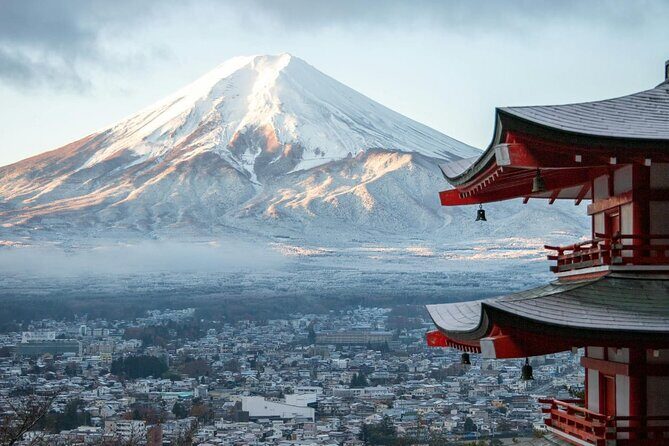
Chureito Pagoda sits in Fujiyoshida City within the Arakura Sengen Shrine area. It’s one of those spots where the photo is the reason you come—and the walk up the steps is the ritual.
You’ll get about 40 minutes here, and the tour lists it as free. That’s nice because it keeps the costs predictable while still giving you something dramatic. The pagoda’s layout is famous for how it frames Mt. Fuji, and even when visibility isn’t perfect, it’s often still a worthwhile shrine stop.
What to expect:
- A climb of steps to reach the viewpoint area.
- A shrine setting that’s calmer than most “just a photo” stops.
Practical tip: wear comfortable shoes. The time here is short, so you want to avoid sore feet that slow you down for the next viewpoints.
A few more Tokyo tours and experiences worth a look

Lake Kawaguchiko for classic views and easy wandering
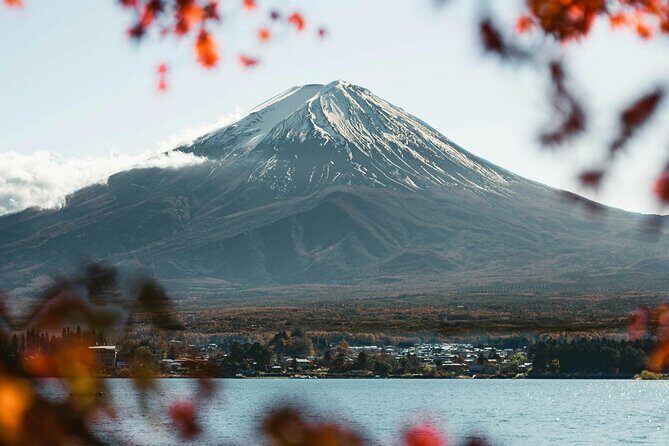
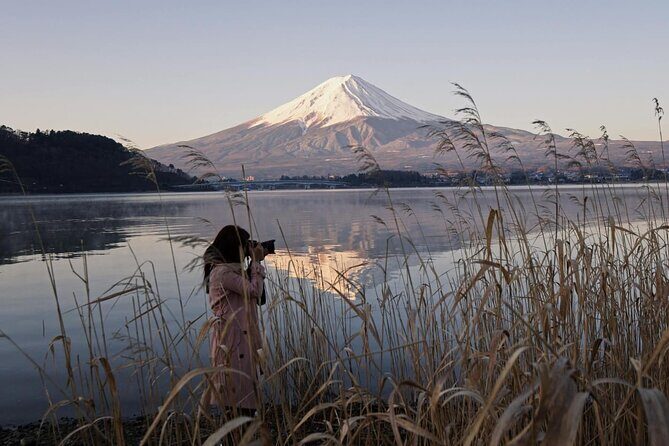
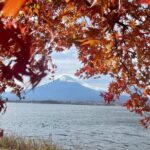
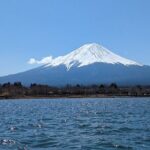
From the pagoda, the tour heads to Lake Kawaguchiko. This is a prime Fuji area because it sits right at the mountain’s base, meaning you can get big views without needing special elevation.
You’ll have about 40 minutes here, and admission isn’t included (and the stop list suggests there’s no entry fee expectation). The area is also known for eateries and casual activities like boating and fishing, so you can choose your own rhythm—photos along the shore, a snack, or just a slow look.
Why I like this stop for first-timers: it’s the “Fuji in real life” version. You’re not just looking at a single iconic angle; you’re seeing how the lake and town layout interact with the mountain.
If you’re trying to beat crowds, timing matters. The tour keeps your movement structured, but your exact “crowd feel” can depend on when you arrive.
Oishi Park: lavender season or just the Fuji angle
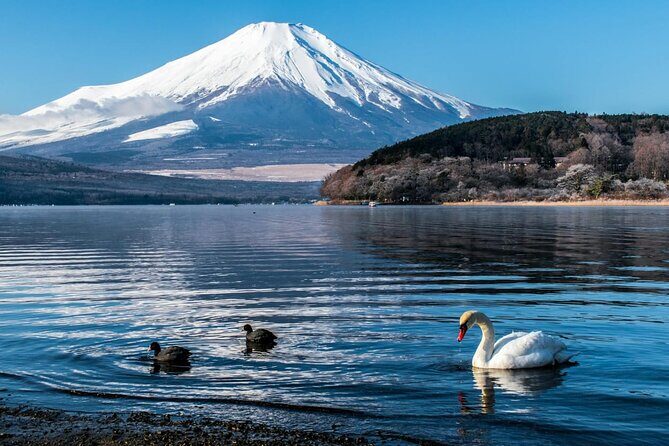
Next is Oishi Park, overlooking Lake Kawaguchiko. It’s listed as free, with about 40 minutes on the schedule. This is a photography-friendly stop because it’s specifically known for Mount Fuji sightlines.
The seasonal detail is useful: summer is famous for lavender fields, which can turn an already-great view into something extra. Even if your timing doesn’t match lavender season, it’s still a strong viewpoint because the park is designed for looking.
What to watch:
- You’ll want your camera ready. This is one of those “arrive, frame, breathe, repeat” places.
- If it’s windy or cold, the lake area can feel chillier than you expect.
Oshino Hakkai: eight ponds and Fuji water stories
Oshino Hakkai is one of those places that feels calm after the more famous “photo spots.” It’s a cluster of eight ponds in Oshino village, located between Lake Kawaguchiko and Lake Yamanakako. The description ties it to the idea of a former sixth lake, which helps you understand why the water matters here.
You’ll get about 40 minutes, and the tour lists it as free. The setting is touristy, but in a “small village with meaning” way, not in a chaotic way. It’s a good break if you’ve been looking at structures and views back-to-back.
How to use this time well:
- Walk the pond area slowly for the details. The point isn’t a single shot.
- If you’re feeling tired from the steps earlier, this stop is where you can reset without rushing.
Fujiyoshida shrines: Kitaguchi Hongu Fuji Sengen Jinja
The tour includes Kitaguchi Hongu Fuji Sengen Jinja, also called Fujiyoshida Sengen Shrine. It’s listed as free and another 40-minute stop.
This one has extra significance because it’s described as the main Sengen Shrine on the north side of Mt. Fuji, with an origin date of around CE 100. That kind of age adds weight to your visit. Even if you don’t study Shinto deeply, you’ll feel the long continuity of a sacred site.
What makes it more than a checkbox:
- Shrines work best when you pause. This stop fits that better than a quick look from a bus window.
If you’re the type who likes seeing religious architecture in context, this is a strong mid-day stop.
Saiko Iyashi no Sato Nemba: historic houses and craft time
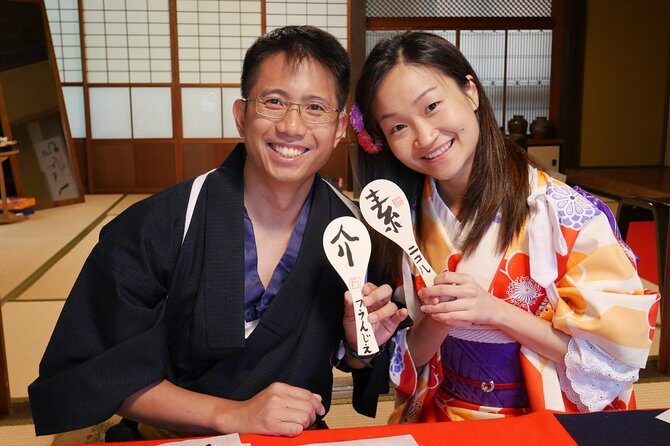
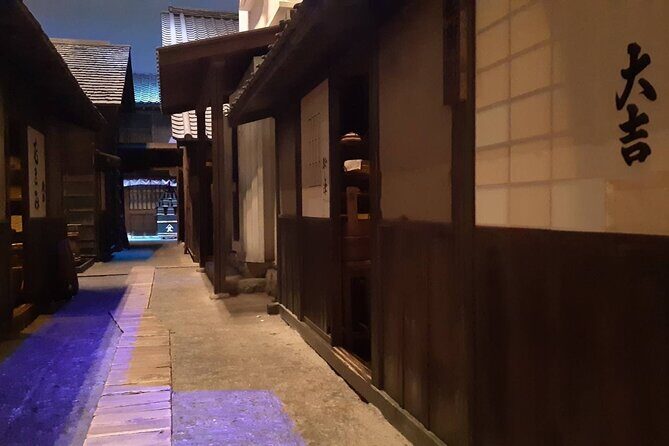
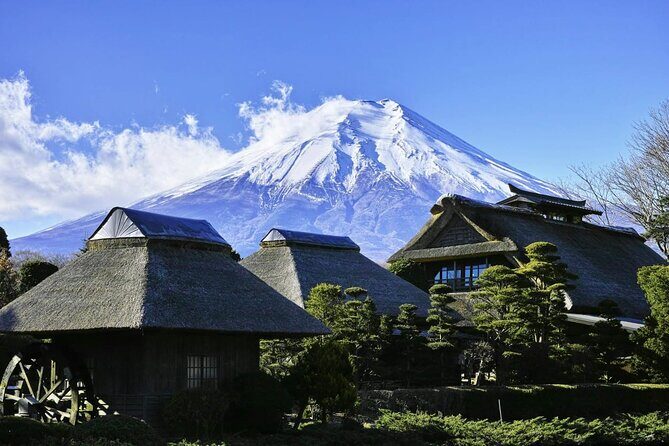
After shrines, you’ll head to Saiko Iyashi no Sato Nemba, described as a picturesque area with old-style Japanese houses (straw-roof structures are mentioned) and spaces for local crafts and artists. The tour also notes rental kimonos and samurai armor are available.
This is one of the more “hands-on feel” stops on the route. Even if you don’t rent anything, the atmosphere helps you slow down and shift from views to culture and everyday life in a historical setting.
You’ll have about 40 minutes, and it’s listed as free. If you do want to rent clothing or armor, plan to factor that into the time so you don’t feel rushed once the other stops start calling.
Shiraito Falls: 150 meters wide and a practical lunch break
The day ends with Shiraito Falls, known for its curtain-like cascade. The description says it spreads 150 meters wide, which is exactly the kind of scale you can feel when you stand near the water.
It’s listed as free and scheduled for about 40 minutes. The tour also mentions there’s a simple lunch break available in the area, which matters because lunch itself is not included in the tour price.
This stop works for two reasons:
- It’s a different kind of experience after shrines and ponds: sound, mist, movement.
- It’s a natural time to eat without hunting for food far away.
If your earlier stops ran long (maybe clouds cleared and you lingered), Shiraito Falls is often where you’re glad the day includes time to be flexible.
Guides matter: what the best driver actually does
A private tour can rise or fall on the driver/guide. The strongest versions of this experience share a few traits:
- On-time pickup and clear handling of the day.
- Good English that makes the explanations usable, not awkward.
- Weather awareness and quick adjustments when visibility changes.
- Photo assistance, meaning the guide can help you get people and mountain in frame without you juggling camera settings and strangers.
You’ll see names like Ali Ahmed and Hazma Ali tied to helpful, well-mannered guidance. You’ll also see mention of a quieter driver (Manjeet) where the conversation didn’t happen much on the ride out and back. That’s not a dealbreaker, but if you want lots of storytelling, pick a guide profile that matches your style.
Who this tour is for (and who might skip it)
This tour is a strong match if you:
- Want hotel pickup and minimal fuss leaving Tokyo.
- Prefer small-group energy without the stress of public transport.
- Care about both the famous photo views and the cultural stops (shrines, historic village).
- Like a driver who can help with photos, not just point you toward them.
You might consider another format if you:
- Are mostly chasing Mt. Fuji at 5th Station and nothing else. Because access and weather can change, you’re buying flexibility, not guaranteed elevation.
- Don’t like walking at steps (Chureito Pagoda) or time outdoors in changing weather.
Should you book this Mount Fuji private tour?
I think it’s worth booking if you want a day that’s structured but not frantic. The best value is when your group fills the limit of up to 6, and you’ll feel it even more if you’re the type who hates transfers and prefers to ride in comfort while a guide handles the flow.
If your trip matters most for mountain views, come with weather-minded expectations. Mt. Fuji can be shy, and the tour is built to keep the day rewarding even when visibility isn’t perfect.
If you’re flexible, the route is a smart mix: 5th Station when possible, pagoda and lakeside viewpoints, Oshino Hakkai ponds, shrines, an old-house craft village, and Shiraito Falls. That combination gives you multiple ways to enjoy Mt. Fuji country, not just one.
FAQ
How long is the Mount Fuji private tour?
It runs for about 10 hours.
What group size is this tour for?
It’s priced per group for up to 6 people.
Is hotel pickup included?
Yes, pickup is offered, and the tour includes hotel pickup service.
Can we always reach Mt. Fuji 5th Station by car?
The tour says it can reach the last point by car, but weather conditions apply. During hiking season, it may not be able to go to 5th Station by car, and you may need a shuttle bus instead.
If we need the shuttle bus to 5th Station, what does it cost?
The shuttle bus cost is listed as 2,100¥ per person.
Are lunch and admission fees included?
Lunch is not included. Admission fees are listed as included, and many stops are shown as free, but Mt. Fuji 5th Station has an admission ticket noted as not included.
Is the guide English speaking?
Yes, the guide is listed as English speaking.
Is free cancellation available?
Yes. You can cancel up to 24 hours in advance for a full refund.
Are service animals allowed?
Yes, service animals are allowed.