REVIEW · TOKYO
Edo Tokyo Small-Group Tour: History, Culture & Local Experiences
Book on Viator →Operated by CoCoMo Japan Travel · Bookable on Viator
Edo Tokyo feels close, not museum distant. This is a max 7-person walk that turns the Edo period into real places you can stand in, from the Fukagawa Fudodo fire display to life-sized street scenes at Fukagawa Edo Museum. You also get two very Tokyo-in-a-different-way breaks: a traditional sweets stop and a calm visit to Kiyosumi Teien’s garden and tea house.
One thing to consider: it’s about history and walking for about 4 hours, and there’s no lunch included, so plan a snack before or after if you need fuel.
In This Review
- Key Things I’d Highlight Before You Go
- Edo Tokyo Through Fukagawa and Kiyosumi’s Real Neighborhoods
- Small Group Days: Why Max 7 Matters
- Timing and Route Flow: A 10:00 Start With a Garden Finish
- Stop 1: Fukagawa Fudodo Fire Display (What You’ll Be Watching)
- Stop 2: Tomioka Hachimangu and the Sumo Memorial Stones
- Stop 3: Fukagawa Edo Museum Streetscapes (How It Helps You Picture Edo Life)
- Stop 4: The Old-Fashioned Sweet Shop (A Quick Flavor Lesson)
- Stop 5: Kiyosumi Teien Garden, Tea House, and Pond Calm
- Price and Value: Getting More for $48.99 Than a Typical “Walk and Look”
- Who This Tour Fits Best (And Who Might Want Something Else)
- A Few Small Planning Tips That Make the Day Smoother
- Should You Book This Edo Tokyo Tour?
- FAQ
- How many people are in the group?
- How long is the tour?
- What time does the tour start?
- Where does the tour begin?
- Where does the tour end?
- What is included in the price?
- Is lunch included?
- What kind of ticket do I use?
- What if the weather is poor?
- When will I get confirmation after booking?
Key Things I’d Highlight Before You Go
- Max 7 people keeps questions flowing and the pace comfortable
- Edo-period fire ritual at Fukagawa Fudodo is the emotional high point
- Fukagawa Edo Museum streetscapes make everyday town life easier to picture
- Old-fashioned sweets shop gives you a quick, local flavor moment
- Kiyosumi Teien balances the day with a garden, pond, and tea house calm
Edo Tokyo Through Fukagawa and Kiyosumi’s Real Neighborhoods
This tour works because it doesn’t treat Edo Tokyo like a distant lecture. You move through a set of places that feel tied to daily life: a temple ritual first, then shrine history, then streets that are built for you to walk through and understand. If you enjoy seeing Tokyo as layers, this one gives you an Edo lens that you can carry into the rest of your trip.
I also like the way it blends “learn” with “do.” You’re not just looking at signage; you’re watching a fire ceremony, stepping into Edo streetscapes, then shifting gears into garden quiet. That mix helps your brain hold onto what you’re seeing.
You can also read our reviews of more historical tours in Tokyo
Small Group Days: Why Max 7 Matters
With a small group of up to 7, the guide can slow down where you need it. You’re more likely to get direct answers instead of hearing the same explanation repeated for a larger crowd.
The tour is led by CoCoMo Japan Travel, and feedback specifically calls out the guide Sandra as a strong storyteller. One review praised her patient, engaging style with kids, which is a good sign if you’re traveling with younger people who might lose patience in long museum halls. Even without kids, this kind of guide approach usually makes the historical details feel lighter and easier to follow.
And because the tour uses a mobile ticket, you’re not stuck handling paper passes at the start. That’s a small thing, but it matters when you’re meeting at train-station area points and switching streets.
Timing and Route Flow: A 10:00 Start With a Garden Finish
The tour starts at 10:00 am near Monzen-nakacho Station (2 Chome-4 Monzennakacho, Koto City). It ends at Kiyosumi Gardens (3-chōme-3-9 Kiyosumi, Koto City). That ending matters: you’re not winding up in the middle of nowhere. You can roll into nearby sightseeing right after, or just find transit without the day feeling like it’s dragging to the last minute.
The overall length is about 4 hours, which is a sweet spot. Long enough to feel like you experienced a mini “Edo day,” short enough that you won’t spend the evening wiped out. If you’re trying to fit Japan history into a packed Tokyo schedule, this is a practical fit.
Stop 1: Fukagawa Fudodo Fire Display (What You’ll Be Watching)
Your first major moment is at Fukagawa Fudodo, where you’ll see a spiritual fire display connected to the Edo period. The way the stop is described is specific: it’s a temple setting with a fire display that’s meant to feel ceremonial rather than theatrical. That difference is important. You’ll get more out of it if you treat it like a living ritual in a sacred space, not just a photo-op.
Expect about 1 hour 20 minutes at this stop, with admission included. That time window suggests the guide isn’t rushing you through. You should also plan to arrive mentally ready for a more intense sensory moment than the later stops.
Practical tip: wear shoes that can handle short stretches of walking and uneven temple-area ground. You’ll be on your feet, and you’ll likely want a few angles to really understand what’s happening.
Stop 2: Tomioka Hachimangu and the Sumo Memorial Stones
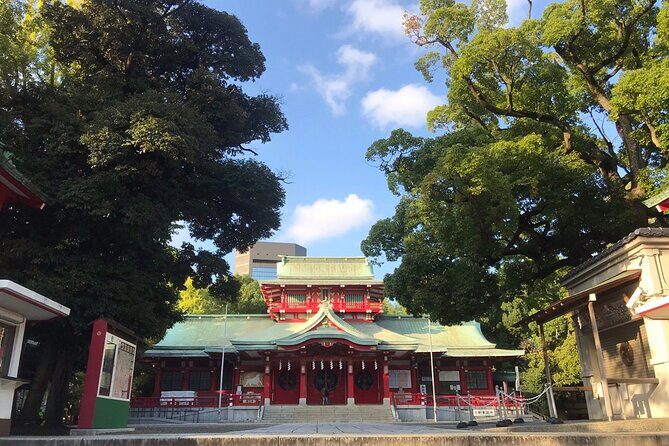
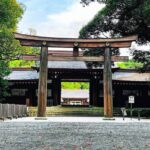
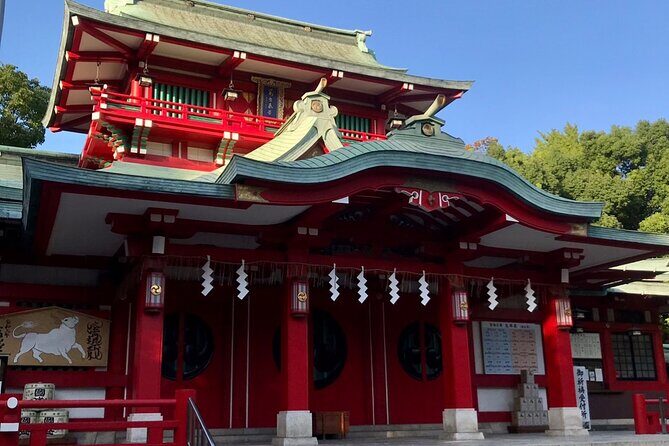
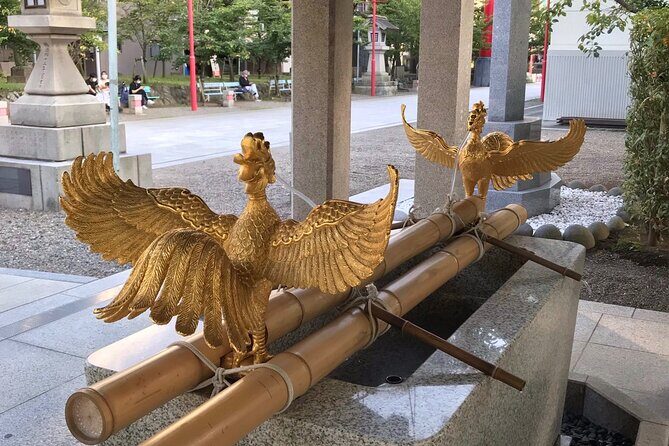
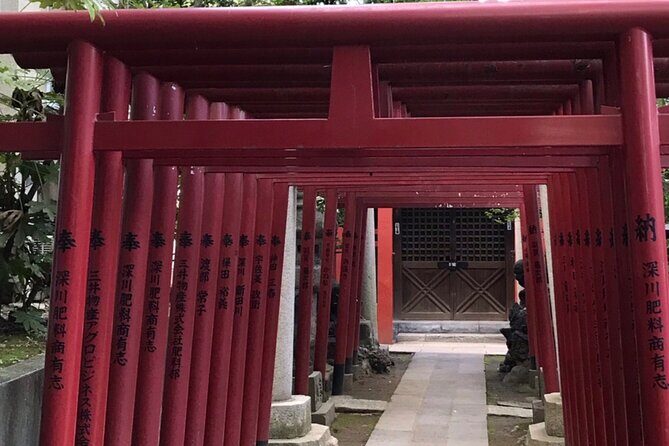
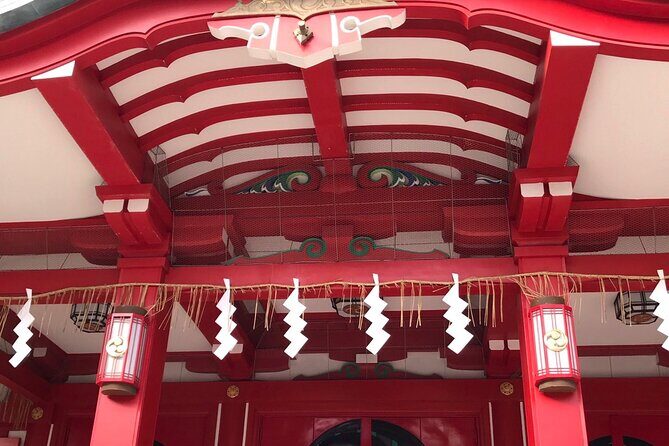
After the fire display, the tone shifts to a Shinto shrine: Tomioka Hachimangu, established in 1627. This is one of those stops where age matters. When a site like this points back that far, it helps you understand that Edo culture wasn’t just clothing and hairstyles; it was also religion, community, and tradition.
You also get a detail that’s easy to miss on your own: sumo commemorative memorial stones. That’s a strong Edo-era connection because sumo has long been woven into Japanese public life. The stop lasts about 30 minutes, and admission is included—enough time to take photos, read what you can, and let the guide connect the dots.
Potential drawback to keep in mind: this stop is shorter, so if you tend to linger at shrines, it helps to listen closely and ask questions early, rather than saving all your curiosity for the last five minutes.






Stop 3: Fukagawa Edo Museum Streetscapes (How It Helps You Picture Edo Life)
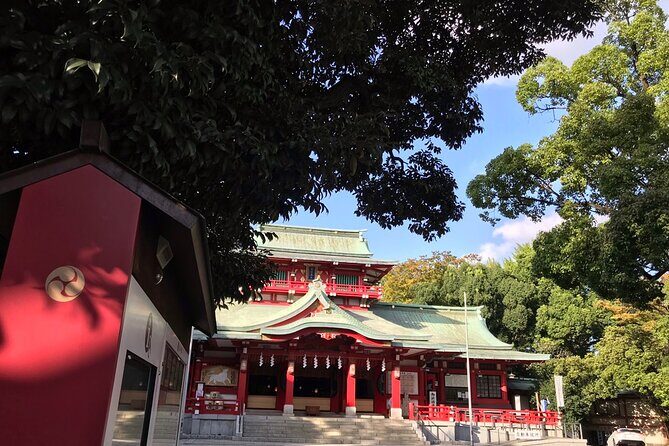
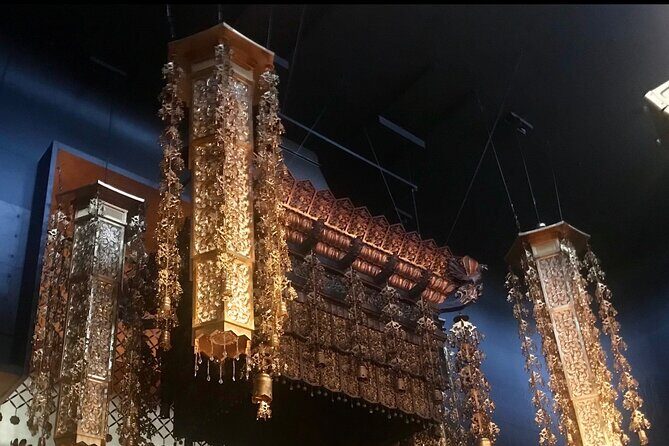
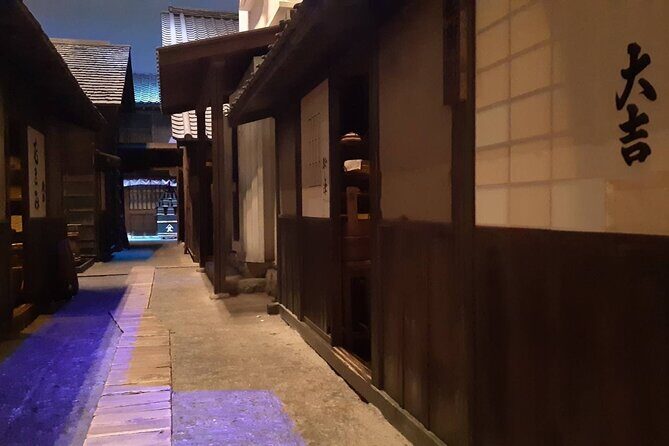
Next comes Fukagawa Edo Museum, where you’ll relive Edo life through life-sized streetscapes. This part is where the tour becomes a learning shortcut. Instead of guessing what a “small village” might have felt like, you’re placed into a built environment that makes everyday layout and atmosphere easier to grasp.
You’re there for about 1 hour, and the museum portion you visit is listed as admission free. That’s a value boost: you get a full cultural stop without it inflating your budget.
Here’s what makes this kind of museum stop work: streetscapes force you to think in scale. You notice how buildings relate to each other, where people would move, and how the town feels when it’s designed for human movement rather than just displayed behind glass. If you love history but hate dry dates, this tends to click fast.
Stop 4: The Old-Fashioned Sweet Shop (A Quick Flavor Lesson)
Then it’s off to Koto, an old-fashioned sweet shop. The tour is short here—about 20 minutes—and it’s focused on something simple: try traditional sweets and get a taste of what everyday Edo-era-inspired treats can represent.
This is also a smart reset after museum-type concentration. You get a sensory break that still supports the theme of daily life. If you’re someone who enjoys food history, this stop gives you a practical memory you can carry later.
A careful note: you’ll want to treat this like you would a tasting stop. Keep expectations realistic. In 20 minutes, you’re getting a taste and a moment, not a full meal. If you’re prone to getting hangry, plan accordingly.
Stop 5: Kiyosumi Teien Garden, Tea House, and Pond Calm
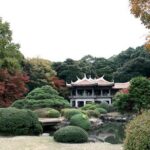
The final stop is Kiyosumi Teien, a classic Japanese garden with a tea house and pond. This is your chance to slow down after the denser history stops. The pace changes because the setting changes.
You’ll spend about 45 minutes here, and it’s listed as admission free for this part of the experience. I like gardens like this because they help you read Japan differently. After temples, shrines, and streetscapes, the garden feels like the quiet space Edo culture also relied on—an intentional pause, not an afterthought.
Practical tip: even on clear days, gardens can be cooler in the shade. Bring a layer if your Tokyo weather is changeable, and give yourself a few minutes to just sit and watch the pond area before you move on.
Price and Value: Getting More for $48.99 Than a Typical “Walk and Look”
At $48.99 per person, this tour is priced like a small-group cultural experience, but the value comes from what’s included. Admission details are spread across stops: the Fukagawa Fudodo temple fire display and Tomioka Hachimangu shrine include ticket access, while the museum and the other listed stops are free for this tour.
So you’re paying mainly for:
- the guide’s storytelling and pacing
- the small-group size
- access to specific cultural moments without constant extra ticket costs
It’s also around 4 hours, which makes it easier to justify if you’re comparing it to half-day tours that usually feel longer and cost more. You get variety—ritual, shrine, streetscape immersion, sweets, and garden calm—in one compact run.
In plain terms: if you want Edo Tokyo without building your own train-and-ticket puzzle, this price is reasonable.
Who This Tour Fits Best (And Who Might Want Something Else)
I’d steer you toward this if you:
- love history but prefer it told through places, not just facts
- want a manageable small-group format
- like mixing active sights with a calm finish in a garden
- appreciate food culture, even when it’s a quick sweets stop
You might want a different type of tour if you’re mainly chasing modern Tokyo energy and don’t want a route that leans heavily into Edo-period context. This one stays true to the theme from start to finish.
A Few Small Planning Tips That Make the Day Smoother
- Start with a light snack before 10:00 since lunch isn’t included.
- Wear comfortable shoes for short walks through temple, shrine, and museum areas.
- Bring a layer for Kiyosumi Teien’s garden shade and pond-side cool.
- If you want photos, don’t rush the first stop; the fire ceremony moment is the one you’ll likely want to watch longer than you expect.
Also, the tour is described as requiring good weather. If conditions aren’t right, you’ll be offered a different date or a refund, so don’t schedule it as the only outdoor plan of your day.
Should You Book This Edo Tokyo Tour?
Yes, if you want an Edo-focused Tokyo walk that feels personal and not crowded. The max 7 group size, the fire ceremony at Fukagawa Fudodo, and the life-sized streetscapes at Fukagawa Edo Museum are the big reasons to choose it. Then the sweet shop and Kiyosumi Teien garden help you end the day calmer and more grounded than you started.
If you’re short on time, it’s the right length. If you’re sensitive to “no lunch included,” just plan a snack so you can stay comfortable until the garden stop finishes.
FAQ
How many people are in the group?
This experience has a maximum of 7 travelers, so it’s designed to feel personalized.
How long is the tour?
The tour lasts about 4 hours (approx.).
What time does the tour start?
It starts at 10:00 am.
Where does the tour begin?
It starts near Monzen-nakacho Station at 2 Chome-4 Monzennakacho, Koto City, Tokyo 135-0048, Japan.
Where does the tour end?
It ends at Kiyosumi Gardens at 3-chōme-3-9 Kiyosumi, Koto City, Tokyo 135-0024, Japan.
What is included in the price?
All fees and taxes are included, and admission is included for the Fukagawa Fudodo and Tomioka Hachimangu stops. The Fukagawa Edo Museum and the other listed stops are shown as admission free for this experience.
Is lunch included?
No, lunch is not included.
What kind of ticket do I use?
You’ll get a mobile ticket.
What if the weather is poor?
The tour requires good weather. If it’s canceled due to poor weather, you’ll be offered a different date or a full refund.
When will I get confirmation after booking?
Confirmation is received within 48 hours of booking, subject to availability.