REVIEW · TOKYO
Private Workshop to Create Paper Last for 1,000 years in Ueno
Book on Viator →Operated by 和紙ラボTOKYO · Bookable on Viator
This Ueno workshop turns a centuries-old craft into a step-by-step session where you actually make washi from tree fibers. You peel bark (Hyouhitor), beat the fibers (Dakai), then form your own sheets using a mold and deckle. It is hands-on Tokyo culture, not just watching.
I also love the payoff: you leave with four finished paper items, including two custom postcard designs, plus Rakusui paper and an A5 sheet. The teaching is patient, and the process is built for you to understand what each step changes in the paper.
One thing to consider is that there is a workshop cat, mascot Kami. If you have allergies, you need to tell the organizers ahead of time.
In This Review
- Key things you will notice right away
- Ueno washi workshop: four handmade papers you can actually use
- Hyouhitor and Dakai: peeling and beating kozo fibers
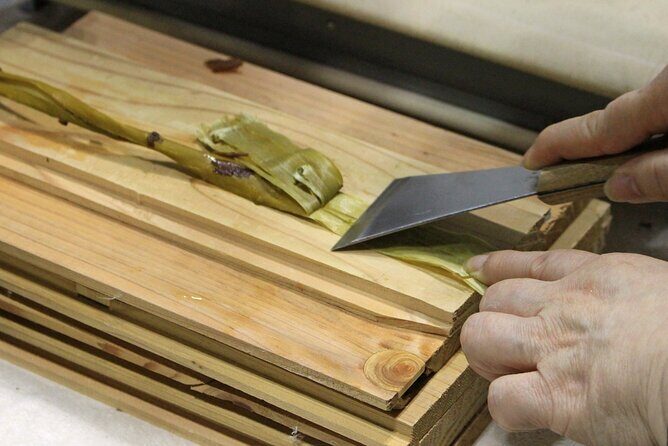
- Hyouhitor: peeling off the outer bark
- Dakai: beating tree fibers
- Mold, deckle, and sifting: shaping an even sheet by hand
- Drying time becomes paper tea time: kozo leaves and local sweets
- The private setting at 和紙ラボTOKYO: how you’ll use the 2.5 hours
- What your finished washi is really like (and how to treat it)
- Who should book this Ueno washi workshop?
- Small practical tips before you go
- Should you book this workshop?
- FAQ
- What paper items will I make in the workshop?
- Do I get to experience the full Japanese papermaking process?
- How long does the workshop last?
- Is this workshop private?
- What is included besides making paper?
- What is Japanese paper tea made from?
- Where is the meeting point in Tokyo?
- Is there a cat in the workshop?
- Is the workshop affected by weather?
Key things you will notice right away
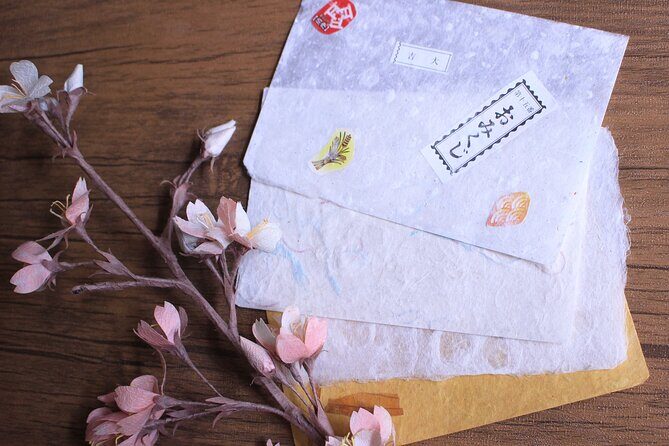
- You make four keepsakes: two postcard designs, Rakusui paper, and an A5 sheet
- You touch the full process: Hyouhitor peeling, Dakai beating, mold-and-deckle sheet making
- Kozo is the star: you use kozo leaves as the basis for the paper and for the tea
- Drying time becomes a mini break: Japanese paper tea plus local sweets are included
- Private group format: only your group participates, so you get more direct help
- Each sheet stays one-of-a-kind: your results will differ from anyone else’s
Ueno washi workshop: four handmade papers you can actually use
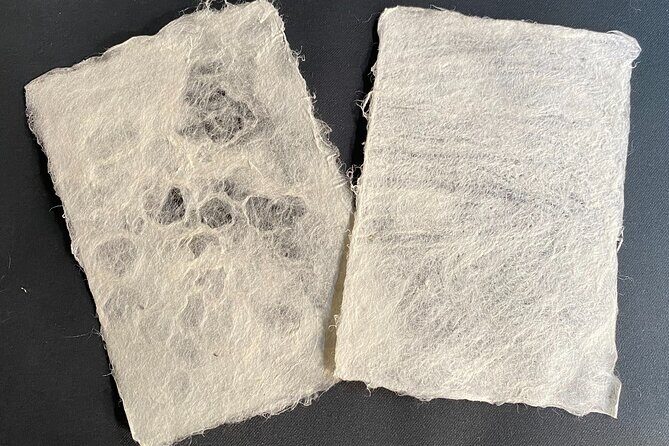
If you want a Tokyo experience that feels real, this is it. The premise is simple: make paper the traditional way, and don’t just pick a souvenir off a shelf. You’ll follow the Japanese papermaking process from fiber prep to forming a sheet, then you’ll create four finished items to take home.
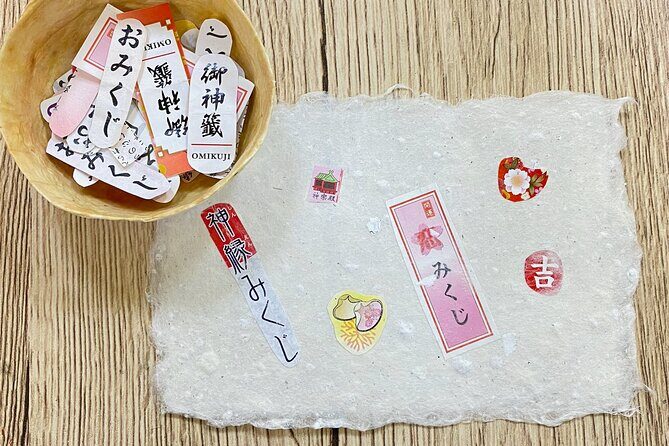
Here is what you make:
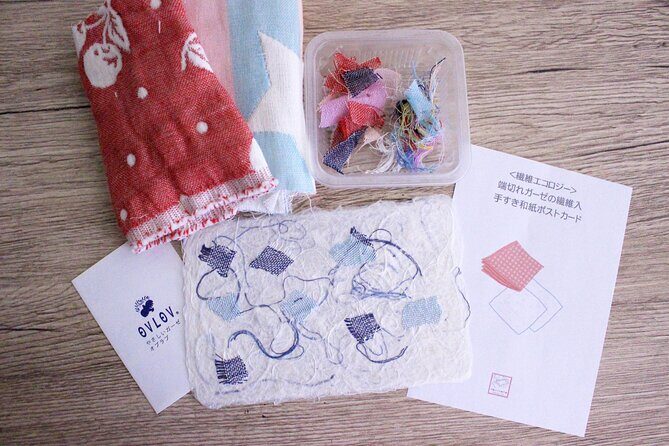
- Two designs of postcards (you create the designs as part of the workshop)
- Rakusui paper
- A5 paper
That combo is smart value. Postcards are fun immediately, Rakusui paper is a distinct washi product type, and an A5 sheet is perfect for keeping, framing, or writing on. Even if you are not a “craft person,” you’ll likely enjoy the rhythm: prep fibers, form the sheet, then build your final pieces around that paper.
And yes, the workshop leans into the long-life promise. The idea is paper made from traditional fibers and process can endure for generations. You may not be testing it in real time, but the session gives you a feel for why this method has lasted.
One detail I appreciate is that the workshop isn’t just selling a product. It teaches the logic of the craft: what the fibers are doing, what the sheet-making steps do to the surface, and why drying matters. That turns your finished paper from a nice object into a story you can explain.
You can also read our reviews of more private tours in Tokyo



Hyouhitor and Dakai: peeling and beating kozo fibers
Japanese papermaking starts with plant fibers. Here, the raw material connects directly to what you’ll later drink as tea: kozo. The session includes two core steps:
Hyouhitor: peeling off the outer bark
Hyouhitor is the peeling phase. Practically, this is where the craft stops being abstract. You’re working with plant material, getting it ready for fiber extraction and later use. This step matters because it is the gateway from tree to usable fiber.
If you’re nervous about “messy crafts,” you’ll still find this doable. The workshop is designed so most travelers can participate, and the format is private—so you can ask questions without feeling rushed.
Dakai: beating tree fibers
Then comes Dakai, beating the fibers. This is not just for theatrics. Beating helps turn the material into workable fibers for paper formation. You’re basically changing texture and consistency so the fibers can form a sheet when mixed with water and processed through the mold.
This is one of the best parts of the experience because it gives you a physical understanding of papermaking. You will leave knowing the craft is not one magical machine moment—it is a sequence of manual actions that each contribute to the final sheet.
What I’d do if you want the most from these steps: slow down mentally. Notice how fiber behavior changes from stage to stage. That focus makes the rest of the workshop click later when you start forming sheets.
Mold, deckle, and sifting: shaping an even sheet by hand
After you’ve prepared the fibers, the workshop shifts into sheet-making. This is the stage where you see why papermakers obsess over uniformity.
Here is the key sequence you will follow:
- You pour the raw material into a paper-making mold and deckle
- You sift the solution to form an even and flat sheet of paper
That mold-and-deckle approach is old-school precision. The mold holds the structure while the deckle helps determine the sheet shape and edges. The sifting step is where you control distribution. If the solution isn’t evenly handled, the sheet can show variations. If you do it carefully, you get that flatter look you want in a paper sheet.
This is also where the “learning” part becomes tangible. You’ll understand that evenness isn’t luck. It is how you handle the material in the moment.
During this part, stay patient with yourself. It takes coordination to keep everything moving smoothly. Since it is private, you can take your time and correct your technique with direct guidance.
A few more Tokyo tours and experiences worth a look



Drying time becomes paper tea time: kozo leaves and local sweets
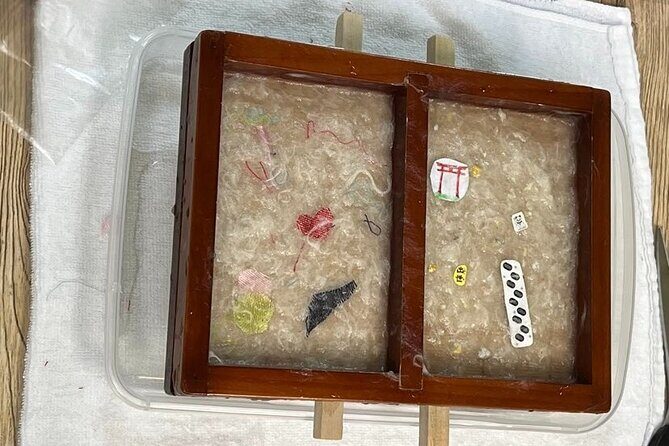
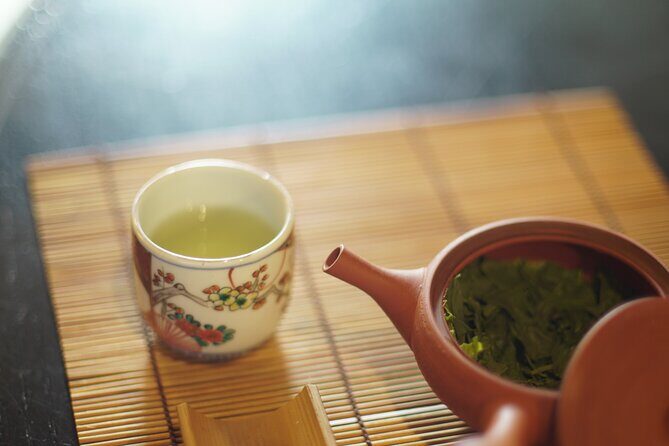
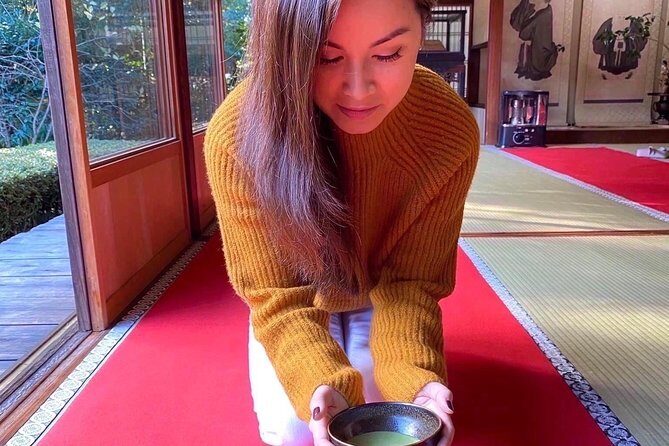
Once the sheets are formed, the workshop transitions into the waiting game—paper needs to dry. Instead of making you sit with nothing to do, you get a special included break: Japanese paper tea and sweets.
A fun, standout detail: the tea is made from kozo leaves, the same plant that provides the raw material for paper. That gives you a satisfying full-circle moment—plant to fiber to paper to drink.
On top of that, you get local Japanese sweets sourced from a beloved nearby shop. The tea-and-sweet pairing is part of why this workshop feels like a small cultural experience, not just a craft class with a snack.
Why this matters: it gives you context. When you drink the tea, the kozo connection becomes more than an ingredient list. You feel how the same material can support different traditions—paper and food.
If you like tea experiences, pay attention to the simple fact that this paper tea is described as original and not something you’d find elsewhere from the information provided. That’s a real differentiator.
The private setting at 和紙ラボTOKYO: how you’ll use the 2.5 hours
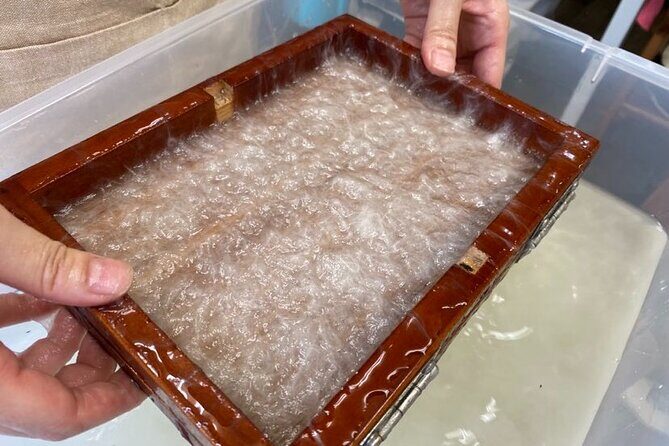
This workshop lasts about 2 hours 30 minutes. For a traditional craft class, that is a solid timeframe. It gives you enough time to do real steps—Hyouhitor, Dakai, sheet formation, and then your final product creation—without dragging on for half a day.
Because it is private, only your group participates. That matters more than it sounds. In craft workshops, the difference between good and great usually comes down to whether you can ask quick questions. Here, you’re not competing for attention.
What to do when you arrive:
- Take a minute to read the room and watch the setup before you jump in.
- Ask early if you’re unsure about any step. The teaching is part of the value.
- If you have allergies, mention them because the workshop includes a cat.
Also, you’ll use a mobile ticket, and the start point is near public transportation. You should still plan to arrive a few minutes early so you can get settled before hands-on begins.
The meeting point is:
3-chōme302 市川ビル, Taitō, Taito City, Tokyo 110-0016
The session ends back at the meeting point, so you’re not dealing with a second location later.
What your finished washi is really like (and how to treat it)
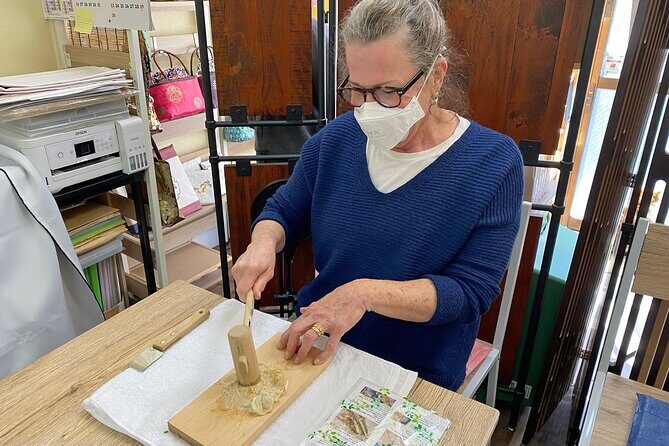
You are making four items from the same washi-making foundation, so they share a family resemblance. But the individual results will vary. The information provided highlights that the washi is unique and cannot be made anywhere else in the exact same way.
That uniqueness is not a marketing slogan. Handmade paper naturally shows tiny differences. That is part of the charm. Your postcards and sheets will carry your handwork, even if the designs and final items follow the workshop structure.
When you get your finished pieces:
- Handle them gently, like you would any thin paper.
- Keep them flat while they settle, especially right after drying.
- Think of them as writable or display-worthy craft paper, depending on what you want them for.
If you’re buying this as a gift, it has built-in meaning. One of the provided reviews talks about using what you make as a gift card. That idea is practical: the paper is already designed and special, so you can add a message or write something personal. It is far more thoughtful than a generic paper product.
Who should book this Ueno washi workshop?
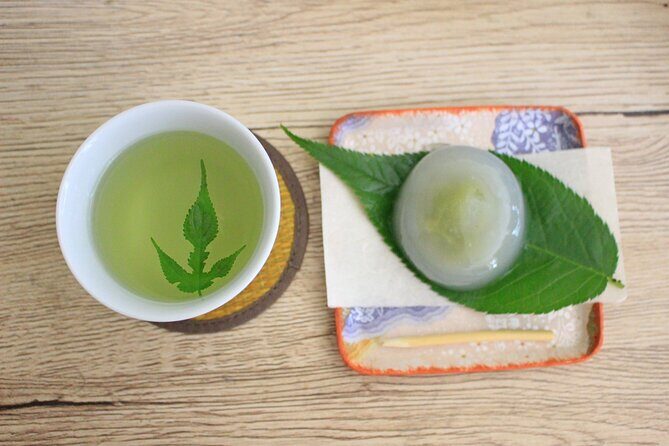
This is a great fit if you want Japanese culture that is active, not passive. You get history and technique, but you learn it through doing.
I’d recommend it to:
- Couples or small friends who want something calm and hands-on
- Anyone interested in Japanese crafts, especially paper and fiber traditions
- People who want a memorable Tokyo “make something” experience that produces real take-home items
It is also good for travelers who like a guided structure. The session includes an explanation first, then hands-on steps, then finishing touches, plus tea and sweets. That mix can work well if you’re not sure you’ll enjoy purely technical classes.
For families or first-time craft visitors, it sounds approachable because the workshop notes that most travelers can participate. Private sessions also tend to reduce the stress of keeping up with a larger crowd.
Small practical tips before you go
A few things that can make your session smoother:
- Tell them about cat allergies. There is a cat in the workshop, mascot Kami.
- Wear clothes you can move in. You’ll be handling fiber and water-based processes. Even if it stays tidy, you don’t want to worry about ruining your best outfit.
- Ask questions as you go. The process has multiple steps that connect to quality. If you ask, you’ll understand the craft faster.
- Treat the tea break as part of the lesson. When the tea is connected to kozo leaves, it helps you remember what you processed earlier.
Also, the workshop requires good weather. If it gets canceled due to poor weather, you’ll be offered a different date or a full refund.
Should you book this workshop?
I think this is an easy yes if you want one standout Tokyo activity that you can explain later in a way that doesn’t sound like a postcard brochure. You’ll make four paper items, learn Hyouhitor and Dakai, and take part in a sheet-making process built around mold, deckle, and careful sifting. The included Japanese paper tea using kozo leaves, plus local sweets, is a genuine bonus.
You might skip it if:
- You have cat allergies and can’t accommodate the Kami presence.
- You want something strictly visual with minimal hands-on work. This is a workshop where you do the steps.
If neither of those applies, booking it is a smart choice. It’s not just entertainment. It’s a craft skill you’ll carry home, plus take-home paper you can actually use or gift.
FAQ
What paper items will I make in the workshop?
You will make four paper products: two designs of postcards, Rakusui paper, and an A5 paper.
Do I get to experience the full Japanese papermaking process?
Yes. The workshop includes the process from peeling off the outer bark (Hyouhitor) and beating tree fibers (Dakai), through forming paper in a mold and deckle, and sifting the solution to make an even sheet.
How long does the workshop last?
It runs for about 2 hours 30 minutes.
Is this workshop private?
Yes. It is a private activity, and only your group participates.
What is included besides making paper?
You also get Japanese paper tea and local Japanese sweets during the drying time.
What is Japanese paper tea made from?
The tea is made from kozo leaves, which are also used as the raw material for making paper.
Where is the meeting point in Tokyo?
The start location is 3-chōme302 市川ビル, Taitō, Taito City, Tokyo 110-0016, and the activity ends back at the meeting point.
Is there a cat in the workshop?
Yes. There is a cat in the workshop, and you should inform the organizers if you have any allergies.
Is the workshop affected by weather?
Yes, it requires good weather. If it is canceled due to poor weather, you will be offered a different date or a full refund.