REVIEW · TOKYO
Mt. Fuji and Hakone 1 Day Bus Tour + Kimono Experience
Book on Viator →Operated by Odakyu Fuji Tour · Bookable on Viator
Mt. Fuji in a single day feels like magic. This tour strings together Lake Kawaguchi views, a kimono dressing stop with photos designed for rainy weather, and then jumps to Hakone’s volcanic scenery. I like that the pacing is tight but not frantic, so you get multiple looks at Fuji instead of one quick glimpse. The one thing to watch: Mt. Fuji can be hidden by clouds or mist, and there’s no refund for that.
You also get an easy ride out of Shinjuku in an air-conditioned coach, plus a professional English-speaking guide who helps you hit the key sights without getting stuck on timing. The downside is also logistics: after you depart, the bus goes directly to Fujisan Plaza with no restroom stop, so use the facilities before you meet up.
In This Review
- Key Highlights You’ll Actually Care About
- From Shinjuku to Fuji and Hakone: How This Day Works
- Fujisan Plaza Kimono and Photo Time (Including Rainy-Day Backup)
- Kawaguchi Asama Shrine: A Quiet Pause Before Volcano Drama
- Lunch at Tabi no Eki Kawaguchiko Base: Plan for What’s Not Included
- Oishi Park: Your Flower-Framed Fuji Photo Moment
- Owakudani Valley in Hakone: Volcanic Heat and Steaming Vents
- Odawara Station Transfer and the Odakyu Romancecar Return Option
- Value: Is the $104.34 Price Tag Reasonable?
- Who Should Book This Tour (And Who Might Not)
- Should You Book This Mt. Fuji and Hakone 1 Day Bus Tour?
- FAQ
- What time does the tour start?
- How long is the tour?
- Where do I meet the tour?
- Is kimono dressing included?
- Is lunch included?
- What should I wear for the kimono experience?
- Can I return to Shinjuku by Romancecar?
- Will I definitely see Mt. Fuji?
- Is there a restroom stop after departure?
Key Highlights You’ll Actually Care About
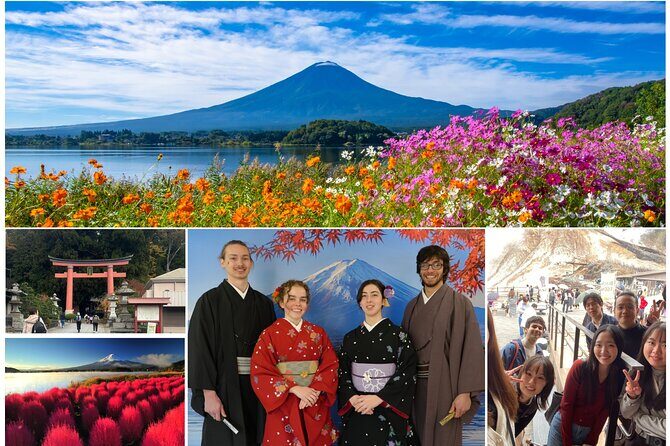
- Kimono over your regular clothes at Fujisan Plaza, with limited sizes—plan your outfit accordingly
- Rain-ready photo setup at Fujisan Plaza (an indoor option), so bad weather doesn’t ruin your pictures
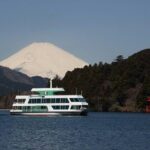
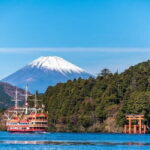
- Two chances for Mt. Fuji: Lake Kawaguchi viewpoints (including Oishi Park) plus another look from the Hakone side at Owakudani
- Hakone’s volcanic reality at Owakudani—steaming vents, sulfur activity, and dramatic scenery
- Lunch is on you, but it’s scheduled with a convenient local roadside rest area
- Odakyu Romancecar option with a reserved seat back to Shinjuku for a calmer finish to a long day
From Shinjuku to Fuji and Hakone: How This Day Works
This is an 11-hour plan that starts in Tokyo at 8:20 am and packs a lot into a single outing. The meeting point is the Odakyu Sightseeing Service Center at Shinjuku South (Odakyu line, Shinjuku Station south exit area). Arrive early. The tour notes that late arrivals can get their reservation canceled, and after departure the bus heads straight toward Fujisan Plaza.
The timing matters. You’re going to be on the move for long stretches, and you won’t have much free-floating time to wander off schedule. That’s not a flaw—this style of tour is built for efficiency—but it does mean you should come ready to follow the group flow.
Also plan your body for temperature swings. The tour mentions it can feel much colder than Tokyo at Lake Kawaguchi. Rough seasonal averages provided for Lake Kawaguchi: about 29.9°C in August, 27.3°C in September, and 20.4°C in October. If you’re going shoulder season, bring layers you can actually manage in a group setting.
One more practical note: the trip runs with a maximum of 40 travelers. That size is big enough to be organized, but small enough that you’re less likely to lose your bearings in the crowd than on huge coach tours.
A few more Tokyo tours and experiences worth a look



Fujisan Plaza Kimono and Photo Time (Including Rainy-Day Backup)
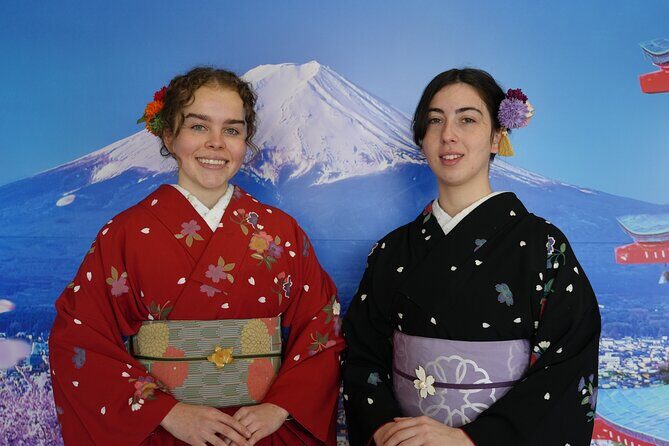
Fujisan Plaza is where the day gets fun fast. You spend about 20 minutes here, and it’s split between picking a kimono and doing the photo moment with Mt. Fuji as the backdrop.
Here’s the key detail: the kimono is worn casually over your regular clothes. That means you don’t need to change everything—just wear something that works under a layer. The tour also warns to avoid sleeveless tops, especially in summer, because the kimono goes over what you’re wearing.
Your photo plan is also thought through. The experience includes a memorable photo session with Mt. Fuji as your backdrop, and the tour specifically notes that rainy days are handled thanks to an indoor photo setting. So if the sky is doing its usual Japanese drama, you still get your picture time.
I also like that the tour lets you choose from a variety of colorful and antique-style designs. It’s not “put it on and move on.” You get a quick moment to pick something that feels like you, rather than settling for whatever is left.
Reality check: kimono sizes are limited. If you’re traveling with kids, the tour asks for children’s height during booking remarks, because sizes may run tight.
Kawaguchi Asama Shrine: A Quiet Pause Before Volcano Drama
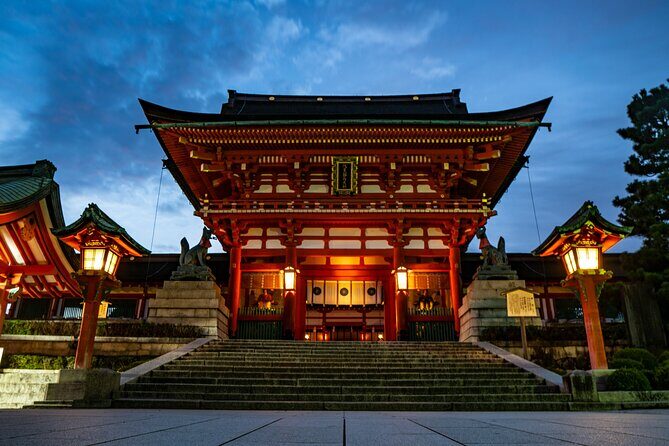
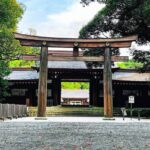
After Fujisan Plaza, you head to Kawaguchi Asama Shrine for about 30 minutes. This shrine is known for being associated with calming a major eruption of Mt. Fuji. That background matters because the place doesn’t feel like a generic photo stop. It’s calmer than the big scenic viewpoints, and it’s the kind of place where a short visit can actually reset your brain before the next jump.
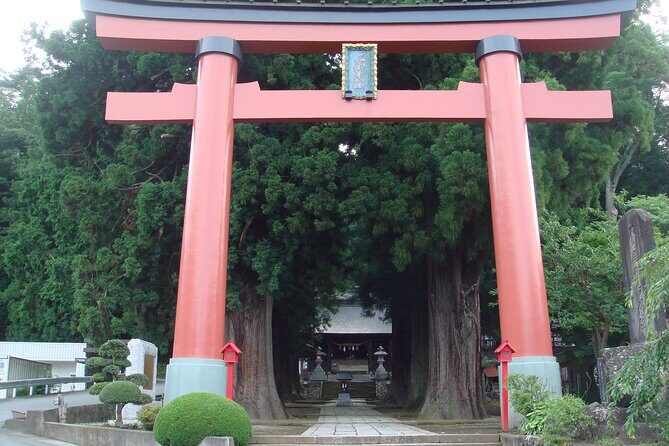
The tour highlights an impressive red torii gate and a tranquil approach lined with cedar. That combo—big red landmark, then quieter walkway—makes it easy to take a few thoughtful photos without rushing.
This is also a good moment for pacing. In a day like this, you’re often going from one “look and go” spot to the next. The shrine stop gives you a change of vibe: less scenery-chasing, more walking through a sacred space.
Lunch at Tabi no Eki Kawaguchiko Base: Plan for What’s Not Included
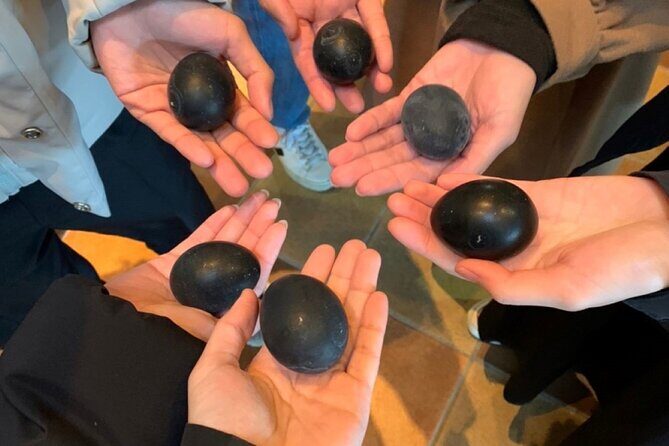
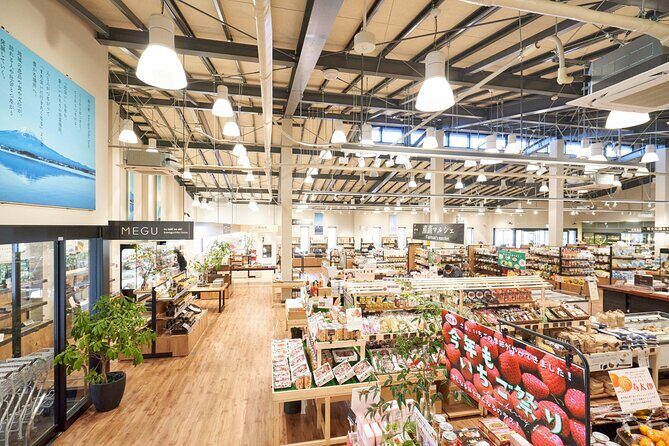
Next comes the lunch window at Tabi no Eki Kawaguchiko. You get about 50 minutes here, and the tour is honest: lunch is not included. That said, it’s still a convenience win. The rest area is set up so you can eat quickly without hunting for restaurants while the group is waiting.
The tour notes you can enjoy lunch at the roadside station restaurant using local ingredients, or grab something from a bakery for a takeaway-style meal. For many people, that’s perfect: you eat, you recharge, you don’t waste time.
If you have dietary needs—vegan, gluten-free, halal, vegetarian, or allergies—the tour specifically says you should bring your own meal in advance, since special accommodations may not be available. That’s a real-world tip. Don’t count on finding your specific diet option in a small roadside spot with limited prep time.
Oishi Park: Your Flower-Framed Fuji Photo Moment
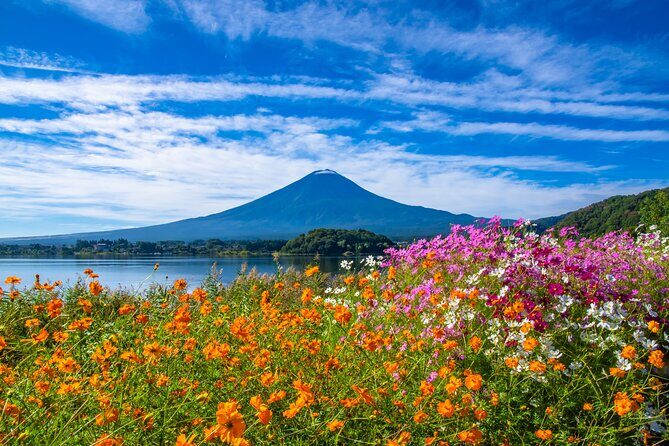
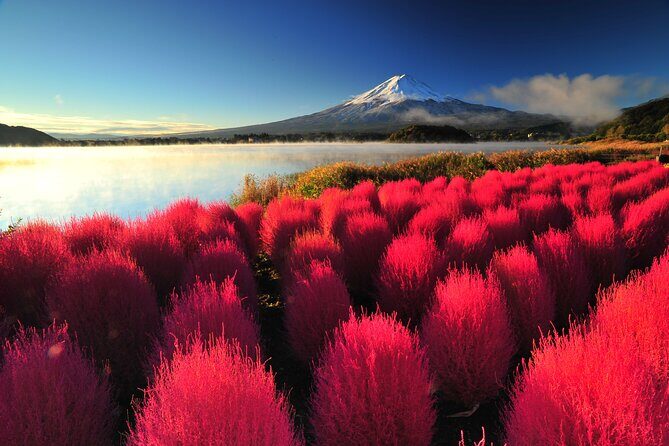
Then you’re at Oishi Park for about 30 minutes—one of the most popular areas for international visitors around Lake Kawaguchi. The selling point is the panoramic Fuji view, with seasonal flowers framing the scene.
In practice, this is your classic “arrive, find the view, shoot a few photos, and enjoy the breeze” stop. Since it’s only half an hour, your best move is to decide quickly where you want to stand. If you wait too long, you’ll burn time and feel rushed.
A small strategy that helps: take your photos first, then slow down. That way you get the shot you need before the group flow nudges everyone onward.
Also remember the Fuji visibility note. The tour warns Mt. Fuji may not be visible even from the base in certain weather conditions, and refunds won’t be issued for that. So treat every view as a chance, not a guarantee.






Owakudani Valley in Hakone: Volcanic Heat and Steaming Vents
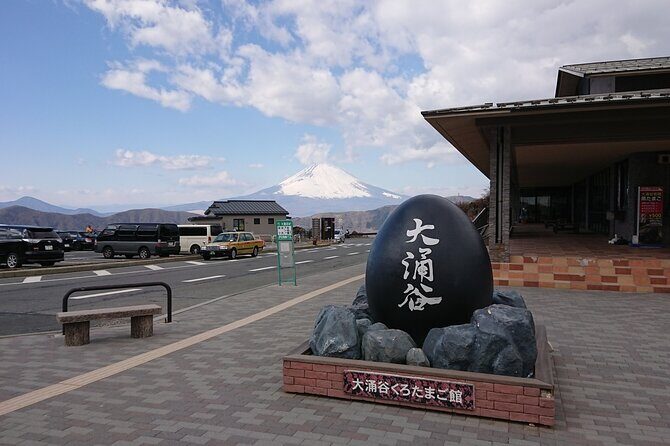
Now the day turns toward Hakone, with Owakudani Valley for about 30 minutes. This is where you feel the volcano instead of just seeing it on a postcard.
The tour description calls out steaming hot springs, sulfur vents, and dramatic volcanic scenery. That matches the experience: the air can feel warmer, the views look more rugged, and it feels more like you’re standing on active geologic ground than on a manicured viewpoint.
It also gives you another chance at seeing Mt. Fuji. The itinerary includes that extra viewing angle, which is helpful because earlier shots might get wiped out by mist. Still, accept the weather reality: you might get a clear panorama, or you might get the “fog version” of the mountain.
What I like about a short stop here is that it keeps your expectations realistic. You’re not expected to hang around for hours. You get the main spectacle, enough time for a few photos and a slow look, and then you move on.
Odawara Station Transfer and the Odakyu Romancecar Return Option
Your exit depends on the plan you chose. The tour says you can disembark at either Kawaguchiko Station or Hakone-Yumoto Station, or you can return to Tokyo via the Odakyu Romancecar with a reserved seat.
If you select the Romancecar option, you’ll transfer at Odawara Station for about 10 minutes, then take a comfortable reserved-seat ride back to Shinjuku. That matters more than it sounds. After 11 hours of sightseeing, the idea of standing around on trains is less appealing than having a guaranteed seat on a known route.
If you choose the Shinjuku return plan, the day ends at Shinjuku Station (again, about 10 minutes at the end listed). It’s a clean finish.
Value: Is the $104.34 Price Tag Reasonable?
At $104.34 per person, you’re paying for more than a bus ride. You get:
- a guided day across two regions (Lake Kawaguchi and Hakone),
- professional English-speaking guidance,
- the kimono dressing experience,
- and—if you choose that option—a reserved Odakyu Romancecar seat back to Shinjuku.
When you compare it to doing Fuji + Hakone independently, the value is strongest if you’d otherwise struggle with timing, connections, or knowing which spots are worth your limited daylight. One-day tours like this often pay off because someone else handles route flow and the “which stop first” headaches.
The biggest cost you’ll still have is the one the tour doesn’t include: lunch. Plan for that. If you eat out at the scheduled rest area, it stays easy. If you need special meals for allergies or strict diets, bring something, and your total day cost may shift.
Overall, the price feels fair for travelers who want a structured, high-impact day without turning the trip into a full-time planning project.
Who Should Book This Tour (And Who Might Not)
I’d point you to this tour if you want:
- a first taste of both Mt. Fuji area and Hakone,
- multiple photo chances (including the rain-safe kimono photo setup),
- an organized schedule with an English guide,
- and the option of a comfortable Romancecar return.
You might think twice if you:
- need lots of downtime or longer stays at each site,
- rely on Mt. Fuji being visible and would feel disappointed by clouds,
- can’t commit to a long day with limited restroom options after the meeting point.
Should You Book This Mt. Fuji and Hakone 1 Day Bus Tour?
If you’re short on time and you want a smooth, guided “greatest hits” day, I think it’s a smart booking. The kimono + photo component adds real cultural texture, and the volcano stop at Owakudani gives your day a totally different feel than calm lakeside views.
Just go in with the right mindset. Fuji isn’t guaranteed. Weather changes everything. Pack layers for cooler conditions at Lake Kawaguchi, use the restroom before you leave the meeting point, and plan lunch ahead if you have dietary needs. Do those basics, and this day is likely to feel like you squeezed more Japan into a day than you expected.
FAQ
What time does the tour start?
The tour starts at 8:20 am.
How long is the tour?
It runs for about 11 hours.
Where do I meet the tour?
You meet at Odakyu Sightseeing Service Center – Shinjuku South, at the Odakyu line Shinjuku Station south exit area (address provided in the tour details).
Is kimono dressing included?
Yes. The kimono experience is included, and you dress in a kimono at Fujisan Plaza over your regular clothes.
Is lunch included?
No. Lunch is not included, but there is a scheduled lunch stop at Tabi no Eki Kawaguchiko where you can buy food.
What should I wear for the kimono experience?
The tour notes to avoid sleeveless tops, especially in summer, because the kimono is worn over your outfit. Wear something you can comfortably layer with.
Can I return to Shinjuku by Romancecar?
Yes, if you choose the Return to Shinjuku plan. You’ll get a reserved seat on the Odakyu Romancecar.
Will I definitely see Mt. Fuji?
No. The tour notes Mt. Fuji may not be visible even from the base in some weather conditions, and refunds aren’t issued for that.
Is there a restroom stop after departure?
After you depart, the bus heads directly to Fujisan Plaza with no restroom stops. Use the restroom before gathering at the meeting point.