REVIEW · TOKYO
Mt Fuji, Hakone Private Tour by Car Pickup from Tokyo
Book on Viator →Operated by Hassan cheema · Bookable on Viator
Fuji views without the train squeeze. This private day trip strings together Mt. Fuji’s 5th Station and multiple classic sightseeing stops, with hotel pickup so you start relaxed and stay that way all day. I like the pacing because you get real time at viewpoints, and you’re not stuck doing hurried transfers. I also like that the route mixes mountain drama with shrines and lakes, so your photos don’t all look the same.
One thing to plan around: lunch and entrance tickets aren’t included, and Mt. Fuji visibility depends on weather. If fog rolls in, you’ll still enjoy the shrines and lakes, but the main payoff is the clearest-day view.
In This Review
- Key things that make this tour work so well
- Why a Private Car Day Trip Beats Tokyo Trains to Fuji
- Mt. Fuji 5th Station: The 2,300-Meter Viewpoint Moment
- Arakura Fuji Sengen Shrine and Kitaguchi Hongu Fuji Sengen Jinja
- Lake Kawaguchiko: Fuji Meets Seasonal Flower Power
- Hakone’s Lake Ashinoko and Ropeway: Changing Views with Caldera Drama
- Food, Timing, and Photo Tips for a Full 10 Hours
- Price and What You’re Really Paying For ($490.74 per group)
- Who This Tour Fits Best (and Who Might Want Something Else)
- Should You Book This Mt. Fuji and Hakone Private Tour?
- FAQ
- FAQ
- How much does the Mt Fuji, Hakone Private Tour by Car cost?
- How long is the tour?
- Do I get hotel pickup and drop-off?
- Are tickets and lunch included in the price?
- Is this a private tour?
- What stops are included during the day?
- Can I cancel and get a full refund?
Key things that make this tour work so well
- Private pickup and drop-off in a modern, air-conditioned car from your Tokyo hotel area
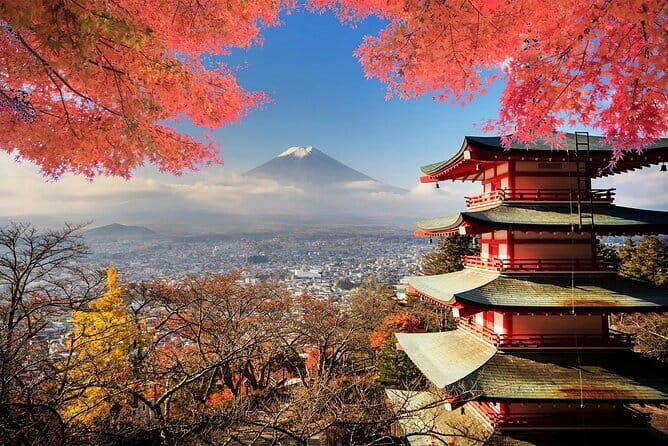
- Big-name Fuji viewpoints: Fuji’s 5th Station plus shrine observation decks
- A balanced route with two shrine stops and two different lake scenes (Kawaguchiko and Hakone)
- Hakone scenery by cable car/ropeway with stops built into the Hakone Round Course route
- English-speaking driver support plus extra help for photos, including groups who called out strong photo moments
- Family-friendly flexibility (one group highlighted a driver who was attentive to kids)
Why a Private Car Day Trip Beats Tokyo Trains to Fuji
Let’s be honest: Tokyo to Mt. Fuji can turn into a lot of commuting time. This tour trades that hassle for a direct, door-to-door style of travel—hotel pickup and drop-off—so you spend your energy where it counts: at the viewpoints.
The car part isn’t just comfort, either. In a private setup, you’re not juggling station changes or timing your walk-outs between trains. That matters because the day is packed: multiple stops, each with its own best angles, and the route needs to flow smoothly to fit everything into about 10 hours.
Also, this is priced per group (up to 6). That usually means it can feel expensive on paper if you’re solo, but it can start to make real sense as soon as you split the cost with a small group. You’re paying for time, convenience, and someone else handling the driving.
You can also read our reviews of more private tours in Tokyo


Mt. Fuji 5th Station: The 2,300-Meter Viewpoint Moment
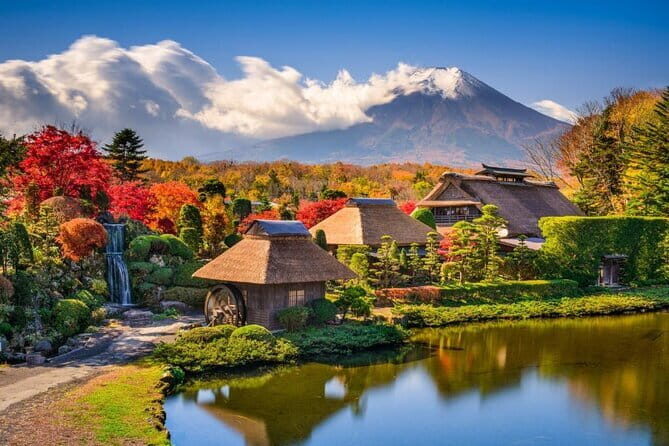
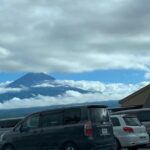
Fuji’s 5th Station is the centerpiece for a reason. You’re going up to about 2,300 meters (7,546 feet), where the views tend to feel dramatic and open—on a clear day you can even spot Tokyo sparkling in the distance.
What I like here is the amount of time: you get around 3 hours at the station area. That’s enough to slow down, walk around, and reposition for photos without feeling like you’re being herded. It also helps with a simple reality—weather changes fast in mountain areas, and you want more than a quick look to judge the day.
The trade-off is also simple: this is a high spot, so it can feel cooler than Tokyo. Bring a layer you’re comfortable wearing for a while, not just for a photo. And keep your expectations flexible. The itinerary is built for the best views, but the mountain is the mountain—if it’s misty, the rest of the day still has plenty to enjoy.
Arakura Fuji Sengen Shrine and Kitaguchi Hongu Fuji Sengen Jinja
This tour uses shrines as more than cultural stops. They’re your second route into Fuji visuals, and they change the mood from the stark mountain viewpoint to something more scenic and serene.
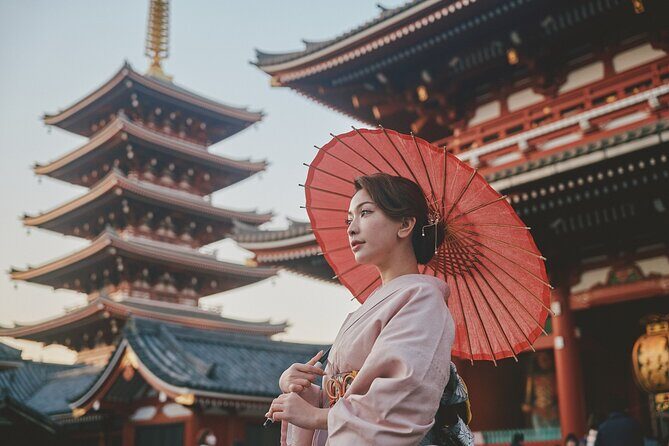
At Arakura Fuji Sengen Shrine, you get a Shinto setting with a five-tier pagoda and an observation deck that’s made for panoramic shots. The stop time is about 2 hours, which is useful because you can take your time moving between viewpoints rather than rushing when you spot a gap in the clouds.
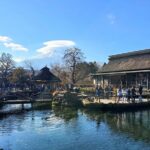
Then you move to Kitaguchi Hongu Fuji Sengen Jinja, a shrine complex with wooden structures and stone lanterns lining paths through the forest. This one is shorter (about 30 minutes), so it’s more of a focused walk-and-view stop. If you want photos here, aim to leave with enough daylight in your schedule so you’re not stuck shooting only the last light.
The balanced part: you’re not just “inside temples.” You’re walking routes that are naturally designed around sightlines toward Mt. Fuji and creating that layered feeling—station views on one side, shrine framing on the other.
Lake Kawaguchiko: Fuji Meets Seasonal Flower Power
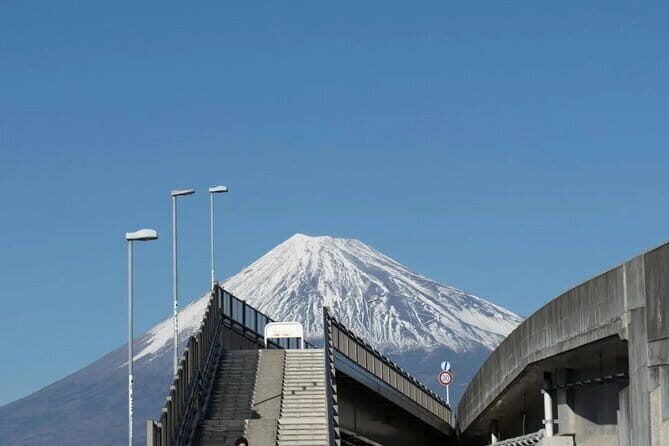
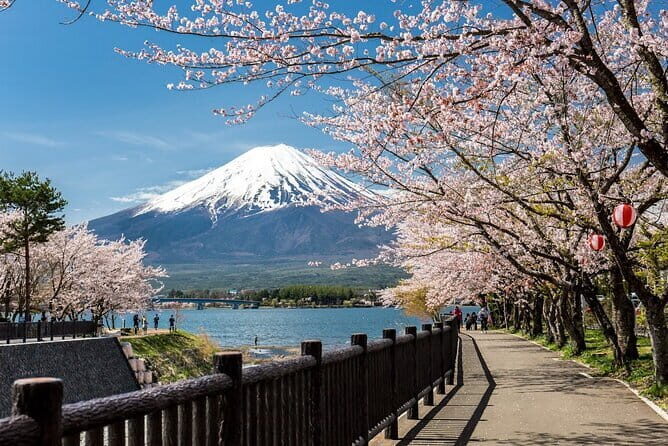
After shrines, the scenery shifts to lakes, and Lake Kawaguchiko gives you a classic Fuji-lake composition. It’s the biggest and most accessible of the five Fuji lakes, and the payoff is that it’s visually active through the seasons.
You’ll typically get around 1 hour here, which is the right amount for choosing your viewpoint and then moving on. You can catch sweeping lake views, and if your timing lines up with seasonal displays, Kawaguchiko can look extra festive with cherry blossoms, autumn leaves, and flower festivals.
The one practical drawback: with only about an hour, you’re choosing a “best effort” viewpoint rather than doing a slow explore of the whole area. If you’re the type who likes long wandering loops, you might wish you had more time. Still, the trade-off pays off later in Hakone, where the atmosphere changes again.
Hakone’s Lake Ashinoko and Ropeway: Changing Views with Caldera Drama
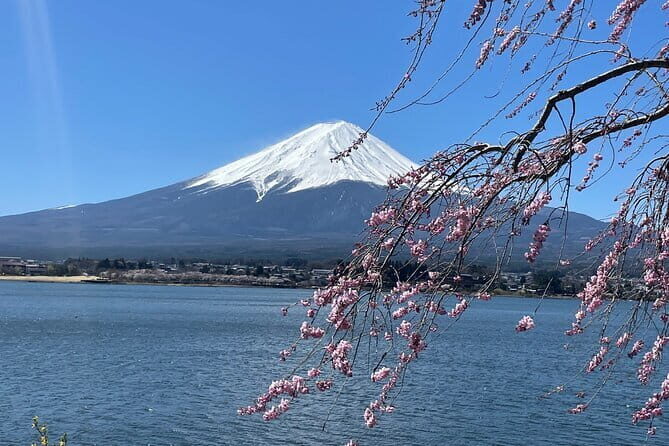
Hakone is where the day really starts to feel like two countries in one day. You’re no longer just in “Fuji scenic mode,” you’re in Hakone volcanic scenery mode.
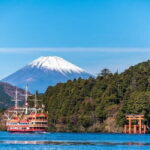
At Lake Ashinoko, the lake was formed in the caldera of Mt. Hakone after the volcano’s last eruption about 3,000 years ago. That’s not just trivia. It explains why the lake backdrop feels so iconic—Mt. Fuji can appear in the frame, while Hakone’s volcanic setting adds texture to the view. The tour places you here briefly (around 30 minutes), mostly to get that signature lake look without burning the schedule.
Next comes the Hakone Ropeway with about 3 hours set aside. The route connects Sounzan Station with Togendai Station and stops at Owakudani and Ubako along the way. Even if you’re not chasing every single stop, the ropeway segment helps you see Hakone from a different height and perspective.
One caution: the tour notes that entrance tickets aren’t included. Some stops are listed as free to enter, but this is exactly the kind of detail worth checking on your voucher—especially for the ropeway segment—so you’re not surprised when you reach the boarding area.





Food, Timing, and Photo Tips for a Full 10 Hours
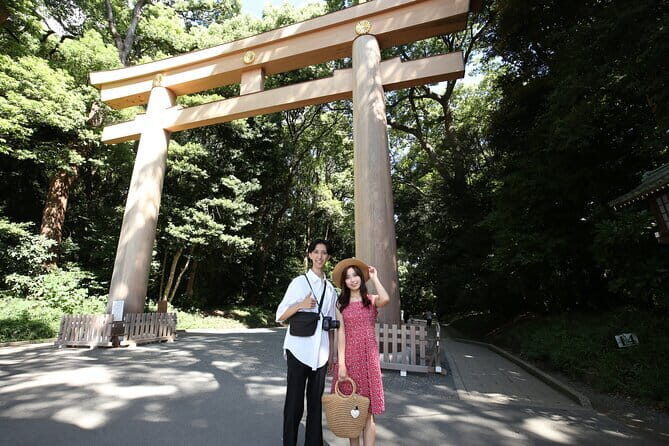
This day is long enough that your comfort choices matter. Plan your lunch expectation early: lunch cost is extra, and it’s not built into the price. That’s normal for Japanese day tours, but it changes your budget and time planning.
I like that the route gives you enough variety for meal timing. You’re at Fuji’s 5th Station for a while, so you’ll have options depending on what’s convenient in that area. Later, in Hakone, you’ll be closer to places where you can find different styles of food after your lake and ropeway time.
A personal-style note from the feedback you provided: one family praised that halal food was great, and another group called out the driver helping with photo moments. Use that as your cue. If dietary needs matter, tell your booking contact ahead of time so you’re not scrambling mid-day. And if you care about photos, ask your English-speaking driver where the best angles are before you start walking—this type of route makes those decisions easier.
Also, keep your clothing simple. You’ll be moving between Tokyo and higher elevation, and the mountain areas can feel cooler. A light layer and comfortable shoes go a long way on shrine paths and viewpoints.
Price and What You’re Really Paying For ($490.74 per group)
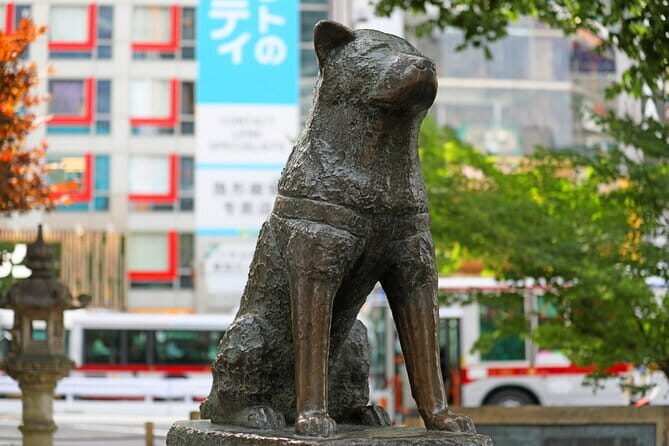
This costs $490.74 per group, up to 6 people. On the surface, that can seem like a lot compared with train options. But you’re buying three big things at once:
- Private transportation for about 10 hours
- Hotel pickup and drop-off (time saved, stress saved)
- An English-speaking driver who can keep the day moving and help coordinate your route
There’s also a fuel/highway surcharge included, which matters because it’s one more “hidden” cost that often shows up with car services.
What’s not included is where your budget needs breathing room: lunch, alcoholic drinks, and entrance tickets for any activities. The itinerary lists many stops as free entry, so you may not pay much for admissions. Still, keep a small buffer in your plan in case a paid ride or ticket applies at a specific point.
If you’re deciding whether it’s good value, here’s the rule I use: if your group is 3–6 people and you truly want to avoid train transfers, the private car day is often worth it. If you’re solo and you’re willing to manage schedules yourself, you might prefer a cheaper public transport approach. This tour is at its best when convenience is the priority.
Who This Tour Fits Best (and Who Might Want Something Else)
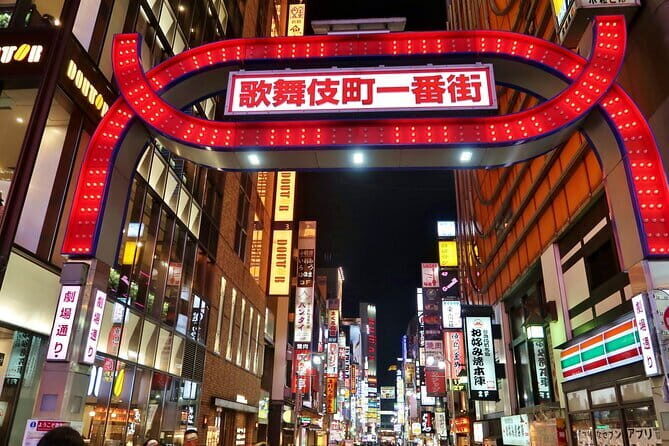
This is a strong fit for people who want a full day of Mt. Fuji and Hakone without turning the trip into a logistics project. The private format works well if you’re traveling as a small group, with kids, or if you want more flexibility than a fixed group bus schedule.
It’s also a good choice if you care about getting to the big-name viewpoint spots without rushing. The itinerary has time built in at Fuji’s 5th Station, plus you get multiple Fuji-framed sightlines through shrines and lakes.
It may not be the best choice if you’re ultra-budget-focused, because lunch and any paid admissions will come on top. Also, if your main goal is spending hours wandering freely in just one lake area, the route is designed for “several key hits,” not deep, slow exploration.
Should You Book This Mt. Fuji and Hakone Private Tour?
I’d book it if you want a simple recipe: pick-up from your Tokyo hotel, see Mt. Fuji from the 5th Station, add shrine viewpoints and two lake settings, then finish with Hakone scenery via ropeway-linked views. The private car means you’re not spending your best daylight wrangling transfers.
I’d hesitate only if you’re relying on Mt. Fuji being perfectly clear at the exact time you’re at the station. You can’t control weather, and the itinerary is clearly designed around visibility. Still, the shrines and lakes give you a meaningful plan even on a less-perfect day.
If you want this to feel smooth, do two things: bring a layer for the cooler elevation at the 5th Station, and ask ahead about any food needs like halal so your lunch plan doesn’t become stressful.
FAQ
FAQ
How much does the Mt Fuji, Hakone Private Tour by Car cost?
It’s $490.74 per group, with a maximum group size of up to 6 people.
How long is the tour?
The tour runs for about 10 hours.
Do I get hotel pickup and drop-off?
Yes. Return hotel transfers are included, with pickup offered from your Tokyo area.
Are tickets and lunch included in the price?
Lunch is not included. Entrance tickets for any activity are also not included.
Is this a private tour?
Yes. It’s private, meaning only your group participates.
What stops are included during the day?
You’ll visit Fuji’s 5th Station, Arakura Fuji Sengen Shrine, Lake Kawaguchiko, Kitaguchi Hongu Fuji Sengen Jinja, Lake Ashinoko, and the Hakone Ropeway.
Can I cancel and get a full refund?
Yes, free cancellation is available. You can cancel up to 24 hours in advance for a full refund. If you cancel less than 24 hours before the start time, the payment is not refunded.