REVIEW · TOKYO
Mt Fuji Private Tour with English speaking driver
Book on Viator →Operated by Sakura International Travels · Bookable on Viator
Fuji day, minus the stress. A private English-speaking driver and a planned loop around Lake Kawaguchiko means you get the big hits without juggling trains or timing. I like that it’s private, so the pace and stop choices can actually fit your group.
The main thing to watch is cost and weather. Mt Fuji 5th Station and the Panoramic Ropeway are optional and their admission isn’t included, and the whole day depends on having good conditions for clear views.
In This Review
- Key highlights at a glance
- Leaving Tokyo with a private car that actually helps
- The day starts at Kaminarimon Gate in Asakusa
- Stop 1: Mt Fuji 5th Station (optional, not included)
- Stop 2: Arakura Fuji Sengen Shrine and the pagoda view
- Stop 3: Oshino Hakkai ponds (the Fuji water detour)
- Stop 4: Mount Fuji Panoramic Ropeway (optional, not included)
- Stop 5: Oishi Park and the lake-and-mountain framing
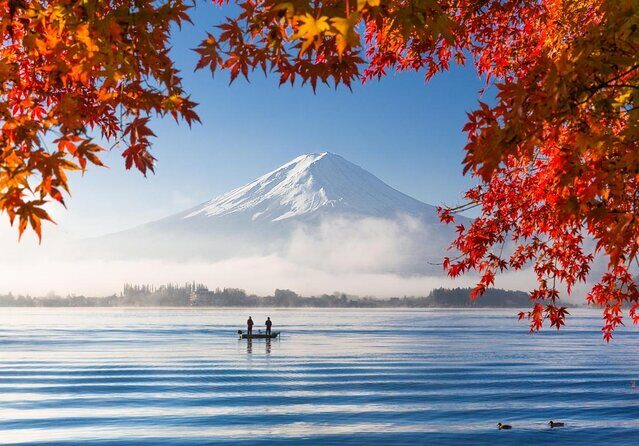
- Stop 6: Lake Kawaguchiko’s easy, scenic reset
- Stop 7: Kitaguchi Hongu Fuji Sengen Jinja Shrine
- Price and value: what $160 buys for a 9-hour private day
- Who this tour suits best (and who should rethink it)
- The practical way to make the most of Fuji day
- Should you book this Mt Fuji private tour?
- FAQ
- How long is the Mt Fuji Private Tour with an English speaking driver?
- Where does the tour start and end?
- Is this a private tour?
- Is pickup included?
- Is admission to Mt Fuji 5th Station included?
- Is admission to the Mt Fuji Panoramic Ropeway included?
- Are any of the other stops free?
- What happens if the weather is poor?
- What is the cancellation policy?
Key highlights at a glance
- Private, English-speaking driver for a smoother day out of Tokyo
- English-friendly stops that focus on classic Fuji viewpoints and culture
- Mt Fuji 5th Station is optional, with admission not included
- Arakura Fuji Sengen Shrine gives you that iconic pagoda + mountain viewpoint
- Oshino Hakkai brings you to Fuji water ponds in the Fuji Five Lakes region
- Flexible optics for better views, with a guide who pays attention to timing and sky
Leaving Tokyo with a private car that actually helps
This is the kind of Mt Fuji day that feels smarter when you start with the right transport. You leave from the Kaminarimon Gate area in Asakusa, and you’re back there at the end. That matters because the Fuji region can turn into a timing puzzle if you’re relying on public transit and transfers all day.
A private vehicle also gives you room to adjust. You’re not stuck following a rigid crowd schedule. The driver is English-speaking, so you’re not stuck guessing at what a shrine is, what to look for, or how long you realistically need for photos. In practice, that makes the whole day feel less like logistics and more like sightseeing.
Also, you don’t have to think about fuel and tolls. Those are covered, and you ride in an air-conditioned vehicle. For summer heat or winter chill, that’s a real quality-of-life detail.
You can also read our reviews of more private tours in Tokyo

The day starts at Kaminarimon Gate in Asakusa
Your meeting point is Kaminarimon Gate, 2-chōme-3-1 in Asakusa (Taito City). It’s a central, easy-to-find spot compared with some far-flung departure points. You’ll use a mobile ticket, which keeps things simple on the day.
One practical note: with Mt Fuji, timing matters. You want light, clear air, and fewer clouds. This tour’s route includes several high-value viewpoints, so you’re not betting everything on one spot. That’s a big deal, because when visibility shifts, the day can still work.
Stop 1: Mt Fuji 5th Station (optional, not included)
Mt Fuji 5th Station is the signature “I’m really this close” moment. The tour gives you a 2-hour window here, and it’s marked as optional, with admission ticket not included.
What you’re signing up for is high-altitude scenery. Mount Fuji rises to 12,388 ft (3,776 m), and the 5th Station area is where many visitors feel the scale in a physical way. Even if you’re not hiking, the views and the mountain presence are the point.
Why it’s worth considering:
- It’s the closest classic viewpoint from this type of day route.
- You get time to walk around and absorb the place rather than just passing through.
Possible drawback:
- Because the admission isn’t included, you’ll need to budget extra if you choose this stop.
- It’s also the kind of place where weather swings can change your experience fast. The whole tour requires good weather, and that’s especially true here.
If you’re unsure, I’d treat it like a decision you make based on the conditions you see early in the day. If clouds look likely to roll in, you may prefer to focus on the lower, more reliable photo spots later.
Stop 2: Arakura Fuji Sengen Shrine and the pagoda view
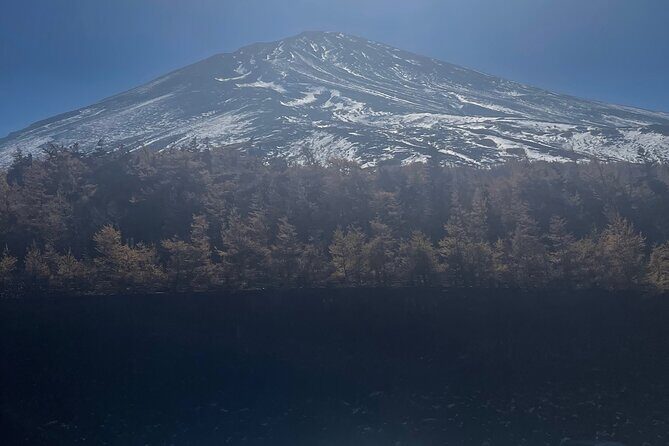
Arakura Fuji Sengen Shrine is one of those “this is why you came” places. You’ll spend about 2 hours here, and the admission is free.
The star attraction is Arakurayama Sengen Park’s viewing setup: you get a five-storied pagoda and Mount Fuji in the same frame. In spring, cherry blossoms can create a spectacular layered scene, but even outside cherry season, the composition is the point. This is a big-time Fuji postcard view, and it’s also one of the easiest places to capture without rushing.
Why I like this stop:
- It’s built for viewing, not just walking.
- The shrine park setting gives you a more cultural atmosphere than pure sightseeing.
Small consideration:
- Popular viewpoints can mean crowds at the wrong time. If you want quieter photos, ask your driver to time it so you’re not fighting the biggest rush.
Stop 3: Oshino Hakkai ponds (the Fuji water detour)
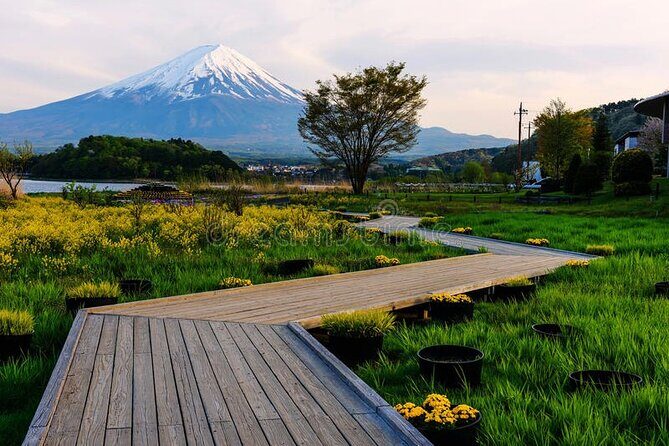
Oshino Hakkai is a different flavor from shrine views. You’ll have 30 minutes, and it’s free.
Oshino Hakkai is a set of eight ponds in Oshino, a small village in the Fuji Five Lakes region. The story goes back to a former sixth lake that dried out several hundred years ago, leaving these water features behind. It’s a very simple place to understand: you see the ponds, you spot the way water behaves, and you connect it to the Fuji water system.
Why this stop works well in a full-day trip:
- It balances out the taller viewpoints with something calmer and grounded.
- It’s short enough that it won’t hijack your whole afternoon.
A practical tip: since you only have about half an hour, move efficiently. Look first, then take photos, then do any quick souvenir browsing. You’ll thank yourself later when you get to the next viewpoint.
A few more Tokyo tours and experiences worth a look

Stop 4: Mount Fuji Panoramic Ropeway (optional, not included)
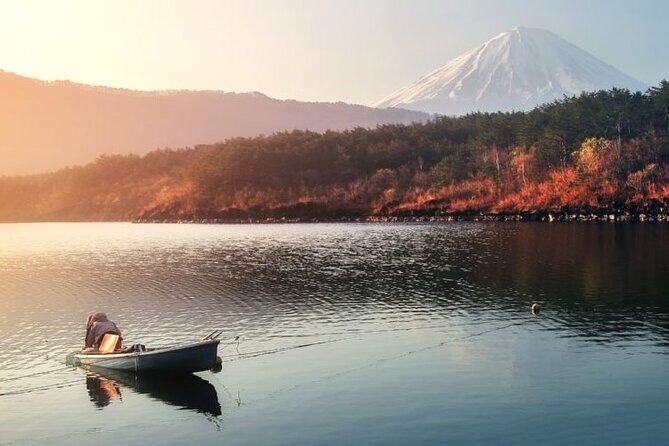
After Oshino Hakkai, the route offers another classic “upgrade” option: the Mt Fuji Panoramic Ropeway. It’s optional, with about 2 hours allotted, and admission isn’t included.
The ropeway ascends 400 meters from the eastern shore of Lake Kawaguchiko up to an observation deck near the peak of Mt Tenjo. That’s a key detail: you’re not just on a lower platform. You’re gaining height for a different angle on the lake-and-Fuji relationship.
When it feels like a good idea:
- If visibility is good, higher views can give you that extra sense of scale.
- If you want something fun besides walking around towns and shrines, this adds variety.
Possible drawback:
- Admission isn’t included, so it adds cost.
- If weather is iffy, the higher observation deck may not give you the clear payoff you want.
If you’re the type who hates committing to extra paid add-ons, treat this like your group’s vote. If the sky looks cooperative, it’s often worth it. If clouds roll in, you can skip it and still keep a great day.
Stop 5: Oishi Park and the lake-and-mountain framing
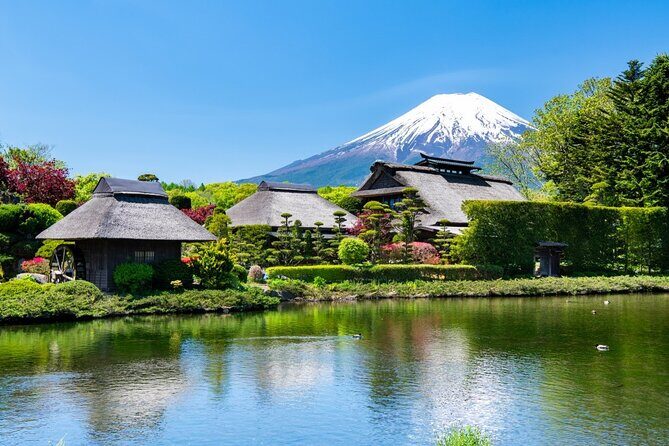
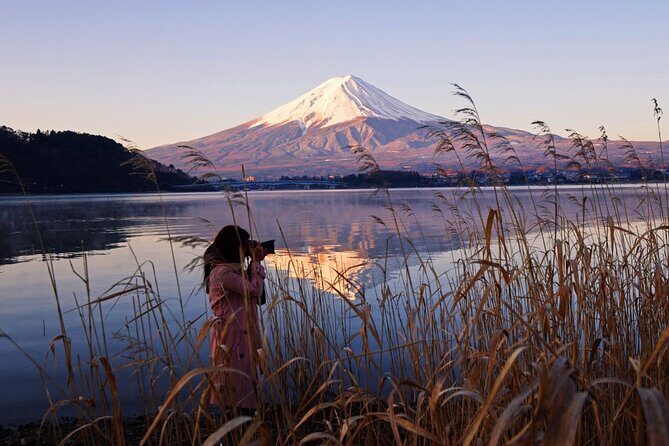
Next up is Oishi Park on the north shore of Lake Kawaguchiko, with about 30 minutes and free entry.
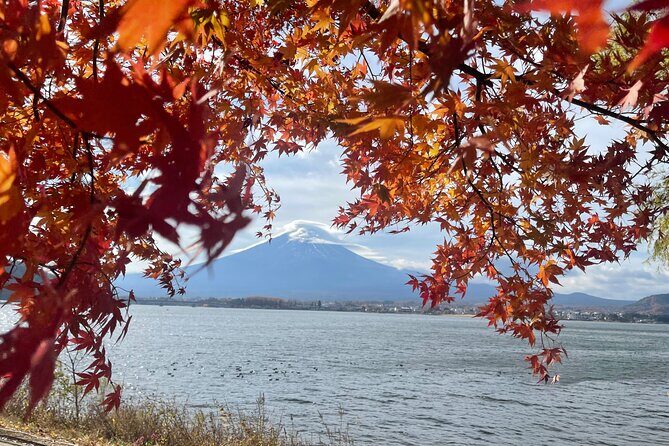
This stop is all about framing. Oishi Park is known for a superb view of the lake and Mount Fuji at the same time. There’s also a promenade along the lakeside where flowers bloom depending on the season, which can add color without you needing to plan around a single festival date.
Why I think this stop is smart:
- It’s a fast hit that doesn’t drain the day.
- It gives you a different “distance” from Fuji compared to higher stations.
- You get a lakeside pause that feels restorative after more structured viewpoints.
Stop 6: Lake Kawaguchiko’s easy, scenic reset
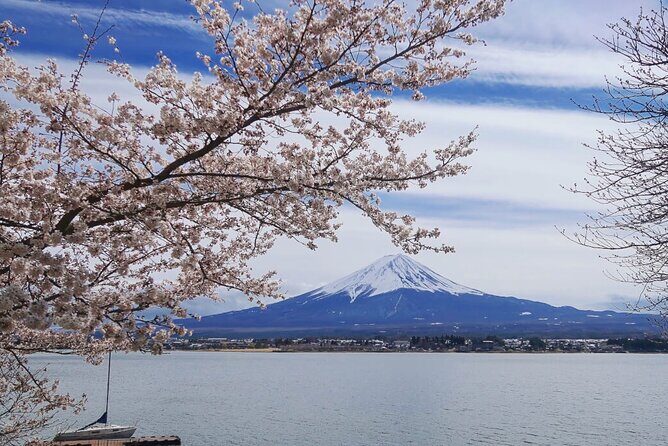
You’ll spend another 30 minutes at Lake Kawaguchiko. Entry is free, and this is one of the main hubs in the Fuji Five Lakes area.
Lake Kawaguchiko has a hot spring resort town vibe, with tourist attractions clustered around the area. The description also points out that the lake region has train and direct bus connections to Tokyo, which helps explain why it’s such a popular base for day trips.
What you can do with this half hour:
- Walk for a few minutes and enjoy the view.
- Quick photo stop.
- Maybe grab a drink or snack if you’re hungry.
The key is to keep it simple. This tour’s value is that you’re hitting multiple Fuji-related viewpoints in one day. Don’t spend your last 30 minutes chasing one more “must-see” shop.
Stop 7: Kitaguchi Hongu Fuji Sengen Jinja Shrine
The final listed stop is Kitaguchi Hongu Fuji Sengen Jinja Shrine, about 30 minutes and free entry.
This shrine is part of the Mt. Fuji UNESCO World Cultural Heritage site. It’s one of roughly 1,300 Asama shrines in Japan that enshrine the deity of volcanoes, including Mount Fuji. That makes the shrine feel more than decorative. It connects Fuji to the way Japanese culture has long viewed volcanic nature and worship.
Why I recommend giving this stop your real attention:
- It gives context after all the scenic looking.
- It helps you understand why Fuji isn’t just a mountain, but a spiritual and cultural symbol.
Even if you’re not a shrine-detail person, it’s worth a quiet walk here. You’ll leave with a better sense of the place, not just the view.
Price and value: what $160 buys for a 9-hour private day
$160 for a private, 9-hour (approx.) Mt Fuji day trip can be a great deal, depending on your group size and what you’re avoiding.
Here’s the value logic I use:
- You’re paying for private transport out of Tokyo.
- You’re getting an English-speaking driver, which can save you time, confusion, and wasted curiosity.
- Fuel and tolls are included, which removes a common budget headache on day trips.
- You also get the convenience of pickup offered and a mobile ticket.
What’s not included:
- Mt Fuji 5th Station admission and Mt Fuji Panoramic Ropeway admission.
- That means your total spend may rise a bit if you choose both optional paid segments.
So is it worth it? For most visitors, yes—especially if you want a smooth day and you’d rather pay once than figure out transport and ticket timing for each leg. If you’re traveling solo or as a small group, compare the cost of two separate train/bus days plus guide help. This private format can still come out sensible.
Who this tour suits best (and who should rethink it)
This is a strong fit if:
- You want a private day without planning every transfer.
- You’d rather spend your energy on photos and understanding the places than on schedules.
- You like a route that balances big views with cultural stops and a short nature detour.
It may not be the best fit if:
- You only want one or two stops and hate the idea of paying for optional add-ons.
- Your group is highly sensitive to weather. The tour requires good weather, so cloudy visibility can reduce the “wow” factor at Fuji viewpoints.
If your top priority is maximum time at the most iconic spot, you might consider choosing your optional stops carefully. Use your driver’s flexibility to focus on the best conditions that day.
The practical way to make the most of Fuji day
A Mt Fuji day is partly planning and partly patience. If you want your best experience, I’d do three things:
- Dress in layers. Weather around the mountain can feel different from central Tokyo.
- Plan for the possibility that you’ll need to adjust your expectations. This route spreads your chances across multiple viewpoints.
- Use the driver’s flexibility. If visibility looks better at one stop than another, go with it.
That flexibility is one of the reasons this tour gets high marks. The day doesn’t feel like a rigid checklist. You can feel the guide watching for good sightlines and keeping the pacing friendly.
Should you book this Mt Fuji private tour?
If you want a stress-light Mt Fuji day with an English-speaking driver and a classic set of viewpoints around Lake Kawaguchiko, I’d book this. The value comes from private transport, helpful communication, and a route that includes both famous viewing spots and cultural context.
I’d hold off only if you’re trying to minimize all extra paid options, or if your schedule leaves you with no backup options for weather. But if your dates are flexible and you’re excited for the classic Fuji hits, this is a solid, straightforward way to see the mountain region without turning your day into a transportation test.
FAQ
How long is the Mt Fuji Private Tour with an English speaking driver?
The tour duration is about 9 hours.
Where does the tour start and end?
It starts at Kaminarimon Gate (2-chōme-3-1, Asakusa, Taito City, Tokyo) and ends back at the same meeting point.
Is this a private tour?
Yes. It’s a private tour/activity, and only your group participates.
Is pickup included?
Pickup is offered.
Is admission to Mt Fuji 5th Station included?
No. Mt Fuji 5th Station admission ticket is not included.
Is admission to the Mt Fuji Panoramic Ropeway included?
No. Ropeway admission ticket is not included.
Are any of the other stops free?
Yes. Arakura Fuji Sengen Shrine, Oshino Hakkai, Oishi Park, Lake Kawaguchiko, and Kitaguchi Hongu Fuji Sengen Jinja Shrine are listed as free.
What happens if the weather is poor?
This experience requires good weather. If it’s canceled due to poor weather, you’ll be offered a different date or a full refund.
What is the cancellation policy?
You can cancel for a full refund up to 24 hours in advance. If you cancel less than 24 hours before the start time, the amount paid will not be refunded.

![[One-day bus tour departing from Kanazawa Station] Shirakawa-go and Gokayama - Two World Heritage Villages Enjoyable Bus Tour - What your $88.44 covers (and what it does not)](https://images.thejapantraveler.com/wp-content/uploads/one-day-bus-tour-departing-from-kanazawa-station-shirakawa-go-and-gokayama-two-world-heritage-villages-enjoyable-bus-tour.jpg)