REVIEW · TOKYO
MT FUJI with Private Tour
Book on Viator →Operated by HAROON TAHIR · Bookable on Viator
Mt. Fuji views, minus the stress. This private day trip is built for people who want Japan’s most famous mountain in one shot, with pickup and drop-off and a tight schedule of top sights. I especially like the mix of big-photo stops (hello Mt. Fuji 5th Station) plus quieter nature breaks like Oshino Hakkai’s spring ponds. One thing to plan for: key places and experiences are not included, so you’ll want to budget for admission where it applies, plus lunch.
The route runs about 10 hours with an air-conditioned van, bottled water, and WiFi onboard. You’ll also be in a small group (maximum 6), so you’re not stuck with the chaos that comes with huge bus tours. Another good sign: the driver Hamza is described as helpful and flexible with changes to your plan requests, which matters more than people think on a long day.
You start at 8:00 am in Tokyo, so this is a real day trip, not a slow stroll. If you’re the type who likes to see a lot but still wants a human pace, this one fits.
In This Review
- Key things to know before you go
- A private Mt. Fuji day trip that keeps the pace human
- Pickup, van comfort, and mobile ticket: the logistics that matter
- Stop 1: Mt. Fuji 5th Station for the classic view
- Oshino Hakkai springs: eight pools fed by snowmelt
- Arakurayama Sengen Park: shrines, pagodas, and a famous deck view
- Lake Yamanaka and the lakeside rhythm of Fuji Five Lakes
- Yamanakako Hananomiyako Flower Park: seasonal color near the water
- Narusawa Ice Cave: a cool walk inside volcanic history
- Optional Oishi Park and Gotemba Outlets: pick your own mood
- Price and what you actually get for about $654.01
- Best for: who should book this Mt. Fuji private tour?
- Should you book this private Mt. Fuji day trip?
- FAQ
- How long is the Mt. Fuji with Private Tour from Tokyo?
- What time does the tour start?
- How many people are in the group?
- Is pickup offered?
- Is a mobile ticket provided?
- What stops are included in the main itinerary?
- Are there optional stops?
- What is included in the price?
- What is not included?
- Is there free cancellation?
- Is the tour suitable for most travelers?
Key things to know before you go
- A true private format for up to 4: price is per group (up to 4), with a maximum group size of 6 on the activity overall.
- Fuji 5th Station is the centerpiece: you get a full hour at the classic high-view stop (admission not included).
- Oshino Hakkai is free and easy: eight spring ponds, formed by Fuji’s snowmelt, with a laid-back one-hour stroll.
- You’re ticking off Fuji Five Lakes area highlights: Yamanaka and seasonal flower scenery near the lake.
- Narusawa Ice Cave is a fast, cool walk-through: created from volcanic lava activity, with temperatures dropping as you enter.
- Two optional add-ons: a lakeside park for views or a shopping break at Gotemba Premium Outlets.
A private Mt. Fuji day trip that keeps the pace human
Most Tokyo-to-Fuji trips either feel rushed or feel too loose. This one aims for the middle: you spend about an hour at most main stops, with a shorter 50-minute visit for Narusawa Ice Cave. The timing matters because it lets you enjoy each place instead of just passing through for photos.
I like that it’s structured around different “faces” of Mt. Fuji. You get the iconic high lookout at Fuji 5th Station, then you switch to the spring-water world of Oshino Hakkai, and later you spend time on and around Lake Yamanaka. That variety helps the day feel more like an experience than a checklist.
Because it’s private pickup and drop-off, you don’t waste energy figuring out rail connections or walking between stations. You also get the comfort basics that make long days tolerable: air-conditioned transport and bottled water. Add WiFi onboard and you’ve got a better chance of keeping your plans smooth even when phone reception is unreliable on the move.
The main “watch-out” isn’t the schedule—it’s the add-on costs. Some of the most important stops have admissions that are not included, and lunch isn’t provided. If you’re traveling with picky eaters or you want a guaranteed sit-down meal, you’ll need to plan around that.
You can also read our reviews of more private tours in Tokyo


Pickup, van comfort, and mobile ticket: the logistics that matter
Start time is 8:00 am in Tokyo, with the day ending back at the original meeting point. That round-trip structure is practical: you’re not stuck searching for the same guide again or figuring out return transport at the end of a long day.
The operator provides a mobile ticket, which is a real convenience. It helps reduce paperwork and keeps everything in your phone. You also get onboard WiFi and bottled water, so you’re not paying for basic necessities just to get through the morning.
The van is air-conditioned, which is useful year-round. Japan’s summer heat can be intense, and even outside of peak season, you’ll feel the difference when you’re bouncing between stops. Comfort matters more when you’re doing 7–8 locations in a single day.
One more practical detail: service animals are allowed, and the tour says most travelers can participate. That doesn’t mean it’s effortless for everyone, but it does suggest a typical sightseeing pace rather than something extreme.
Stop 1: Mt. Fuji 5th Station for the classic view
You kick off at Mt. Fuji 5th Station, with about an hour here. This is the moment most people are chasing: the higher vantage point and that postcard idea of Mt. Fuji filling your field of view.
What I like about starting with 5th Station is timing. Early in the day usually gives you the best odds for clear views compared with late afternoons. You also get this major stop while you still have energy, so you’re more likely to linger for photos instead of rushing because you’re tired.
The drawback: admission is not included. Plan to pay separately, and if you’re visiting during a period when access or facilities are limited, you may need to stay flexible. Bring layers too. Even on mild days, higher viewpoints can feel cooler than Tokyo.
If you want the best experience from this stop, don’t treat it like a single photo spot. Take a few minutes to look around before you shoot. The views from different angles can change a lot, and you’ll get more variety without speeding through.
Oshino Hakkai springs: eight pools fed by snowmelt
Next up is Oshino Hakkai, and this one is a joy because it’s free. You’ll spend about an hour here, walking around a collection of eight springs formed by snow water from Mount Fuji flowing underground.
The key detail is the origin story. These springs exist because water travels through the ground, then emerges in these pond-like basins. The result is a calm, scenic contrast to the earlier high-view stop. Instead of chasing altitude, you’re here to enjoy the water-and-walk feeling.
Because the admission is free, it also lowers your day’s budget pressure. You can spend your money on the stops that matter most to you, and still keep this one as a highlight.
The only “consideration” is basic pacing. It’s a one-hour visit, so you’ll want to decide what you care about most—short photo breaks, a deeper stroll, or just a quick look and move on. If you’re the type who can’t stop photographing still water and reflections, you’ll probably use most of that hour.
Arakurayama Sengen Park: shrines, pagodas, and a famous deck view
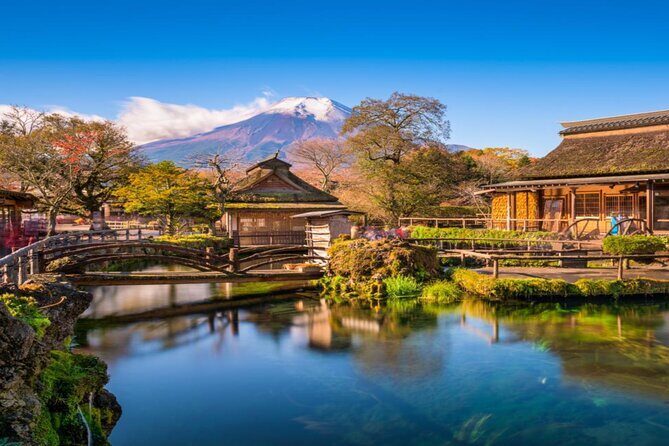
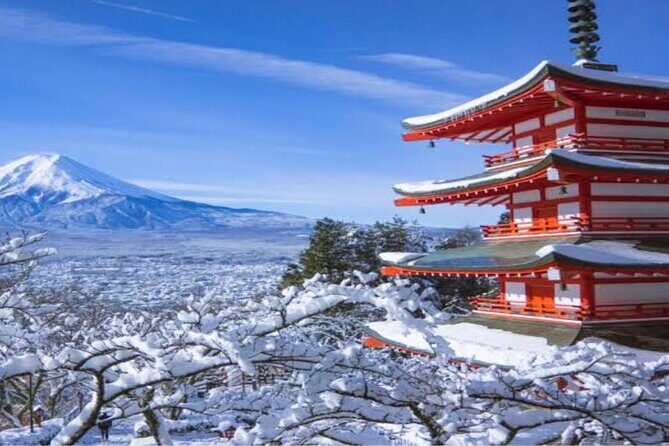
Then you head to Arakurayama Sengen Park for about an hour. This park is known for shrines and pagodas, and the big draw is an observation deck that people associate with classic Fuji-themed postcards.
I like this stop because it feels like Japan, not just geography. You’re not only looking at Mt. Fuji—you’re looking at the way people built religious and sightseeing spaces around it. That’s what makes the view more than a background.
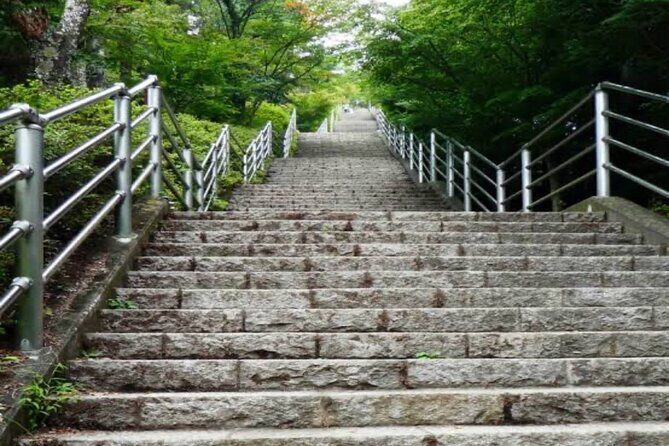
Admission is listed as not included, so again, keep that in mind. Also, this kind of park often means walking on paths with stairs. The tour says most travelers can participate, but if you have mobility issues, it’s worth going in knowing that this stop likely involves some uphill movement.
How to make it worth your time: give yourself a few minutes to find the best viewing angle, then sit or stand for a bit before you rush. Clouds can drift, and lighting can shift fast. If you’re trying to match the exact postcard framing, patience pays.






Lake Yamanaka and the lakeside rhythm of Fuji Five Lakes
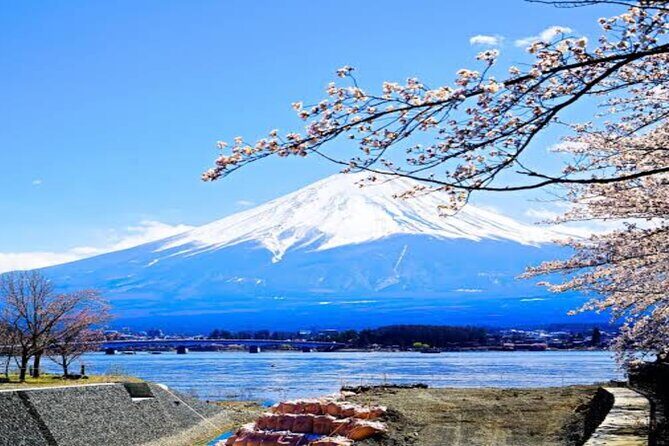
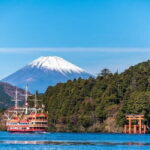
After the park stop, you move to Lake Yamanaka for about an hour. This lake is part of the Fuji Five Lakes area, and it’s noted as the largest by surface area and the highest in elevation among the group.
Even without getting overly technical, those facts help explain the vibe. A bigger lake tends to open up the view, and higher elevation can change how the air feels. Either way, this is a classic “catch your breath” stop on a jam-packed day.
Lake Yamanaka itself is free for admission, which again helps your budget. You’re not paying to see the main sight, and that makes it easier to spend more time just looking rather than ticking a ticket checkpoint.
One practical angle: since you’re moving through multiple areas, you’ll want to watch your time. If you linger too long here, you may feel rushed at the next stop. Use this hour to reset—walk a bit, take photos, and grab a snack if you need one, since lunch isn’t included.
Yamanakako Hananomiyako Flower Park: seasonal color near the water
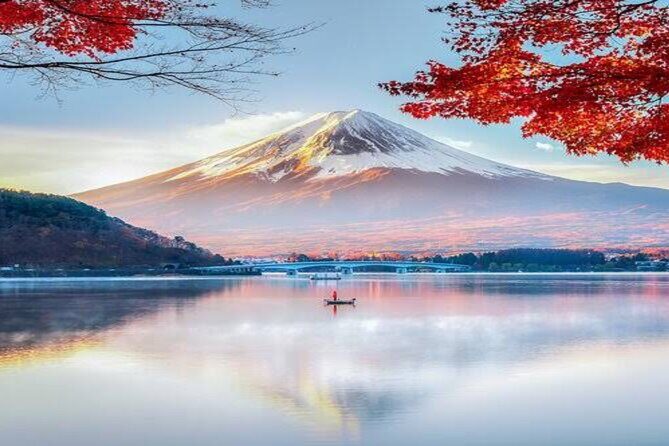
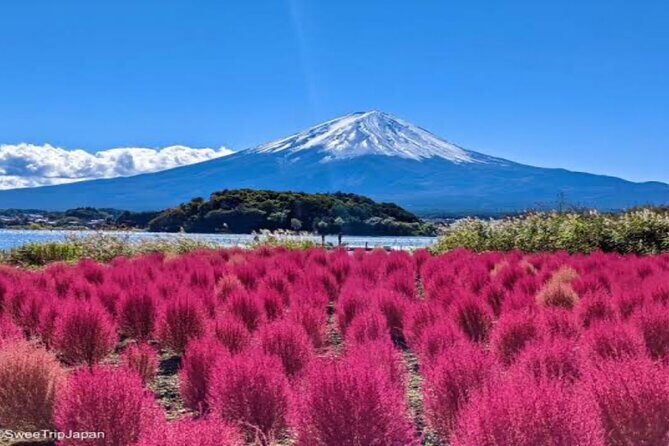
Your next stop is Yamanakako Hananomiyako Park (Flower Park), also around one hour. This place focuses on seasonal flowers along the bank of Lake Yamanakako, and the goal is dramatic color with Mt. Fuji in the background when conditions line up.
I like flower parks because they shift the experience from architecture and geology into something lighter and more playful. If the weather cooperates, you’ll get that “Fuji plus color” look that makes people stop and smile without needing to know anything about the flowers.
Admission here is not included, so you’ll want to factor that into your day budget. Also, because it’s seasonal, you might see more or fewer blooms depending on when you go. If you’re traveling in a shoulder season, you can still enjoy the lake setting and pathways, but don’t expect the exact same level of flower density as peak bloom times.
To get value from your hour, don’t just shoot from one angle. Walk a little. The relationship between lake edge, flower beds, and Fuji framing can change quickly as you move.
Narusawa Ice Cave: a cool walk inside volcanic history
Next is Narusawa Ice Cave, with about 50 minutes. This is one of the stops where the story behind the place makes the experience more interesting.
The cave formed after Mt. Nagao erupted in 864. Lava hollowed out an underground cave, and temperatures drop steadily as you move through. Translation: you’re not just looking at something frozen-looking. You’re walking through a volcanic formation that holds cold.
I love this stop for a simple reason—you get a sensory change. You’ll feel the temperature shift, and that makes the visit stand out from all the open-air viewing stops. Even if the sky isn’t perfect, you still get something real to experience.
Admission is not included, so again, budget for it. Also, bring a small layer or jacket if you run warm. Caves can feel much cooler than you expect.
Because the visit is under an hour, don’t overplan. This is the kind of stop that rewards being present, not reading every sign like a textbook.
Optional Oishi Park and Gotemba Outlets: pick your own mood
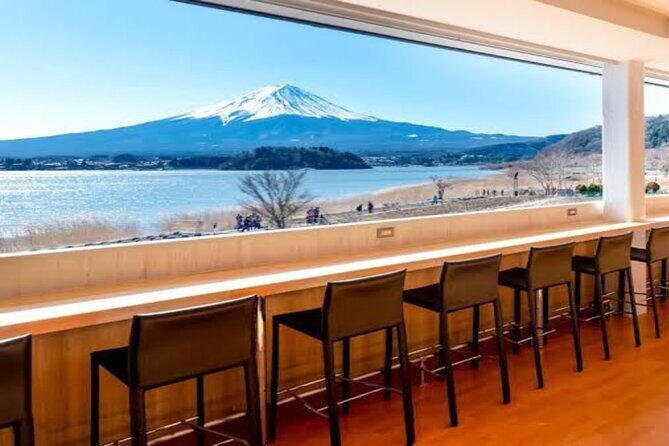
Two stops are optional, which is smart because not everyone wants the same kind of day.
Oishi Park (about 30 minutes, free admission) is known for panoramic views with lavender fields by Lake Kawaguchi and Mt. Fuji. If you want a softer, more relaxed scenery break, this is the one that matches that mood. Like the flower park, it may vary with seasonal conditions, but the viewpoint concept is the point.
Gotemba Premium Outlets is also optional (about 30 minutes, free admission). If you want a quick shopping break or you need to buy essentials you forgot, this can help. It’s a change of pace from nature stops, and sometimes that’s exactly what a long Fuji day needs.
My practical advice: choose based on what you skipped earlier. If your day already has plenty of flower-and-lake time, you might prefer the outlet stop. If you’re light on scenic viewpoints so far, Oishi Park is a good fit.
Price and what you actually get for about $654.01
The price is $654.01 per group, for up to 4 people. On paper, it can sound pricey if you’re comparing to a shared bus ticket. In practice, it’s value-based.
Here’s why it can make sense:
- You’re paying for pickup and drop-off rather than managing transport on your own.
- You get an air-conditioned van, bottled water, and WiFi onboard.
- The day includes multiple major Mt. Fuji area sights, not just one or two.
- Group size is capped (maximum 6 on the activity), so you’re not squeezed into a massive crowd.
Where you can lose value: when admissions and meals add up. The tour does not provide lunch, and several key stops list admission as not included. Your total cost will depend on what you choose at those locations and whether you add either optional stop.
So I recommend doing a quick mental math:
- If you’re traveling as a couple or small family and can fill up to 4 spots, the per-person cost drops fast.
- If you’re solo, compare the cost against your expected savings from DIY transit plus paid tickets. Sometimes the time saved is worth it.
Also, the tour operator advertises a lowest price guarantee, which is a nice extra if you’re comparing options. Still, always check what’s included versus not included so there are no surprises.
Best for: who should book this Mt. Fuji private tour?
This tour is a great fit if you:
- Want a structured one-day Fuji plan without figuring out transport between far-flung stops.
- Care about seeing multiple top Fuji area highlights, not just one viewpoint.
- Prefer small-group comfort (maximum 6) and the convenience of pickup/drop-off.
- Like flexibility and appreciate that the driver Hamza is described as helpful with plan changes.
It’s also a good match for visitors who want a balance of iconic sights and more natural, calmer spots—high viewpoint, springs, lakes, and the cool interior stop at Narusawa Ice Cave.
Who might want a different style of tour:
- If you’re only interested in one single Mt. Fuji view, this can feel like a lot of driving and many stops.
- If you dislike paying separate admissions at key stops, you’ll need to prepare for extra costs across the day.
- If you need lots of downtime between sights, you may find the pacing brisk.
Should you book this private Mt. Fuji day trip?
I think this is a smart booking if you want maximum Fuji value with minimum logistics stress. The structure hits the right mix: Fuji 5th Station for the iconic view, Oshino Hakkai for a calm spring-water walk, and lakeside stops that keep the scenery varied. Narusawa Ice Cave is the wildcard that turns a long sightseeing day into something you can feel and remember.
If you can travel with up to 4 people in your group, the pricing starts to feel especially fair for a true private-format experience with pickup and the comfort basics taken care of. Just go in with two clear expectations: lunch and some admissions are on you, and it’s a full day starting at 8:00 am.
FAQ
How long is the Mt. Fuji with Private Tour from Tokyo?
It’s about 10 hours.
What time does the tour start?
The start time is 8:00 am.
How many people are in the group?
The activity has a maximum of 6 travelers.
Is pickup offered?
Yes, pickup is offered from your accommodation.
Is a mobile ticket provided?
Yes, the tour includes a mobile ticket.
What stops are included in the main itinerary?
The main itinerary includes Mt. Fuji 5th Station, Oshino Hakkai, Arakurayama Sengen Park, Lake Yamanaka, Yamanakako Hananomiyako Park, and Narusawa Ice Cave.
Are there optional stops?
Yes. Oishi Park and Gotemba Premium Outlets are optional.
What is included in the price?
Included items are bottled water, an air-conditioned vehicle, and WiFi on board.
What is not included?
Lunch, juice coffee (as listed), tickets for cruise on Lake Kawaguchiko and Kuchi Kuchi Ropeway, and the Mt. Fuji admission ticket are listed as not included (along with various stop admissions marked not included).
Is there free cancellation?
Yes. You can cancel up to 24 hours in advance for a full refund.
Is the tour suitable for most travelers?
The tour says most travelers can participate, and service animals are allowed.