REVIEW · NARA
Nara City Tour | Explore Temples, Park & Local Highlights
Book on GetYourGuide →Operated by Osaka JOINER · Bookable on GetYourGuide
Ten minutes in Nara Park changes your pace. This small-group tour blends deer encounters, big temples, and easy local walking into one smooth day trip from Osaka, with an English host to keep it moving. I especially like the chance to see Nara’s famous deer up close and the guided focus at Tōdai-ji, where you know what you’re looking at.
You’ll also get a solid break for snacks and browsing around Nakatanidō, not just temple-to-temple rushing. One thing to plan for: the route adds up to almost 10 km on foot, so comfy shoes and stamina matter (especially if you want to linger).
In This Review
- Key highlights at a glance
- Why Nara Feels Different: Park, Temples, and Deer in One Loop
- From Osaka JOINER to Nara Park: Timing, Train Time, and Walking Reality
- Feeding the Deer at Nara Park: Photos, Etiquette, and a Calmer Day in Rain
- Tōdai-ji Main Visit: How to Make the Most of 40 Minutes
- Nakatanidō Break and Shopping: A Real Chance to Snack and Browse
- Todai-ji Nigatsudō (February Hall): The Second Temple Moment That’s Worth It
- Rain, Crowds, and Your Comfort: How This 5-Hour Day Actually Feels
- Price and Value: Is $83 for a 5-Hour Nara Tour Worth It?
- Who This Nara Tour Fits Best (and Who Should Skip It)
- My Take: Should You Book This Nara City Tour?
- FAQ
- How long is the Nara City Tour?
- What is included in the tour price?
- Are meals included?
- Where is the meeting point in Osaka?
- How big is the group?
- What language is the guide?
- Is transportation included?
- Does the tour run in the rain?
- What should I bring?
- Is deer feeding part of the experience?
- Is smoking allowed during the tour?
- Can I cancel for a refund?
- Is it suitable for wheelchair users or people with mobility impairments?
Key highlights at a glance
- Deer feeding with clear guide guidance so you can enjoy the moment and stay respectful
- Nara Park time for photos, ponds/gardens atmosphere, and a calmer feel in light rain
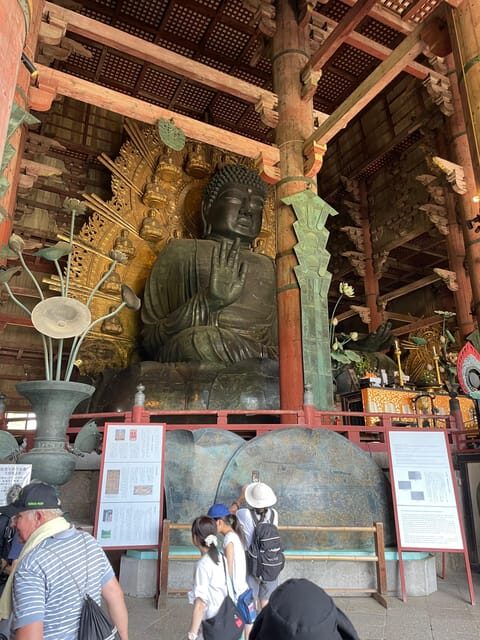
- Tōdai-ji main complex visit with the Great Hall experience built into the flow
- Nakatanidō shopping break for souvenirs, snacks, and local shopping streets
- Todai-ji Nigatsudō (February Hall) as a focused second temple highlight
- English-speaking host in a max 8-person group, ideal for questions without feeling rushed
Why Nara Feels Different: Park, Temples, and Deer in One Loop
Nara is the kind of place where nature and culture don’t feel like separate activities. You’re not just “seeing” temples—you’re walking through a park atmosphere where deer roam freely and the air feels slower than city Japan.
I like that this tour keeps your brain from overheating. You’re handed a route that strings together the biggest sights—Nara Park, Tōdai-ji, and Todai-ji Nigatsudō—while also leaving time for the small stuff that makes Nara memorable: calm pathways, garden views, and the instant photo moment when a deer decides you’re part of the scene.
If you’re coming from Osaka, this also helps you get your bearings fast. The day is structured around an easy train connection and a walking loop that doesn’t pretend you won’t get tired. That means you can focus on enjoying, not navigating.
You can also read our reviews of more city tours in Nara
From Osaka JOINER to Nara Park: Timing, Train Time, and Walking Reality
The experience starts in Osaka, then you take a train ride of about 50 minutes toward Nara. That matters because it makes the trip feel like a true day flow rather than a half-day sprint. On the return, you’ll get another 50-minute train ride back the same way, so the schedule stays predictable.
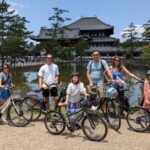
Then comes the walking. The itinerary may look light on paper, but in practice it totals almost 10 km. That’s not just “a stroll”—it’s enough walking that the small details matter:
- Comfortable shoes are non-negotiable.
- Wear comfortable clothes that you can move in for several hours.
- If rain is in the forecast, pack a raincoat or umbrella, since the tour runs in wet weather.
The walking segments between sites are part of the charm. You get that “Nara connection”—temple views mixed with park atmosphere—without having to plan every turn yourself.
Feeding the Deer at Nara Park: Photos, Etiquette, and a Calmer Day in Rain
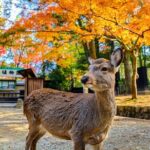
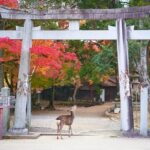
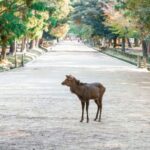
Nara Park is where the tour earns its nickname: the deer are not a side attraction. They’re the main character.
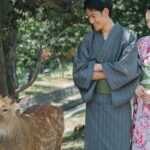
You’ll spend about 30 minutes at Nara Park for sightseeing, and you’ll also have time to feed the deer as part of the guided experience. The big advantage here is not the feeding itself—it’s the guidance. The tour sets expectations for how to act around the deer and keeps you from doing the unsafe or disruptive stuff that can ruin the experience for everyone.
Practical tips that make this moment better:
- Keep your attention on the guide’s instructions, not the camera screen.
- Be respectful and patient. Deer can be curious and also unpredictable.
- Have your camera ready, but don’t chase the deer or crowd them for photos.
One neat thing from how the day can feel: when it’s wet, there are usually fewer people around. That can mean less jostling, easier conversations with your guide, and more breathing room near the deer. Even if you don’t love rain, wet weather can turn a famous sight into a quieter, more personal one.
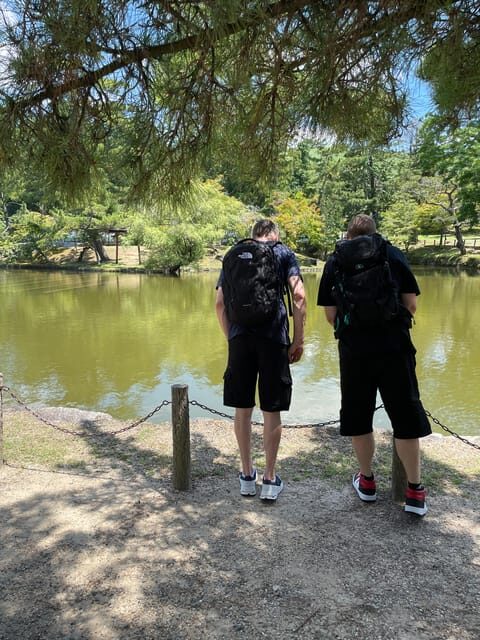
If you travel between late October and mid-November, the autumn leaves can add a strong seasonal wow factor to the park atmosphere. Even without the leaves, the ponds and garden-style scenery give you that “slow down” feeling Nara is known for.
Tōdai-ji Main Visit: How to Make the Most of 40 Minutes
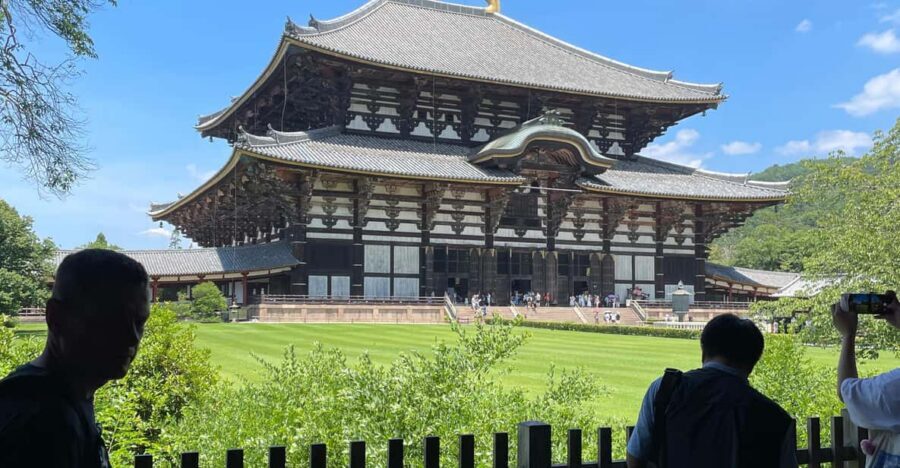
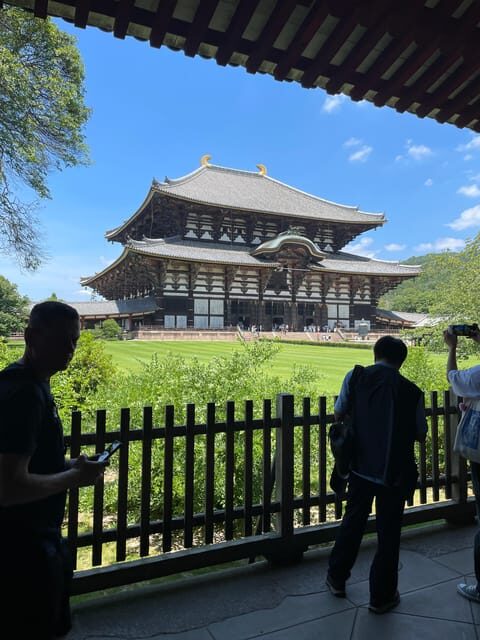
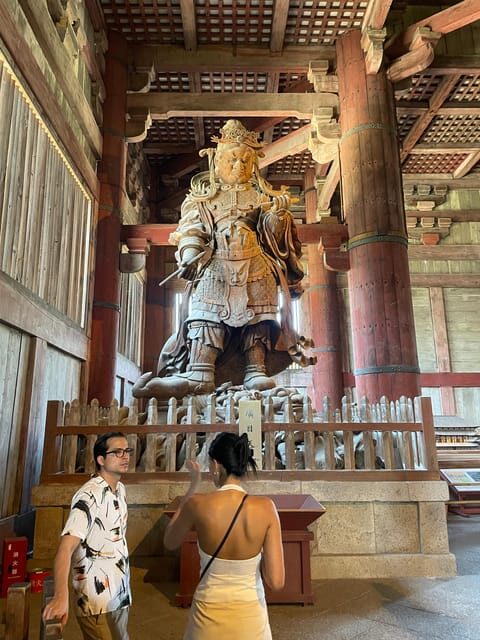
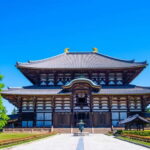
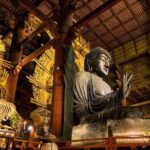
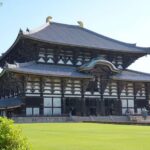
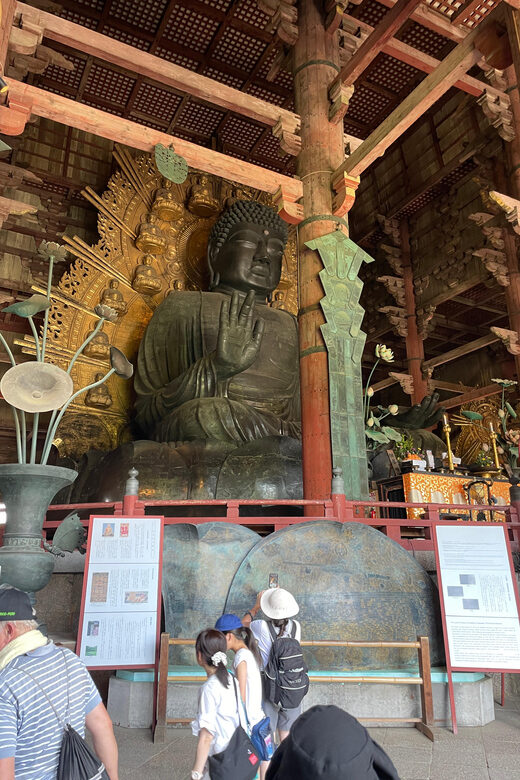
Tōdai-ji is the headline for most first-time Nara visits, and this tour treats it like the centerpiece it is. You’ll get about 40 minutes there, plus short walking transitions afterward to keep the day moving.
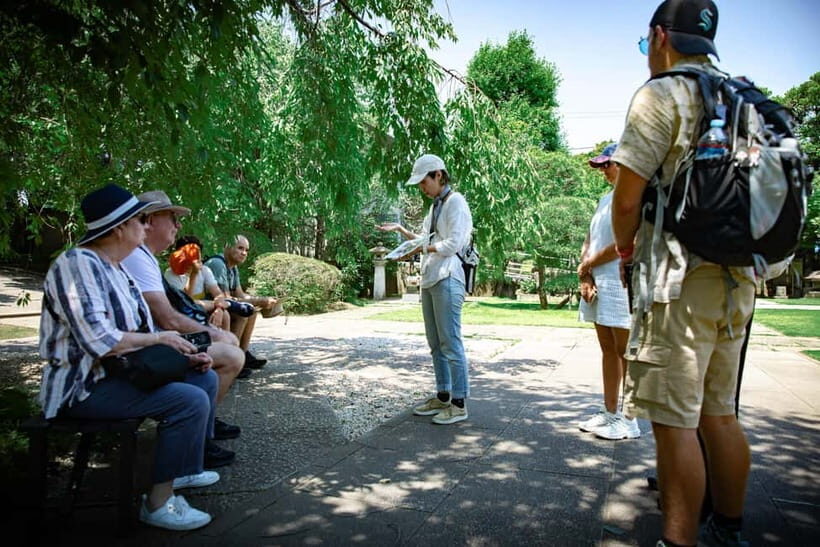
What makes a guided stop worthwhile at a complex like this is focus. With temples spread across multiple areas, it’s easy to wander and miss the key sights—or spend too long trying to figure out what matters. A good English-speaking guide helps you prioritize: where to look, what the building layout means, and what details are worth noticing.
During this visit, I’d treat your time like a “two-pass” mindset even if you don’t literally do it twice:
- First pass: orient yourself quickly and take in the main impression.
- Second pass: slow down for a few specific areas your guide points out.
You won’t have hours here. That’s the tradeoff of a tight, 5-hour tour. But with the time you do get, you can still leave with real understanding instead of just a photo dump.
Also, expect the environment to be active around the complex. Plan to move steadily, keep your spot when you stop, and use your camera in bursts rather than long sessions that disrupt the group’s flow.
Nakatanidō Break and Shopping: A Real Chance to Snack and Browse
Between the temple highlights, you’ll get a break at Nakatanidō. It’s about 30 minutes of break time plus free time/shopping.
This portion is useful because it prevents the day from feeling like a nonstop worship marathon. You can grab something to eat (meals aren’t included) and browse for small souvenirs, local crafts, and snackable treats. You’ll want cash, since it’s specifically recommended, and you may find smaller shops where cash is easier.
What I like about building a shopping stop into the route: it gives you a chance to take home a piece of Nara that’s not just a temple postcard. It also helps you avoid the “temple burnout” effect, where after a couple of stops you stop caring whether the snack looks good or not.
If you want a practical strategy for shopping here, keep it simple:
- Decide what you’d actually carry home without stress.
- Use the 30 minutes to pick, pay, and regroup.
- Don’t let one store turn into an hour-long detour—your schedule is tight for a reason.
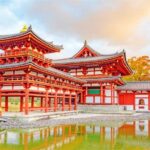

Todai-ji Nigatsudō (February Hall): The Second Temple Moment That’s Worth It
After Nakatanidō, the tour leads you back toward the temple complex for Todai-ji Nigatsudō (February Hall). You’ll spend about 30 minutes here.
Why this stop matters: the first big impression at a major temple can blur together fast. Having a second focused visit helps you separate the experience into parts. It turns Tōdai-ji from one big photo into a more layered visit—like seeing different chapters of the same story.
If you’re the type who likes details, this is where to bring your “watch closely” mode back. Look for structural differences, where the buildings sit relative to the complex, and how the space feels. Even if you’re not a temple expert, a guided stop helps you notice what a quick self-guided pass might miss.
Also, remember the day includes walking breaks between areas. Treat this as part of the flow, not as a separate “tour inside the tour.” Your time will feel smoother if you stay aware of where the group is heading next.
Rain, Crowds, and Your Comfort: How This 5-Hour Day Actually Feels
This tour proceeds in rainy weather. That’s a big deal in Japan, because weather changes fast. The good news is that wet conditions can sometimes make a famous place feel less crowded, which can improve the experience if you like quiet photos and easy conversations.
Still, rain affects everything:
- Wet floors and crowds can make movement slower.
- Temples and park paths may feel slick.
- Your camera gear needs quick protection.
So come prepared. Bring a raincoat or umbrella, and keep your bags secured and hands free when walking. Since you’ll cover nearly 10 km, comfort is your biggest “quality of life” factor.
Also consider the small group size—up to 8 participants. In light rain or off-peak moments, that can feel extra relaxed. In crowded conditions, it helps you keep your place and ask questions without getting lost in a larger swarm.
Price and Value: Is $83 for a 5-Hour Nara Tour Worth It?
At $83 per person for 5 hours, this is priced like a focused half-day tour rather than a long full-day deep dive. The value comes from what’s included:
- 5-hour guided tour
- Guide fee
- Walking tour
Not included are the costs that add up on your own: meals and beverages, plus transportation fees. Train rides are part of the day plan, but the tour price itself doesn’t cover meals, and personal spending is on you.
Where the money tends to pay off is coordination and interpretation. A good guide helps you:
- keep the route efficient,
- reduce wasted time figuring things out,
- and make temple stops land better than random browsing.
Small group size matters here too. With fewer people, you get more realistic chances to ask questions and adjust your pace slightly during walking transitions.
A balanced take: if you’re craving heavy narrative at each stop, you might find the format more “route plus helpful explanations” than “constant in-depth lectures.” One person specifically noted wanting more insight during the sight time. If that’s your style, plan to ask questions early and often.
Who This Nara Tour Fits Best (and Who Should Skip It)
This tour is a strong match if you want a structured Nara day without spending your energy on logistics. It’s especially good for:
- first-time visitors to Nara who want the big highlights,
- people who like walking with a purpose,
- anyone who wants deer photos plus temple time,
- travelers who prefer a small group and an English-speaking guide.
It’s not suitable for:
- people with mobility impairments,
- wheelchair users,
- people with animal allergies,
- people with recent surgeries,
- people over 95 years.
The deer interaction and the nearly 10 km walking are the two practical reasons behind that. Even if you love Nara, your comfort and safety come first.
My Take: Should You Book This Nara City Tour?
If you want the best version of Nara in one guided loop—deer feeding, Nara Park atmosphere, Tōdai-ji, and Nigatsudō—then yes, I think you’ll like this tour. The schedule is tight but not frantic, and the small group size keeps it from feeling chaotic.
Book it if:
- you can handle almost 10 km of walking,
- you want an English host to help you get more meaning from the temples,
- you appreciate a practical itinerary that balances big sights with a shopping/snack break.
Skip it if:
- you need step-free access or low-impact movement,
- deer are a problem for you,
- or you’re the kind of visitor who needs constant deep storytelling to stay engaged.
FAQ
How long is the Nara City Tour?
The tour lasts about 5 hours.
What is included in the tour price?
You get a 5-hour guided walking tour and the guide fee. Meals and beverages are not included.
Are meals included?
No. You’ll need to purchase meals and drinks on your own during the day.
Where is the meeting point in Osaka?
Meet in the underground area called Namba Walk, nearest exit B23 (not the subway area). The store is between Mizuno Shop and Docomo Shop.
How big is the group?
It’s a small group limited to 8 participants.
What language is the guide?
The host or greeter is English.
Is transportation included?
Transportation fee is not included in the tour price.
Does the tour run in the rain?
Yes. The tour proceeds even in rainy weather, so bring a raincoat or an umbrella.
What should I bring?
Bring comfortable shoes and comfortable clothes, plus cash and a camera if you want photos of the deer and temples.
Is deer feeding part of the experience?
Yes, you’ll have time to feed the friendly deer in Nara Park as part of the guided tour.
Is smoking allowed during the tour?
No, smoking is not allowed.
Can I cancel for a refund?
You can cancel up to 24 hours in advance for a full refund.
Is it suitable for wheelchair users or people with mobility impairments?
No. It’s not suitable for people with mobility impairments or wheelchair users.