REVIEW · TOKYO
Private Custom Tour in Tokyo with a Bilingual Japanese Guide
Book on Viator →Operated by Tours With Nobu · Bookable on Viator
Tokyo clicks faster with the right guide. I like how this private experience pairs a custom itinerary with a bilingual guide who can explain Tokyo’s everyday culture, not just point at landmarks.
This is also a practical way to see more without turning your day into a transit math problem. The main consideration: it’s still a walking tour, so plan for steady time on your feet and possible extra budgeting for taxis, train rides, entrances, and food.
In This Review
- Key things that make this Tokyo tour feel personal
- How a private, custom walking tour works in Tokyo
- Meiji Shrine and Takeshita Street: peace first, then playful Tokyo
- Shibuya Scramble and Hachiko: the world’s most famous crossing, explained
- Asakusa’s Senso-ji and Nakamise: old Tokyo with a shopping street attitude
- Tsukiji market-style eating: fast, practical, and very Tokyo
- Ginza and modern Tokyo shopping: luxury, design, and gift shopping
- Shinjuku icons plus a free observation deck
- Shimokitazawa: vintage shopping and a creative neighborhood mood
- Imperial Palace: the Edo Castle site and Japan’s modern center
- Price and value: is $112.75 per person worth it?
- Getting around, keeping the day comfortable, and handling weather
- Who this tour suits best (and who might prefer something else)
- Should you book Private Custom Tour in Tokyo with a Bilingual Japanese Guide?
- FAQ
- How long is the Tokyo private custom tour?
- Is this tour private or shared with other people?
- Do you offer hotel pickup in Tokyo?
- Is the guide bilingual?
- Can the itinerary be customized?
- Are train or taxi fares included?
- Are attraction entrance fees included?
- Are food and drinks included?
- What if the weather is bad?
Key things that make this Tokyo tour feel personal
- A pre-tour questionnaire shapes your day before you even step outside.
- Hotel pickup in central Tokyo (on foot) means less scramble at the start.
- A fully bilingual Japanese guide keeps meaning, not just directions, front and center.
- Route flexibility helps you adjust if crowds, weather, or your energy levels don’t cooperate.
- Public transport tips make future rides easier, even after the tour ends.
- Nobu’s style (from what you’ll hear about him) focuses on making the day flow and reducing stress with smart navigation.
How a private, custom walking tour works in Tokyo
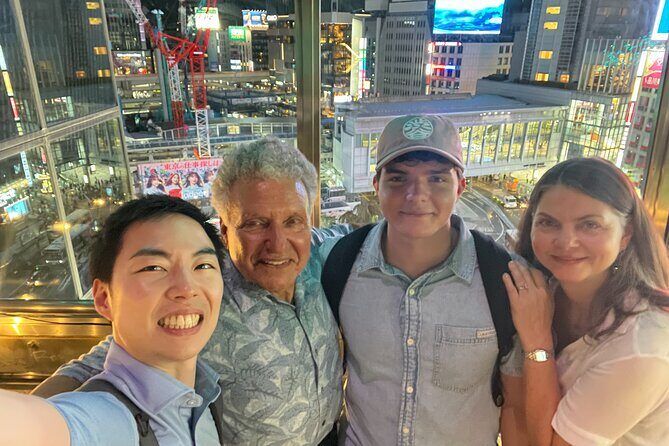
This tour is built for one group only. That matters in Tokyo, where a two-minute delay can turn into a 30-minute detour once crowds and train connections get involved. With a private setup, you can ask questions in real time and adjust the route without everyone else paying the price.
You’ll start with hotel pickup in central Tokyo, on foot, where you meet at your hotel lobby. From there, the tour runs about 3 to 8 hours, depending on what you choose and how you pace the day. It’s also designed to be flexible. If you get tired or want to shift priorities, the guide can change the plan, and taxis can be used if needed (though taxi fares are not included).
You’re also given a pre-tour questionnaire. This is where the tour stops being a generic sightseeing loop and turns into a day that matches your interests—classic Tokyo icons, quieter neighborhoods, food stops, or a mix.
You can also read our reviews of more guided tours in Tokyo

Meiji Shrine and Takeshita Street: peace first, then playful Tokyo
Meiji Shrine is a great opener because it resets your brain. You walk into a forested setting that feels removed from traffic and schedules. The guide can talk about what you’re seeing and why the shrine matters in modern life, which helps the place land beyond photos.
After that calm, you head to Takeshita Street, where the mood changes fast. This area is known for colorful street style and fun food stops, and it’s the kind of place that works better when you have someone who can guide your timing and expectations. You’ll get a sense of Tokyo’s youth culture and the small rituals of browsing and snacking.
One practical consideration: Takeshita Street can be crowded. The private format helps because your guide can steer you through without you constantly checking maps or getting stuck in the same bottleneck as everyone else.
Shibuya Scramble and Hachiko: the world’s most famous crossing, explained
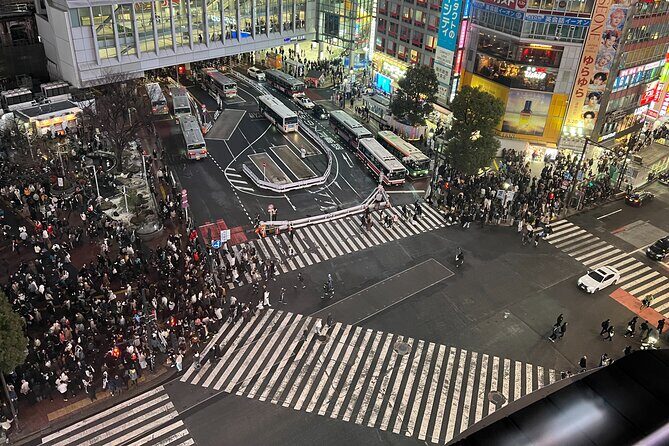
Shibuya is Tokyo’s headline district, and the Shibuya Scramble is the reason. You’ll see the iconic crossing and get oriented in an area where everyone moves at once. With a bilingual guide, it’s easier to understand what you’re looking at and how people handle the flow.
Nearby, you’ll also visit the famous Hachiko statue. That stop is more than a photo moment; it connects you to a more emotional side of Tokyo—how everyday places carry stories and reputation over time.
Then it’s off into the surrounding streets for shops and restaurants. This is a smart use of time because you’re not just standing at landmarks. You’re learning how Tokyo looks when it’s lived in: signage styles, storefront rhythm, and the pattern of walking lanes and side streets.
If you’re planning to use your own transit after the tour, Shibuya is a useful place to “learn by watching.” The route and timing you get here can help you repeat the experience later without stress.
Asakusa’s Senso-ji and Nakamise: old Tokyo with a shopping street attitude
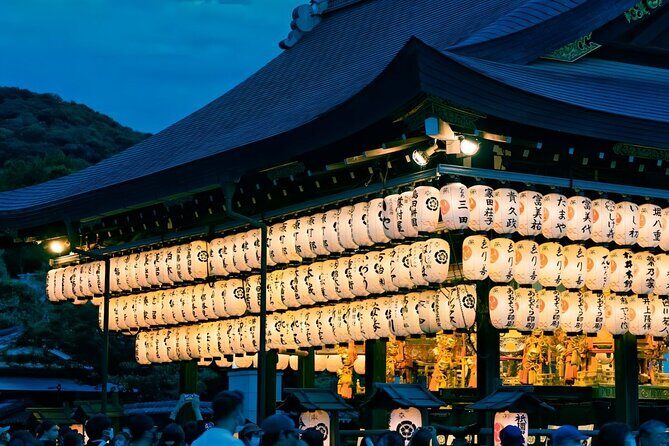
Asakusa is where many people feel Tokyo’s traditions most clearly, and Senso-ji is the anchor. You’ll be able to experience local customs and traditions practiced around the temple. With a guide, you’re less likely to miss what’s going on or misunderstand what you see.
Nakamise Shopping Street adds the “Tokyo flavor.” It’s a lively walkway packed with snacks and small souvenirs, so it’s a natural place to slow down and browse. Because the tour is private, you can choose how much time you want here. If you like tasting your way through a neighborhood, you can lean into it. If you prefer photos and atmosphere over shopping, you can keep it lighter.
Possible drawback: this area can also draw big crowds. The guide’s job is not just to show you where to go, but to help you keep the day comfortable so you’re not stuck behind the biggest wave for every stop.
Tsukiji market-style eating: fast, practical, and very Tokyo
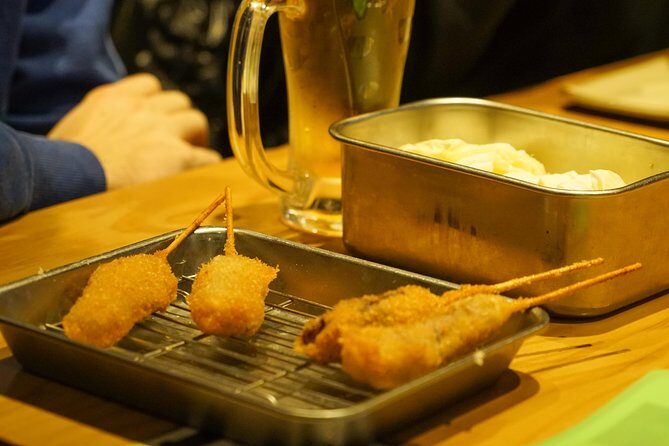
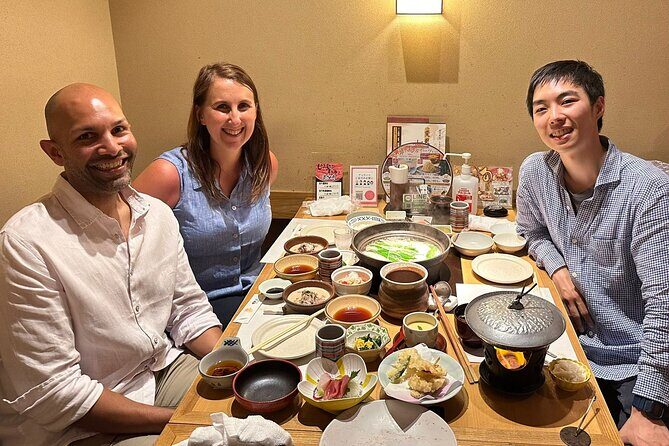
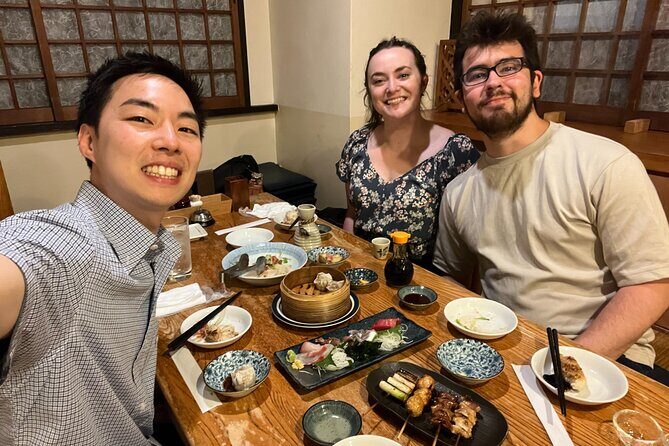
Tsukiji is strongly tied to food culture. Even if you only know it by reputation, you’ll feel why it’s famous the moment you’re in the market area. The tour focuses on sampling, and you can try things like fresh sushi and grilled skewers, plus other popular Japanese foods.
This stop is valuable because it turns “Tokyo food” from a vague idea into a specific plan. You’re not guessing where to eat, when to order, or what locals tend to go for in a market environment.
One caution: food spots in market areas often move quickly. If you have dietary restrictions or need long sit-down meals, you’ll want to communicate that early in the customization process so the route can fit your pace.
You can also read our reviews of more private tours in Tokyo


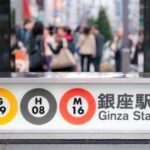
Ginza and modern Tokyo shopping: luxury, design, and gift shopping
Ginza is Tokyo’s recognizable high-end shopping hub, and it’s also where you can see modern architecture in a way that feels intentional rather than random. You’ll find flagship stores, fine dining, and art galleries in the general area.
The practical angle here is that Ginza is a good place to shop for high-quality Japanese gifts. If your goal is to bring home something that feels special without spending hours hunting across multiple districts, this is one of the most efficient zones to do it.
What I like about including Ginza in a custom tour is contrast. You’ve had shrine quiet, street style, and temple tradition. Then you switch to a district that’s more formal and polished, so your day doesn’t blur into one long sightseeing block.
If luxury shopping isn’t your thing, you can still enjoy Ginza for architecture, window browsing, and the general sense of order and design that comes with the neighborhood.
Shinjuku icons plus a free observation deck
Shinjuku is where Tokyo leans loud and stacked. It’s packed with dining and shopping, and the tour includes easy-to-recognize highlights.
You’ll see the giant Godzilla head, which is basically a pop-culture landmark in its own right. You’ll also spot the 3D cat billboard, a visual stop that’s fun even if you’re not a “billboard person.” And there’s a strong value move here: you’ll visit the free observation deck at the Tokyo Metropolitan Government Building.
That observation stop matters because it helps you “read” the city from above. After you’ve walked through several distinct neighborhoods, you get a payoff view that puts those districts into a bigger picture.
Consideration: Shinjuku can feel crowded and busy. That’s exactly why having a guide helps. They can steer you to the right spots and keep you from wasting time on the wrong approach routes or getting stuck waiting.
Shimokitazawa: vintage shopping and a creative neighborhood mood
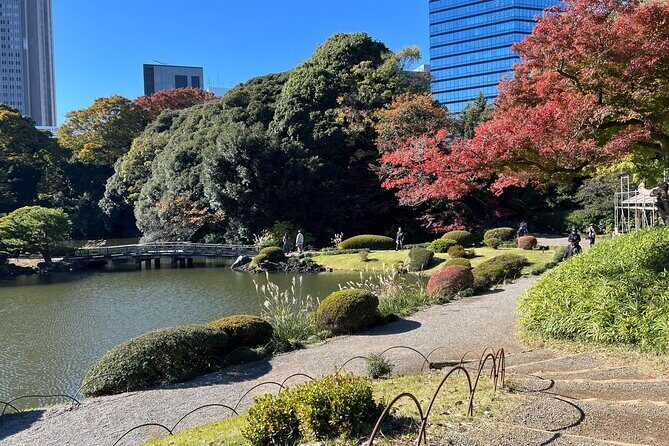
Shimokitazawa is a different kind of Tokyo. It’s known as a bohemian, youthful district, and it’s filled with vintage and boutique shops. The area also has a creative scene, including live music venues and small theaters.
This stop is a great balance after big-name districts. If your Tokyo goal includes texture—small streets, indie-style storefronts, the sense that people come here to create and watch—not just to buy, Shimokitazawa is a strong choice.
The private tour format helps you choose what to emphasize. You can keep it shop-focused, music-theater focused, or simply wander at a slower pace for atmosphere. Because the route is customizable, your guide can also adjust how long you spend here based on your energy and interests.
Imperial Palace: the Edo Castle site and Japan’s modern center
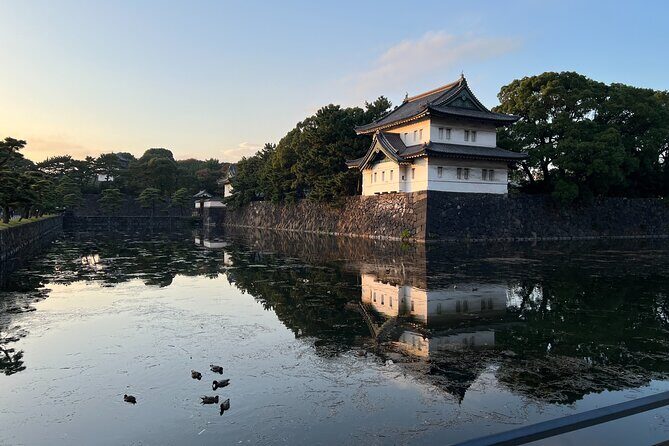
Imperial Palace is the current residence of Japan’s Imperial family, and it sits on the former site of Edo Castle, once home to the Tokugawa shoguns (1603–1868). This stop gives you a historical through-line, connecting older political power to Japan’s present-day center.
Even if you’re not a deep history person, the guide can help you understand what you’re looking at and why the location matters. It’s also a good “tone shift” toward the end of the day, especially after markets, shopping streets, and big-city noise.
A useful tip: if you’re short on time, this is one place where you’ll want to watch how your guide structures the visit. You’ll get the most value when the explanation connects directly to the visual cues you see around the palace grounds.
Price and value: is $112.75 per person worth it?
At $112.75 per person, this tour can be a strong deal if your priority is reducing stress and getting a plan that fits you. Here’s what you’re paying for beyond “walking around Tokyo.”
Included value highlights:
- A private, personalized walking tour with a bilingual local guide
- Hotel pickup in central Tokyo (on foot, meet at your lobby)
- A pre-tour questionnaire to tailor your route
- Personalized guidance and local recommendations throughout
- Tips to navigate public transportation, which helps after the tour too
- A mobile ticket and group discounts are part of the offering
Not included (so budget for these):
- Train and taxi fares
- Entrance fees (if any apply to stops you choose)
- Food and drinks
So the real question is how much you value time and clarity. If you’d otherwise spend your precious first days piecing together routes, translating signs, and guessing what to prioritize, this format can easily pay for itself in convenience. On the other hand, if you’re confident navigating and you already know exactly what you want, you may decide to go self-guided.
Getting around, keeping the day comfortable, and handling weather
This is a walking tour with flexible pacing. The good part is that your guide can adjust the route if your energy dips or your interests shift. If you need it, taxis can be used, though you’d pay those transportation costs separately.
Your physical needs: the tour suggests a moderate fitness level. That usually means you can handle city walking without expecting long couch-style breaks. Still, the guide’s flexibility can help you make the day work.
Weather matters. The experience is described as requiring good weather, and if it’s canceled due to poor weather, you’ll be offered a different date or a full refund. That’s worth noting because it’s Tokyo: rain and heat can change how enjoyable a walking day feels.
Also, service animals are allowed, and the tour is near public transportation. That combination usually helps if you’re planning other parts of the trip around transit lines.
Who this tour suits best (and who might prefer something else)
This tour fits best when you want Tokyo to feel organized and meaningful, not just photographed. If you’re planning a first visit, have limited time, or want a day that mixes big-name districts with more off-the-main-route areas, the custom planning is a real advantage.
It’s also a good match if you like food stops and want help figuring out where to go and what makes sense to try. And if you’ve ever had trouble navigating Tokyo’s transit on your own, the included tips can save time later.
You might want to choose differently if you hate walking, want lots of long indoor museum time, or don’t want to handle any extra costs for trains, entrances, and meals. Since those aren’t included, you’ll still want to budget for the day once your route is locked in.
Should you book Private Custom Tour in Tokyo with a Bilingual Japanese Guide?
I’d book this if you want Tokyo that feels personal, with a guide who can explain what you’re seeing and adjust your day on the fly. The stops cover a strong spread of Tokyo moods—forest quiet at Meiji Shrine, street style around Takeshita, the cinematic pull of Shibuya, temple tradition in Asakusa, and modern city contrast in Ginza and Shinjuku, plus Shimokitazawa’s creative side and Imperial Palace’s big-picture context.
Start by thinking about your top two priorities: classic landmarks, local neighborhoods, or food. Then use the pre-tour questionnaire to steer the route. If you do that, you’re likely to get a day that feels planned for you instead of forced into someone else’s schedule.
If you’re deciding between this and a self-guided plan, ask yourself one thing: do you want to spend your time navigating and figuring out logistics, or do you want to spend it actually seeing Tokyo?
FAQ
How long is the Tokyo private custom tour?
It runs for about 3 to 8 hours, depending on the route you choose and how you pace the day.
Is this tour private or shared with other people?
It’s private. Only your group participates.
Do you offer hotel pickup in Tokyo?
Yes. Hotel pickup is offered within central Tokyo, and you meet at the hotel lobby on foot.
Is the guide bilingual?
Yes. The tour is led by a bilingual Japanese guide with English language capability.
Can the itinerary be customized?
Yes. Your itinerary is fully customizable, and you share preferences before the tour through a pre-tour questionnaire.
Are train or taxi fares included?
No. Transportation fees are not included.
Are attraction entrance fees included?
No. Entrance fees to attractions are not included if applicable.
Are food and drinks included?
No. Food and drinks are not included.
What if the weather is bad?
The experience requires good weather. If it’s canceled due to poor weather, you’ll be offered a different date or a full refund.