REVIEW · TOKYO
Private homevisit for whole cultual experience, 20min from Tokyo
Book on Viator →Operated by 和 WA Japan at Home · Bookable on Viator
A home-cooked Japan day starts at the station. I love the yukata photo time and the chance to play koto after a matcha moment. One heads-up: you choose either okonomiyaki or sushi for the whole group.
This is a private, 5-hour home visit starting in south-eastern Tokyo at Shin-Urayasu Station. Your host meets you there, guides you to a real Japanese home, and keeps things unhurried so you can ask questions and go at your own pace.
In This Review
- Key highlights you’ll actually remember
- From Tokyo Station to Shin-Urayasu: the trip that sets the tone
- Step into a yukata, snap photos, and learn why the clothing matters
- The supermarket stop: learning ingredients you can actually find again
- Cooking lunch in a real home: okonomiyaki or norimaki sushi rolls
- If you choose Hiroshima-style okonomiyaki
- If you choose norimaki sushi rolls
- Why the cooking is worth it, even if you’ve cooked before
- Matcha tea ceremony, but casual: two bowls, one served and one made
- Koto in the intimate setting: watch, then play
- What you’ll notice about the home itself
- Price and value: $165.53 for a private 5-hour skill-and-food day
- Who should book this, and who should skip it
- Should you book Japan at Home (WA Japan at Home)?
- FAQ
- FAQ
- How long is the experience?
- Where does the tour start?
- Is this a private activity?
- What can I choose to cook for lunch?
- Is there a tea ceremony?
- Will I learn or play music during the visit?
- How far is it from Tokyo Station to the meeting area?
- What’s the cancellation policy?
Key highlights you’ll actually remember
- Yukata photo time in a cotton kimono, plus extra costume photo moments
- Real-home lunch cooking: Hiroshima-style okonomiyaki or norimaki sushi rolls
- Supermarket ingredient stop to learn what makes Japanese flavors taste right
- Casual matcha tea ceremony with two bowls—one served, one you make
- Koto lesson and hands-on playing led in the intimate setting of the host’s home
From Tokyo Station to Shin-Urayasu: the trip that sets the tone
The day starts with an easy rhythm: you head to Shin-Urayasu Station, and the meeting point is close on foot. From Tokyo Station, you’re looking at about 20 minutes by train, then just a 3-minute walk to where you meet your host.
That matters because this tour isn’t trying to cram you across five cities. It’s trying to slow you down and get you comfortable with Japanese daily life—food, music, clothing, and the small visual details you’d normally miss if you only race around big attractions.
Your host meets you at the station and leads the short hop from transit-world into real neighborhood-world. On the way, there’s a stop at a supermarket, and that’s a smart opener. It turns the rest of the experience into something you can taste and recognize later, not just watch and forget.
Also, because it’s private, you’re not competing with strangers for attention or timing. If you want to ask about ingredients, tea habits, or what you’re seeing in the home, you can. That freedom is a big part of why the experience gets such high marks.
You can also read our reviews of more private tours in Tokyo



Step into a yukata, snap photos, and learn why the clothing matters
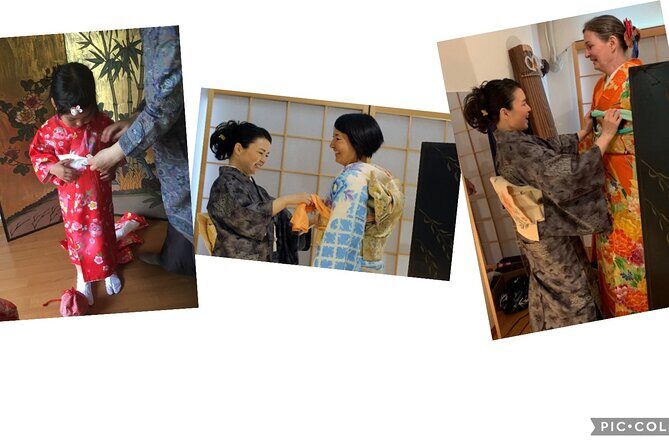
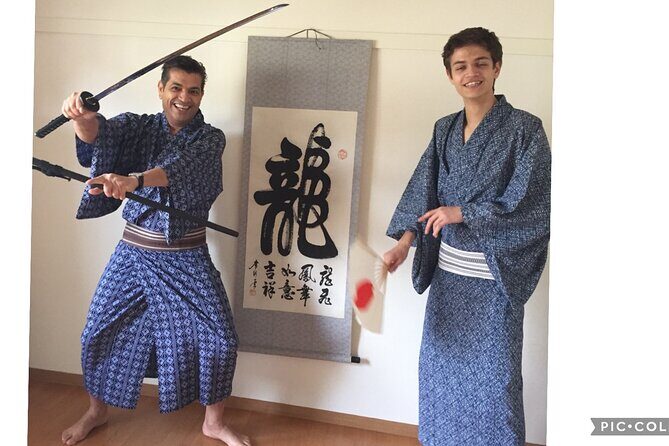
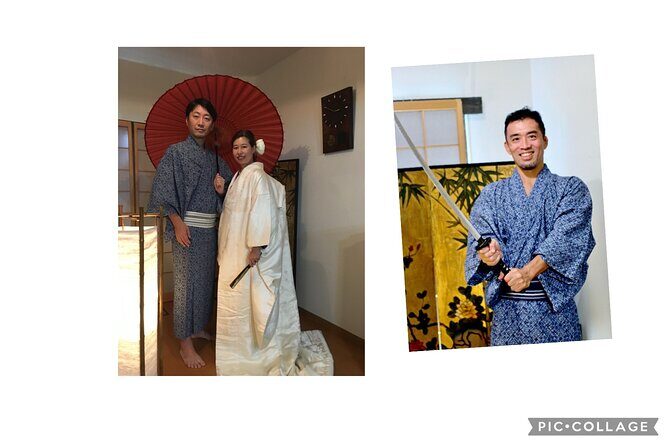
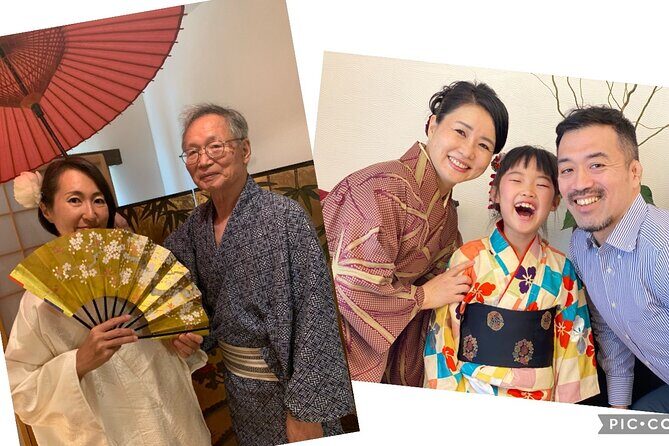
Once you arrive, you change into a yukata—a cotton kimono that’s much lighter and casual than many formal styles. It’s photogenic, sure, but what I like is the practical angle: you get to wear it, understand how it fits, and experience what it feels like in a real home setting.
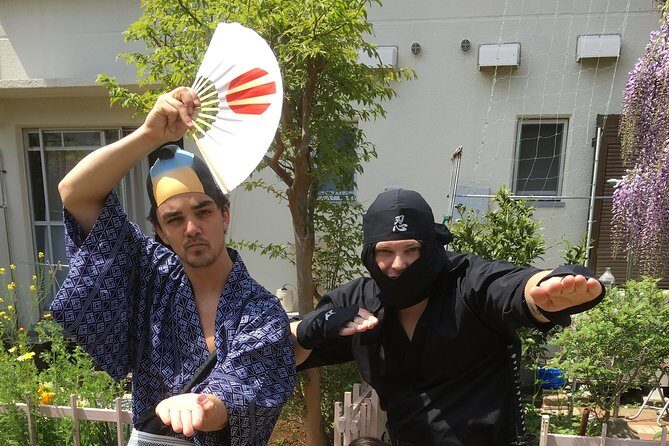
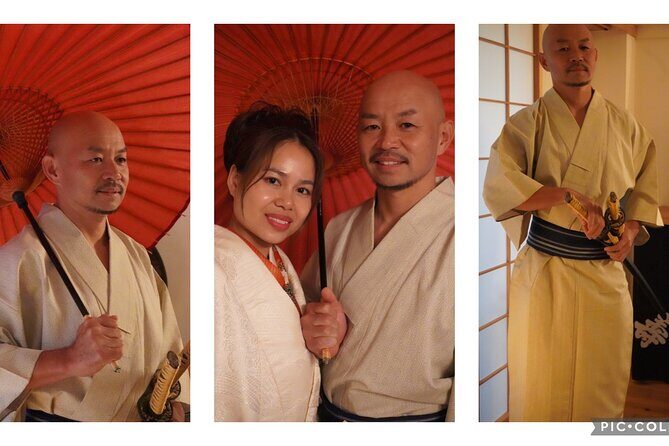
This is also where the tour leans into fun “costume” photography. The experience highlights getting great photos in traditional clothing, with options like kimono or ninja-style attire for pictures. Even if you treat the costumes as just a photo moment, they still help you connect with Japanese pop culture alongside traditional customs.
What you’ll likely appreciate is that you’re not standing in a production line. You’re in a personal space, with time to adjust, take photos, and settle in. If you’ve ever tried to do kimono photos on a tight schedule while juggling reservations, this feels calmer.
And because the outfit is part of the “home visit” vibe, it doesn’t feel like a costume shop stop. It feels like you’re being welcomed into a Japanese everyday scene, then gently guided into the skills behind it.
The supermarket stop: learning ingredients you can actually find again
Before you cook, you visit a supermarket with your host. This is small on paper, but it’s one of the most useful pieces of the day.
You’ll learn about unique Japanese ingredients—the kinds that make Japanese cooking taste layered instead of flat. Even if you don’t plan to recreate everything at home, this teaches you how to shop with purpose. You start noticing packaging, labels, textures, and flavor profiles you’d otherwise walk past.
Think of it like seasoning for your trip: it turns later steps into something you understand. When you’re making lunch, you’re not guessing. You’re connecting what you saw in the store to what ends up on your plate.
If you’re a foodie, you’ll love this part. If you’re not, you’ll still get the basics of what to look for the next time you’re in a Japanese market—so you can take home one real takeaway instead of only photos.
Cooking lunch in a real home: okonomiyaki or norimaki sushi rolls
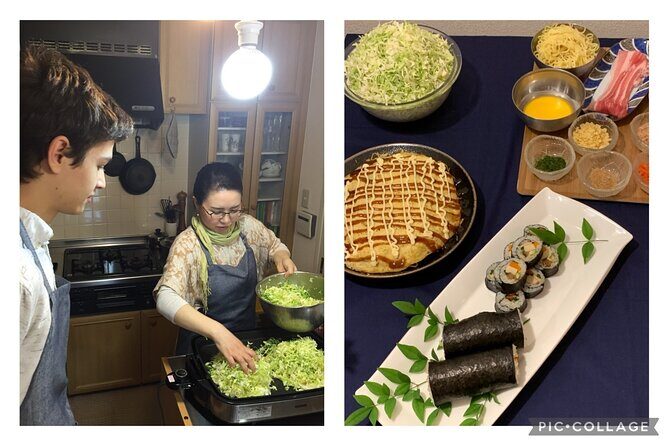
Lunch is the headline activity, and it’s hands-on. You choose in advance between Hiroshima-style okonomiyaki (a savory pancake) or norimaki sushi rolls. There’s an important constraint: the group shares one chosen menu. That’s worth planning for if you’re traveling with picky eaters or people who can’t decide.
If you choose Hiroshima-style okonomiyaki
You’ll get practice shaping and cooking a pancake-style dish, using ingredients that create that signature balance of savory and satisfying. Okonomiyaki is a great choice because it’s forgiving—you can learn technique without needing elite knife skills.






If you choose norimaki sushi rolls
This is more about assembly and technique: rolling, portioning, and getting the feel of sushi roll structure. It’s a fun skill to learn because the result is instantly shareable. Even if your first roll isn’t perfect, you’ll be able to compare your method to the tips your host gives.
Why the cooking is worth it, even if you’ve cooked before
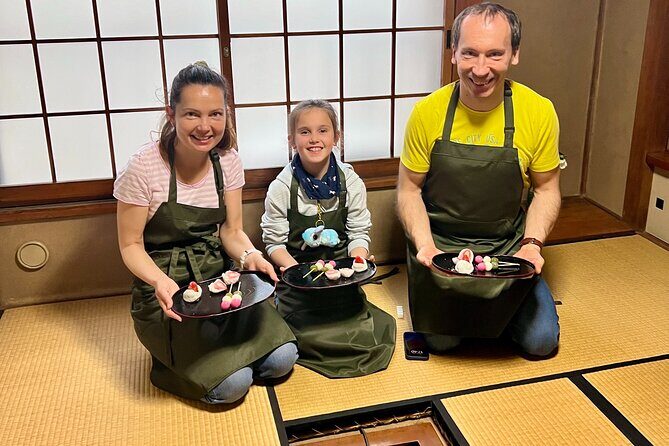
Cooking classes can be hit-or-miss when they feel staged. Here, the experience is framed as part of a family home day. That changes the tone. You’re not rushed through steps. You’re guided, asked questions, and treated like someone who belongs at the table.
And you’re eating what you make afterward. That’s key. It’s easy to feel like you “learned” something after watching someone else cook. It’s different when your hands do the work and your taste buds confirm the outcome.
Matcha tea ceremony, but casual: two bowls, one served and one made
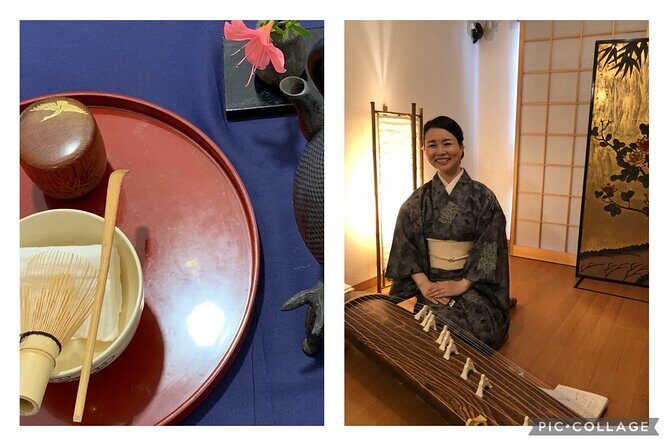
Next comes matcha, with two moments built in. First, you’re served matcha as part of a traditional tea ceremony. Then you make a second bowl yourself.
The tour describes this as a casual ceremony, and that’s good news. You don’t need to show up with a perfect etiquette script. You can enjoy the ritual without feeling like you’ll mess it up.
Why this works:
- You get the “why” behind matcha, not just the steps.
- You experience both sides: watching the host guide the process, then doing your own bowl.
- The pacing fits a home environment—no grand theater, no pressure.
Matcha itself is a great cultural anchor because it connects directly to Japanese attention to detail. Even the simple act of preparing it teaches patience and care. And when you’re already wearing a yukata and standing in a wooden-house-feeling home space, the tea moment clicks.
From the reviews, the matcha and the host’s warmth are often mentioned as part of what made the day feel memorable, especially for families celebrating a birthday or milestone.
Koto in the intimate setting: watch, then play
If you remember only one cultural skill from this day, let it be this: the koto.
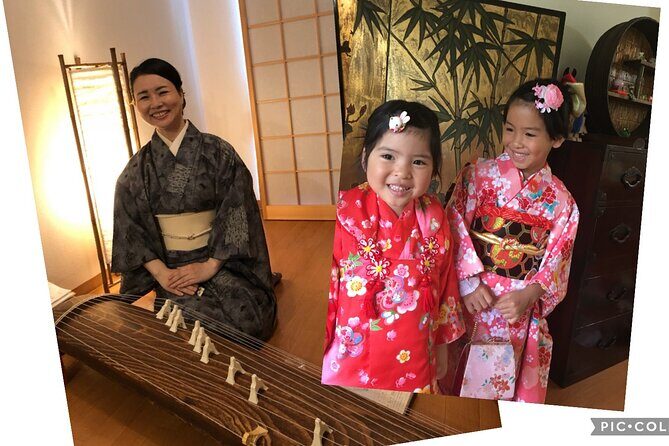
You’ll enjoy live koto music first—your host plays pieces that show what the instrument can do. Then it’s your turn. You’ll get guidance so you can create elegant sounds, even if you’ve never touched a string instrument before.
This is one of the most powerful contrasts in the experience. So many “cultural activities” stop at watching. Here, you get to participate. That turns the koto from background music into a real learning moment you’ll remember.
Also, because it’s in a home setting, the sound feels close. You’re not listening from far away in a hall with echo and distractions. It’s more like the instrument is part of the room’s life.
If you’re traveling with kids, this is a win. It gives them something hands-on, not just visual. If you’re traveling as adults, it gives you a respectful cultural skill with enough structure to feel doable.
What you’ll notice about the home itself
One thing I think people underestimate is how much a space can teach you. Reviews point out the tour’s attention to the architecture of wooden houses in the past, and that fits the overall feel of “Japan at Home.”
You’re not just doing activities in a generic venue. You’re in a real Japanese home environment. That changes how the clothing, tea, music, and cooking connect. You’re seeing how daily life and tradition overlap—where these crafts fit naturally into a household, not a performance schedule.
You’ll likely notice details like the way rooms are arranged, the tactile feel of wood, and the casual yet respectful way the host keeps things. It’s the kind of scene that makes your photos look better too, because you’re not fighting fluorescent lighting or crowds.
Price and value: $165.53 for a private 5-hour skill-and-food day
At $165.53 per person for about 5 hours, this isn’t a budget quickie. It’s a private, in-home experience with multiple components—clothing, cooking, tea, and instrument time.
Here’s the value logic I use:
- You’re paying for private time with one host, not a shared class with strangers.
- You get a supermarket stop plus cooking and tea prep, which means real learning context.
- You get koto instruction and hands-on playing, which is harder to find in a typical half-day food tour.
- You eat what you make, which makes the meal feel like part of the experience, not an add-on.
It also helps that the experience has strong demand; it’s commonly booked about 46 days in advance on average. That usually signals people find the format worth planning for.
If you want only one activity—say sushi rolling—this might feel like too much. But if you want a layered day that ties together Japanese clothing, food, tea culture, and music in one place, the price starts to look fair.
And the group discount feature can help if you’re traveling with a small party.
Who should book this, and who should skip it
This experience is a great fit if you want a home visit that feels personal and family-friendly. It’s especially good for:
- Families who want a fun cultural day without long walking marathons
- Food lovers who like learning ingredients, not just eating
- People who want one-on-one help while doing hands-on skills (cooking, tea, music)
- Travelers who enjoy photos but want the photo moment to connect to something real
You might want to think twice if:
- You want a strict “tourist highlights” route (this is not that)
- You’re traveling with a group that can’t agree on the lunch choice since the menu is shared
- You prefer large group energy over quiet home interaction
Should you book Japan at Home (WA Japan at Home)?
I’d book it if your ideal Japan day looks like this: you start with transit in the Tokyo area, switch into a yukata, cook lunch in a real home, make matcha, and get to play koto with guidance.
This tour’s best advantage is how it strings together multiple cultural threads into one calm, private day. You’re not just sampling culture—you’re doing the small crafts that culture is built on.
If you’re the kind of traveler who values hands-on learning, good host communication, and a setting that feels genuinely personal, this is a strong yes.
FAQ
FAQ
How long is the experience?
It runs for about 5 hours.
Where does the tour start?
You meet at Shin-Urayasu Station (Shin-Urayasu Station 1 Chome-1 Irifune, Urayasu, Chiba 279-0012, Japan).
Is this a private activity?
Yes. It’s private, and only your group participates.
What can I choose to cook for lunch?
You choose between Hiroshima-style okonomiyaki or norimaki sushi rolls. One menu must be chosen for the whole group.
Is there a tea ceremony?
Yes. You’ll enjoy two bowls of matcha: one served to you with a ceremony, and a second prepared by yourself.
Will I learn or play music during the visit?
Yes. You’ll enjoy live koto music and then get a chance to play, with guidance provided.
How far is it from Tokyo Station to the meeting area?
It’s about 20 minutes from Tokyo Station to Shin-Urayasu (JE08), and the meeting point is a short walk from there.
What’s the cancellation policy?
Free cancellation is available up to 24 hours in advance for a full refund.