REVIEW · TOKYO
Private Mount Fuji Tours with Car Pickup from Tokyo
Book on Viator →Operated by Hassan cheema · Bookable on Viator
Mount Fuji in ten hours, on your terms. I love the private car pickup from your hotel, which makes the long trip feel manageable, and I also love that the route is flexible so your guide can steer you toward the best timing. One thing to plan for: the whole day depends on weather, so if clouds roll in you may get scenery without the full face of Fuji.
This is priced per group (up to 6), so it can feel like good value compared with stacking taxis and paid-entry stops on your own. You’ll also want to budget for extras like shuttle buses during peak climbing season and optional activities around Lake Kawaguchiko, since not everything is included.
In This Review
- Key points to know before you go
- Why a private Mount Fuji day is worth the extra money
- The 10-hour flow: how the route moves around Fuji
- Mt. Fuji 5th Station: the closest look and the July–Sept shuttle reality
- Chureito Pagoda and Arakura Sengen Shrine: the postcard-with-history stop
- Lake Kawaguchiko: best base for optional cruise and ropeway time
- Oshino Hakkai: eight ponds fed by Fuji’s meltwater
- Saiko Iyashi no Sato Nemba: thatched houses, crafts, and costume rentals
- Oishi Park and the calmer Fuji angles
- Fujikyu Highland note: a planned stop that may need confirmation
- Trekking toward the Yoshida trail to 7th station
- Kitaguchi Hongu Fuji Sengen Jinja: a strong ending at the main shrine
- Price and what you actually get for $478.40 per group
- Weather, crowds, and how the day stays smooth when plans wobble
- Who this tour suits best
- Should you book this private Mount Fuji tour?
- FAQ
- How long is the private Mount Fuji tour?
- What’s included in the price?
- How many people are in a group?
- Does the tour include pickup from my Tokyo hotel?
- Do I get a mobile ticket?
- What happens if the weather is bad?
- Can we still visit Mt. Fuji 5th Station during the climbing season?
- Is a boat or ropeway included at Lake Kawaguchiko?
- Is trekking included?
- What’s not included for meals and drinks?
Key points to know before you go
- Private, door-to-door comfort: pickup and drop from where you stay in Tokyo.
- Guide-led Mount Fuji history: you’re not just collecting viewpoints; you’re getting context as you move.
- 5th Station access rules change by season: July 14 to Sept 10 affects how close you can get.
- Classic Fuji Five Lakes stops, paced for your group: pagoda, ponds, old-town houses, and lake parks.
- Optional Lake Kawaguchiko rides and trekking: you choose the intensity and add-on costs.
- A weather-first itinerary: expect the guide to adjust if conditions aren’t ideal.
Why a private Mount Fuji day is worth the extra money
If you’ve tried to plan Fuji Day Trips from Tokyo, you already know the math: trains, transfers, schedules, and time lost to lines. This private setup trades that stress for a car that starts at your door. You also get the freedom to change your order and pace, which matters a lot around Fuji because the most “perfect” angles can come with crowds—or disappear when weather shifts.
The tour is also structured around places that are genuinely different from one another. You’re not just repeating lake views. You’ll hit a shrine, a pagoda memorial, the pond village of Oshino Hakkai, and a traditional thatched-houses area at Saiko Iyashi no Sato Nemba—so even if Fuji doesn’t show as hoped, the day still feels full.
The value angle is this: you’re paying for time, logistics, and a guide who can explain what you’re seeing. Past bookings highlight that the driver-guide can arrange the day to avoid crowds and handle surprises like rain, which is exactly what you want on a long day out of Tokyo.
You can also read our reviews of more private tours in Tokyo

The 10-hour flow: how the route moves around Fuji
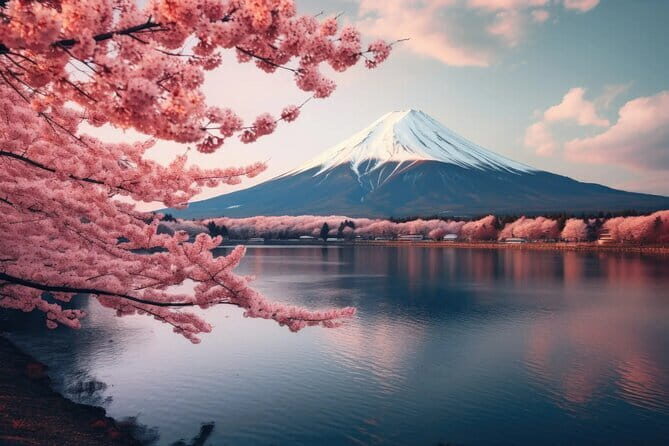
The day is set up as a round trip running about 10 hours total. The tour is designed around these zones in sequence: Mt. Fuji 5th Station → Chureito Pagoda → Lake Kawaguchiko → Oshino Hakkai → Saiko Iyashi no Sato Nemba → Oishi Park → a note about Fujikyu Highland → a possible Mount Fuji trekking segment → Kitaguchi Hongu Fuji Sengen Jinja shrine.
Each stop has its own “reason to exist,” so the order makes sense. You start with the close-up Fuji vantage at 5th Station. Then you move to two iconic photo spots (Chureito Pagoda and the Fuji-lake backdrop areas), shift into water and springs at Oshino Hakkai, then end in a more spiritual, calmer mood at the main Sengen shrine. If you love variety—views plus culture—this itinerary is tuned for that.
One practical consideration: because each stop is about an hour, you’ll want your preferences clear from the start. If you’re keen on shopping at 5th Station or walking the ponds slowly at Oshino Hakkai, tell your guide early so your time doesn’t vanish into rushing.
Mt. Fuji 5th Station: the closest look and the July–Sept shuttle reality
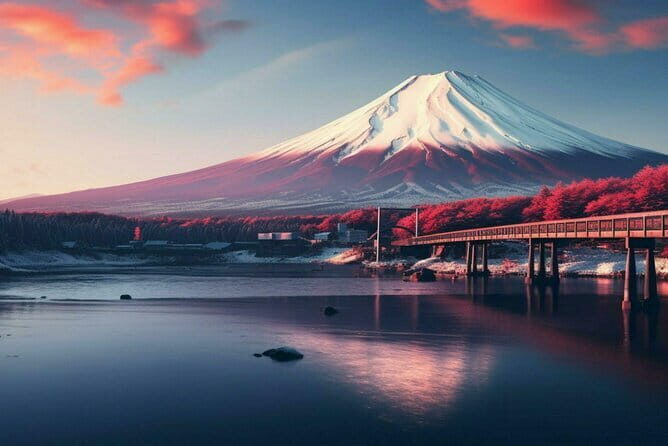
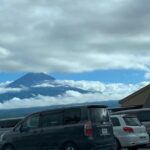
Mt. Fuji 5th Station is about 2300 meters up. When weather is decent and not rainy, it’s the point where Fuji can feel huge and close, with lots of souvenir shops to poke around. It’s also a key spot for climbers heading higher during the hiking season.
Here’s the season twist that can change your day: the climbing season runs from early July 14 to Sept 10. During that period, the tour notes that you can’t go to 5th Station the usual way; instead, you’d need a shuttle bus at 2100¥ per person. If you’re traveling in those dates, this is the detail that most impacts the plan, so I’d treat it like a must-confirm item with your guide before the trip day.
What you’ll enjoy at 5th Station:
- Close views of Fuji when visibility is good
- A walking area that’s easy enough for most people
- Plenty of shops, plus the general energy of people gearing up for the mountain
What to watch for:
- Weather. Cloud cover can turn the “close view” into a foggy forecast for the rest of the day.
- Time. With a fixed stop length, you’ll want to decide quickly whether you’re shopping first or taking photos first.
Chureito Pagoda and Arakura Sengen Shrine: the postcard-with-history stop
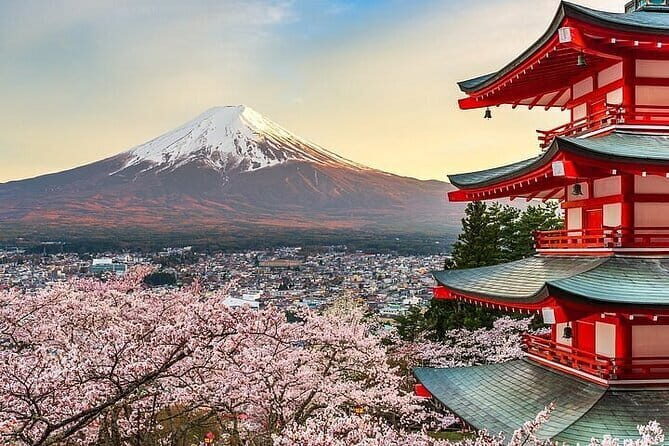
Chureito Pagoda (often linked to Arakura Sengen Shrine) is the classic five-story pagoda look that shows Fuji in the distance. The tour places this as a one-hour visit, which is a smart length: you get time for photos plus a calm wander, without feeling trapped by a timeline.
A couple details you should know before you arrive:
- The pagoda is part of Arakura Sengen Shrine
- It was built as a peace memorial in 1963
- It’s about 400 steps up from the shrine’s main areas
If you don’t want to hike steps, you still may enjoy the viewpoint areas lower down. But if your legs are okay with it, these steps help you get a better sense of why the pagoda is so famous for showing Fuji on clear days.
Lake Kawaguchiko: best base for optional cruise and ropeway time
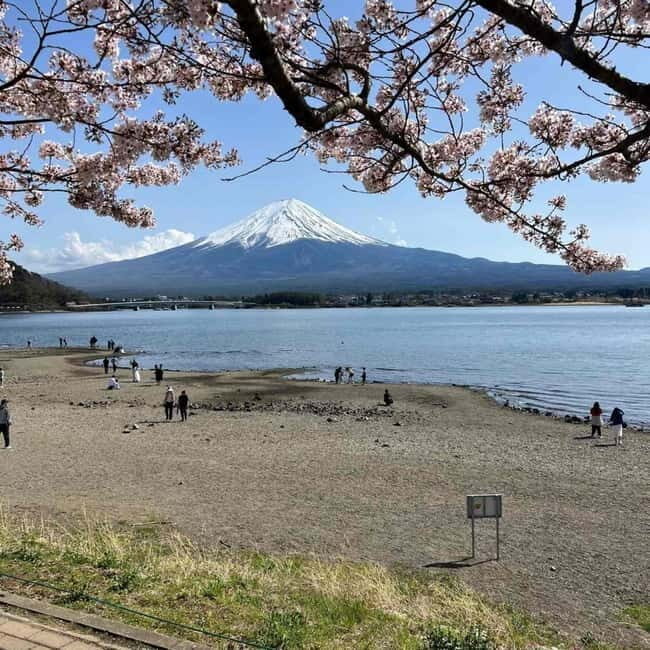
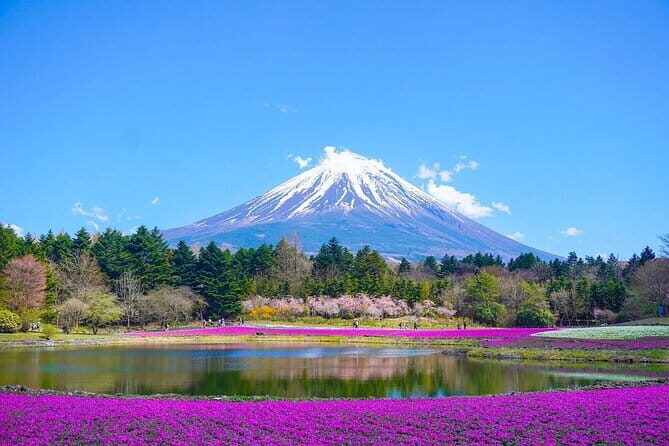
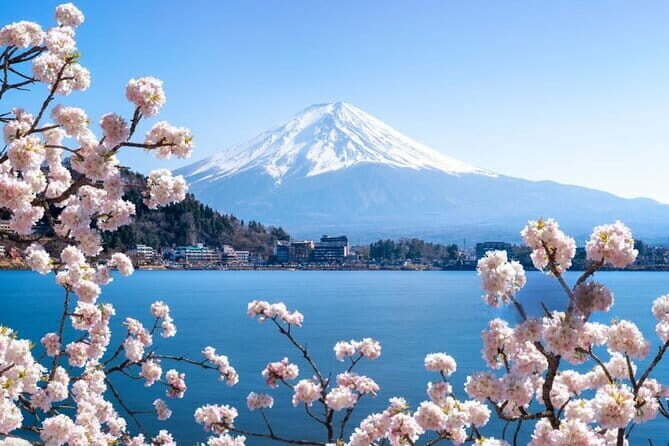
Lake Kawaguchiko is one of the best places to see Fuji reflected in water. The lake sits at around 830 meters elevation, which is why you often get more comfortable temperatures than lower Tokyo in summer—and colder conditions in winter.
The tour gives you about an hour here, and it’s built for flexibility. You can choose to:
- Walk the shoreline views (free)
- Add activities if you want them
Important extra costs here: a ship cruise or a ropeway/cable car is 1000¥ per person, and those ride costs are not included. If you’re trying to keep the day lean, you can skip the rides and still get great views from the lake area.
Also, plan your photo timing. If Fuji breaks through, you’ll want to be ready to step out quickly. Having a guide in the car means you’re not guessing where to stand—you can ask for the best timing for your group based on how the sky looks.






Oshino Hakkai: eight ponds fed by Fuji’s meltwater
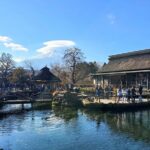
Oshino Hakkai is a set of eight ponds in the Fuji Five Lakes region, located between Lake Kawaguchiko and Lake Yamanakako. The ponds are fed by snowmelt from nearby Mount Fuji. The water filters through porous lava layers for over 80 years, which helps create the clear spring water locals value.
This stop is great if you like texture and quiet details. It’s less about one big view and more about lots of small moments: water clarity, gentle walking paths, and the feeling of a place that’s been tuned by nature for centuries.
When the weather cooperates, you can get close-up Mount Fuji views from the area too. When clouds move in, it’s still a strong stop because the ponds themselves do the work.
Saiko Iyashi no Sato Nemba: thatched houses, crafts, and costume rentals
Saiko Iyashi no Sato Nemba focuses on traditional life. You’ll see old Japanese houses with thatched roofs, and the area includes local crafts and artists. There are also rental kimono and samurai armor options if you want to do a themed photo moment without planning it yourself.
This stop is especially nice for balancing the day. After the lakes and the steps, it’s a slower, more human-scale area where you can browse and take your time.
If you’re traveling with mixed interests—someone who wants photos, someone who wants culture, someone who just wants a break—this is the stop that tends to work for most groups.
Oishi Park and the calmer Fuji angles
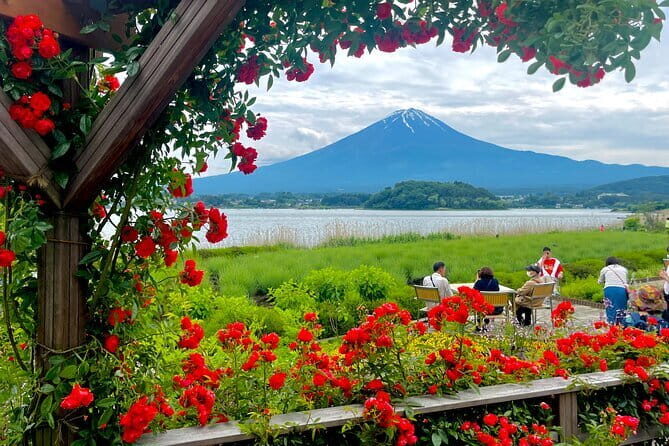
Oishi Park sits on the north shore of Kawaguchiko and is known for giving you a view of the lake and Mount Fuji together. The tour gives you about an hour here, which is enough time to walk to viewpoint spots without feeling like you need to sprint to “win” photos.
This is also a good place for a reality check. If Fuji is partially obscured, you can still enjoy the composition and the lake atmosphere. It’s one of those locations where the day’s weather becomes part of the experience instead of a full disappointment.
Fujikyu Highland note: a planned stop that may need confirmation
The itinerary lists Fujikyu Highland as permanently closed. That matters because it signals a mismatch between what you might expect and what’s actually available. I’d treat this as a “confirm what replaces it” situation with your guide.
The good news: this is a private tour, and the whole day is described as customizable. So if that stop isn’t usable, your guide should be able to shift time toward other nearby viewpoints or cultural stops, while keeping you on schedule.
Trekking toward the Yoshida trail to 7th station
The tour offers an optional trekking segment. It notes that the trekking trail starts from 5th Station, and the guide takes you to the Yoshida trail to 7th station (2700m). It’s described as an easy level trekking option within the tour plan.
Two ways to think about this:
- If you want “mountain time” without committing to a full summit effort, this can be a satisfying middle ground.
- If you dream of going higher, the tour says they can also arrange hiking all the way to the summit if you wish.
Because the mountain is weather-driven, your actual visibility and comfort level can change fast. Wear layers and plan for cooler air at elevation, even if Tokyo feels warm.
Kitaguchi Hongu Fuji Sengen Jinja: a strong ending at the main shrine
The day ends (in the tour sequence) with Kitaguchi Hongu Fuji Sengen Jinja, also known as the Fujiyoshida Sengen Shrine. It’s described as the main Sengen Shrine on the north side of Mount Fuji, dedicated to Konohanasakuya-hime, the Shinto goddess of Mount Fuji.
This shrine is said to have been established in CE 100, and it played a role in the development of Shintoism connected to Fuji.
Why this works as a finale: after ponds, lakes, and steps, a shrine gives the day emotional balance. Even if Fuji itself stayed hidden for part of the outing, you leave with a sense of why the mountain matters to Japanese spirituality and culture.
Price and what you actually get for $478.40 per group
The price is $478.40 per group (up to 6), lasting about 10 hours, with pickup and drop from your hotel. In plain terms: you’re paying for transportation, a private driver-guide, and included admission time at several stops.
What’s included (based on the tour details):
- Air-conditioned vehicle
- Private transportation
- Pickup and drop from your hotel or stay
- Fuel, parking, highway tools (the “getting there” costs)
- Modern and clean vehicle
- Admission tickets are marked as included at multiple stops in the itinerary (like 5th Station, Chureito Pagoda, Lake Kawaguchiko area time, Oshino Hakkai, Saiko Iyashi no Sato Nemba, Oishi Park, and the shrine)
What you should expect to pay separately for:
- Optional Lake Kawaguchiko ship cruise or ropeway/cable car: 1000¥ per person
- Potential 5th Station shuttle bus during climbing season: 2100¥ per person
- Food and drinks that are listed as not included: coffee/tea, brunch, dinner, snacks, alcoholic beverages, soda/pop, breakfast
Value check: if you’re 3–6 people, private transport can start to look less expensive than you’d think—especially once you factor in long-distance travel from Tokyo plus entry fees plus the guide’s flexibility. If you’re only 1–2 people, it can still be worth it, but you’re really buying convenience and a custom day, not just sightseeing.
Weather, crowds, and how the day stays smooth when plans wobble
This tour requires good weather. If it’s canceled due to poor weather, you’re offered a different date or a full refund. That’s the big picture.
On a smaller scale, the tour’s strength is how adaptable it can be. Good driver-guides aim to avoid peak crowd windows and adjust if rain shows up. One prior experience also mentioned a lunch stop the guide recommended near Kawaguchiko, which is exactly the kind of “micro help” that makes a long day feel easier.
Your practical move: don’t over-plan what you’ll do if Fuji doesn’t show. Build your day around the fact that Fuji visibility can shift hour by hour. With flexible timing, you’ll still get plenty of meaningful stops—especially Oshino Hakkai, the shrine, and the traditional village.
Who this tour suits best
This private Mount Fuji tour fits you best if:
- You want a low-stress day out of Tokyo with door-to-door pickup
- You care about seeing multiple sides of the Fuji Five Lakes region (not just one spot)
- You like history explanation while you walk around (5th Station, pagoda/shrine, and the Sengen shrine)
- You’re traveling as a group of up to 6 and want a good price per person
It may be less ideal if:
- You’re traveling at July 14 to Sept 10 and hate the idea of dealing with the 5th Station shuttle cost and logistics
- You want everything fully fixed and timed without any adaptation (because conditions and crowd levels can change)
Should you book this private Mount Fuji tour?
If you’re aiming for one unforgettable Fuji day and you don’t want to fight transport schedules, I think this is a solid choice. The big win is the combo of private car comfort, a guide who explains what you’re seeing, and an itinerary that balances viewpoints with culture and walking time.
Book it if you can be flexible on weather and you’re okay paying for optional rides and seasonal shuttle costs. Skip it (or at least confirm details) if you’re traveling during the peak season and want to guarantee the exact access to 5th Station without any extra steps.
If you do book, I’d go in with two priorities: decide whether you want the trekking segment to 7th station, and confirm how the day handles the Fujikyu Highland closure so your time stays smooth.
FAQ
How long is the private Mount Fuji tour?
The duration is about 10 hours.
What’s included in the price?
The tour includes an air-conditioned vehicle, private transportation, pickup and drop from where you stay, and admission tickets at the listed stops in the itinerary. It also includes patrol and gas, plus highway tools, and notes use of modern and clean vehicles.
How many people are in a group?
The price is per group, up to 6 people.
Does the tour include pickup from my Tokyo hotel?
Yes. The tour includes pickup and drop from your hotel or your staying place.
Do I get a mobile ticket?
Yes, the tour offers a mobile ticket.
What happens if the weather is bad?
This experience requires good weather. If it’s canceled due to poor weather, you’ll be offered a different date or a full refund.
Can we still visit Mt. Fuji 5th Station during the climbing season?
The climbing season is early July 14 to Sept 10. During that period, the tour notes that you cannot go to 5th Station the usual way and you must take a shuttle bus costing 2100¥ per person.
Is a boat or ropeway included at Lake Kawaguchiko?
The ship cruise or ropeway/cable car is not included. The cost is listed as 1000¥ per person separately.
Is trekking included?
Trekking to Yoshida trail up to 7th station (2700m) is offered as part of the tour plan, described as easy level. The tour also says they can arrange hiking all the way to the summit if you want it.
What’s not included for meals and drinks?
The tour does not include coffee/tea, brunch, dinner, snacks, alcoholic beverages, soda/pop, or breakfast.