REVIEW · TOKYO
Private Tokyo Custom Full-Day Tour by Chartered Vehicle
Book on Viator →Operated by Beauty of Japan · Bookable on Viator
Tokyo can feel chaotic without a plan. This private full-day charter turns that into a smooth route, with a guide steering you and your group riding in comfort. I like two things right away: the custom itinerary (you decide what fits your interests), and the way the guides show up prepared—names you may hear include Yutaka and Toshio, both described as patient and accommodating.
You also get hotel pickup and drop-off from central Tokyo, so you’re not burning time figuring out trains with a full day ahead. One thing to consider: on major holidays, places like temples and city streets can get extremely crowded and traffic can slow everything down.
In This Review
- Key Points You’ll Care About Most
- What an 8-Hour Private Day in Tokyo Actually Feels Like
- Price and Value for a Group of Up to 4
- Starting Smooth: Pickup, a Chartered Vehicle, and a Real Guide
- Tsukiji Area (Fish Market): A Morning for Sights, Sounds, and Choices
- Meiji Jingu Shrine: The Calm Reset Between City Zones
- Asakusa and Senso-ji: Thunder Gate Photos and Old Tokyo Energy
- Harajuku Station and Takeshita Street: Where Style Moves Fast
- Omotesando Shopping Area: The Branded, Fashion-Forward Pause
- Shibuya Crossing: Watching Tokyo’s Motion in Real Time
- How the Guide’s Flexibility Changes the Day
- Dates, Crowds, and Traffic: When the Day Can Feel Slower
- What You Need to Budget Beyond the Tour
- Who This Tour Is Best For (and Who Might Skip It)
- Should You Book This Private Tokyo Charter Tour?
- FAQ
- How long is the Tokyo private tour?
- What time does the tour start?
- What’s the group size limit?
- Is hotel pickup and drop-off included?
- Is the tour private?
- What’s included in the price?
- What is not included?
- Are there admission tickets for the stops listed?
- Is there a mobile ticket?
- Can I get a refund if my plans change?
Key Points You’ll Care About Most
- Private vehicle, only your group: no waiting around for strangers.
- Hotel pickup and drop-off: you start and end with less friction.
- Custom stops, not a fixed script: you can steer the day toward what you care about.
- A smart mix of Tokyo styles: markets, shrines, traditional streets, and modern neighborhoods in one run.
- Free admission noted for key stops: helps you control your budget.
- Flexibility matters: guides like Yutaka (and drivers like Tetsuo) were praised for adjusting as needed.
What an 8-Hour Private Day in Tokyo Actually Feels Like
Eight hours sounds simple, right? In Tokyo it can either mean a satisfying day… or a blur. The magic here is that you’re not doing it on public transit with a crowd schedule. You’re in a chartered private vehicle with a dedicated guide, which means you can keep your energy for the sights instead of logistics.
The route also makes sense. Your day is built to move from an early food-and-market zone to a calmer shrine moment, then into classic old Tokyo (Asakusa), and finally to the youth-and-shopping lanes (Harajuku and Omotesando) and the high-energy crossing area (Shibuya). It’s a tour that helps you understand Tokyo’s different moods in one afternoon.
You can also read our reviews of more private tours in Tokyo



Price and Value for a Group of Up to 4
At $1,273.75 per group (up to 4), you should think of this as paying for convenience and time, not for entry tickets. Since your day includes hotel pickup/drop-off, a driver, and a guide, the cost per person drops quickly if you’re traveling with friends or family.
Here’s how I’d sanity-check the value:
- If you’re the kind of group that hates wasted time and hates squeezing onto transit, the “private” part can be worth it fast.
- If your group wants a day that adapts—asking questions, adjusting for how you feel—that guide time is the real product.
- If you’re solo and you’d be happy using trains, you may find better value elsewhere.
Also note what’s not included. Food and drinks aren’t covered, and parking fees can add cost. That’s normal for private tours, but it’s still part of your overall budget picture.
Starting Smooth: Pickup, a Chartered Vehicle, and a Real Guide
The tour starts at 9:00 am, with pickup and drop-off from central Tokyo. The meeting logistics are straightforward, and the experience is described as being near public transportation—useful if you’re watching for backup plans.
The private vehicle is more than comfort. It buys you control. You can:
- ask questions without worrying about timing your own transit changes,
- pause when you want a longer look for photos,
- and regroup if a crowd makes a location feel tighter than expected.
In reviews, the tone is consistent: guides were called courteous, knowledgeable, flexible, and patient. Drivers were noted too—Tetsuo was praised as polite and cheerful. That matters because Tokyo pacing can be tight, and good coordination makes the whole day feel easier.
Tsukiji Area (Fish Market): A Morning for Sights, Sounds, and Choices
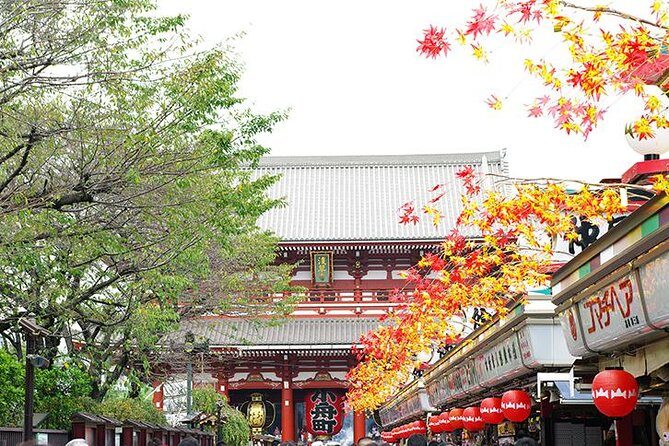
Your first stop is the Tsukiji area (about 1 hour). The listing notes admission ticket free, which is helpful because it means you’re paying for time and guidance, not for entry cost.
Why this stop works at the start of a private day:
- Market areas are best when you arrive fresh, not when you’re already worn out.
- You’re guided on where to walk, so you spend time looking instead of wandering.
- If you want seafood options later, Tsukiji sets the tone early.
A quick practical tip: Tsukiji-style streets can be lively and narrow. Wear shoes you can move in and plan to keep your phone accessible. You’ll likely want photos and quick snack stops, but food isn’t included, so be ready to decide on the fly.
Meiji Jingu Shrine: The Calm Reset Between City Zones
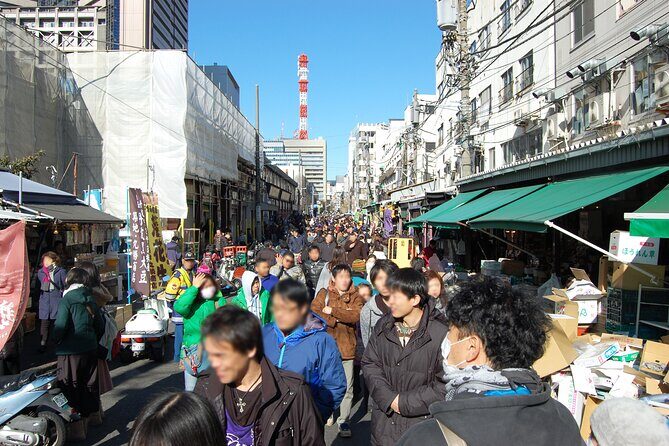
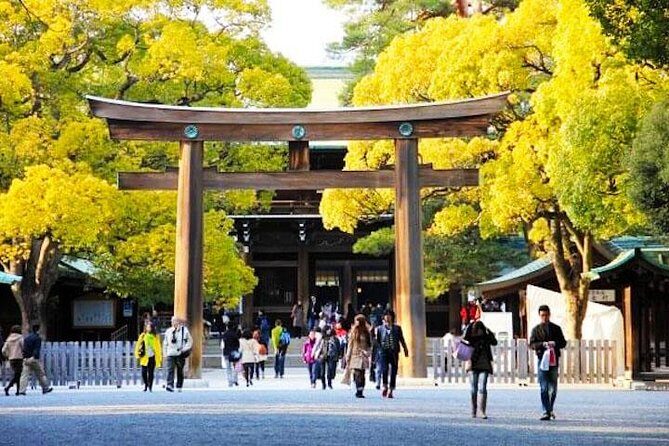
Next is Meiji Jingu Shrine for about 1 hour. It’s described as a Shinto shrine dedicated to Emperor and Empress Meiji. The atmosphere is typically more grounded than the shopping-and-people hubs, so it acts like a reset button.
This stop is a smart contrast point. After Tsukiji, you get a quieter change of pace before heading into Asakusa’s traditional streets. If your group likes variety—something spiritual, something visual, something different—this is the slot.
Also, admission is listed as free for this stop. That’s one less cost to manage in the middle of your day.
A few more Tokyo tours and experiences worth a look

Asakusa and Senso-ji: Thunder Gate Photos and Old Tokyo Energy
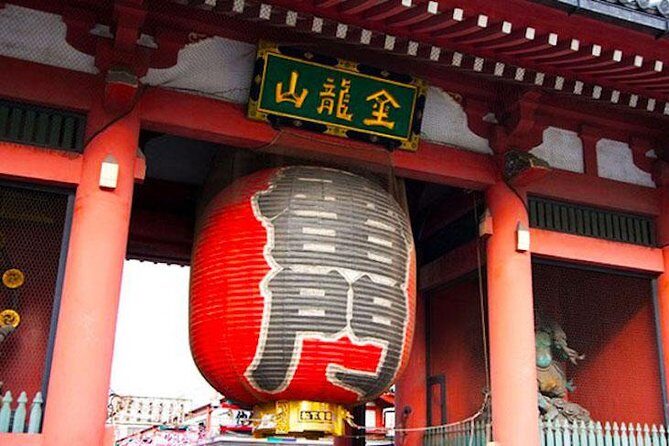
Asakusa is where Tokyo starts to feel like a storybook. Your stop here is about 1 hour, and it centers on Senso-ji, one of Tokyo’s best-known temples. You’ll approach through the Kaminarimon (Thunder Gate), and the tour highlights this as a key moment when visitors enter the area.
This is a photo magnet spot, but it’s also more than a backdrop. Walking into a temple approach street gives you a different rhythm than modern districts. If you’re someone who likes seeing the texture of old Tokyo—lanterns, temple grounds, people dressed in a way that fits the setting—this is the part of the day that often becomes the favorite.
One consideration: temple areas can get busy on some dates. If your travel overlaps with major Japanese holidays, expect crowds and slower walking. The tour can still work, but it changes the experience from relaxed to more packed.
Harajuku Station and Takeshita Street: Where Style Moves Fast
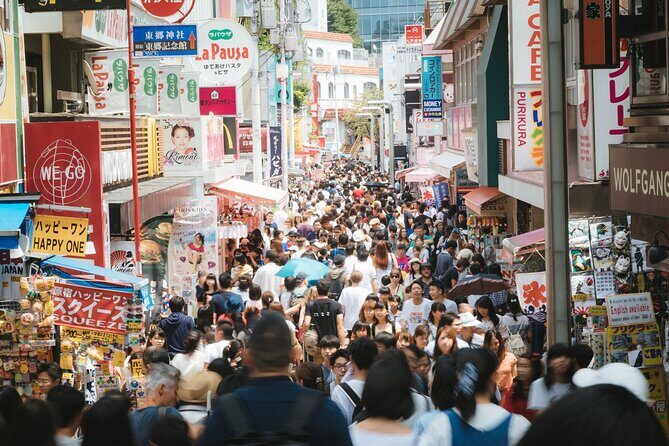
After Asakusa, you head to Harajuku Station with Takeshita street as the focus (about 1 hour). This is prime for youthful fashion energy and quick visual surprises. The tour lists admission ticket free here, which means your budget goes to spending and exploring, not ticket lines.
Harajuku can be a sensory overload in the best way. But the private format helps because you’re not stuck behind a slow-moving herd without context. Your guide can help you pick what to look for first, and you can move at your pace.
Practical note: if your group has different comfort levels with crowds, you can usually adjust your route and shopping intensity. That’s one of the reasons a private guide is useful.
Omotesando Shopping Area: The Branded, Fashion-Forward Pause
Then it’s Omotesando, another 1-hour stop focused on shopping. This area often feels more polished and design-forward than Harajuku, and it gives you a second look at Tokyo’s fashion scene without repeating the same street vibe.
This slot is valuable if:
- you like window browsing,
- you want something more relaxed than Takeshita for part of the day,
- or your group wants a break from high-energy street scenes.
Admission is also listed as free. So again, what you pay for is your guide time and transport, not an entry ticket.
If you plan to buy anything, keep an eye on how long you want to spend inside stores. Private touring works best when you keep the day moving. If shopping becomes a marathon, the rest of the route can feel rushed.
Shibuya Crossing: Watching Tokyo’s Motion in Real Time
Your day ends at Shibuya, centered on the Shibuya crossing for about 1 hour. This is one of Tokyo’s most recognizable modern scenes, and it’s a fun final stop because you get to close the day with energy.
Why Shibuya is a good end point:
- It’s easy to understand even if you’re tired.
- You don’t need deep background to enjoy it. You just watch how Tokyo moves.
- It’s a great place for one last round of photos before heading back.
Keep your expectations realistic. This area can be crowded, and it’s not a quiet moment. If your group likes to people-watch and photograph movement, you’ll enjoy it. If you want calm, you may prefer shifting time earlier in the day.
How the Guide’s Flexibility Changes the Day
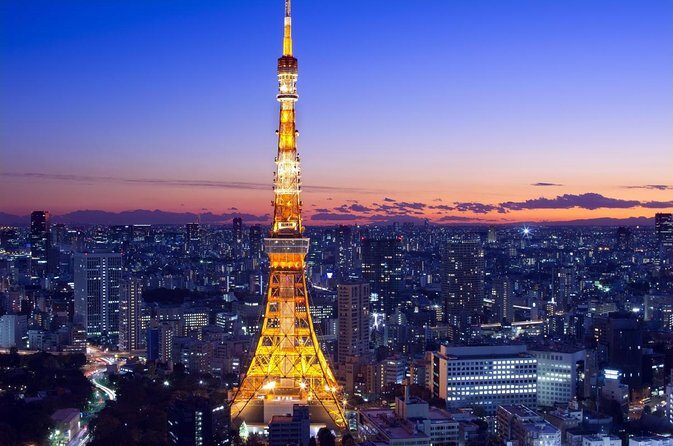
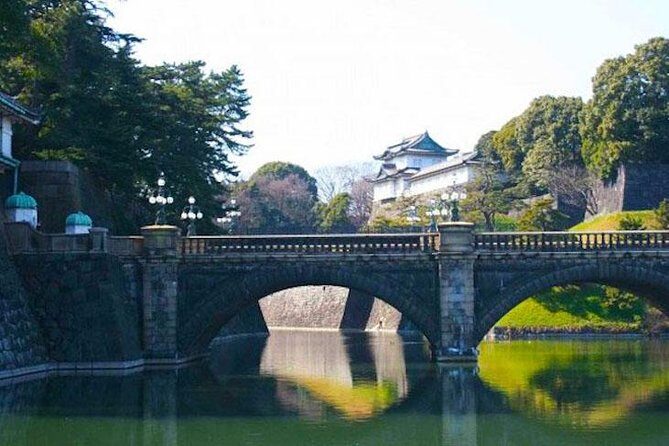
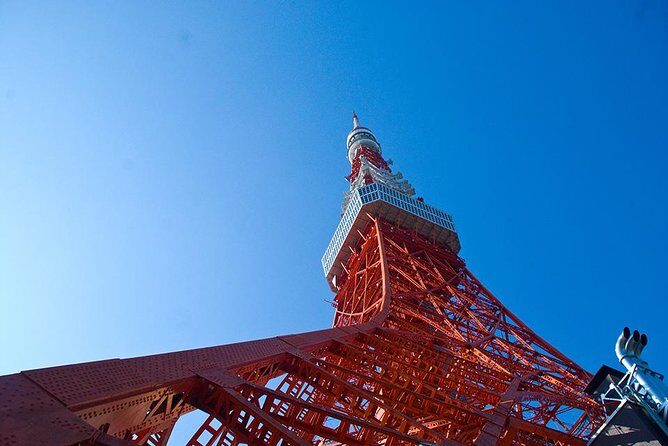
Here’s the part that matters most: the tour isn’t written as a rigid checklist. The overall concept is a customized itinerary suited to your interests, and you can choose attractions such as the Imperial Palace, Edo Castle, Senso-ji Temple, and Tokyo Tower—even if your example day includes Tsukiji, Meiji Jingu, Asakusa, Harajuku, Omotesando, and Shibuya.
In reviews, the standout theme is flexibility. People specifically praised guide and driver adjustments when plans needed to change. One review credited the team with being able to alter places they wanted to visit, while another highlighted patience with questions from a first-timer.
That’s your cue. If you like to ask questions—about what you’re seeing, why a shrine looks a certain way, how neighborhoods differ—this format helps you get answers without rushing.
Dates, Crowds, and Traffic: When the Day Can Feel Slower
Tokyo can look fast on a map. In reality, holiday crowds can slow everything down. One review called out a bad experience on 3 January, when temples were packed and traffic was affected.
So I’d plan like this:
- If you’re traveling during peak holiday periods, build more patience into your schedule.
- Accept that you might spend more time walking through crowds and less time lingering in quieter corners.
- Ask your guide to prioritize the moments that matter most to your group. With flexibility, you can still make it work.
What You Need to Budget Beyond the Tour
The tour includes guide, driver, private vehicle transport, and hotel pickup/drop-off. It does not include food and drinks, and it does not include parking fees.
In practice, that means:
- You’ll likely buy snacks or meals during the day.
- If you want a seafood bite at the Tsukiji area, you’ll pay at the point of purchase.
- If parking becomes relevant for a stop, that cost may fall outside the package.
I like the clarity. It keeps you from feeling like you’re being rushed into a meal plan you don’t want. Just remember: bring cashless payment options and a small buffer in your day budget.
Who This Tour Is Best For (and Who Might Skip It)
This private charter tour is ideal if:
- you’re traveling as a small group (up to 4),
- you want less stress and more guidance,
- you like a mix of Tokyo styles in one day (markets, shrines, traditional temple approach streets, fashion neighborhoods, modern city icon scenes),
- and you want the freedom to adjust your itinerary.
You might not love it as much if:
- you’re traveling solo and you’re comfortable using transit,
- you’re on a tight budget and can handle planning yourself,
- or you mainly want one or two stops rather than a full day of variety.
Should You Book This Private Tokyo Charter Tour?
If you value convenience and a guide who can keep the day moving while answering questions, I think it’s an easy yes. The best part is the structure: eight hours that actually feels efficient, plus the private setup that protects your time. The stop mix also helps first-timers get oriented fast—Tsukiji, Meiji Jingu, Asakusa’s Thunder Gate area, Harajuku and Omotesando, then Shibuya crossing.
My main caution is timing. Pick your dates with care, especially around big holiday periods, because crowds can push your schedule. If you’re okay with that and you want a smoother, private approach to Tokyo, this is a strong way to spend a day.
FAQ
How long is the Tokyo private tour?
The tour lasts about 8 hours.
What time does the tour start?
The start time is 9:00 am.
What’s the group size limit?
It’s priced for a group of up to 4.
Is hotel pickup and drop-off included?
Yes. Hotel pickup and drop-off from central Tokyo are included.
Is the tour private?
Yes. It’s a private tour/activity, and only your group participates.
What’s included in the price?
Hotel pickup and drop-off, a driver, transport by private vehicle, and a guide.
What is not included?
Food and drinks, plus any parking fee.
Are there admission tickets for the stops listed?
The stops shown (Tsukiji area, Meiji Jingu Shrine, Asakusa/Senso-ji area, Harajuku area on Takeshita street, Omotesando, and Shibuya crossing) are listed with admission ticket free.
Is there a mobile ticket?
Yes, the experience includes a mobile ticket.
Can I get a refund if my plans change?
You can cancel up to 6 days in advance for a full refund. Cancellation within 2 days is not refundable based on the provided policy rules.