REVIEW · TOKYO
Private tour – Scenic Fuji Escape: Hakone, Peace Park & More
Book on Viator →Operated by Mogambo Tours · Bookable on Viator
Fuji day trips can feel unreal. This private Mount Fuji circuit from Tokyo strings together Hakone steam, lake views, shrine forests, and famous Fuji lookouts in one 9-hour sightseeing day. You’re not stuck with a big bus rhythm—you get a guide and a plan that can flex with weather and timing.
I love that it’s genuinely easy to manage: pickup and drop are included, and you move around in an air-conditioned private vehicle with highway charges covered. I also like the mix of stops: from calm Fuji reflection spots to more dramatic volcanic scenery, you get variety without trying to “optimize” every minute yourself.
One drawback to keep in mind: some of the famous viewpoints involve walking and stairs, and your day will still depend on weather. If clouds roll in, the views you bought the trip for may be less dramatic than your ideal Fuji day.
In This Review
- Key highlights at a glance
- A private Fuji escape is about control, not just sights
- Time on the clock: how the day really flows
- Hakone-machi: Lake Ashi torii views and the sulfur valley vibe
- What to look for here
- Small practical consideration
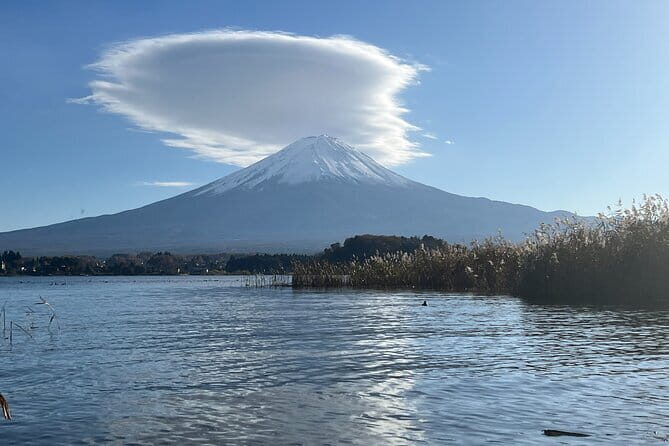
- Lake Yamanaka: calm Fuji reflections and an easy reset
- Oshino Hakkai: eight ponds fed by snowmelt
- Kitaguchi Hongu Fuji Sengen Jinja: a shrine walk through old-growth forest
- What you’ll notice as you walk
- Fujikawaguchiko and Oishi Park: flowers in front of Fuji
- Fujikawaguchiko
- Oishi Park
- Mt. Fuji 5th Station: the sense of altitude without a full summit day
- Fitness reality check
- Chureito Pagoda at Arakurayama Sengen Park: the Fuji postcard moment
- Practical drawback
- Fuji Bussharito Heiwa Park in Gotemba: chalky stupa and a quiet emotional shift
- What stands out in the park
- Why this stop works in the middle of a scenic day
- Price and value: $465 for a private group can make sense
- Who should book this Fuji escape
- Weather reality: how to plan when Fuji is shy
- Quick practical move
- Should you book this Scenic Fuji Escape?
- FAQ
- What’s included in the tour price?
- Are entrance fees covered?
- Is lunch provided?
- How long is the tour?
- Is this a private tour?
- What’s the cancellation window for a full refund?
Key highlights at a glance
- Private group of up to 6 means less waiting and more control of your pace
- English-speaking guide with strong on-the-spot help, including photo support you can actually use
- Hakone’s sulfur-and-lake contrast: torii views at Lake Ashi plus the Owakudani valley mood
- Fuji Five Lakes area hits: Oishi Park, Kawaguchiko, and the classic Chureito Pagoda viewpoint
- Peace Park in Gotemba adds an unexpected, moving cultural stop with Mt. Fuji in the background
A private Fuji escape is about control, not just sights
This is the kind of day trip that works best when you care about two things: good logistics and good storytelling. With a private setup for up to six people, you’re not fighting crowds to find the right turnoff, the right photo angle, or the right time to arrive at a scenic overlook. You’re also not spending your mental energy translating bus routes.
You’ll get an English-speaking guide, plus pickup and drop at your Tokyo starting point, in an air-conditioned vehicle. That matters because Mount Fuji area travel is partly about timing—and timing is easier when your transport is lined up for you.
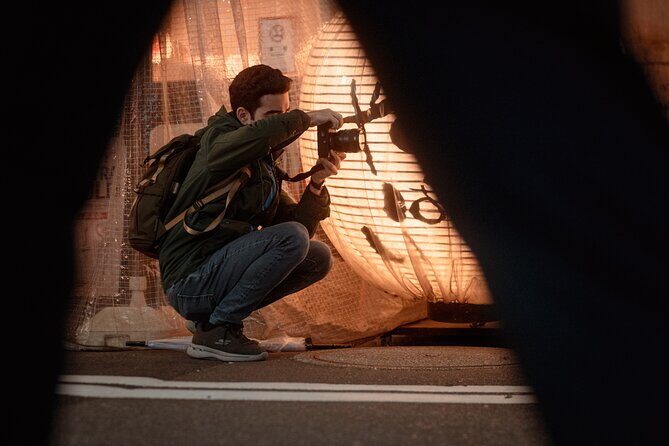
The guide also plays a big role beyond pointing. In past days on this tour, guides like Puskal were praised for being friendly and for walking with the group at each stop to keep everyone oriented, including helping with photos. If you like taking pictures but hate guessing where to stand, that’s a real value add.
You can also read our reviews of more private tours in Tokyo

Time on the clock: how the day really flows
The scheduled experience is listed as about 8 hours, while the overall tour duration is described as approximately 9 hours. Either way, plan it as a long, full day—one where you’ll want comfortable shoes and the energy to move between viewpoints.
Expect a day built around short-to-medium time blocks:
- a main chunk in Hakone and volcanic scenery,
- a shift into the Fuji lakes area,
- then shrine and lookout stops,
- ending with Gotemba’s Peace Park.
Entrance fees are not included, and lunch is not included. That means you should budget for small charges throughout the day and be ready to eat on your own (or plan a quick stop that matches your appetite and the day’s weather). If you’re the type who likes a sit-down meal at a set hour, I’d treat lunch as flexible rather than fixed.
Mobile ticketing is included, which is handy. And if you’re doing this in a group of four to six, the per-person cost usually feels more rational than taking separate taxis or trying to stitch together trains and buses yourself.
Hakone-machi: Lake Ashi torii views and the sulfur valley vibe
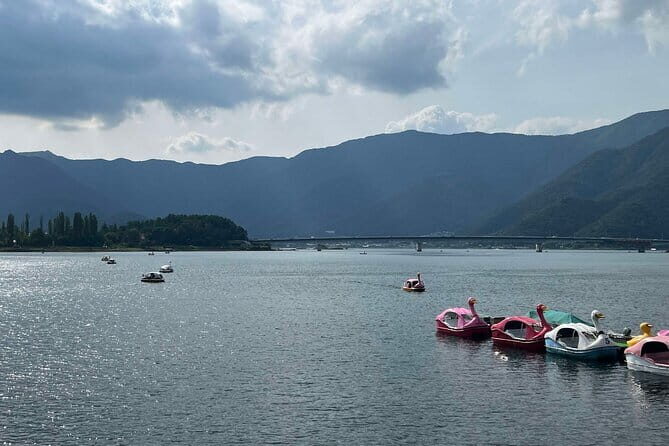
Hakone is where Mt. Fuji sightseeing starts to feel like a place, not just a view. You’ll base yourself in Hakone-machi, a mountainous town known for onsen (hot springs) and volcano-adjacent scenery. This stop is also where the visual mood swings happen fast.
What to look for here
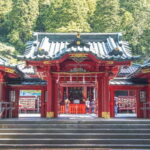
- Hakone Shrine: the classic red torii gate overlooking Lake Ashi. It’s the kind of scene that turns ordinary photos into “why is this so scenic?” photos.
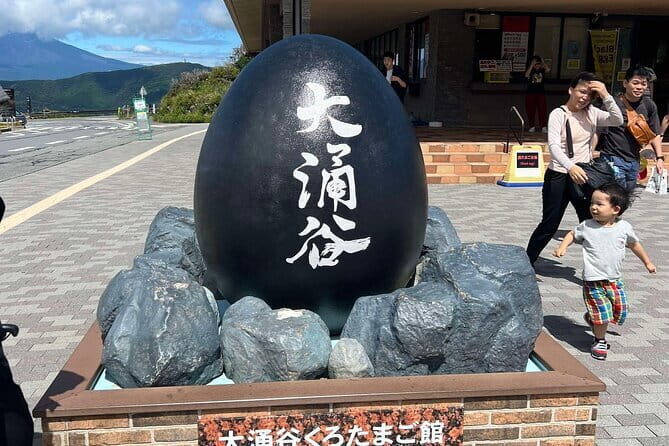
- Owakudani Valley: the boiling sulfur springs. Even if you’ve seen volcano steam before, Hakone’s sulfur atmosphere has a distinct, intense feel.
The tour lists admission as free for this stop. That’s a nice bonus because Hakone can add small costs later if you pick optional attractions.
Small practical consideration
If you’re sensitive to strong smells, sulfur areas can be intense. Also, weather matters. In clear conditions, Hakone and Lake Ashi feel crisp; in damp weather, the area can turn moody—still beautiful, just less sharp.




Lake Yamanaka: calm Fuji reflections and an easy reset
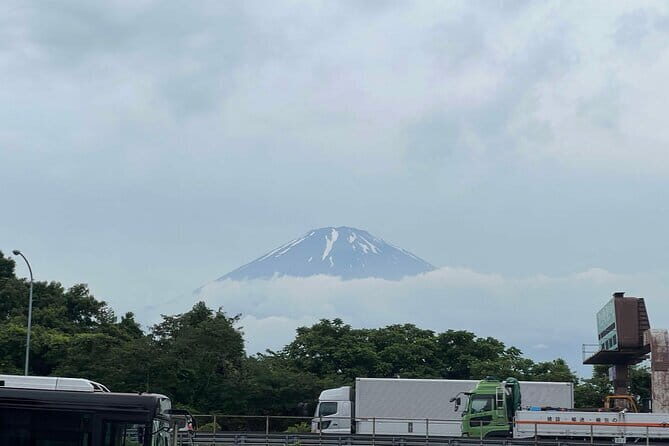
Next comes Lake Yamanaka, a Fuji Five Lakes option that often feels more relaxed than the busiest lakes. You’re there for a short visit, but the goal is clear: enjoy Fuji views with calmer pacing.
This stop gives you a chance to:
- soak in the tranquil water,
- enjoy outdoor walking options around the lake,
- and appreciate a more nature-led side of Fuji tourism.
Admission isn’t included here, but the main value is the setting and the time to breathe. If you’ve been rushing around Tokyo, this is the moment your brain finally catches up.
Oshino Hakkai: eight ponds fed by snowmelt
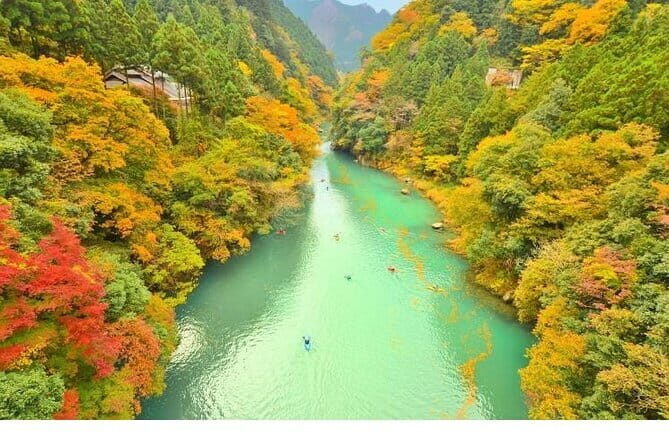
Then it’s time for something beautifully grounded: Oshino Hakkai. This area is known for eight clear ponds fed by Mount Fuji’s snowmelt. The result is water that looks unbelievably clean and bright—one of those scenes where you stop taking photos and just watch.
You’ll also find:
- traditional thatched-roof houses nearby,
- a quieter rural atmosphere compared with the most famous souvenir strips.
Admission isn’t included. That’s typical here, and it’s part of why the ponds are kept well managed. If you’re short on time, focus on the ponds and the visual rhythm of the village rather than trying to do everything at once.
Practical tip: go slow. This is the stop where a calm pace improves your photos and your enjoyment.
Kitaguchi Hongu Fuji Sengen Jinja: a shrine walk through old-growth forest
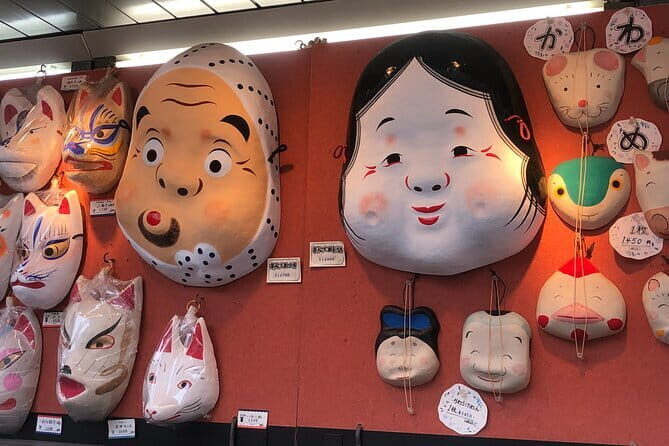
This is one of my favorite types of stops: a place where you don’t just look—you feel the space. Kitaguchi Hongu Fuji Sengen Jinja is tied to Mount Fuji worship and is part of a broader UNESCO World Cultural Heritage theme for Mt. Fuji.
Here’s what makes it special based on the details you’ll encounter on-site:
- it’s one of about 1,300 Asama shrines connected to volcano worship,
- it’s set inside a dense old-growth forest,
- the approach is shaded by tall cedar trees and lined with mossy stone lanterns.
The precinct is huge—99,000 square meters—and there are trees said to be around 1,000 years old, including an especially massive tree with about 23 meters of girth.
What you’ll notice as you walk
The grounds feel like they give you permission to slow down. If you’re the kind of traveler who rushes through temples, this one is worth taking your time. It’s also a nice contrast to the scenic lake stops—more quiet, more ritual space, less postcard.
Admission isn’t included, but you’re paying for access to a living sacred landscape.
Fujikawaguchiko and Oishi Park: flowers in front of Fuji
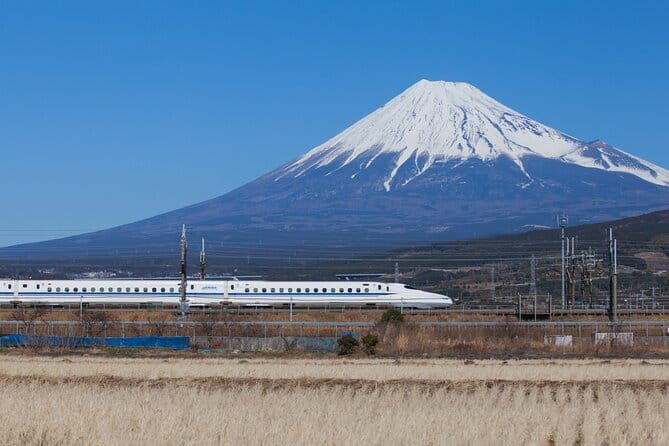
After the shrine forest calm, you’ll shift back into classic Fuji scenery with Fujikawaguchiko and Oishi Park along Lake Kawaguchiko.
Fujikawaguchiko
Lake Kawaguchiko is one of the Fuji Five Lakes and is described as being at the lowest elevation. That low-elevation feel matters visually: on clearer days, you often get stronger “Fuji-framed-by-water” views.
This stop lists admission as free.
Oishi Park
Oishi Park is the easy win for people who want a simple, beautiful promenade. It’s on the north shore of Kawaguchiko and is famous for:
- sweeping lake-and-Fuji views in one frame,
- seasonal flowers blooming along the walkway,
- a calm stroll that works well even if you’re not a serious photographer.
This stop also lists admission as free. If your goal is maximum Fuji per minute, Oishi Park is a strong candidate.
Practical photo angle tip: aim for early morning light if you can. On sunny days, photographers crowd here for a reason, and you’ll want good light and less haze.
Mt. Fuji 5th Station: the sense of altitude without a full summit day
Now you’ll head to Mt. Fuji 5th Station, where the famous mountain shifts from scenery to experience. Fuji is listed as an active volcano and is about 3,776 meters tall, and this station is a pilgrimage-style staging area.
This stop is about feeling closer to the mountain:
- learning why it’s considered one of Japan’s sacred mountains,
- understanding the long history of pilgrimage and art inspired by Fuji,
- and (if you’re up for it) seeing the mountain’s scale in a more physical way.
Admission isn’t included.
Fitness reality check
You should have moderate physical fitness. Even if you’re not attempting a summit hike, you may be walking on uneven ground and dealing with altitude and weather changes. If you’re traveling with anyone who gets tired easily, keep expectations realistic and let the guide set a steady pace.
Chureito Pagoda at Arakurayama Sengen Park: the Fuji postcard moment
From the mountain station energy, you’ll go to a viewpoint that’s basically Fuji’s best-known silhouette: Chureito Pagoda in Arakurayama Sengen Park.
This five-story pagoda is reached via 398 steps, and it’s tied to a peace memorial story. When weather is clear, the views are famous for a reason: Fuji in the background, pagoda in the foreground, and a viewpoint composition that feels instantly iconic.
This stop lists admission as free.
Practical drawback
Those steps are real. If it’s raining, icy, or you’re tired from earlier walking, it can feel like a lot. The upside is that once you’re there, you’re rewarded immediately.
If you want photos that don’t look like everyone else’s, timing matters and so does where you stand. This is exactly where having someone with you who can guide positioning helps a lot.
Fuji Bussharito Heiwa Park in Gotemba: chalky stupa and a quiet emotional shift
Here’s the stop that adds depth: Fuji Bussharito Heiwa Park (Peace Park) in Gotemba. It’s positioned on the mountainside of the outer rim of Hakone crater, and you’ll get a view of Mt. Fuji along with a peaceful, reflective setting.
What stands out in the park
- a chalky stupa as the main symbol,
- Buddha ashes presented by late Indian Prime Minister Jawaharlal Nehru (as described in the park’s information),
- four golden images of Buddha,
- guardian dog figures from Asian countries lined up in front of the stupa,
- and a Japanese garden-style circuit with ponds.
Admission is listed as free.
Why this stop works in the middle of a scenic day
Most Fuji days feel like “see, photograph, repeat.” This one interrupts that loop. It slows you down and adds a memory that’s not only about views. If you like cultural stops that still feel connected to the day’s theme, this is a strong finish.
Price and value: $465 for a private group can make sense
The price is $465 per group for up to 6 people. That pricing structure is the whole story here.
If you’re just one or two people, the cost per person can feel steep compared with public transit. If you’re a small group of four to six, you’re usually buying back time, comfort, and less hassle. You’re also paying for a private English-speaking guide, air-conditioned private transport, highway charges, and pickup/drop.
What’s not included is important:
- entrance fees,
- lunch,
- tips and gratuities.
So your actual day cost depends on what you choose at each paid entry point. Still, the included transport and guide time can be hard to beat if you’d otherwise spend the day navigating trains, transfers, and schedule gaps.
For many people, the best value here is simple: you’re paying to avoid the stress that comes with squeezing the Hakone + Fuji lakes + Mt. Fuji-area highlights into one day.
Who should book this Fuji escape
This tour fits best if you:
- want one guided day that combines Hakone volcanic atmosphere with Fuji lakes scenery,
- like having a plan but also appreciate a guide who helps with on-the-spot logistics,
- care about photos and don’t want to guess where to stand alone,
- travel with a small group so you can spread the group price.
It may not be the best match if you want a relaxed, slow day with lots of free time. The tour is paced for sightseeing, and it’s built around multiple classic stops.
And because there’s walking and stairs (including 398 steps for Chureito Pagoda), plan for moderate physical fitness.
Weather reality: how to plan when Fuji is shy
Fuji days come with a simple truth: clouds happen. When the mountain disappears, the day can still be good, but your priorities shift toward atmosphere and culture.
This tour is set up for that reality:
- you’ll spend time at temples and forested areas that still feel meaningful even when views are muted,
- you’ll visit lake and pond settings that can look moody and calm under cloud cover,
- and your guide can help you keep moving and find good photo positions when conditions change.
In past experiences on this route, the guide has been praised for staying helpful even on cloudy or rainy days and for actively helping people with photos and navigation. That’s exactly what you want if the weather doesn’t play along.
Quick practical move
Bring layers and a light rain layer. Even in warm months, weather can shift quickly around the lakes and mountain area.
Should you book this Scenic Fuji Escape?
I think this is a smart choice when you want a Fuji-focused day with less stress and more direction. The combination of Hakone, the Oshino Hakkai ponds, shrine grounds at Kitaguchi Hongu Fuji Sengen Jinja, and the Fuji lakes viewpoints like Oishi Park gives you variety that most “one-lake-only” days can’t match.
Book it if:
- you’re traveling as a small group (up to 6),
- you want a private ride and a guide who stays with you at stops,
- you’re excited by both scenery and cultural moments.
I’d hesitate if:
- you have mobility limits or dislike stair-heavy viewpoints,
- you’re traveling solo and the price per person feels too high without a group to share it,
- you’re only coming for summit views, because this day is about classic Fuji-area highlights rather than a full summit push.
If you’re flexible and you like being guided, this one is built for a memorable day—even when Fuji is playing hard to get.
FAQ
What’s included in the tour price?
The tour includes an air-conditioned vehicle, an English-speaking guide, pickup and drop, private transportation, and highway charges. Mobile ticketing is also included. Entrance fees, lunch, and tips are not included.
Are entrance fees covered?
No. Entrance fees are not included for the stops listed with admission not included, so you should expect to pay some costs during the day.
Is lunch provided?
Lunch is not included, so you’ll want to plan your own meal during the day.
How long is the tour?
The experience runs about 9 hours approximately, and the tour description also notes it as an eight-hour experience with possible extra charges for additional time beyond that.
Is this a private tour?
Yes. This is a private tour/activity, and only your group participates.
What’s the cancellation window for a full refund?
You can cancel up to 24 hours in advance for a full refund. If you cancel less than 24 hours before the start time, the amount paid isn’t refunded.