REVIEW · TOKYO
Sake & Food Pairing with Sake Professional
Book on GetYourGuide →Operated by Ninja Food Tours · Bookable on GetYourGuide
A tour about sake can sound serious, but this one stays fun. You’ll taste five sake styles, pair them with Japanese snacks, and leave with a tasting chart you can actually use back home. What I like most is how the session makes sake feel approachable, even if you’ve only had the strong stuff; I also love the small-group vibe with English guidance from pros like Tadashi, Joe, Max, and Andrea. One heads-up: it’s not a full meal, and you’ll be drinking plenty, so plan to eat first.
The location is also part of the experience. You meet at Ushinobi Sake Bar in Shinjuku, on the second floor, so you get a real neighborhood bar feel instead of a generic classroom. The class focuses on how to notice differences between breweries and styles, not just tasting a few cups. If you’re expecting a quiet, formal museum-style talk, this is more hands-on and social.
In This Review
- Key things that make this sake class worth your time
- A 150-Minute Small-Group Sake Lesson in Shinjuku
- Finding Ushinobi Sake Bar: the “second floor” detail that matters
- What you’ll taste: five sake styles across Japan (and how to notice differences)
- The snack pairing: why it’s not just food, it’s part of the lesson
- Your personalized tasting chart: turning impressions into a buying guide
- Meeting Tokyo sake lovers for local direction you can use later
- Price and value: is $69 per person a fair deal?
- Who should book this sake-and-snack experience (and who should skip it)?
- Should you book this tour? My straight answer
- FAQ
- How long is the sake and food pairing experience?
- How much does it cost?
- Is transportation included?
- What’s included in the tour?
- How many types of sake will I taste?
- What language is the guide?
- What’s the group size?
- Is the venue hard to find?
- Are there any dietary restrictions or health limits I should know about?
Key things that make this sake class worth your time
- Five sake tastings in one session: You’ll try different styles from across Japan, which is the quickest way to reset your idea of sake.
- A tasting chart you build yourself: You’ll track flavors and impressions in a way that helps you shop and order later.
- English guidance in a small group (up to 10): You’ll get explanations you can follow and questions you can ask.
- Local Japanese snack pairings: Food changes what you taste, and this class uses that on purpose.
- Guides who keep it energetic: From Tadashi and Joe to Max and Andrea, the sessions stay lively while still being structured.
- Local tips from Tokyo sake lovers: You’ll get practical direction on what to look for after you leave.
A 150-Minute Small-Group Sake Lesson in Shinjuku
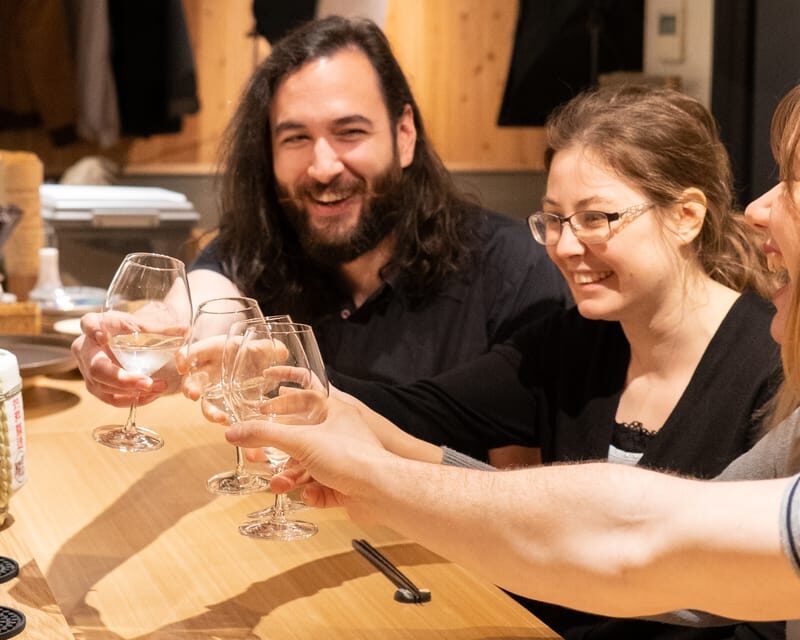
This is the kind of Tokyo activity that fits perfectly between sightseeing blocks. The duration is 150 minutes, long enough to feel like you learned something real, but not so long that you’re exhausted by the end. You’ll be sitting in a small group limited to 10 participants, which matters because sake tasting isn’t a hands-off activity. The best part is that you can actually ask questions in English and get clear, direct answers.
I like that this class is built around the idea that your first impression of sake might be wrong. If your home experience has been limited to one style—usually the straightforward, higher-heat, stronger-flavored version—this session shows you that sake can be delicate, dry, fruity, and surprisingly varied. And that shift matters: once you understand what you’re tasting, ordering sake in Japan (or choosing it later elsewhere) stops feeling like a guessing game.
Guides leading these sessions can include Tadashi, Joe, Max, or Andrea, and the energy in the room seems to be a consistent theme. Even when someone starts the class not liking sake, the structure helps them connect the dots between style and taste.
You can also read our reviews of more food & drink experiences in Tokyo

Finding Ushinobi Sake Bar: the “second floor” detail that matters

Your meeting point is Ushinobi Sake Bar in Shinjuku. The closest station is Okubo (JB09, South Exit). You’ll enter the venue directly on the 2nd floor. That’s not a throwaway detail. Hidden entrances and stair-only access are common in Tokyo, and this one is specifically noted as easy to miss.
Do yourself a favor: check the map link before you go, then do a quick pre-game look at the entrance photo so you’re not wandering with a confused face while everyone else is already seated. The venue entrance is described as a bit hidden, and the recommendation is to check it ahead of time.
If you’re coming from central Tokyo, you’ll likely arrive with other plans too. Still, this is one of those tours where showing up smoothly helps you relax fast—because once you’re seated, you’ll move into tasting and explanation right away.
What you’ll taste: five sake styles across Japan (and how to notice differences)
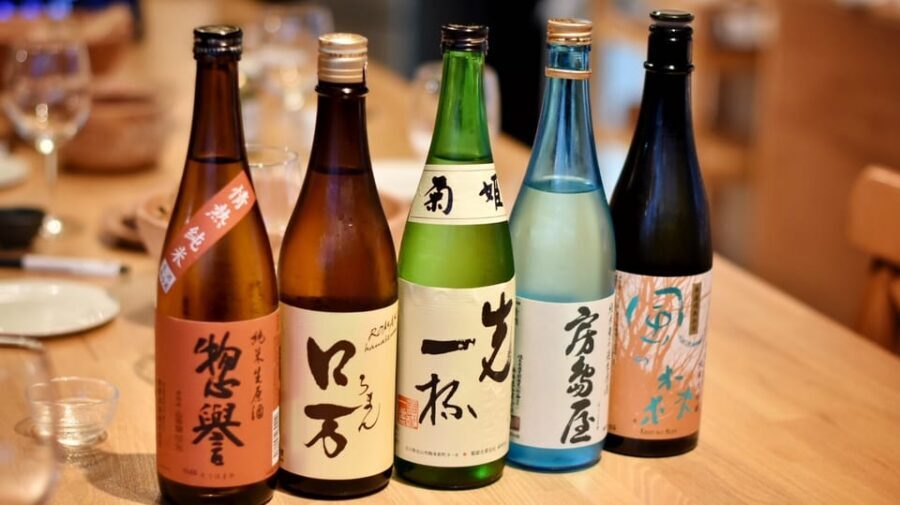
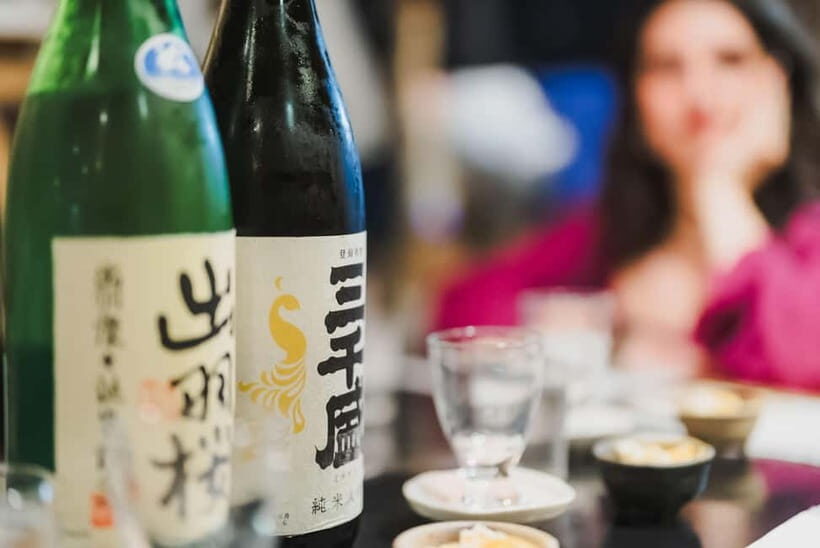
The heart of the experience is simple: you’ll sample five different types of sake from across Japan. That number is key. One sake tasting is fun; five tastings build a pattern. By the time you’ve tasted enough rounds to compare, you start hearing the same words used in Japan—dry, fruity, clean, mellow, and so on—and you can map those words to what’s in front of you.
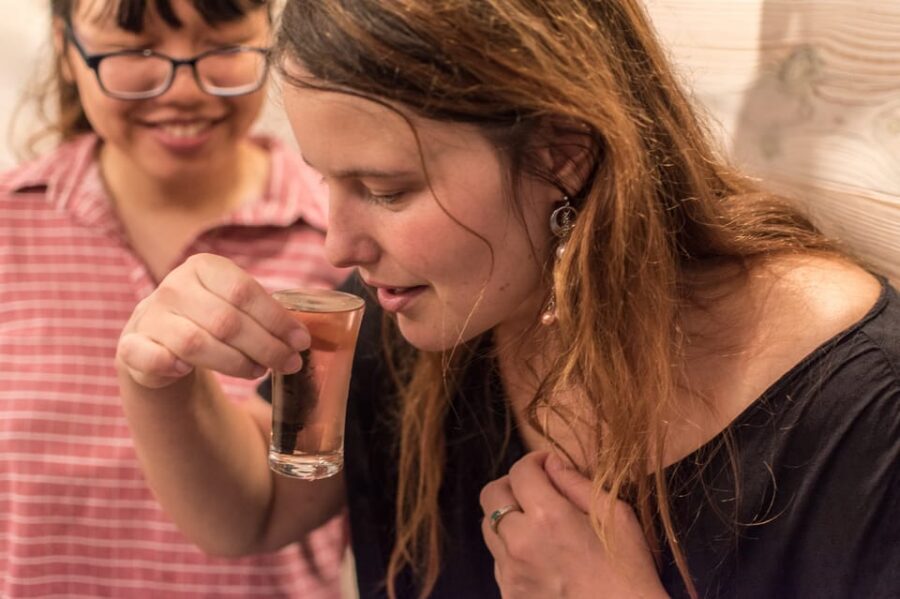
You’ll also create your own sake tasting chart. This is one of those activities that feels small at first, but it’s what makes the lesson stick. Instead of relying on memory, you’ll record impressions while they’re fresh. That means you can revisit your notes later when you’re trying to buy sake, choose a bottle at a restaurant, or explain preferences without sounding like you’re guessing.
The class also frames sake as more flexible than many people expect. You’ll hear about how even traditional breweries produce multiple styles today, shaped by modern makers and different tastes across generations. That context is practical. It helps you stop thinking of sake as one drink and start thinking of it like beer or wine—different producers, different brewing choices, different outcomes in the glass.
The snack pairing: why it’s not just food, it’s part of the lesson
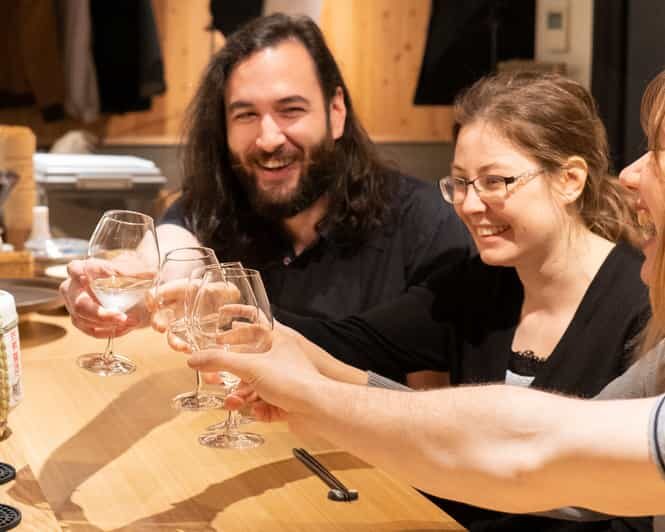
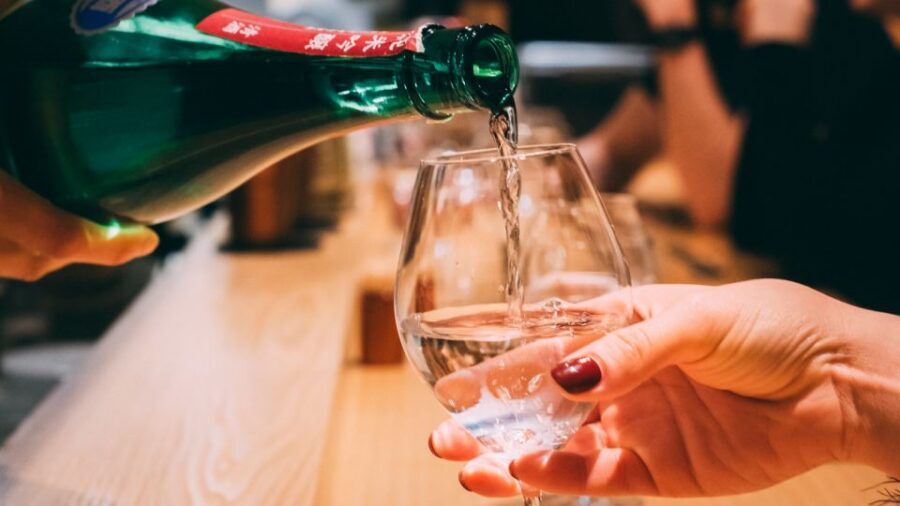
You don’t get a full meal, but you do get Japanese snacks paired with your tastings. This is a big deal, because food changes how sake reads on your palate. The tour uses snacks to show you how the same sake can feel different with different flavor and texture companions.
Here’s the real-life consideration: several people point out that you should eat before you go. One reason is straightforward—you’ll be drinking plenty during a 150-minute experience. Another reason is that your palate performs better when you’re not starting from empty. If you come hungry, the class can feel heavier than it needs to.
One review feedback also suggests having more substantial food would be ideal. So I’ll say it plainly: treat the snacks as part of the program, not your dinner plan. If you want the night to feel comfortable, schedule this earlier in the evening, then eat a proper meal afterward.
Your personalized tasting chart: turning impressions into a buying guide
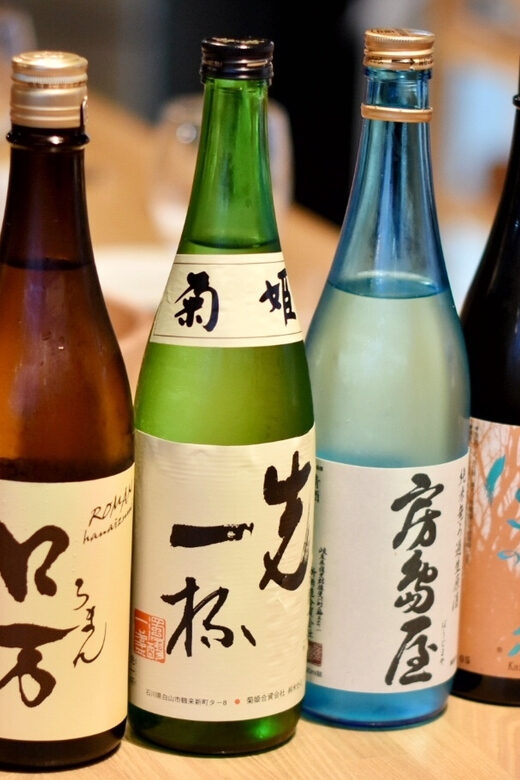
If you’ve ever tasted multiple types of alcohol and then tried to remember which one you liked later, you already know why a tasting chart helps. This class has you build your own chart during the tasting.
That chart gives you a framework for comparison, like:
- what you notice first (aroma, dryness, sweetness)
- how it feels on the tongue
- what changes when you take another sip after a snack
- how you might describe it later without relying on vague words
The value here is that you’ll start learning the same kind of thinking that Japanese sake lovers use. And you’ll be able to translate it into real-world decisions. Instead of grabbing whatever label looks familiar, you can look for the style that matches your preferences—often the difference between a sake you enjoy and a sake you push aside.
The class is also structured so your tasting chart isn’t just busy work. It supports the explanations about each brewery and how each sake style is different. That connection between what you wrote down and what the guide explains is what turns this from a quick tasting into a skill.
A few more Tokyo tours and experiences worth a look



Meeting Tokyo sake lovers for local direction you can use later
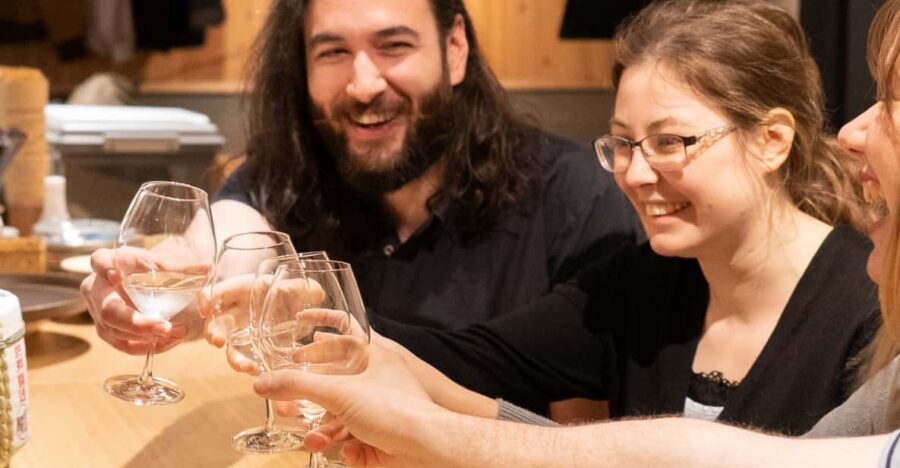
Besides the tasting and education, you’ll also get the social part: meeting Japanese sake lovers in Tokyo and picking up local tips. This is the kind of value you can’t replicate from a guidebook. The difference is that the tips are tied to what you’re tasting that day.
You’ll likely walk away with better instincts for what to try next. One strong example from feedback: people who came in not usually liking sake ended up enjoying the class, and in at least one case, got recommendations for what to choose after. Even if you’re just curious and not planning to become a sake collector, this kind of guidance helps you avoid the common tourist trap: ordering the only bottle you recognize.
And since the class is in Shinjuku, you’ll be well-positioned to apply what you learn soon after. Tokyo restaurants and bars make sense once you can interpret what you’re seeing on the menu.
Price and value: is $69 per person a fair deal?
At $69 per person for 150 minutes, this class prices itself like an educational experience rather than a casual bar tasting. Whether it feels like a good value depends on what you want out of it.
Here’s the value logic:
- You get five sake tastings, not just one or two.
- You get snacks paired to the tasting.
- You get a live English guide with small-group attention.
- You create a tasting chart, which extends the value beyond the moment you drink.
If your goal is to sample widely and get a usable framework, this price can feel reasonable. If your goal is to drink casually with no structure, you might not get your money’s worth. But for most people, the “learn how to taste” part is what makes it worth it.
Who should book this sake-and-snack experience (and who should skip it)?
This class is best for you if:
- you want a fast introduction to sake with real tastings and context
- you like learning through doing, not just listening
- you prefer small-group experiences where you can ask questions in English
- you want practical help choosing sake in Japan later
It may be a weaker fit if:
- you’re looking for a full dinner experience (snacks are included, not a full meal)
- you’re sensitive to alcohol and don’t want to taste multiple rounds
- you’re pregnant, since the activity is noted as not suitable for pregnant women
One more practical fit check: plan to go even if you’re a beginner. The class is designed for people who have only had limited sake experiences before, and it aims to change your assumptions quickly.
Should you book this tour? My straight answer
Book it if you want one afternoon in Tokyo that teaches you how to taste sake like a regular—not like a tourist. The combination of five tastings, guided explanations, and your own tasting chart is the kind of learning tool that sticks.
Skip it if you’d rather do a freeform sake bar crawl where you choose at random and don’t care about learning the styles. Also, if you tend to get overwhelmed by alcohol tastings, eat well beforehand and go in with a calm pace.
If you do book, do two things that will make it better: arrive hungry enough to enjoy the snacks but not so hungry that you feel rushed, and study how to find the second-floor entrance before you arrive.
FAQ
How long is the sake and food pairing experience?
The experience lasts 150 minutes.
How much does it cost?
It costs $69 per person.
Is transportation included?
No. Transport is not included.
What’s included in the tour?
You’ll get sake tastings and Japanese snacks (not a full meal).
How many types of sake will I taste?
You’ll taste five different types of sake.
What language is the guide?
The tour has a live English guide.
What’s the group size?
It’s a small group limited to 10 participants.
Is the venue hard to find?
The entrance is described as a bit hidden, and you enter the venue directly on the 2nd floor at Ushinobi Sake Bar in Shinjuku.
Are there any dietary restrictions or health limits I should know about?
If you have dietary restrictions, you should tell the supplier in advance. The experience is not suitable for pregnant women.