REVIEW · TOKYO
Sake Pairing Workshop with Japanese Food in Shinjuku
Book on Viator →Operated by Alva Japan Tours 🇯🇵 · Bookable on Viator
Tokyo does sake best when you learn it with food. A Shinjuku workshop turns tasting into a skill, not a guessing game, with a bilingual guide showing how aroma and temperature change what you taste. You’ll also get the basics of Kanpai so you can fit right into Japanese dining rhythm.
I especially like the structure: you eat a real Japanese dinner—chicken nanban, miso-butter dishes, sea urchin croquettes, and vanilla taiyaki—while matching it to sake. The all-you-can-drink set includes 20 sakes plus beer and soft drinks, so you can compare without feeling rushed.
One consideration: this experience leans hard into the tasting + drinking format and includes seafood (the sea urchin croquettes are part of the meal). If you dislike seafood or prefer very light alcohol sampling, you may want to adjust your expectations before booking. Also, good weather is required, so there’s a small chance of rescheduling.
In This Review
- Key Things to Know Before You Go
- Shinjuku Is a Smart Pick for Sake + Japanese Food
- Meeting Point at H&M Shinjuku and What the 2 Hours Feels Like
- The Sake Tasting Lesson: Aroma, Kanpai, and Temperature
- The Guided Pairing Flight: Chicken Nanban and Miso-Butter Hits
- Sea Urchin Croquettes with Nigori (Creamy & Sweet)
- Taiyaki Finale: Vanilla Fried Sweetness Meets Sweet Sake
- All-You-Can-Drink for 20 Sakes: How to Pace It Like a Pro
- Price and Value: Is $73.17 Worth It?
- Who Should Book This Sake Pairing Workshop
- Should You Book the Shinjuku Sake Pairing Workshop?
- FAQ
- How long is the sake pairing workshop?
- Where do we meet for the workshop?
- What’s included in the dinner?
- How many sakes are included, and do I get a flight?
- Is beer or soft drinks included?
- How many people are in the group?
- Is there free cancellation, and are there weather conditions?
Key Things to Know Before You Go
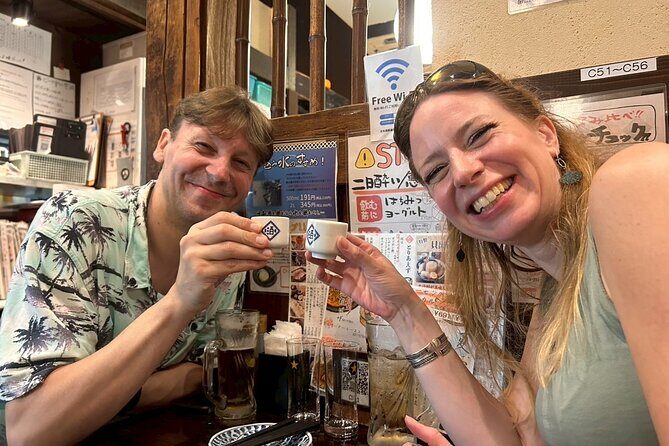
- Bilingual instruction with a hands-on tasting mindset so you learn what to notice, not just what to sip
- A 4-sake pairing flight matched to the dinner courses
- All-you-can-drink for 2 hours with 20 sakes plus beer and soft drinks
- A small group (max 12 people), which keeps questions from getting lost
- Temperature and aroma lessons that you can reuse on your next sake stop
- A meal built for comparison (chicken nanban, miso-butter dishes, sea urchin croquettes, taiyaki)
Shinjuku Is a Smart Pick for Sake + Japanese Food
Shinjuku is one of those Tokyo neighborhoods where “food and fun” are always within a few minutes’ walk. That matters for this workshop because it’s not just about drinking sake in a vacuum—it’s about tasting how sake behaves with Japanese flavors, then letting you keep exploring after.
What I like about the Shinjuku location choice is practical: you’re in a major, easy-to-navigate area. The meeting point is near public transportation, which lowers the stress level when you’re pairing a food experience with an already-packed Tokyo day.
Also, the workshop format is designed for real learning, and Shinjuku’s restaurant-and-bar density makes it easier to continue the habit afterward. Once you learn how to read Japanese labels and recognize what you like, Tokyo keeps rewarding you—same city, more chances to test your new instincts.
You can also read our reviews of more food & drink experiences in Tokyo
Meeting Point at H&M Shinjuku and What the 2 Hours Feels Like
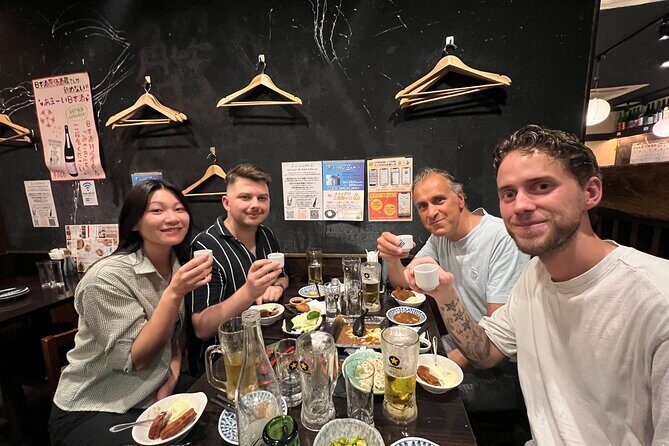
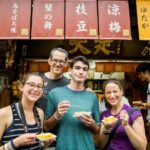
You meet at H&M at 3-chōme-5-4 Shinjuku, Shinjuku City, Tokyo. You’ll end back at the meeting point, so you’re not stuck navigating your way out at the end while your taste buds are still spinning.
The experience runs about 2 hours, which is short enough to fit into a Tokyo schedule but long enough for a real pace: you’ll learn the tasting fundamentals, do a guided pairing flight, and then enjoy an all-you-can-drink menu alongside your meal.
Bring your mobile ticket (you’ll use it for entry), and think of the first few minutes as calibration time. I’d treat it like a class that happens while you eat: listen closely at the start, because later choices—especially when there are 20 sakes on the menu—go much faster when you know what to look for.
The group max of 12 people also helps. With that smaller size, your bilingual guide can adjust explanations and answer questions instead of speaking only at full speed over everyone.
The Sake Tasting Lesson: Aroma, Kanpai, and Temperature
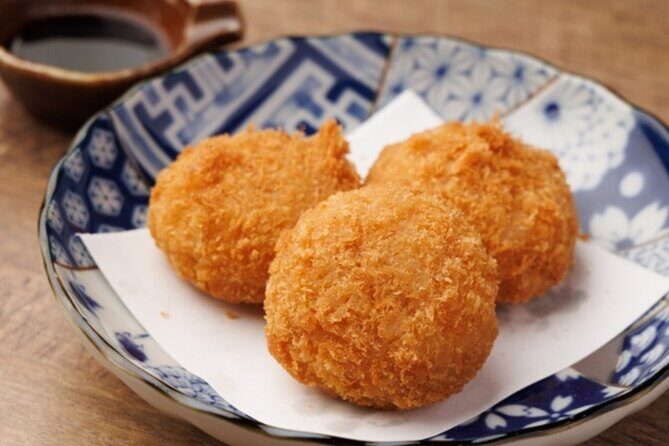
This workshop’s best move is teaching you a tasting method you can reuse. Instead of asking you to memorize sake terms, the guide walks you through what to notice.
You start with sake fundamentals: aroma appreciation is a big piece. The idea is simple—sake isn’t only flavor. Smell sets expectations, so you learn how to pick up different scent styles before you even taste.
Then comes the etiquette side: you’ll learn essential Kanpai manners. It sounds small, but it’s actually part of reading the room in Japan. When you know the basic flow, you can focus on the drink and food instead of worrying about what to do with your glass.
Finally, the workshop emphasizes the effect of temperature. Warm versus cold sake can taste like different drinks. In general terms, chilling often makes sake feel sharper and cleaner, while warming can bring forward softer rice sweetness and deeper aroma. The guide’s explanations are the value here: you’re not just tasting—you’re learning the “why,” so future tastings feel less random.
The Guided Pairing Flight: Chicken Nanban and Miso-Butter Hits
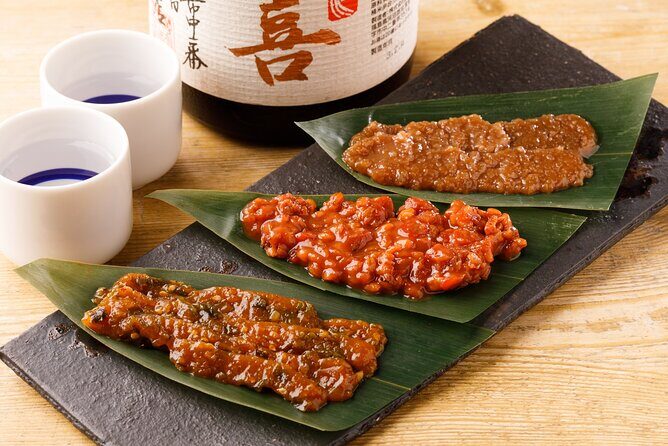
Your meal is not an afterthought. It’s the testing lab.
You’ll do a guided pairing flight: four distinctive sakes that match the dinner courses. The guide explains the reasoning behind pairings, so you’re not stuck guessing. That’s a huge difference between a casual tasting and a workshop where you actually learn.
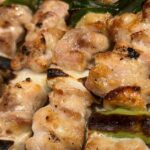
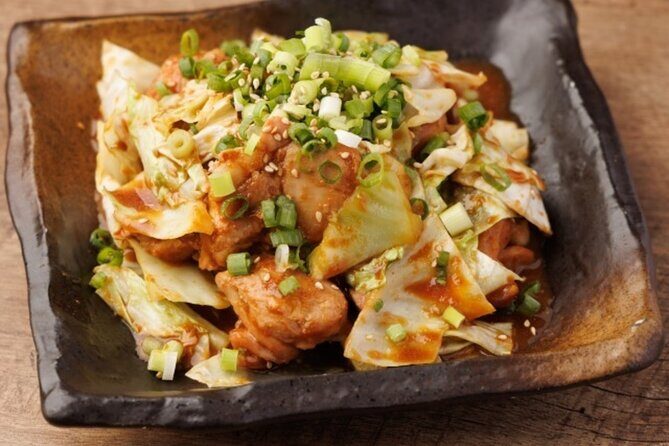
One of the first savory targets is Chicken Nanban. Chicken nanban brings tangy flavors and a crispy texture, and the workshop pairs it with a crisp sake style. The logic is that acidity and crispness can cut through fried or sauced elements, keeping the food tasting bright instead of heavy.
Then you’ll move into miso-butter dishes matched with richer brews. Miso and butter have a fatty, savory depth, so the guide’s pairing choices help you experience how sake structure can either sharpen the flavors or round them out. It’s a food-first way to understand sake styles: instead of reading labels alone, you connect flavors in your mouth to the alcohol’s profile.
If you’re the kind of person who always wonders why one drink suddenly tastes amazing with a specific meal, this section answers that question in practical language.
Sea Urchin Croquettes with Nigori (Creamy & Sweet)
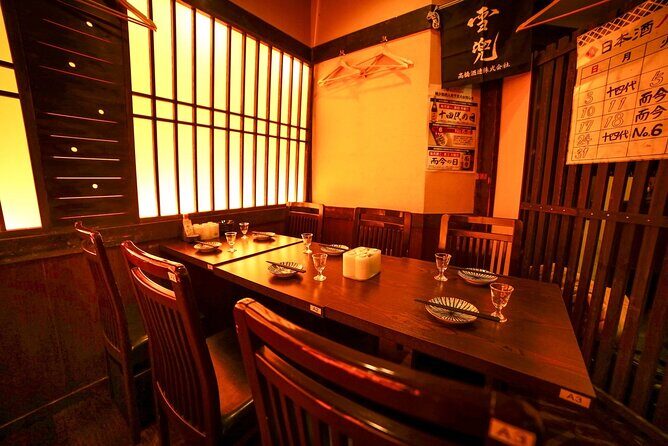
About halfway through, the workshop shifts into texture and sweetness. You’ll get a segment focused on creaminess and sweetness for around 30 minutes.
This is where you try Nigori sake paired with sea urchin cream croquettes. Nigori sake is known for its cloudy texture, and in a pairing like this you’re watching how that softness plays with rich, briny seafood flavors.
The croquettes bring a creamy interior and a savory ocean note. Nigori’s slightly sweet, smooth profile can make the overall bite feel cohesive—less like two separate tastes and more like one combined flavor experience. This is also a good moment to practice what you learned earlier: aroma first, then temperature, then flavor changes as you move through sips.
One practical note: because sea urchin croquettes are part of the meal, you should like (or at least be willing to taste) seafood. If sea urchin isn’t your thing, this is the one area where the workshop may feel less flexible than you’d want.
A few more Tokyo tours and experiences worth a look

Taiyaki Finale: Vanilla Fried Sweetness Meets Sweet Sake
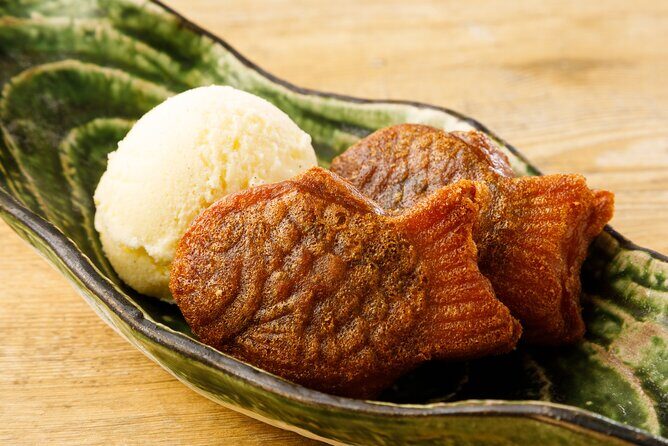
You finish with dessert that’s made for contrast: crispy fried vanilla taiyaki matched with a sweet sake.
Taiyaki already has a comforting sweetness, and the fried style adds crunch and warmth. Pairing it with sweet sake is smart because it keeps the ending consistent—your taste buds aren’t left hunting for flavors at the end of a tasting session.
This final pairing matters because it teaches you something practical for real life. Sake isn’t only for savory food. When you can identify what kind of sake sweetness works with dessert, you’ll have an easier time ordering later, whether you’re trying another workshop or stopping at a bar.
Think of the last segment as a “close the loop” moment: you use everything you learned—aroma, temperature effects, and pairing logic—to understand why dessert works with sake instead of replacing sake with tea or beer.
All-You-Can-Drink for 20 Sakes: How to Pace It Like a Pro
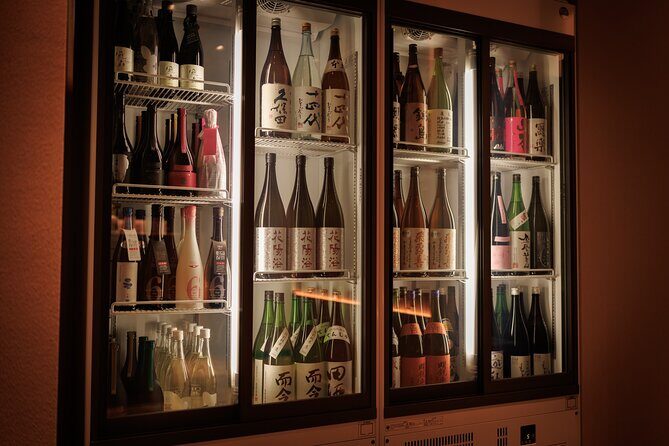
After the structured pairing flight, you get an all-you-can-drink menu with 20 sakes, plus beer and soft drinks. It’s a lot of choice, and the workshop’s value is that you’re not just wandering through brands—you’re learning how to compare.
Here’s how I’d pace it so you actually learn:
- Start with one or two sips early so you know the menu’s general flavor range.
- Use the food you’re already eating as your reference point. If a sake tastes amazing with chicken nanban, try it again as the next dish arrives (you’ll notice differences faster).
- If you feel buzzed, switch to beer or a soft drink. The point isn’t to power through—it’s to taste and compare with control.
You’ll also learn how to read Japanese labels, which helps you extend the experience beyond this meal. That skill matters because sake menus can feel like code. Once you understand the basics, you stop relying entirely on staff recommendations.
With a max group size of 12, you’re not stuck waiting for your turn to order either. You can keep your experience moving at your pace, which is especially important for something alcohol-focused.
Price and Value: Is $73.17 Worth It?
At $73.17 per person, you’re paying for two things: instruction and a full dining + drinking package.
This is why the value can be strong. You get:
- A hands-on sake tasting with explanation of aroma, Kanpai basics, and temperature effects
- A course dinner that includes multiple savory items and dessert
- A guided 4-sake flight
- Unlimited access to a menu of 20 sakes, plus beer and soft drinks
In Tokyo, a meal can easily take a big chunk of your budget. Adding a guided tasting element often costs extra, and yet here it’s wrapped into the same 2-hour experience. The small group size also signals you’re more likely to get real attention rather than one-way instruction.
The only “watch it” angle is that this is still a structured workshop with included dishes. If you have strong dislikes (especially sea urchin) or you don’t want a sake-heavy experience, you may not get the payoff you want.
If, however, you like learning by doing—tasting, comparing, and getting explanations—this price can feel very fair for what you get.
Who Should Book This Sake Pairing Workshop
I’d point you toward this experience if you want:
- A straightforward way to learn sake tasting without needing a sake dictionary
- Food-and-drink pairing practice using specific dishes like chicken nanban, miso-butter items, and sea urchin croquettes
- A guided bilingual experience where the “why” behind pairings is explained
- A small-group setting with up to 12 people and enough menu variety to experiment
It’s also a good fit if you’re visiting Tokyo for the first time and want one structured “Japan taste” experience that goes beyond ordering what sounds right.
I’d skip—or at least rethink—if you strongly dislike seafood or you want a very low-alcohol meal. This workshop is built around sake, and even though soft drinks are available, the pacing and learning are centered on sake.
Should You Book the Shinjuku Sake Pairing Workshop?
If your goal is to leave Tokyo knowing what to order next time, I’d say yes. The workshop teaches tasting fundamentals—especially aroma and temperature—and ties them to real food pairings. The all-you-can-drink 20-sake menu then gives you room to test what you learned instead of stopping at a single flight.
Book it if you enjoy structured learning with good food and you’re open to the featured dishes. Sea urchin croquettes are the one make-or-break item—be honest with yourself there.
One more timing tip: this type of experience is often booked ahead (on average 31 days in advance), so if your dates are firm, don’t wait too long.
FAQ
How long is the sake pairing workshop?
It lasts about 2 hours.
Where do we meet for the workshop?
You meet at H&M, 3-chōme-5-4 Shinjuku, Shinjuku City, Tokyo 160-0022, Japan, and it ends back at the meeting point.
What’s included in the dinner?
The course dinner includes items such as chicken nanban, croquettes, and taiyaki, along with other dishes listed as part of the meal.
How many sakes are included, and do I get a flight?
You get a 4-sake flight as part of the experience, and you also have all-you-can-drink access to a menu of 20 sakes.
Is beer or soft drinks included?
Yes. The all-you-can-drink plan includes beer and soft drinks along with the 20 sakes.
How many people are in the group?
The maximum group size is 12 people.
Is there free cancellation, and are there weather conditions?
Free cancellation is available up to 24 hours before the experience starts for a full refund. The experience requires good weather, and if it’s canceled due to poor weather you’ll be offered a different date or a full refund.