REVIEW · TOKYO
Shibuya Hands On Sushi Making Class with Chef
Book on Viator →Operated by Tokyo’s Exclusive Sushi Making Class with a Sushi Chef · Bookable on Viator
Sushi gets personal when you make it. This 90-minute Shibuya workshop puts you at a pro sushi chef’s station, learning how to season sushi rice and shape real classics like nigiri and maki. I like the focus on technique over vague “watch and snack,” and I also like the small class size, so you get real hands-on help instead of just standing back.
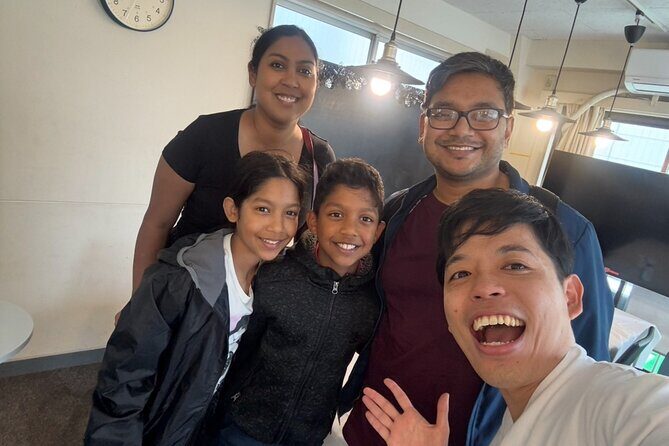
Two standout things for me: the chance to work with fresh, high-quality neta like tuna and salmon, and the fact that you actually take part in the whole flow—rice prep, shaping, rolling, and then eating what you made with your group. In one review, the chef named Tero was especially praised for being friendly, informative, and great with kids, which is exactly the vibe that makes this feel like a shared experience, not a factory line.
One possible drawback: at about 90 minutes, it’s a taste-and-skill boost, not a full multi-course meal. You’ll make 7+ pieces, which is satisfying, but if you’re hungry for a long sit-down dinner, plan to eat again afterward.
In This Review
- Key things to know before you go
- Shibuya sushi class: a hands-on lesson, not a show
- What happens in the 90 minutes
- Seasoned sushi rice: the foundation you taste
- Shaping basics: practice makes it edible
- Toppings (neta): fresh, varied, and very “chef-y”
- The moment you put on the hachimaki
- Making nigiri, maki, and gunkan: what you learn through your hands
- Nigiri: getting the shape and feel right
- Maki: rolling that actually holds
- Gunkan: building a sushi piece that stands up
- Eating together: your sushi, your pace
- Chef guidance: why the human touch matters
- Price and value: what you’re really getting for $43.18
- Who this class is best for in Tokyo
- Practical tips for a smoother class day
- Should you book this Shibuya hands-on sushi class?
- FAQ
- How long is the sushi making class?
- What size is the group?
- What sushi types will I learn to make?
- Will I eat what I make?
- Do I get a souvenir?
- When will I get confirmation after booking, and can I cancel?
Key things to know before you go
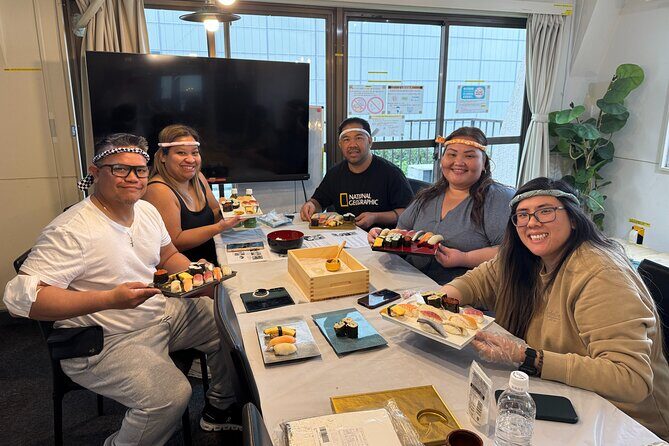
- Small group size (max 6) means more coaching while your hands are working.
- Chef-led technique covers seasoned sushi rice plus shaping for nigiri, maki, and gunkan.
- You’ll use 7+ types of toppings (neta), including tuna, salmon, and gizzard shad.
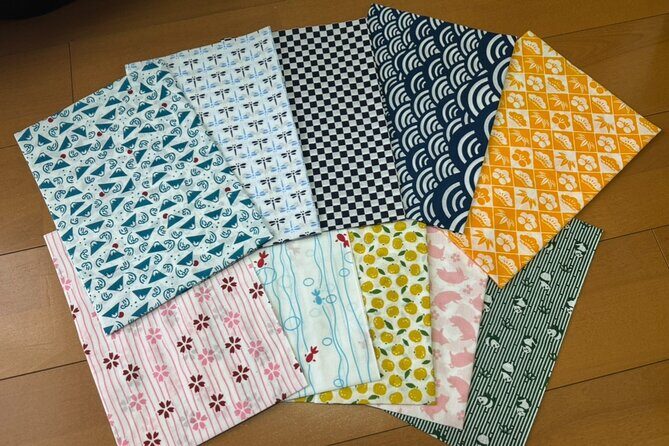
- Hachimaki headband + tenugui souvenir give the class that proper Japan touch.
- You eat your own sushi with your group, with time for chatting and photos.
Shibuya sushi class: a hands-on lesson, not a show
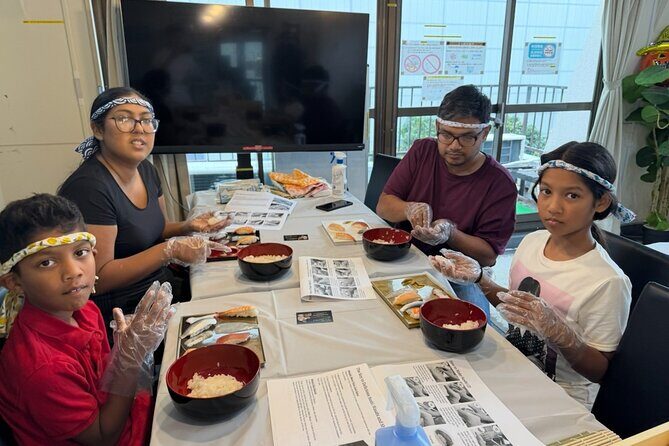
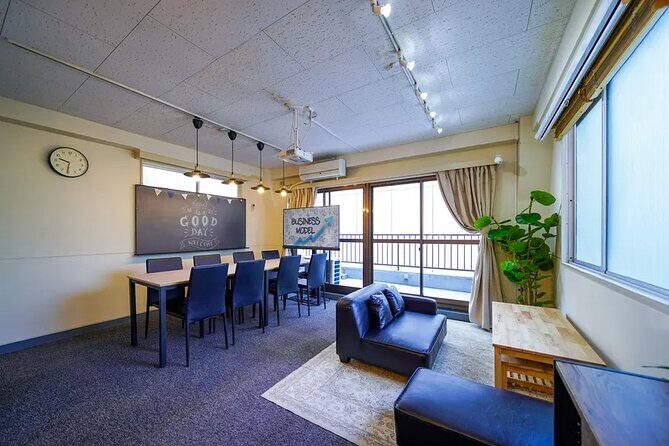
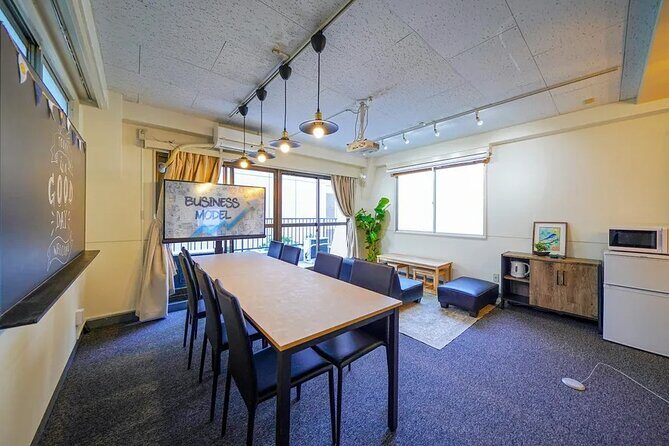
Shibuya is a great place to do this kind of activity because it’s easy to fit into a day. You’re not stuck on some far-out excursion. The class starts at 2-chōme-14-6 Shibuya, Tokyo, and it’s described as near public transportation, which matters in a city where walking can be great but sudden rain can ruin your plans.
What you’re really paying for is time with a sushi chef and the chance to practice. This isn’t just tasting sushi; it’s learning the steps that make sushi taste right. The workshop centers on perfectly seasoned rice and on shaping sushi in the main styles: nigiri, maki, and gunkan.
The setting also encourages a relaxed social rhythm. You’re making pieces, you’re learning what to correct, and then you’re eating together. That combo—work first, reward right after—is why these classes tend to stick with you long after the photos are uploaded.
A few more Tokyo tours and experiences worth a look

What happens in the 90 minutes
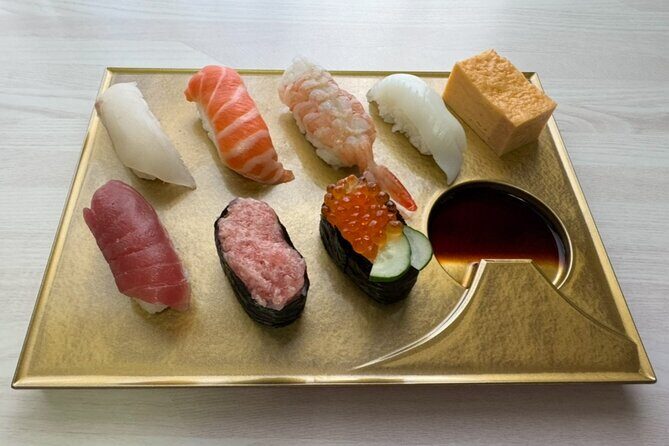
The total time is about 1 hour 30 minutes, and the structure is straightforward. You’ll move from core technique to building finished sushi pieces. The pace matters because you’ll be doing more than one thing with your hands, and the chef will guide you while you practice.
Here’s the practical flow you can expect:
Seasoned sushi rice: the foundation you taste
Sushi lives or dies with the rice. The class specifically focuses on the secrets of seasoned rice—how it’s made, how it should feel, and how that impacts the final bite. Even if you’ve eaten sushi before, you might not have realized how much the rice seasoning affects everything else.
In plain terms: once the rice is right, the topping looks better, the texture feels balanced, and the whole piece holds together.
Shaping basics: practice makes it edible
Then you’ll practice rolling and shaping. The course covers classic forms:
- Nigiri: hand-shaped sushi
- Maki: rolled sushi, where the rice and filling get wrapped and sliced
- Gunkan: the style that uses a seaweed form to hold a topping (you’ll learn how it’s shaped so the “cup” effect works)
You’ll make more than 7 pieces, which is a meaningful amount. It’s enough to see your progress during the session, not just enough to say you tried once.
Toppings (neta): fresh, varied, and very “chef-y”
You’ll use more than 7 types of high-quality neta, including tuna and salmon, plus traditional favorites like gizzard shad. That variety is part education and part enjoyment: you’ll get to compare how the same rice and technique behaves with different fish.
And yes, the reviews highlighted that the fish felt fresh and the chef was informative. That matters, because hands-on cooking only feels worthwhile when the ingredients live up to the lesson.





The moment you put on the hachimaki
A fun detail that’s more than just costume: you’ll put on a traditional hachimaki headband. It signals that you’re not just observing. You’re in the role. It also helps set the tone for the class—serious technique, but with a playful, cultural marker.
From a practical standpoint, headbands also remind you that this is a “do it yourself” session. You’ll be shaping with both hands, and you’ll likely want your face clear so you can focus on what the chef is showing.
Making nigiri, maki, and gunkan: what you learn through your hands
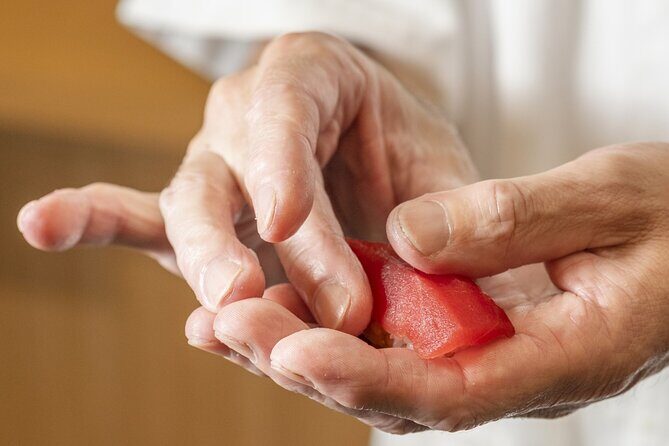
This is the heart of the class. You’re not just learning sushi as a concept; you’re learning it as a set of physical skills—pressure, shape, alignment, and how much rice to use.
Nigiri: getting the shape and feel right
With nigiri, the goal is balance. The topping and rice should fit together so each bite has the right texture and proportion. The chef guidance helps you avoid the two common beginner problems: making pieces too loose or shaping them so tightly that they lose the intended bite.
Maki: rolling that actually holds
With maki, your main job is keeping the roll together. The rice layer needs to be even, and the roll needs to stay compact enough to slice cleanly. Even if your first attempt isn’t perfect, you’ll get feedback while you practice.
Gunkan: building a sushi piece that stands up
Gunkan is unique because the shape has to hold its form. The class teaches you how it’s assembled so the topping sits the way it’s supposed to. If you like learning “how things work,” gunkan is the one that turns sushi from food into a small craft project.
Across all three, the underlying theme is the same: rice seasoning plus correct shaping equals flavor and texture. That’s why this kind of class is so valuable for first-timers—once you feel the process, sushi stops being mysterious.
Eating together: your sushi, your pace
After you make your pieces, you’ll enjoy your handmade sushi with your group. The experience specifically includes time for chatting and taking photos, which is nice because it turns a class into a memory.
One review mentioned it as a great family experience, especially with kids, and that lines up with the overall vibe: you’re all making something, you’re all learning, and you’re not stuck waiting in a long line. Since the group max is 6 travelers, conversation stays easy and the chef can still check in when needed.
A small caution: because you eat what you make, bring your appetite mindset. This is a workshop meal, not a huge banquet. Plan for this to be a satisfying mid-day or early evening stop, and then add your next meal after.
Chef guidance: why the human touch matters
The class is led by a professional sushi chef, and that can make or break the experience. The reviews you’ll hear about this activity tend to focus on friendliness and clear instruction. One guide named Tero was praised as very friendly, knowledgeable, and good with kids, and that’s exactly the sort of coaching that helps beginners succeed fast.
In practice, you’ll want a chef who explains what to do and why. That’s what turns sushi making from messy guesswork into an enjoyable skill. When the chef is attentive, you’re more likely to walk away thinking, I can do this again.
Price and value: what you’re really getting for $43.18
At $43.18 per person, this sits in the category of “worth it if you’ll actually participate.” If you’re the type who likes to learn by doing, this price can feel very fair.
Here’s the value equation:
- 90 minutes of direct chef coaching (not just a demo)
- Ingredients and toppings: more than 7 types of neta, including tuna, salmon, and gizzard shad
- You eat what you make
- Souvenir included: a traditional tenugui hand towel
- Small class size (max 6), which usually means more help per person
If you’re just looking to taste sushi, you might spend less eating at a restaurant. But if you want understanding—why the rice tastes right, why shaping matters—this class gives you a skill, not just a memory.
Also, about planning: it’s commonly booked around 15 days in advance on average. That’s a good sign, but it means you shouldn’t treat it as something you can always get last minute.
Who this class is best for in Tokyo
This activity is a great fit when you want a Tokyo experience that’s more than sightseeing.
I’d especially recommend it for:
- Food lovers who want to understand technique, not just order dishes
- First-time visitors who want a memorable cultural food experience in a short window
- Families—one review specifically praised the chef for being good with kids
- Small groups who’d rather make sushi together than split up for a big table meal
If you’re an experienced home cook already, you’ll still probably enjoy the rice and shaping coaching. You might not “discover sushi” from scratch, but it’s a hands-on way to compare your approach to what a sushi chef considers correct.
Practical tips for a smoother class day
You’ll have the best time if you treat this like a short cooking workshop, not a casual stroll.
- Come a bit early so you can settle in and not rush during the start.
- Bring a camera or phone for the included photo time. The experience explicitly includes taking photos.
- If you’re traveling with a group, coordinate who wants to capture the class moment. The size is small enough that you’ll want everyone to feel included.
- Wear comfortable clothes. You’ll be working with your hands for most of the session.
Also, remember the style: you’ll likely make more than 7 pieces, wear a hachimaki, and then eat right after. Plan your day around that flow so you don’t feel rushed to move on.
Should you book this Shibuya hands-on sushi class?
I’d book it if you want an authentic Tokyo food experience that’s active, not passive. The small group size (max 6) and the clear focus on seasoned sushi rice and shaping nigiri, maki, and gunkan make it a strong value for the time. You also get a proper souvenir in the form of a tenugui hand towel, plus the satisfaction of eating what you made.
I wouldn’t book it if you’re hoping for a long, restaurant-style meal or if you’re looking for something with no cooking component at all. This is a workshop, and the payoff is in learning with your hands.
If you’re in Shibuya and you want a hands-on skill you can brag about to friends later, this one is easy to justify.
FAQ
How long is the sushi making class?
The class runs for about 1 hour 30 minutes.
What size is the group?
The experience has a maximum of 6 travelers.
What sushi types will I learn to make?
You’ll practice making Nigiri, Maki, and Gunkan sushi.
Will I eat what I make?
Yes. You’ll enjoy your handmade sushi with your group.
Do I get a souvenir?
Yes. You receive a traditional Japanese tenugui hand towel.
When will I get confirmation after booking, and can I cancel?
Confirmation is received within 48 hours of booking, subject to availability. Free cancellation is available up to 24 hours in advance of the start time for a full refund.