REVIEW · TOKYO
Snow Monkey Park and Miso Production Tour Bullet Train from Tokyo
Book on Viator →Operated by JTB Global Marketing & Travel Inc. · Bookable on Viator
Snow monkeys beat Tokyo crowds fast. This full-day outing pairs a shinkansen ride with a licensed English guide, then delivers winter magic at Jigokudani Snow Monkey Park. I like that the big logistics are pre-arranged, so you spend less time figuring trains out and more time watching what you came for.
I also really like the cultural mix: a guided look at miso making at 塩屋醸造 in Nagano’s region, followed by free time to stroll Obuse-machi. The town has strong ties to Hokusai’s later years, and it’s the kind of place where a simple walk turns into a real break from the main-city pace.
One consideration: the day includes a hard winter walk up to the monkeys, and the path can be slippery. If you’re not comfortable with cold, stairs, and uneven footing, plan carefully (or choose a different style of tour).
In This Review
- Key Things to Know Before You Go
- A Nagano Day Trip That Feels Pre-Planned, Not Pre-Written
- Getting Started in Tokyo: Tickets, Timing, and Where the Guide Is (and Isn’t)
- Suzaka Miso at 塩屋醸造: Learning the Flavor Behind Washoku
- Obuse-machi: A Slow Stroll With Hokusai Connections and Chestnuts
- Jigokudani Snow Monkey Park: Wild Macaques, Hot Springs, and Real Weather Reality
- The Approach Walk: Why Winter Footwear Is Not Optional
- How the Day Really Feels: Timing, Energy, and Group Pace
- Price and Value: Is $289.91 a Good Deal?
- Best Months and Photo Tips for Snow Monkey Season
- Should You Book This Snow Monkey and Miso Tour?
- FAQ
- Where do I pick up tickets for this tour?
- Do I have to meet the guide in Tokyo?
- Is the shinkansen guide included during the train ride?
- How long is the total tour?
- What parts of the day are included in the price?
- Is lunch included?
- When can I see the monkeys in hot springs?
- What if the monkey park closes due to weather?
- Is the walk to Jigokudani easy?
- Can I feed or touch the monkeys?
Key Things to Know Before You Go
- Tokyo–Nagano by shinkansen with round-trip tickets: you get reserved seating and an easy morning/afternoon rhythm.
- A National Government Licensed English guide on the ground: you get context where it matters most, not just directions.
- 塩屋醸造 miso production visit: you learn how Japan’s everyday flavor gets made, and you sample the results.
- Obuse-machi walking time: Hokusai connections plus a chestnut stop for an easy, relaxed intermission.
- Jigokudani Snow Monkey Park is weather- and season-dependent: hot-spring monkey viewing runs through winter, but timing isn’t guaranteed.
- Winter footwear matters: the park approach involves real walking and can be icy, with reports of steep inclines and lots of steps.
A Nagano Day Trip That Feels Pre-Planned, Not Pre-Written
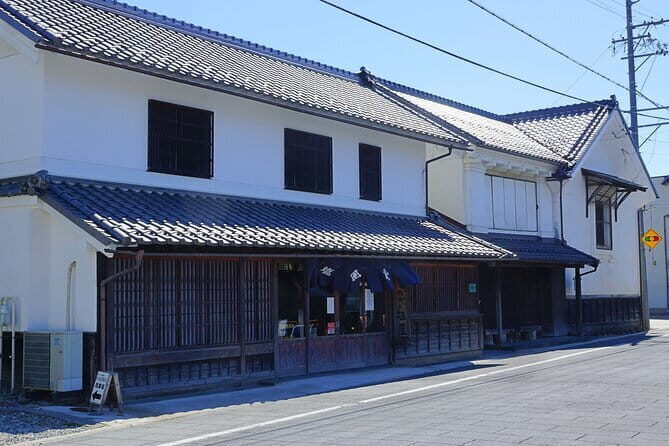
This is the kind of tour that works because it tackles the two hardest parts of a Nagano day: getting there by bullet train and then knowing what to do once you arrive. You’ll start early in Tokyo, head to Nagano on the shinkansen, and spend the day moving between three core experiences: miso production, a charming town stroll, and the star attraction—wild Japanese macaques bathing in hot springs at Jigokudani.
On the ground, you’re not left with a map and a prayer. An English-speaking National Government Licensed Guide Interpreter leads your timing and gives you the “why” behind what you’re seeing. Guides such as Mariko and Ken have been part of past groups, and their vibe tends to be calm, helpful, and ready to keep the day running smoothly.
The group size stays capped at 20 travelers, which usually helps the day feel controlled rather than chaotic. You’re still doing a full-day schedule, but you’re not trapped in a huge bus-like crowd.
And you do get a satisfying mix: food craft (miso), local scenery (Obuse-machi), then pure winter nature theater (Snow Monkeys). If you’ve already done Tokyo basics and want Japan beyond the city, this gives you that “real countryside day” without you having to design it yourself.
A few more Tokyo tours and experiences worth a look
Getting Started in Tokyo: Tickets, Timing, and Where the Guide Is (and Isn’t)
The day starts with you handling your own Tokyo departure. The tour provides round-trip shinkansen tickets from Tokyo to Nagano, and you board from Tokyo Station using ordinary reserved seating. There’s no guide riding with you on the train, so you should be comfortable following clear instructions and finding the right platform/car.
Before your tour date, you pick up your tickets at Tokyo City i (KITTE JP Tower, B1F). Ticket pickup is available from 3 days before the departure date until the day prior (business days only), and it’s not available on the day you book or the day after you book. The center hours are listed as 9:00–19:00, and it can close without notice, so I’d treat the pickup as something to do early, not last-minute.
Then you meet your guide in Nagano: the meeting point is at Nagano Station Concourse (2nd floor), in front of the Nagano City Tourist Information Center. You’re told to meet by 9:50 AM, with departure at 10:00 AM for the first destination.
This split is the main reason the first hour of the day feels “do-it-yourself.” It’s also why it’s important to pack light enough for train-baggage space. The guidance notes that there isn’t much room onboard the shinkansen for luggage, so bring what you need for a long winter day, not half a closet.
Suzaka Miso at 塩屋醸造: Learning the Flavor Behind Washoku
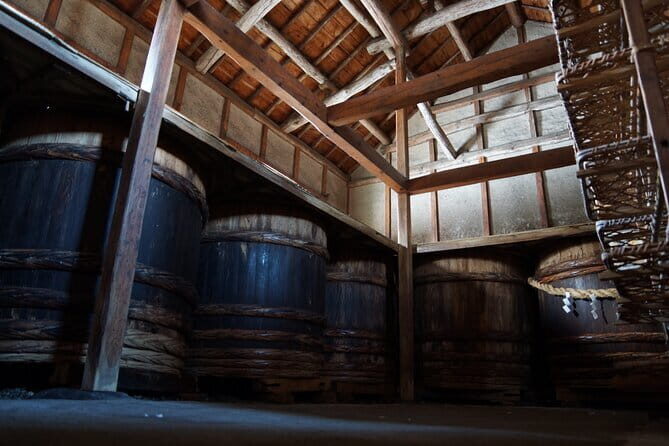
One of the most satisfying parts of this tour is that it’s not only about the snow. You’ll stop at 塩屋醸造, where you see the miso production process—Japan’s staple fermented ingredient and a core piece of washoku food culture.
The visit runs about 40 minutes, and admission is listed as free for this stop. What makes it useful is that it’s explained by the guide in an English-friendly way, so you’re not just looking at machines and barrels with no context. You also get to sample the produce, which is a big deal because miso isn’t one flavor. It varies by type, fermentation style, and how it’s used.
Even if you think you already know what miso soup tastes like, this segment can change how you pay attention to it later. You learn to notice differences instead of treating miso as one generic condiment. And that matters because miso shows up everywhere in Nagano and beyond, from simple local meals to more complex dishes.
Obuse-machi: A Slow Stroll With Hokusai Connections and Chestnuts
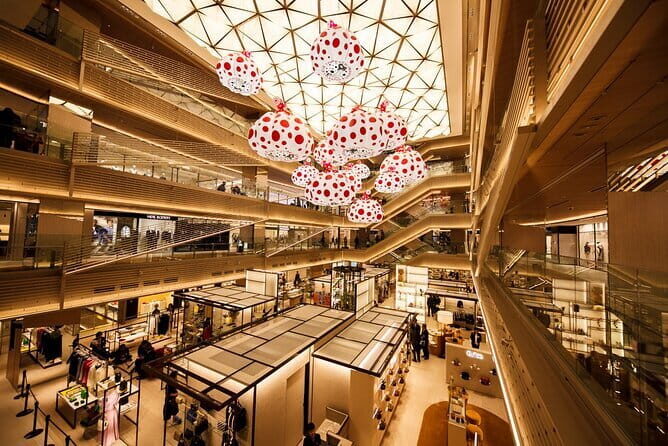
After the miso stop, you’ll have time in Obuse-machi for a stroll at your leisure. The town is associated with ukiyo-e artist Katsushika Hokusai, who spent his twilight years here. That’s a subtle but real way to experience Japanese culture: you’re not touring a museum only—you’re walking through the kind of townscape that shaped the late-life surroundings of a famous artist.
You also get a chestnut angle. Obuse is famous for chestnuts, and the tour notes sampling the town’s chestnuts during your free time. This is a very practical kind of cultural stop: no “need to know” requirements, no lecture fatigue, just a chance to try local seasonal flavors and recharge before the winter walk.
Lunch isn’t included, and you’ll be on your own for it. The time is scheduled to give you breathing room, which is important because Jigokudani is active and chilly. If you want my advice: plan lunch to be something warming but not heavy. You’ll feel better on the climb.
Jigokudani Snow Monkey Park: Wild Macaques, Hot Springs, and Real Weather Reality
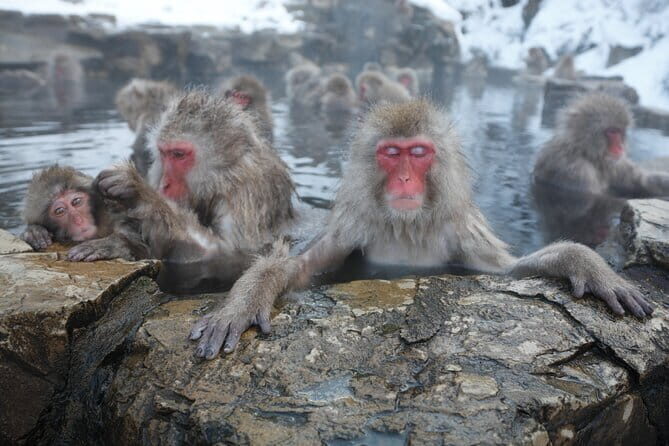
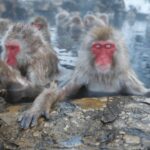
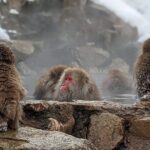
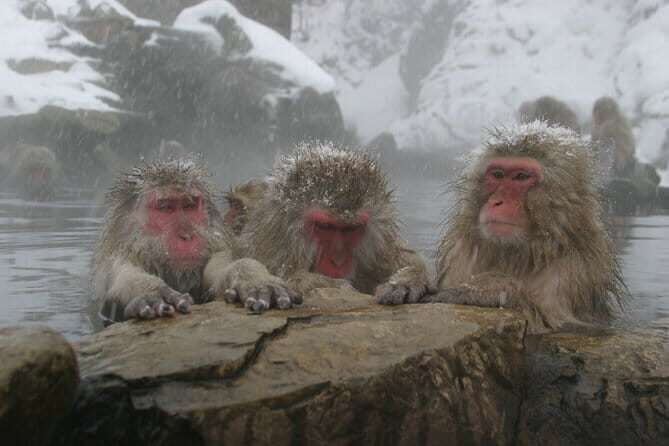
Now for the headline: Jigokudani Snow Monkey Park. This is where you see wild Japanese macaques up close in winter conditions, often with the iconic hot-spring bathing behavior. The park visit is listed as about 2 hours 30 minutes, giving you enough time for viewing, photos, and adjusting to whatever the monkeys decide to do.
Two season notes are key. The sight of macaques soaking in hot springs can be seen until around March, and it may not be visible depending on weather and time. Also, refunds aren’t issued if you don’t see the hot-spring behavior due to these factors.
That means the right mindset is expectation with flexibility. The monkeys are wild, so behavior can be unpredictable. The park may even close suddenly due to weather, seasonal conditions, or the macaques’ behavior. The tour notes that a sudden closure or even cancellation can happen; if the whole tour is canceled, you receive a full refund.
When you arrive, you’ll understand why people come so far. Even without the hot-spring moment, the presence of baby monkeys and seasonal activity can create that “wow” factor. In winter, the steam, the cold air, and the animals’ calm routines make for photos that feel more like wildlife than a theme park.






The Approach Walk: Why Winter Footwear Is Not Optional
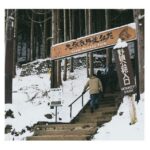
Getting to the monkeys involves a hard walking segment. The guidance calls it about 50 minutes of walking each way, with steep effort built in. It’s described as a climb, and the park sits 850 meters above sea level, so it’s cooler than Tokyo. In winter, temperatures can make the path icy and slippery.
From what’s been experienced on past runs, there are also reports of steep inclines and lots of stairs (some groups noted 200+ steps across the day). That’s why the tour lists moderate physical fitness as a requirement, and why it warns that special support for trouble walking isn’t provided.
Practical steps you can take:
- Wear winter boots or non-slip footwear (seriously).
- Move slowly on icy sections and keep your balance over speed.
- Don’t assume you’ll only walk on “nice paths.” This is a winter route.
If the guide decides cold-weather measures are insufficient, you may be asked to rent equipment from a rental shop near Jigokudani, with costs paid by you. That’s not “nice to have”—it’s part of staying safe.
And one more rule that matters: you can’t feed or touch the monkeys. As wild animals, they can react unpredictably, and food mess can create problems for the animals and for everyone else. One small but important reminder from real-day experience: don’t bring food even in plastic bags. Keep your hands to yourself and save snacks for later.
How the Day Really Feels: Timing, Energy, and Group Pace
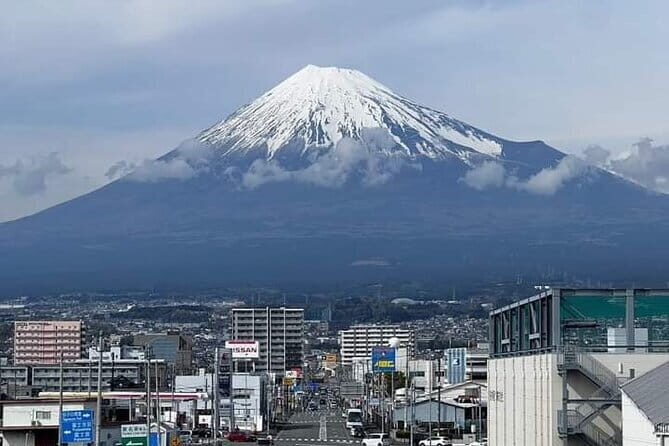
The full day is long—roughly 12 hours. The schedule includes:
- Morning shinkansen ride from Tokyo to Nagano (about 1 hour 30 minutes)
- Miso and Obuse stops with guided and free-time components
- A long winter walk to the park
- Return shinkansen to Tokyo (about 1 hour 30 minutes)
- Arrival around 8:00 PM at Tokyo Station
In other words, you’re not just “going to see monkeys.” You’re doing a winter hike, then spending time in a cold viewing area. If you’re the type who gets cold fast, dress like you expect wind and wet surfaces, not like it’s “just a little chilly.”
Your guide helps with pace and keeps the day on track. Many people say the timing feels well balanced rather than rushed, and that’s believable with a small group. Still, the day is active. One person noted that the distances weren’t hard, but the ice made the approach feel risky. Another noted their group found it manageable but still needed sturdy snow boots.
If you’re traveling with kids or older adults, be extra honest with yourselves. The tour states it can be difficult for those with trouble walking and for small children. Also, even if you’re okay with walking, icy stairs can turn an “easy distance” into a tough challenge.
Price and Value: Is $289.91 a Good Deal?
At $289.91 per person, this isn’t a bargain, but it can be good value if you price out what’s included. Here’s what you’re getting on the tour side:
- Round-trip shinkansen tickets from Tokyo to Nagano
- An English-speaking National Government Licensed Guide Interpreter on the ground
- Monkey park admission
- Other admission fees and transportation costs listed as included
- Miso production at 塩屋醸造 and free Obuse-machi time (admissions listed as free for those stops)
What’s not included:
- Lunch
So where does the value come from? Mostly from removing the “train planning headache” and packaging together the expensive part of a Nagano day (the shinkansen) with guided experiences and key admissions. A DIY day is possible, but it’s easy to get tangled in train transfers, reservations, and timing—especially if you don’t speak Japanese well.
Also, the tour caps the group at 20, and smaller groups (some past groups reported only around 6 people) tend to make the guide more hands-on. That’s not the kind of detail you can easily replicate on your own without paying more.
If you’re coming from Tokyo and you want one day that hits nature plus food culture, this price can make sense. If you already plan to ride shinkansen independently and don’t care about guided context, then it can feel pricey. The key is whether you’ll actually use the guide and the structured admissions.
Best Months and Photo Tips for Snow Monkey Season
If your goal is the classic hot-spring image, winter is the time. The tour guidance notes that hot-spring soaking can be seen until around March, and real-day experience suggests it’s best when temperatures are low—often during December through March.
Weather still matters. The monkeys may change behavior, and the park may close due to conditions. Don’t treat any photo outcome as guaranteed. Treat the day as a wildlife viewing window.
For photos, dress first, then shoot. Your cameras won’t do much good if you can’t stand safely on ice. Keep your hands warm enough to operate your phone or camera. Wear layers you can adjust if you’re sweating on the walk and then freezing during viewing.
And remember: keep a respectful distance. Wild animals set the rules. The park also can’t allow feeding or touching, so you should plan on photographing what they choose to do, not what you can prompt.
Should You Book This Snow Monkey and Miso Tour?
I’d book it if you want:
- A guided Nagano day that doesn’t require train-planning brainpower
- A mix of food culture (miso production) and winter wildlife (Jigokudani)
- A trip built around a small group and reserved seating shinkansen ride
I’d pause or choose a different option if:
- You’re not comfortable with a long, winter walk with potential icy footing and stairs
- You need lots of flexibility for mobility or you don’t want to manage cold-weather footwear and layers
- You’re likely to feel stressed by the start of the day being partly self-managed (ticket pickup and shinkansen boarding)
If you’re ready for winter effort and you want one of the most iconic nature experiences near Tokyo, this tour is a strong pick. It’s not just a photo stop—it’s a full day of learning how Japan eats and how Japan lives, with the snow monkeys as the unforgettable payoff.
FAQ
Where do I pick up tickets for this tour?
You pick up tickets at Tokyo City i (KITTE JP Tower, B1F, Marunouchi). Pickup is available starting 3 days before the tour until the day prior, except the business days only window described, and it’s not available on the day you book or the day after.
Do I have to meet the guide in Tokyo?
No. You board the shinkansen from Tokyo Station on your own, then meet the guide at Nagano Station Concourse (2nd floor) in front of the Nagano City Tourist Information Center by 9:50 AM.
Is the shinkansen guide included during the train ride?
No. There is no accompanying National Government Licensed Guide Interpreter while you are on the shinkansen between Tokyo and Nagano.
How long is the total tour?
The duration is listed as approximately 12 hours, with the tour ending around 8:00 PM when you arrive back at Tokyo Station.
What parts of the day are included in the price?
The tour includes round-trip shinkansen tickets from Tokyo, the licensed English guide on the ground, monkey park admission, and other admission fees and transportation costs listed as included.
Is lunch included?
No. Lunch is not included, and you’ll need to cover it on your own during the Obuse-machi time.
When can I see the monkeys in hot springs?
The sight of macaques soaking in hot springs can be seen until around March, but it may not appear depending on weather and time. Refunds are not issued for this reason.
What if the monkey park closes due to weather?
The park may close suddenly due to weather, seasonal conditions, or the monkeys’ behavior. The tour notes there may also be sudden cancellation; if the tour is canceled, a full refund is issued.
Is the walk to Jigokudani easy?
It’s described as a hard walking tour with about 50 minutes of walking each way, plus steep inclines and potentially slippery paths in winter. Warm clothing and non-slip footwear are strongly recommended.
Can I feed or touch the monkeys?
No. The monkeys are wild animals, and you cannot feed or touch them. Their behavior can be unpredictable.