REVIEW · TOKYO
Tokyo 6hr Private Guided Tour & Japanese Sweets Making Experience
Book on Viator →Operated by Japan Guide Agency · Bookable on Viator
Tokyo turns clearer when you have a private guide. This 6-hour Tokyo outing pairs a licensed local guide with time at major landmarks, then finishes with a hands-on wagashi workshop in Asakusa.
I love how guides like Takako and Sachi keep the day flexible so you can ask questions as you go, not just hunt for answers alone. I also love that you actually make wagashi by hand, so the experience has a sweet payoff you can take home.
One tradeoff: you only visit 2–3 chosen sites, and some gardens have admission fees that are not included—so your final costs depend on what you pick.
In This Review
- Key things you’ll enjoy in this private Tokyo day
- A private Tokyo day built around questions and wagashi
- Price and value: when $172 feels worth it
- How to choose your 2–3 sites without wasting time
- Jidaiya, Asakusa, and Sensō-ji: the old city mood you can read
- Jidaiya: a more authentic Asakusa-feel (on purpose)
- Asakusa and Sensō-ji: colorful, historic, and easy to over-romanticize
- Wagashi making in Asakusa: a hands-on souvenir with real meaning
- Tsukiji Fish Market: food energy and a practical reason to shop
- Meiji Jingu and the gardens: choosing calm without losing your day
- Meiji Jingu: shrine atmosphere near Harajuku
- Shinjuku Gyoen National Garden, Koishikawa Korakuen, Hamarikyu, Rikugien
- Imperial Palace grounds: seeing the fortress without entering
- Akihabara, Takeshita Street, and Shinjuku Golden Gai: modern Tokyo in three flavors
- Akihabara: electronics and a style identity
- Takeshita Street (Harajuku): teenage fashion edge
- Shinjuku Golden Gai: tiny lanes and big atmosphere
- Train-proofing Tokyo with your guide
- Who this tour is for (and who should skip it)
- Should you book this private Tokyo and wagashi day?
- FAQ
- Is this tour private?
- How long is the tour?
- What’s included besides the guided sightseeing?
- How many attractions can I visit?
- Are entrance fees included for all stops?
- Is access to the inside of the Imperial Palace included?
- What about transportation costs?
- Who can join and can I cancel for free?
Key things you’ll enjoy in this private Tokyo day
- Private, just your group: undivided attention from a licensed local guide.
- Pick 2–3 sites: better pacing than trying to cram everything in.
- Wagashi making is included: you leave with edible, handmade Japanese sweets.
- Smart guidance for getting around: examples include guides like Ted helping you feel confident on trains.
- A mix of Tokyo styles: old-school Asakusa and Sensō-ji, then options like Akihabara or Harajuku.
- Value depends on admissions: many stops list free entry, while some gardens are ticketed separately.
A private Tokyo day built around questions and wagashi
Tokyo is full of signs, crowds, and stuff to see. The difference here is that you get a guide who can steer the day and answer the questions that pop up in real time. That matters, because Tokyo’s culture isn’t just about the big photos—it’s in the little etiquette details and how people move through a place.
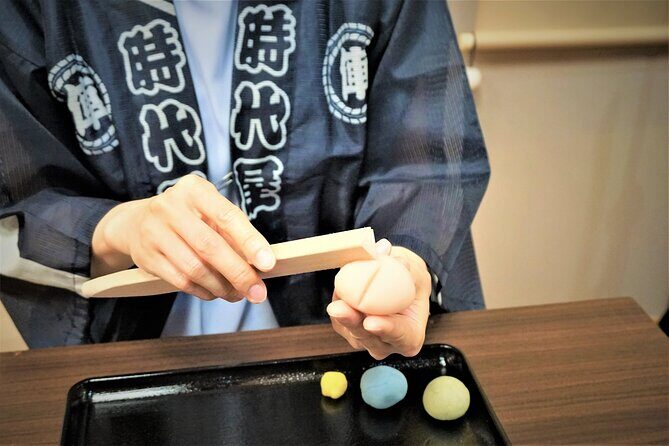
This tour is also genuinely hands-on. In Asakusa, you’ll make wagashi by hand in a workshop, which turns the day from sightseeing into a craft lesson you can remember later (and taste right away). Guides such as Coco, Aiko, and Emiko have been praised for being attentive and clear, especially when explaining what to notice and how to behave.
The other big plus: it’s private. Only your group participates, so you’re not stuck waiting while other people catch up. That’s a real quality-of-life upgrade on a packed city day.
You can also read our reviews of more guided tours in Tokyo

Price and value: when $172 feels worth it
At $172 per person for about 6 hours, the value hinges on two things: (1) how much you use the guide time well, and (2) which of the optional sites you choose.
Here’s what’s included that you can count on:
- a licensed local guide
- wagashi making experience
- a customized itinerary based on your choice of 2–3 sites
- meet up in Tokyo on foot (and pickup is offered, so check what’s available for your exact meeting point)
- a mobile ticket
Here’s what usually adds extra cost:
- private transportation isn’t included (you’ll use public transit)
- some listed sites have admission not included (notably several gardens)
- the tour does not visit all stops from the full list
To think like a planner: if you choose mostly stops that are marked admission ticket free, your $172 stretches further. If you choose multiple ticketed gardens, you should budget extra for those entrances.
Also, remember that Tokyo transit is effective, but it’s not always intuitive on day one. Having a guide helps you get it right faster—one of the reasons guides like Ted received praise for explaining the train system and how to get around.
How to choose your 2–3 sites without wasting time
The itinerary listing is long, but you won’t cover everything. The tour is built as a customized “pick your highlights” format: you choose 2–3 sites from the options, while the wagashi making experience anchors the Asakusa part of the day.
So don’t treat this like a checklist. Instead, mix categories:
- One old-Tokyo stop (Asakusa/Sensō-ji style)
- One calm break (a shrine like Meiji Jingu or one of the gardens)
- One modern Tokyo moment (Akihabara electronics, Harajuku Takeshita Street, or Shinjuku Golden Gai)
This strategy prevents the two most common problems: walking too much for “only okay” photos, and paying for extra admissions without really getting to enjoy them.
Jidaiya, Asakusa, and Sensō-ji: the old city mood you can read
If you choose Asakusa and Sensō-ji options, you’re stepping into shitamachi, Tokyo’s older “low city” atmosphere. This is where the pace feels different—less rush, more street-level texture.
Jidaiya: a more authentic Asakusa-feel (on purpose)
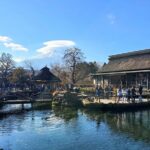
Jidaiya is described as an alternative to standard Asakusa sightseeing for people who want a more profound, authentic Japanese experience. Practically, this is a good match for you if you want your guide to explain the culture behind what you’re seeing, rather than just point at landmarks.
You can also read our reviews of more private tours in Tokyo



Asakusa and Sensō-ji: colorful, historic, and easy to over-romanticize
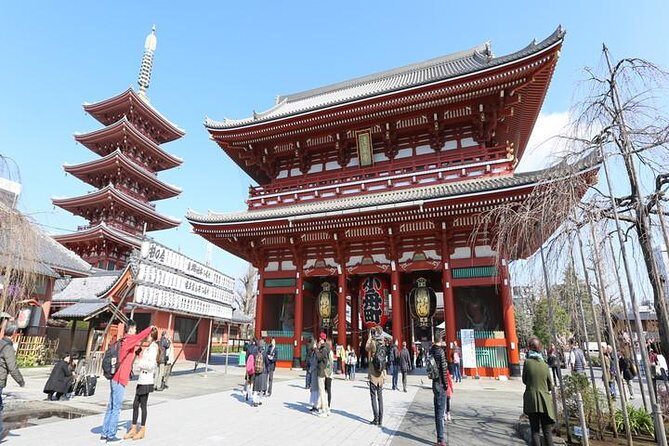
Sensō-ji is one of Tokyo’s most popular temples, and the area around it draws constant energy. The tour version here is short—think quick orientation plus a guided walk, not an all-day temple deep dive. That makes it ideal if you want to see the “must” sights but still keep room for the rest of your day.
A small detail that helps: the tour framing connects what you’re looking at to customs and context. If you’re the type who likes to understand why people do things a certain way, this structure fits you well.
Potential drawback: if you’re expecting long, quiet temple time, you’ll want to know the time window is limited. This is a guided “see and understand,” not a sit-and-stare.
Wagashi making in Asakusa: a hands-on souvenir with real meaning
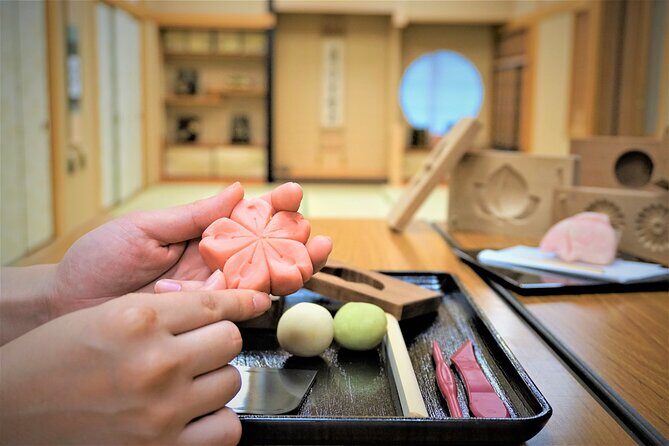
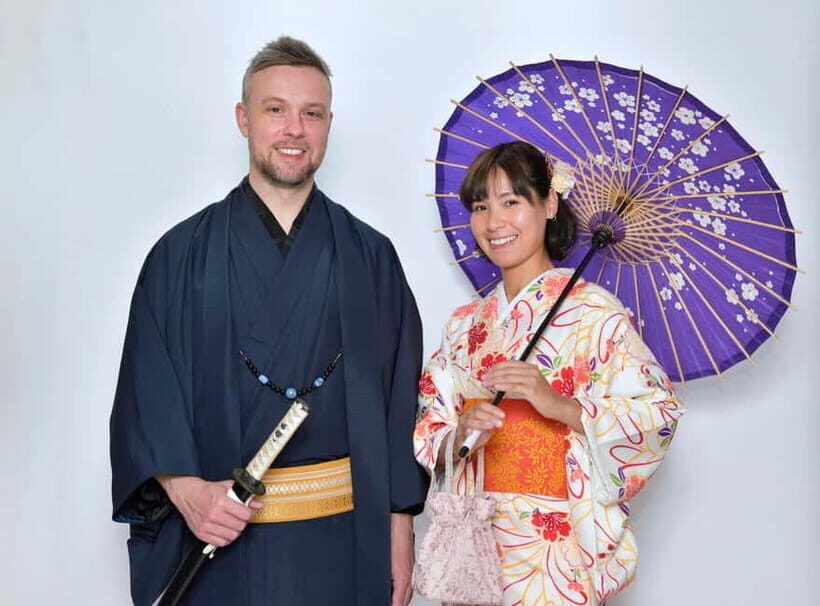
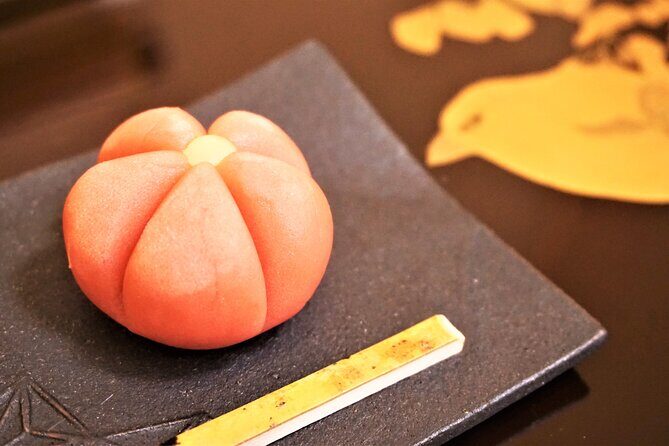
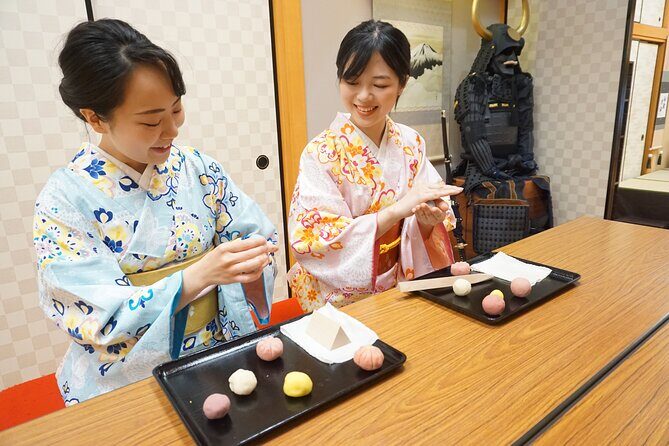
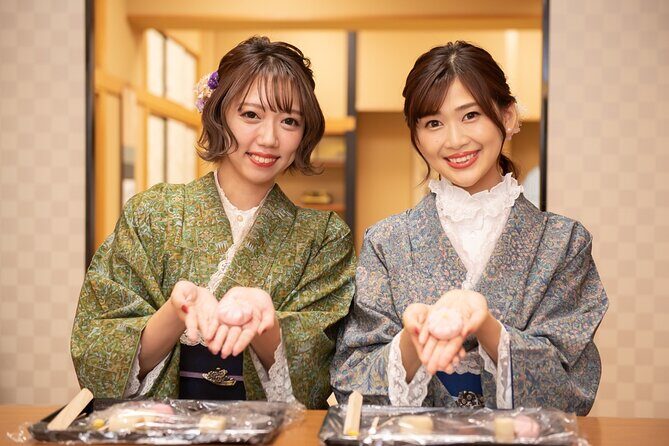
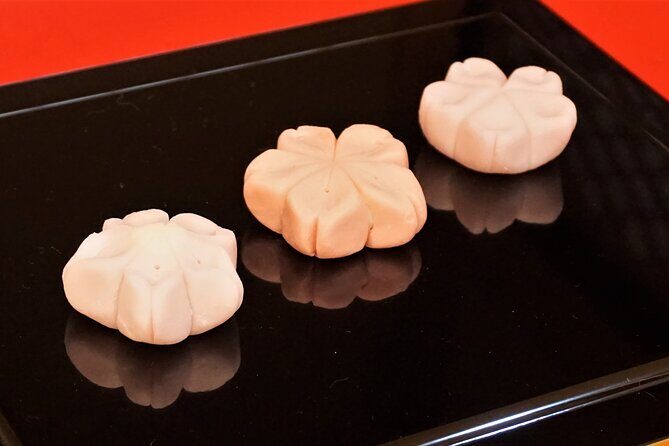
The wagashi workshop is the heart of the experience. You’ll make Japanese sweets by hand, which is a totally different vibe than eating your way through Tokyo. You’ll be paying attention to shapes, textures, and the craft itself—exactly the sort of detail that turns a generic food stop into a story.
Why I like this kind of activity: it creates a memory anchor. When you leave, you’re not only remembering a place; you’re remembering the making process. For many people, that’s the moment Tokyo stops feeling like a slideshow.
Also, you can ask questions while you’re working. That’s a huge advantage of a private guide. One reason guides like Sachi and Takako stood out in customer comments is their ability to personalize and explain, including food and local customs.
Tip for you: go hungry, but don’t plan to eat a full meal right before the workshop. You’ll enjoy the process more, and it’ll be easier to appreciate your finished sweets.
Tsukiji Fish Market: food energy and a practical reason to shop
Tsukiji is presented as Japan’s old fish market, packed with unique foods. It’s a solid choice if you want a food-oriented slice of Tokyo culture without turning the day into a full-on food tour.
The time allocation here is short, so treat it like orientation plus sampling or shopping:
- look around to understand what’s available
- pick one or two small items that fit your tastes
- use your guide’s context to decide what’s worth the stop
One note included with the stop: it encourages you to purchase something to support the local scene. That’s not a gimmick; it’s simply how these markets keep going.
Potential drawback: if you hate crowds or prefer quiet sightseeing, the market scene may feel intense. The guide can help you navigate efficiently, but it won’t turn Tsukiji into a library.
Meiji Jingu and the gardens: choosing calm without losing your day
If your ideal Tokyo day includes a breath of quiet, the options here do that well. You can pair a shrine visit with one of the garden choices, creating a natural rhythm: energy in the streets, calm in greenery, then back out to the city.
Meiji Jingu: shrine atmosphere near Harajuku
Meiji Jingu is dedicated to the deified spirits of Emperor Meiji and his consort. It’s near Harajuku Station on the Yamanote Line, which makes it logistically friendly if you’re also planning a Harajuku-related stop later.
Shinjuku Gyoen National Garden, Koishikawa Korakuen, Hamarikyu, Rikugien
These garden stops are described in different historical ways, but they share one practical detail: admission ticket is not included for several of them. That doesn’t mean they’re not worth it—it just means you should budget separately if you pick them.
What you gain by choosing gardens on this tour:
- a break from walking
- a guided explanation of what makes each garden distinct (Edo-period context for Koishikawa Korakuen; tide-influenced seawater ponds at Hamarikyu)
- a softer pace that still feels like Tokyo, not an escape from it
A helpful way to pick: if you like story and era, lean toward older garden options. If you like sensory experiences, Hamarikyu’s seawater ponds that change with the tides are a standout concept to experience in person.
Potential drawback: garden time is limited. If you’re the type who wants to stroll for hours, you’ll need either extra time on your own or accept that this tour gives you an efficient “best of” taste.
Imperial Palace grounds: seeing the fortress without entering
The Imperial Palace stop is a great way to understand Tokyo’s power history without needing ticketed entry. The key detail: this tour does not include access to the inside of the Imperial Palace.
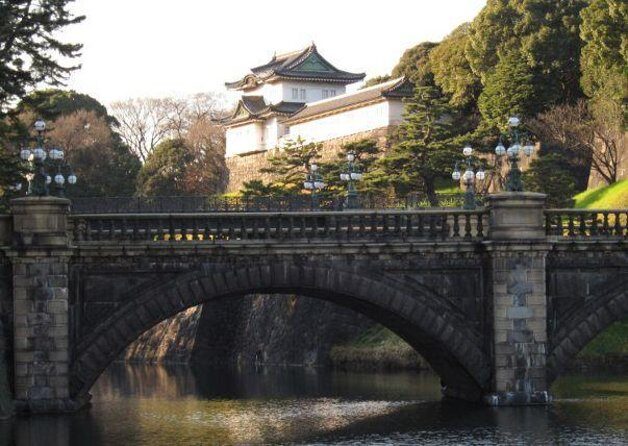
What you will get instead is context—its location on the former Edo Castle site and the outer setting with moats and massive stone walls. You can still get a strong sense of scale and layout, especially with a guide narrating what you’re looking at.
Potential drawback: if your top priority is to go inside the palace area, this won’t meet that expectation. It’s an exterior-and-context stop.
Akihabara, Takeshita Street, and Shinjuku Golden Gai: modern Tokyo in three flavors
After the calmer historic sections, the options shift to pop culture and night-life energy. This is where Tokyo can feel like it’s running on different settings at once.
Akihabara: electronics and a style identity
Akihabara is famous for electronics shops. It’s one of the city’s most recognizable modern districts, and it’s a good choice if you want shopping energy and recognizable Tokyo identity in a short time window.
Takeshita Street (Harajuku): teenage fashion edge
Takeshita Street is tied to Harajuku and Japan’s more extreme teenage cultures and fashion styles. It’s a fun contrast to the temple-and-garden parts of the day. If you like street fashion and people-watching, this is a strong match.
Potential drawback: it can be visually intense. If you prefer quieter stops, you may want to swap this for Meiji Jingu or a garden.
Shinjuku Golden Gai: tiny lanes and big atmosphere
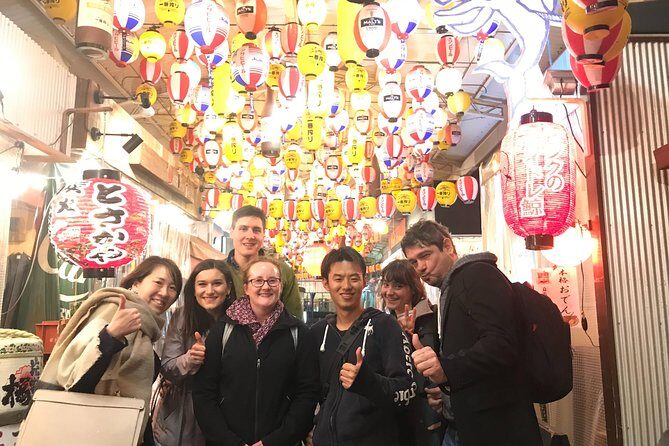
Shinjuku Golden Gai is described as a down town city atmosphere near Kabukicho, with the added detail of Godzilla looming over you. There’s also mention of Donkihote for gifts.
This is a good choice if you want Tokyo’s nighttime personality, even if you’re only there briefly.
Train-proofing Tokyo with your guide
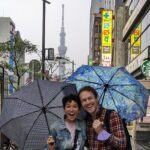
Tokyo’s public transportation is extremely usable once you understand it. The tricky part is that first day confusion is real—platforms, transfers, and station exits can feel like a puzzle. One reason guides like Ted got praised is exactly this: helping you understand how to use the train system so you feel confident when you’re on your own afterward.
The tour itself includes no private transportation. So expect to rely on:
- walking segments (meet up is on foot)
- public transit between chosen stops
You might want to think about transit costs. The tour notes mention a 24 hour Metro Pass adult for 800 yen and child 400 yen. That can help you budget if you plan to keep moving after the tour too.
Practical tip for you: wear shoes you can walk in for real. This is a walking tour plus transit hops, and the time is tight by design. If you move comfortably, you’ll enjoy every stop more.
Who this tour is for (and who should skip it)
This experience is best if you:
- want a private guide instead of self-guided wandering
- care about Japanese culture and etiquette, not just photos
- want a real activity with payoff: wagashi making
- are visiting Tokyo for the first time and want help with getting around
It’s only for people 12 and over, and it’s not designed for young children or babies. If you’re traveling with little ones, this may not be the right match.
Also, because you can choose only 2–3 sites, it suits you if you like depth over jumping everywhere. If you want to do a massive city tour with a long list of checkboxes, you’ll feel limited by the format.
Should you book this private Tokyo and wagashi day?
I’d book it if you want a Tokyo day that feels personal and meaningful, not just scheduled. The biggest draw is the combination: a guide who helps you understand what you’re seeing, plus hands-on wagashi making in Asakusa.
Skip it (or adjust your expectations) if you’re trying to cover every famous stop in one go. The tour is built for a focused selection, and some garden entrances cost extra. Also, if you’re under 12, this one won’t fit.
If you go in with a plan—old Tokyo + calm garden/shrine + one modern district—you’ll end up with a day that makes sense. And you’ll have sweets you made with your own hands, which is a pretty great way to close a Tokyo visit.
FAQ
Is this tour private?
Yes. It’s a private tour/activity, and only your group participates.
How long is the tour?
The duration is about 6 hours.
What’s included besides the guided sightseeing?
Wagashi making is included, along with a licensed local guide and a customizable selection of 2–3 sites.
How many attractions can I visit?
You choose 2–3 sites from the options. You can’t visit all places listed on the itinerary.
Are entrance fees included for all stops?
Not all of them. Some gardens list admission as not included, while several other listed stops show free admission.
Is access to the inside of the Imperial Palace included?
No. The tour does not include access to the inside of the Imperial Palace.
What about transportation costs?
Private transportation is not included. Public transit is part of the experience, and the tour notes reference a 24 hour Metro Pass price (800 yen adult, 400 yen child) as a possible option.
Who can join and can I cancel for free?
The tour is only for those 12 and over. Cancellation is free if you cancel up to 24 hours in advance for a full refund.