REVIEW · TOKYO
Tokyo: 1-Day Private Customizable Tour by Car
Book on GetYourGuide →Operated by Asoko LLC · Bookable on GetYourGuide
Tokyo can feel like a puzzle you solve on the fly. This one-day private car tour turns that chaos into a calm, your pace sightseeing plan. You pick what matters, and an English-speaking chauffeur helps you make it work.
I especially like the private transport part. You’re not fighting train changes, crowds, or time lost to station navigation. I also love that the day is built around big-name Tokyo sights you can actually see in one push, from Tsukiji and Sensō-ji to Meiji Jingu, Harajuku, Shibuya, and Odaiba.
One possible drawback: the day is packed, so if you add extra stops or linger too long, you can run into time pressure. And some ticketed spots aren’t included, so you’ll want to buy tickets on the spot and plan for that.
In This Review
- Key points worth circling
- Why a Private Tokyo Car Makes Sense for a 10-Hour Day
- Private Car Comfort and the Driver-Guide Difference
- Price and What $377 Covers (and What It Doesn’t)
- Default Route: Tsukiji, Sensō-ji, and Tokyo Skytree in One Flow
- Asakusa’s Temple Day: Sensō-ji and Nakamise Without the Rush
- Meiji Shrine, Harajuku, and Shibuya Scramble Square: Modern Tokyo at Full Volume
- Odaiba Tokyo Bay Views and a 7 PM Return to Real Rest
- How Customization Works in Real Life (So You Don’t Miss Your Priorities)
- Practical Notes You’ll Actually Use on Tour Day
- Who This Tokyo Car Tour Fits Best (and Who Might Feel It’s Too Much)
- Should You Book This 1-Day Private Tokyo Car Tour?
- FAQ
- FAQ
- How long is the Tokyo private car tour?
- How much does the tour cost and what group size is it for?
- Where does pickup and drop-off happen?
- What time does the set schedule start?
- What’s the end time for the set schedule?
- Are attraction tickets included?
- Are meals included?
- Can you eat in the car during the tour?
- Is the tour wheelchair accessible?
- What happens if you go over the scheduled time?
- Does the tour run in rain?
Key points worth circling
- Private car, up to 5 people: door-to-door pickup and drop-off without shared logistics
- Choose driver-guide or self-explore: you can balance context with freedom
- Most-requested sights in one day: temples, shrine time, street culture, and skyline views
- Wheelchair accessible: built for real mobility needs, not just marketing
- Wi‑Fi onboard (if available): handy for mapping, tickets, and last-minute tweaks
Why a Private Tokyo Car Makes Sense for a 10-Hour Day

Tokyo is amazing, but it can be exhausting. In a city where trains are everywhere, getting from A to B can still take more effort than you expect—especially when you’re moving between temples, shopping streets, and view-heavy stops. A private car cuts the “how do we get there” problem down to almost nothing.
You also get a scheduling advantage. A 10-hour day is long enough to hit the classics, but short enough that every transfer choice matters. With a chauffeur, you can shift the order based on your energy level, weather, or priorities—without losing an hour to a wrong train platform.
The “your own pace” promise is real value for first-timers. You can slow down for photos at a shrine gate, or speed up when a market aisle isn’t your thing. That matters when you’re trying to cover major Tokyo highlights without turning the day into a sprint.
You can also read our reviews of more private tours in Tokyo


Private Car Comfort and the Driver-Guide Difference
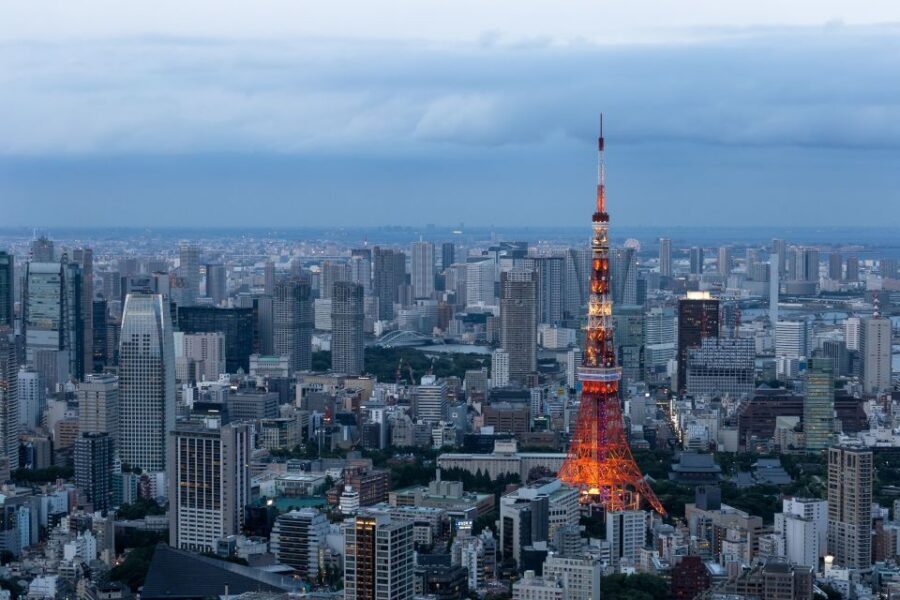
This tour is private, and you’ll ride in a chartered vehicle with an English-speaking driver. The driver can also offer travel advice, and you can choose whether you want the day shaped with more guidance or more freedom.
From the way guides are described in real experiences, two things tend to stand out: English ability and attention to the group’s needs. People mention guides such as Zoma-San, Bek, Hiro, Saki, and Hasan as being especially helpful—patient, good at explaining what you’re seeing, and flexible about timing.
There’s also a practical comfort angle. Reviewers repeatedly call out safe, skillful driving and a comfortable vehicle—with air conditioning especially appreciated on hot days. Tokyo walking can be intense, so having reliable transport between areas keeps the day enjoyable, not just “successful.”
Wheelchair accessibility is explicitly included. You’ll want to confirm details that matter for your specific mobility setup, but the format is built to support it—something that shows up as a major positive in feedback, including thanks for accessible planning.
Price and What $377 Covers (and What It Doesn’t)
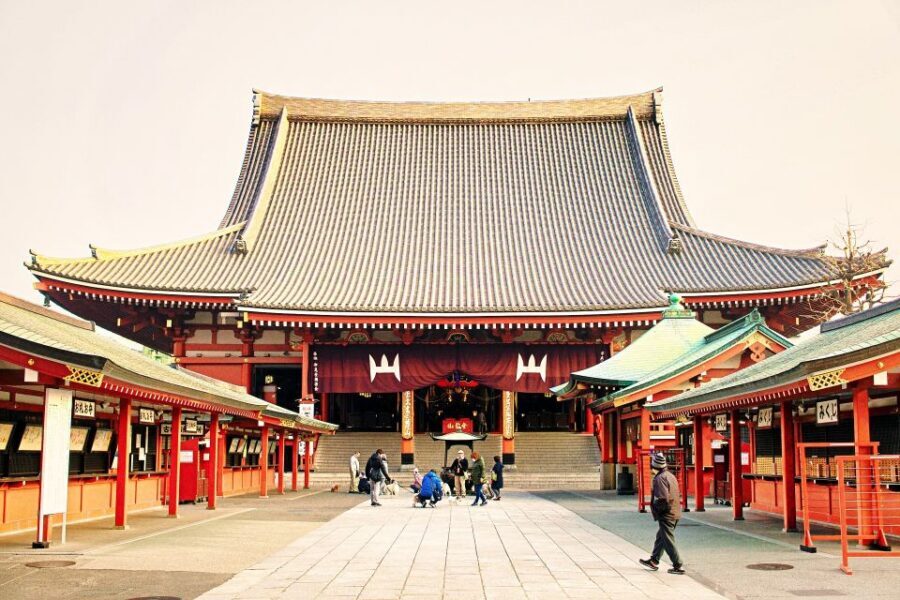
The headline cost is $377 per group (up to 5 people) for a 10-hour experience. That’s not cheap on a per-person basis if you’re traveling solo, but it can start to look fair when you split it across a family or small group.
Here’s what you get inside that price:
- a private car with an English-speaking driver
- hotel pickup and drop-off within Tokyo’s 23 wards
- fuel and highway tolls
- Wi‑Fi onboard, subject to availability
What you should plan to pay for separately:
- food and beverages
- attraction tickets (you buy them on the spot)
Also note the “time creep” rule: overtime is charged at 2,500 JPY per 30 minutes, paid in cash to the driver. That means you’ll want to treat the 10 hours like a schedule with wiggle room—not an unlimited buffet.
If you’re comparing value, think like this: in Tokyo, the combined cost of taxis, missed trains, and wasted time can add up fast. This tour bundles transport into one price, so your day runs on one system instead of five.
Default Route: Tsukiji, Sensō-ji, and Tokyo Skytree in One Flow
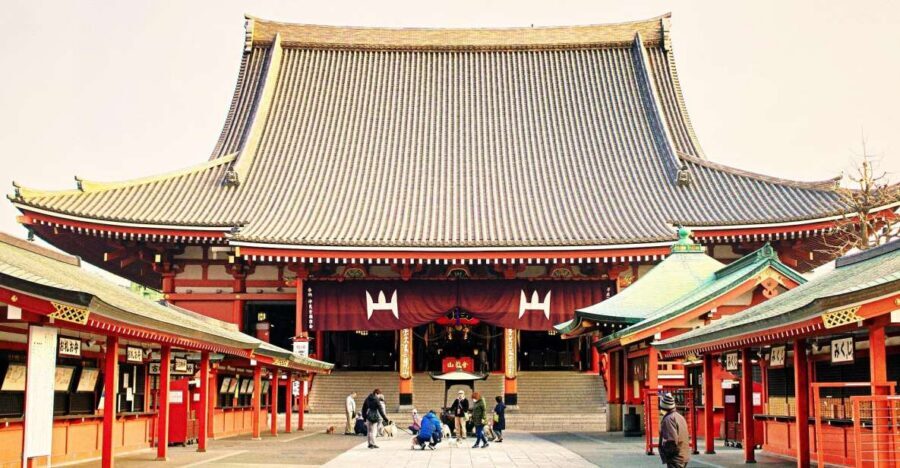
Even if you customize, it helps to know the default route structure. The day usually starts with pickup around 9:00 AM within Tokyo’s 23 wards, and it aims to end with drop-off around 7:00 PM.
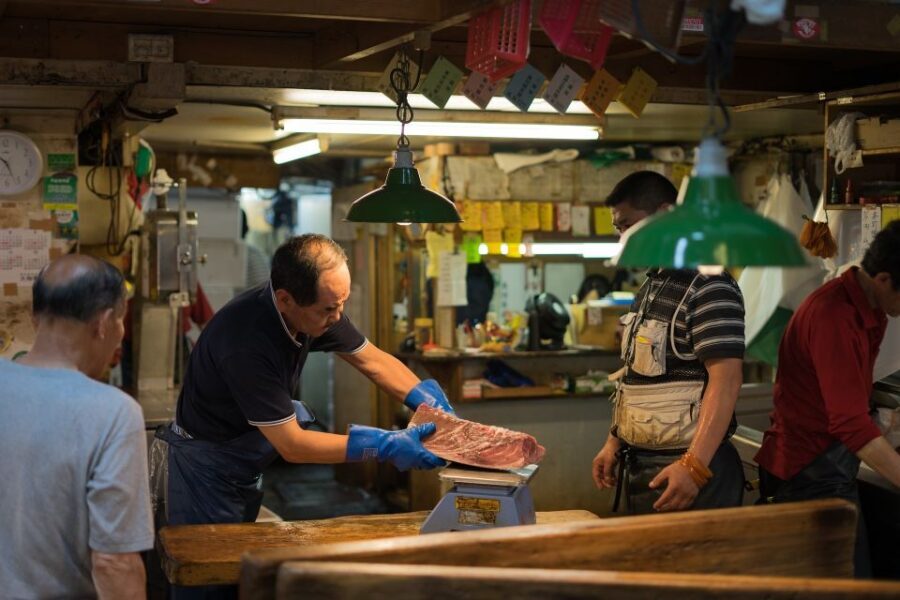
You begin at Tsukiji Outer Market, where the focus is on walking and sampling. It’s a great first stop because you’re not committing to long museum-style pacing—you’re just exploring, watching what’s being prepared, and grabbing a bite if you want one. The time is set at about 1 hour, which is enough to browse and eat without feeling trapped.
Next comes Sensō-ji, Tokyo’s famous temple in Asakusa. You get around 30 minutes for visiting and sightseeing. After that, you head to Nakamise Shopping Street for about 55 minutes of shopping and walking.
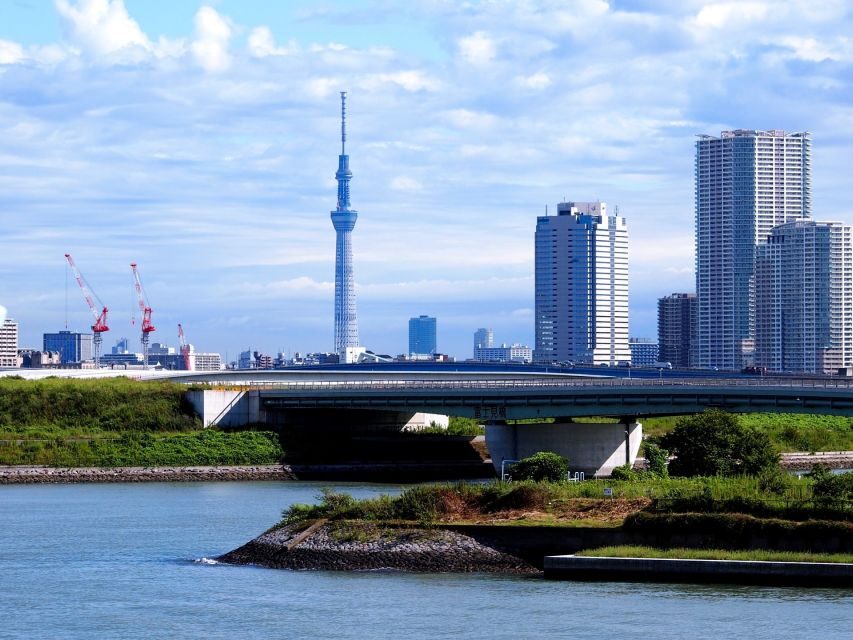
From there, you move to Tokyo Skytree for about 1 hour, including a chance for aerial views. This is your “big skyline moment” in the middle of the day—useful because it breaks up the temple-and-street loop with a clear visual payoff.
Drawback to keep in mind: the day is dense. If you want deep shopping time at Nakamise or a long sit-down meal at Tsukiji, you’ll likely need customization to protect time later for shrines and city views.
Asakusa’s Temple Day: Sensō-ji and Nakamise Without the Rush
Sensō-ji is one of those places where the atmosphere does half the work for you. Even with just 30 minutes, you’ll see the core temple experience: walking through the approach, taking photos at the iconic gate area (often associated with Kaminarimon), and soaking in the old-street energy nearby.
Nakamise Shopping Street is the natural pairing. You get a longer block of time here, and that’s smart. Snacks, souvenirs, and quick browsing are easier to manage when you have more than a 10-minute stop. You can also tailor it: if shopping isn’t your thing, you can treat the street as a quick stroll and shift your time elsewhere.
Practical advice: plan your shoes. This part of Tokyo is mostly walk-and-stand. If you’re managing mobility, the private car means you’re not stuck with a long transfer after the crowds.
Also remember that attraction tickets are not included. For places that are ticketed, you’ll purchase those on the spot—so factor in a bit of time buffer for lines or ticketing windows, especially at popular view sites.
A few more Tokyo tours and experiences worth a look




Meiji Shrine, Harajuku, and Shibuya Scramble Square: Modern Tokyo at Full Volume
After Skytree, the default plan shifts from classic temples to major Tokyo neighborhoods.
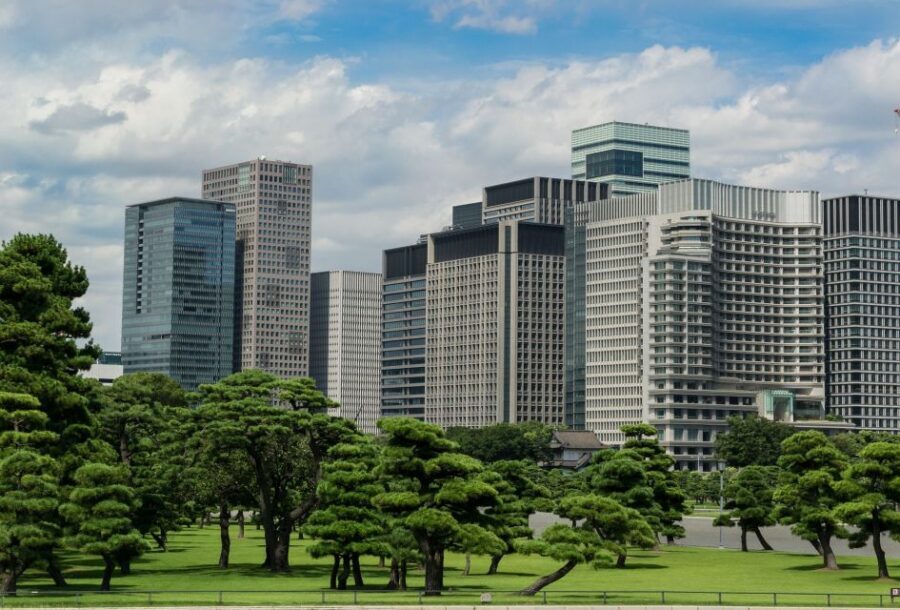
Imperial Palace East Gardens is next, about 30 minutes for photos and sightseeing. One thing to know in practice: access to specific palace areas can be limited depending on the day. If you’re counting on a particular view of the palace interior grounds, you’ll want to stay flexible and treat this stop as East Gardens-style sightseeing rather than a guaranteed “inside” visit.
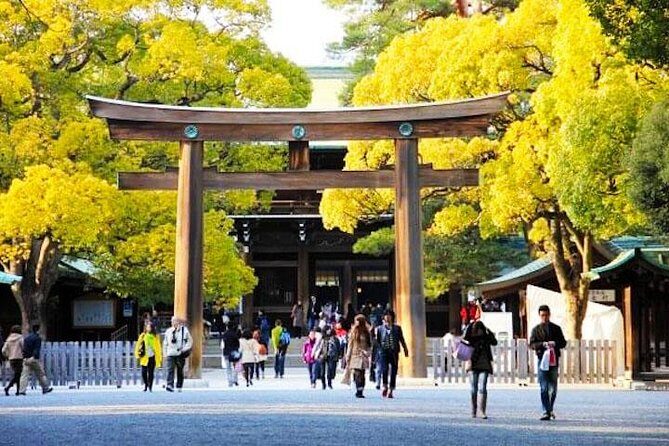
Then you go to Meiji Shrine for photo stops, visiting, and a short walk. This is where the day gets quieter. Meiji Jingu is often singled out as a peaceful highlight, and it’s a great counterbalance to the earlier market and shopping energy.
From there, you head to Harajuku for about 30 minutes. Takeshita Street is the default mental picture people bring here, and the goal is to let you see street culture in person without over-planning it. If you’re into fashion, snacks, or just the oddball style-watching, Harajuku is a fun use of time.
Next is Shibuya Scramble Square with about 1 hour for sightseeing and walking. This is one of the best parts of the day for a view. And the timing works: after Harajuku’s street energy, Shibuya gives you perspective.
A small consideration: Shibuya can feel like overload if you’re tired. You’ll enjoy it more if you use the chauffeur to manage transitions smoothly and you decide ahead of time what your “must-see” photos are.
Odaiba Tokyo Bay Views and a 7 PM Return to Real Rest
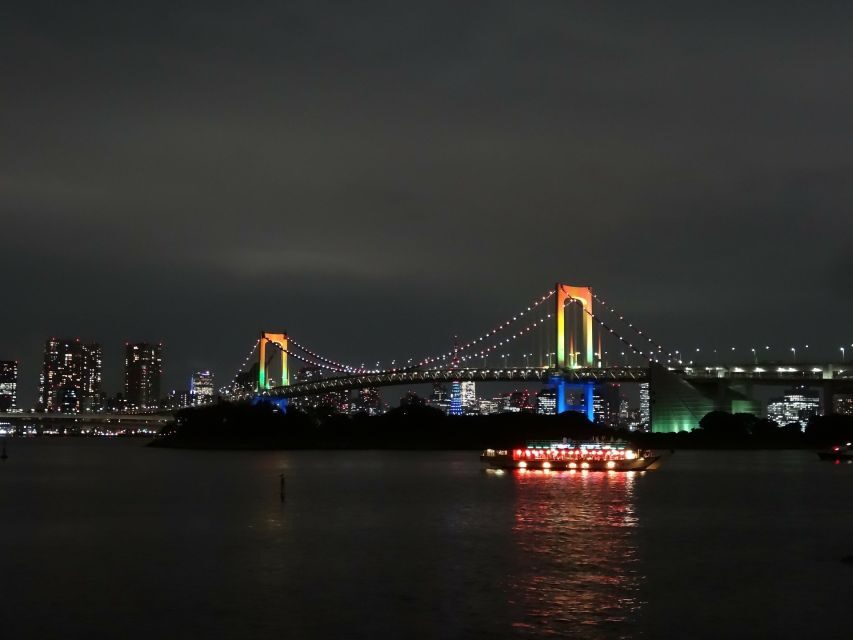
The last major stop is Odaiba, set for about 1 hour. Odaiba is built for big visuals—especially the Tokyo Bay views from the area’s more futuristic angle—and it’s also a good place for a scenic drive segment.
This is a smart finish if you want variety. Early in the day you get tradition and markets. Midday shifts to skyline views. Late afternoon gives you water-and-city angles, plus the chance to walk without the temple crowd vibe.
Then you’re dropped off back at your hotel or another location within Tokyo’s 23 wards around 7:00 PM. That return time matters. Tokyo days stretch longer than you expect, and having a scheduled end keeps the trip from turning into “sightseeing until you crash.”
How Customization Works in Real Life (So You Don’t Miss Your Priorities)
The point of a private tour is not that it’s fancy—it’s that it stops you from making bad tradeoffs.
Here are the most practical ways to customize this day based on what you like:
- If you love temples and history, you can extend temple and shrine time and reduce shopping pressure at Nakamise or Harajuku.
- If you’re more into views, you can prioritize Skytree and Scramble Square and spend less time on smaller streets.
- If you’re shopping-focused, you might spend more time around areas like Ginza (often described as an option) and shorten the time spent just passing through neighborhoods.
Also, you can choose the balance between “walk with explanations” and “wander on your own.” The choice matters. If you want context fast, ask the driver for quick introductions at each stop. If you want freedom, you can treat the driver as a smooth transport and route planner.
One more useful idea: if you’re traveling with different ages or mobility levels, tell the driver what everyone can handle. Past experiences highlight that guides often adjust around comfort and energy, including wheelchair-friendly support.
Practical Notes You’ll Actually Use on Tour Day
A few details can make or break a smooth day in Tokyo, and this tour has some built-in rules that are worth knowing.
Tickets aren’t included. For any ticketed attractions on the route (like major view spots), you’ll buy tickets on the spot. That’s normal, but it means you should expect a few moments for ticketing and possible lines.
Food is on you. Food and beverages aren’t included, and you can bring or buy food as you go. Eating in the car is allowed, but there are conditions: if the vehicle gets unusually dirty, there can be a cleaning fee (7,000 JPY). Alcohol is not allowed in the car.
Overtime costs add up. If you keep going past the planned time, overtime runs at 2,500 JPY per 30 minutes in cash. If you’re the type who always wants one more stop, plan that conversation early with your driver so you don’t get surprised later.
Rain or shine. The tour operates in the weather. It only cancels if the team decides conditions are unsafe. Translation: you’ll want umbrellas and water-resistant shoes, but you usually won’t lose the day to light rain.
Who This Tokyo Car Tour Fits Best (and Who Might Feel It’s Too Much)
This is a great fit if you want:
- maximum Tokyo highlights in one day
- door-to-door convenience
- flexibility without indecision
- a small group experience (up to 5)
It’s also a smart call for people who hate transit transfers, or for anyone managing a tight schedule (like a short stay). Several experiences mention limited time and the ability to see a lot without stressing over trains.
You might skip it if:
- you’re traveling solo on a tight budget
- you love slow, deep neighborhood wandering with no structured stopping
- you’re happy to handle Tokyo transit navigation entirely on your own
One more reality check: because the default day is packed with major sights, it can feel intense. The solution is customization. Tell the driver what to cut, not just what to add.
Should You Book This 1-Day Private Tokyo Car Tour?
If you have even a small group, I’d lean toward booking this. The value comes from bundling transport into one straightforward plan, covering big Tokyo anchors, and giving you a chauffeur who can adjust around your pace. At $377 for up to 5, you’re buying time, comfort, and route flexibility more than you’re buying a list of locations.
Book it if your priority is seeing Tokyo without transit stress—especially if you’re coordinating multiple ages, mobility needs, or just want a hassle-free first day. Also, if you want Meiji Jingu’s peaceful break and a Shibuya/Skytree viewpoint payoff in the same day, this format makes that possible.
Think twice if you want a laid-back Tokyo day with long unplanned stops. In that case, the schedule density may feel like pressure unless you actively customize it.
FAQ
FAQ
How long is the Tokyo private car tour?
The tour lasts 10 hours.
How much does the tour cost and what group size is it for?
It costs $377 per group for up to 5 people.
Where does pickup and drop-off happen?
Pickup and drop-off are included within Tokyo’s 23 wards.
What time does the set schedule start?
With the set itinerary, pickup happens within Tokyo’s 23 wards at 9:00 AM.
What’s the end time for the set schedule?
With the set itinerary, you’re dropped off around 7:00 PM within Tokyo’s 23 wards.
Are attraction tickets included?
No. Attraction tickets are not included and you purchase them on the spot.
Are meals included?
No. Food and beverages are not included.
Can you eat in the car during the tour?
Food is allowed in the car with conditions. If the vehicle is unusually dirty there may be a cleaning fee of 7,000 JPY, and alcohol is not allowed in the car.
Is the tour wheelchair accessible?
Yes, the tour is wheelchair accessible.
What happens if you go over the scheduled time?
Overtime is charged at 2,500 JPY per 30 minutes, paid in cash to the driver.
Does the tour run in rain?
Yes, it runs rain or shine. It will only be cancelled in unsafe weather as determined by the team.