REVIEW · TOKYO
Tokyo: Edo Kiriko Traditional Glass Carving Class
Book on GetYourGuide →Operated by LINKTIVITY Inc. · Bookable on GetYourGuide
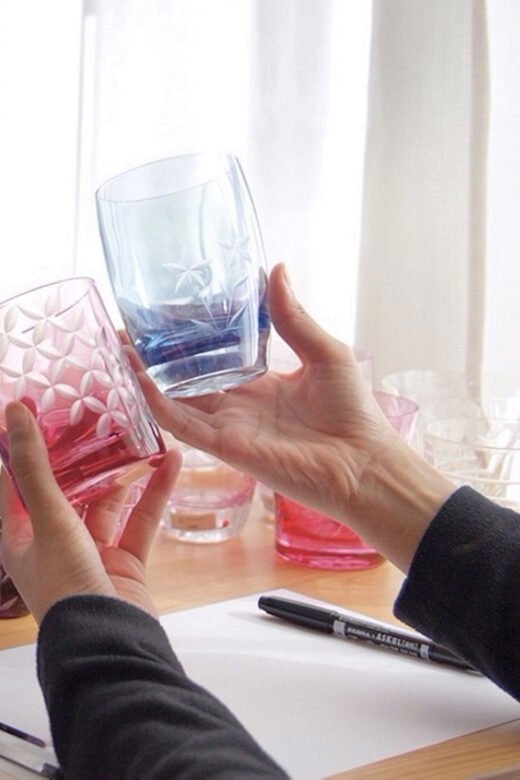
Cutting glass in Tokyo feels oddly calm. In this Edo Kiriko class, you learn the traditional way to carve famous Japanese patterns into your own glass keepsake. Two things I especially like: you get to choose your colors and pattern from lots of samples, and the lesson happens in a convenient spot close to Asakusa Station.
You also get real, close-up coaching while you’re working, which matters with this craft. The one thing to keep in mind is that the cutting part takes patience—your first marks may not look perfect right away, but that’s part of learning how the technique behaves.
In This Review
- Key Points at a Glance
- Edo Kiriko Glass Carving Near Asakusa: Why This Class Feels Worth It
- Price and Time: What $30 Really Buys in 90 Minutes
- Finding Sokichi From Asakusa Station (and Getting Into the Right Room)
- Your First Steps: Practice, Then Pattern Choice That Sets You Up to Succeed
- Picking Glass and Pattern: More Choice Than You Think You’ll Need
- The Cutting Technique Lesson: Where Patience Does the Heavy Lifting
- Small-Group Atmosphere and English Support That Actually Helps
- What You Take Home: A Keepsake With Real Craft Behind It
- Nearby Sights: Turning One Class Into a Real Asakusa Day
- Who Should Book This Edo Kiriko Class (and Who Might Not)
- Should You Book It? My Practical Take
- FAQ
- FAQ
- How long is the Edo Kiriko Traditional Glass Carving Class?
- How much does it cost?
- Where do I meet for the class?
- What will I make?
- What’s included in the price?
- What glass and colors can I choose from?
- What language is the instruction available in?
- What should I bring?
- Is transportation included?
- What is the cancellation policy?
Key Points at a Glance

- Edo Kiriko tradition, 180+ years old, taught hands-on in a small classroom setting
- Choose your glass and pattern from multiple options, including clear and colored styles
- Instructor support matters, with English available and plenty of correction as you go
- Beginner-friendly steps, including early practice before you finalize your design
- A take-home souvenir you actually made, not just a photo with a demo
Edo Kiriko Glass Carving Near Asakusa: Why This Class Feels Worth It

If you want a Tokyo activity that isn’t just “look and buy,” this one fits. You’re doing something physical and creative in 90 minutes, using traditional cutting and carving techniques tied to Edo Kiriko, a craft with over 180 years behind it.
The appeal here is practical. First, you choose what you’re making. You’re not stuck with a preset outcome. Second, you’re not only watching someone else work—you’re learning how to apply pressure, keep lines steady, and get the pattern to read correctly in glass.
And because the studio is walkable from Asakusa Station, you can slot this into a day that also includes the area’s temples and old-town streets. That’s a big deal in Tokyo, where travel time can quietly eat your whole schedule.
A few more Tokyo tours and experiences worth a look


Price and Time: What $30 Really Buys in 90 Minutes

At about $30 per person, the value comes from what’s included. You get the class itself, a lecturer who guides your carving, and the glass you’ll use. That’s the core cost of making something you can bring home.
You’re also getting a complete cycle: practice first, then your actual design, then finishing steps that turn your cut lines into a readable pattern. For many short workshops, you just “make something.” Here, the time structure is aimed at helping you get a solid result even if you’ve never carved glass before.
One more quiet value point: the craft is best-known for its patterned cut work. So paying for instruction is less about materials and more about learning the technique that makes the pattern look right.
Finding Sokichi From Asakusa Station (and Getting Into the Right Room)
Your start point is Sokichi, located about a 30-second walk from Asakusa Station. When you arrive, talk to the staff at the shop. They’ll escort you to the room for your class.
This kind of setup is typical for small craft studios, and it’s genuinely helpful. You don’t need to interpret a maze of signs—you just follow the staff to the teaching space.
Also, this is one of those locations that plays nicely with sightseeing. The studio is close enough that you can pair it with the SkyTree area and with Senso-ji without planning your whole day around transportation. If you like an activity that slots smoothly between temple stops and neighborhood walks, this location works.
Your First Steps: Practice, Then Pattern Choice That Sets You Up to Succeed
The class structure is designed to reduce the panic factor. You don’t jump straight into your final carving. You start with practice—simple cut marks or patterns—so you can feel how the glass responds.
In one case, a participant began with practice stars to learn accuracy and control before moving on. Even if your exact practice piece differs, the idea is the same: you build muscle memory first, then translate it into your chosen design.
Then comes one of the best parts: selecting what you’ll actually make. You can choose your favorite design from more than 20 kinds of glass, plus dozens of pattern samples. If you like planning and picking aesthetics, this portion gives you real options.
You’ll also choose from clear and colored glasses. The colored options include blue, pink, and yellow, with clear styles in the mix too. Picking color isn’t just decoration—it affects how the cut pattern catches light once it’s finished.
Picking Glass and Pattern: More Choice Than You Think You’ll Need
Here’s where the craft becomes more interesting than it sounds. Glass cutting is not like drawing on paper. The final look depends on the shape of the piece, the angles of the cuts, and how the pattern repeats.
That’s why the choice matters. You’re choosing both the base glass type and the pattern style. The class gives you enough options that you can tailor the vibe: delicate, bold, repeating motifs, or more straightforward lines.
Also, you can generally work at different levels. The instruction supports beginner-friendly starts while still giving room to refine skills if you want to push for a cleaner result.
What I like about this approach is that it prevents the common “I’m a beginner, so I’ll ruin everything” feeling. You’re allowed to try, adjust, and improve with guidance as you go.





The Cutting Technique Lesson: Where Patience Does the Heavy Lifting
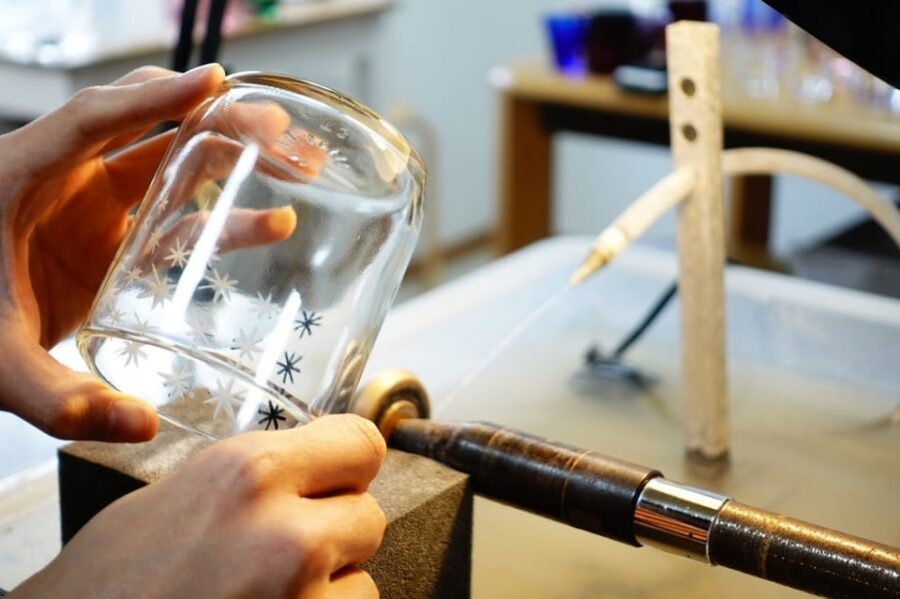
This is the part that takes concentration. Cutting glass with traditional techniques is doable, but it requires steady hand control. The instructor shows you how to cut and carve, and you practice while getting feedback.
A big part of the learning is correction. The instructor can help you spot things like uneven spacing or lines that drift off your intended guide. One participant noted that their work was gently refined to fix crooked etchings, while still letting them take ownership of the final piece.
You’ll likely hear practical tips like how to hold tools, how to keep direction consistent, and how to aim for accuracy rather than speed. And you’re never working alone—an instructor is there with you at the bench.
The “quietly intense” feeling is real. It’s not stressful, but it’s focused. It can feel almost meditative because you’re counting strokes and watching how the cut line forms.
Small-Group Atmosphere and English Support That Actually Helps
This isn’t a huge factory-style class. You’re taught in a small setting, which makes a difference when you’re learning a hands-on craft.
English instruction is available, and the lecturer’s support is a major reason the class gets such high satisfaction. One instructor named Ze is specifically mentioned as kind, patient, and thorough. People also highlight that instruction was clear and feedback was supportive—exactly what you want when your first attempts aren’t perfect.
If you’re the type who learns better by watching someone correct your technique in real time, this format is a good fit. You don’t just get a one-time explanation and then a vague goodbye.
What You Take Home: A Keepsake With Real Craft Behind It
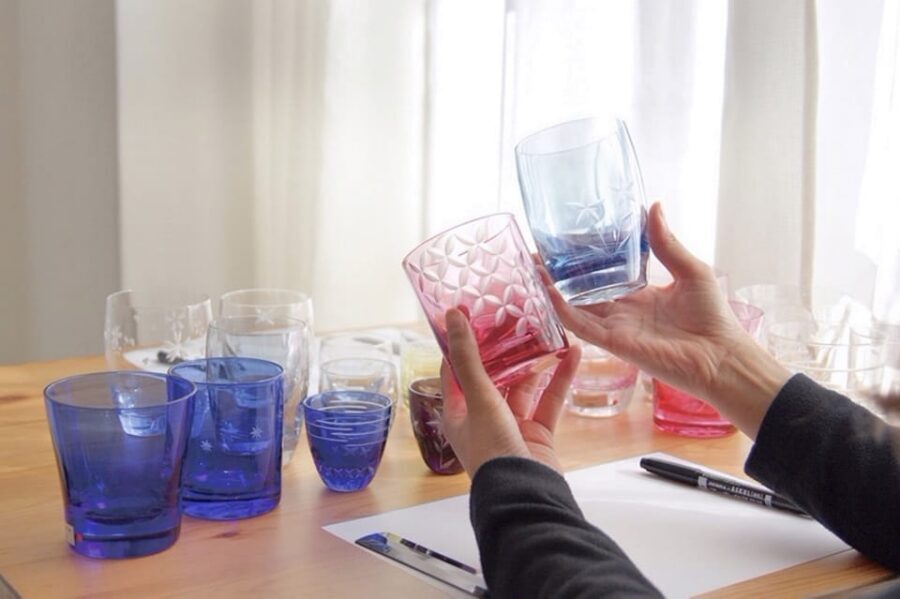
The headline is simple: you make a glass artwork to take home. That’s the point. You’re not leaving with a printed certificate. You’re leaving with something you carved yourself.
In at least one case, a participant left with two fine glass items. Your exact take-home quantity can depend on how your design and timing work out, but you should expect to complete at least one finished piece by the end.
Also, your design choice matters when you look at the final result back at your hotel. Colored glass (blue, pink, yellow) can make the cuts look different than clear glass under indoor lighting. So even if your pattern is similar to someone else’s, the effect won’t be identical.
Practical note: once you’re done, treat your piece with care. Cutting work means your keepsake has fresh edges and a delicate feel. Pack it like something you’d want to keep for years.
Nearby Sights: Turning One Class Into a Real Asakusa Day
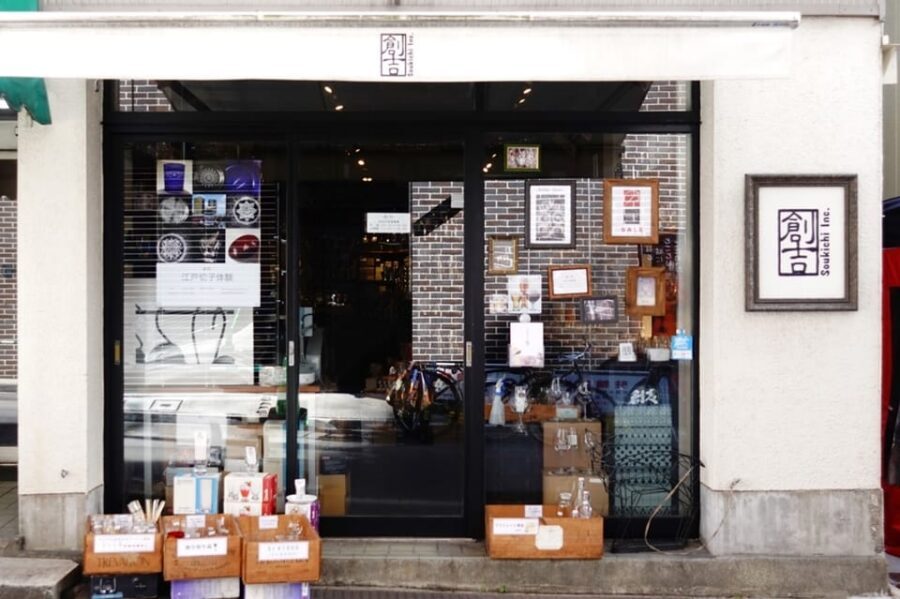
This class is ideally placed for a classic Asakusa itinerary. Start with the workshop, then walk to nearby sights while the craft idea is still fresh.
You’ll be well positioned for:
- Senso-ji area (short ride or walk depending on your pace)
- SkyTree neighborhood (close enough to pair in the same day)
The big advantage is mental. When your afternoon plan includes a hands-on activity, your sightseeing feels more connected. You’re not just consuming scenes—you’re doing something cultural and creative.
Who Should Book This Edo Kiriko Class (and Who Might Not)
This class is great if you:
- want a hands-on Tokyo experience that produces a real keepsake
- like the idea of choosing your own design and colors
- learn well with step-by-step instruction and corrections
- want something calmer than a crowded attraction line
It may be less ideal if you:
- want a completely stress-free activity where nothing needs concentration
- dislike working with tools and precise hand control
- prefer activities where the main enjoyment is watching rather than doing
If you’re worried about ability, don’t be. The class is set up for beginners, while still offering ways to refine results.
Should You Book It? My Practical Take
I’d book this if you want a short Tokyo activity with high payoff. For the price, you’re paying for instruction plus glass, and you end with a craft object that reflects what you chose and how you carved it. That combination is hard to beat for value.
Book it sooner rather than later if you’re visiting during busy seasons. With a 90-minute slot, you’ll want your timing to work cleanly with the rest of your day.
Most importantly: if you enjoy making things—even a little imperfect at first—this workshop delivers.
FAQ
FAQ
How long is the Edo Kiriko Traditional Glass Carving Class?
The class lasts 90 minutes.
How much does it cost?
It costs about $30 per person.
Where do I meet for the class?
Start at Sokichi. The store is about a 30-second walk from Asakusa Station.
What will I make?
You’ll create an Edo Kiriko style cut-glass artwork that you can take home.
What’s included in the price?
The class includes the glass carving workshop, a lecturer, and colored glass.
What glass and colors can I choose from?
You can choose from multiple types of glass (clear and colored). Colored options include blue, pink, and yellow, and the course includes 6 types of clear and colored glasses.
What language is the instruction available in?
Instruction is available in English and Japanese.
What should I bring?
Bring a hair tie.
Is transportation included?
Transportation is not included. You’ll need to get yourself to the meeting point.
What is the cancellation policy?
You can cancel up to 24 hours in advance for a full refund.