REVIEW · TOKYO
Tokyo Fuji Art Museum Admission Ticket + Special Exhibition (when being held)
Book on Viator →Operated by Tokyo Fuji Art Museum · Bookable on Viator
Art that fits your own schedule. This ticket gives you pre-booked admission to Tokyo Fuji Art Museum, plus access to a special exhibition that changes over time, and then you’re free to wander without a rigid plan.
What I like most is how the visit balances scale and variety. You’re looking at a collection of roughly 30,000 Japanese, Eastern, and Western works, including an especially strong run of Western oil paintings spanning centuries. One thing to factor in: the museum is a bit out from central Tokyo, so plan extra transit time before your 10:00 AM start.
In This Review
- Key Things To Know
- Pre-Booked Admission: Why It Feels Easier in Real Life
- Tokyo Fuji Art Museum: The Collection That Makes the Ticket Worth It
- The Changing Special Exhibition: Your Main Reason to Go on Your Dates
- Your Self-Paced Plan: How to Use 2–3 Hours Without Rushing
- Price and Value: The $5.27 Ticket Logic
- Getting There and Timing: Make the Day Easy
- What to Look For Once You’re Inside
- Who This Ticket Is Best For
- Should You Book This Tokyo Fuji Art Museum Ticket?
- FAQ
- What does the Tokyo Fuji Art Museum ticket include?
- How long should I plan to visit?
- Are there fixed tour schedules once I’m inside?
- What are the opening hours?
- Is there lunch included?
- Can I cancel for a full refund?
Key Things To Know
- Pre-booked entry helps you avoid ticket-line stress and keeps your day moving.
- A self-paced visit means you can spend longer where you care most.
- Special exhibitions rotate, so your experience depends on what’s on during your dates.
- Western oil paintings run deep, with works reaching from Renaissance through Baroque and beyond.
- Expect a serious art collection, not a tiny stop, so 2 to 3 hours can fly by.
- No lunch included, so plan a snack or meal before you go.
Pre-Booked Admission: Why It Feels Easier in Real Life
Tokyo museums can be wonderfully civilized, but ticket lines still happen. That’s why I like this setup: you buy ahead, then you show up ready to walk in. The point is not just speed. It’s mood. If your day starts with a long wait, you never quite shake it off.
Another practical perk: you do not need a complicated schedule. Opening hours are 10:00 AM to 5:00 PM during the listed date windows, and the visit is designed for you to explore on your own time within that frame. Also, after booking, you get confirmation right away, which you can keep handy on your phone.
And here’s a small detail that matters: when people have had trouble at machine counters, staff can often help by using the reservation name. That kind of calm, human backup can save time if you’re tired after commuting.
A few more Tokyo tours and experiences worth a look



Tokyo Fuji Art Museum: The Collection That Makes the Ticket Worth It
The museum was founded by Daisaku Ikeda in 1983, and it carries a collection built for variety. You’re not just getting one style of art or one era. You’re getting a wide sweep across media and periods.
Here’s what stands out from the facts you should know before you arrive:
- Around 30,000 works across Japanese, Eastern, and Western art
- Multiple formats: paintings, prints, photography, sculpture, ceramics, lacquer ware
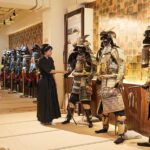
- Plus metalwork and historical objects like armor, swords, and medallions from different cultures and times
Now, the headline reason this museum earns repeat visits is the Western side. The museum is especially known for Western oil paintings covering about five centuries—from the Renaissance to the Baroque, and into postmodernist eras. If you usually associate European painting with big-city museums, this is a satisfying surprise in Tokyo.
You’ll also find an exceptional emphasis on photography, which gives the visit a modern tempo even when the collection runs centuries deep.
If you love art history, this is a good place to let your curiosity roam. If you love specific artists or periods, it’s still worth it because the museum’s range makes it easy to find unexpected connections.
The Changing Special Exhibition: Your Main Reason to Go on Your Dates
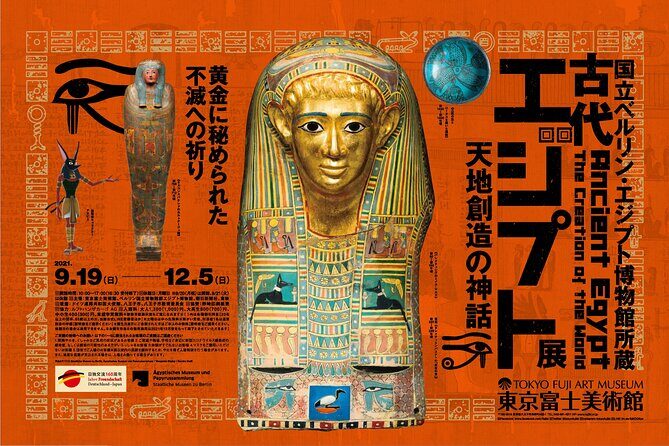
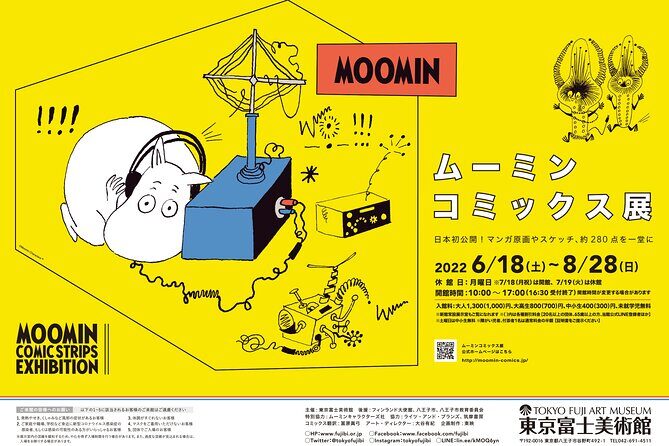
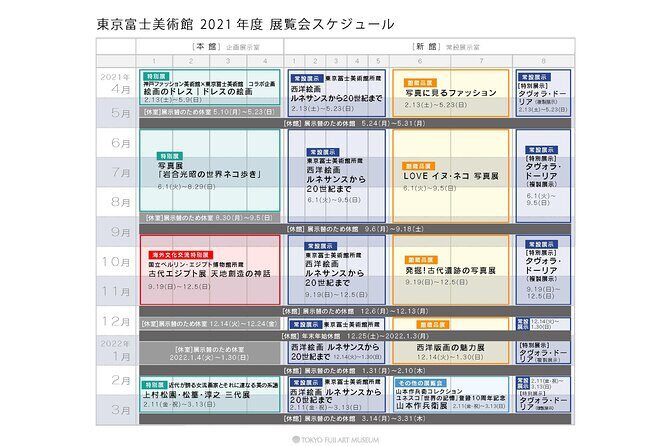
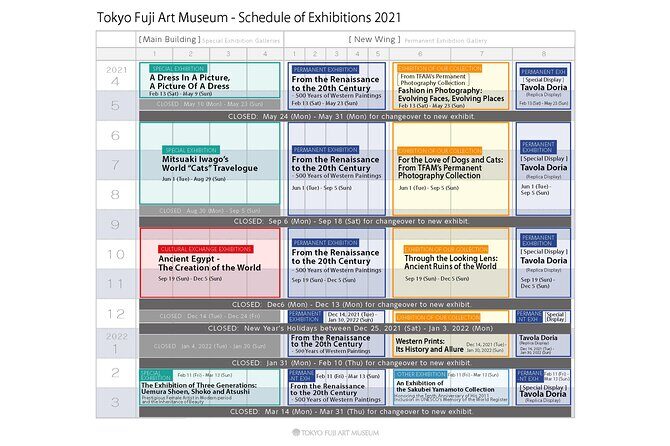
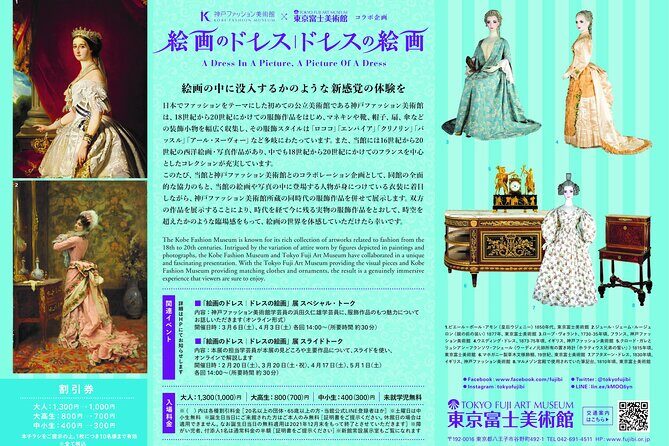
This ticket includes the special exhibition running during your visit window. That’s the part that can vary, so it’s smart to treat this as a two-layer experience: the permanent collection plus whatever special show is on right then.
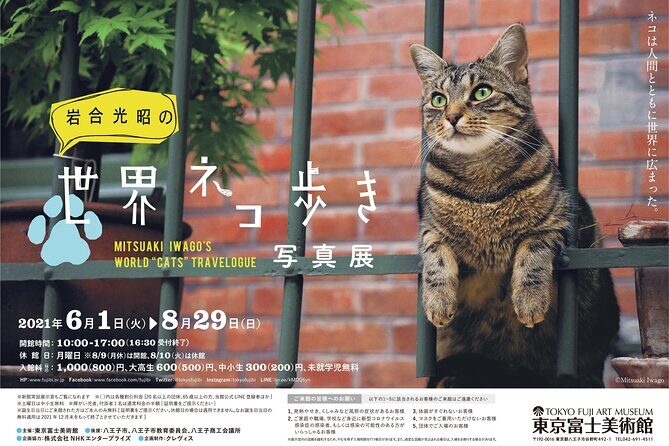
The good news: the museum’s special exhibitions have included major artist-focused shows. For example, there have been exhibitions tied to Osamu Tezuka, and there have also been themes like cats, including cat-related displays and souvenir options. On the Western painting side, there has been a show called 400 Years of the Beauty of Western Painting, with a lot of material that helps you see how breadth works in practice.
What this means for you: you’re not stuck seeing the same museum twice. If you visit again later, you’ll likely get a different centerpiece. And because this ticket is tied to the special exhibition, you’re not paying extra for the rotating element.
One consideration: if you arrive expecting one exact theme every time, you’ll need to check what’s on for your dates. The permanent collection will still carry the visit, but the special show changes the emotional payoff.
Your Self-Paced Plan: How to Use 2–3 Hours Without Rushing
The duration is listed as 2 to 3 hours, and that’s a comfortable window for a museum that’s big enough to feel meaningful but not so huge that you get lost in a day-long haze.
Since there’s no strict schedule, I’d use a simple rhythm:
1) Start with the galleries that match your biggest interests first
2) Then wander outward through adjacent rooms
3) End by revisiting anything that surprised you
This kind of pacing matters because the collection covers so many formats—paintings, prints, photography, ceramics, even historical objects. If you try to sprint through everything, you’ll blur the differences between media styles and time periods.
A realistic bonus: because you’re not on a fixed timetable, you can slow down at the pace of your own attention. That’s great if you’re traveling with someone who likes to linger, or if you’re the type who reads every label for a little too long.
Price and Value: The $5.27 Ticket Logic
At $5.27 per person, this ticket is priced for serious value. I’m not saying all museums should be this cheap, but this is one of those cases where the cost doesn’t seem to match the scale of what you get.
You’re paying for:
- Admission to the museum
- The special exhibition for the day you visit
The museum’s collection is large and multi-era, and the special exhibition is included instead of treated as an add-on. That combination is where the bargain feeling comes from.
Two small value notes:
- Lunch is not included, so budget for food separately. If you skip a meal, you’ll feel it halfway through your art focus.
- The museum is described as near public transportation, which helps keep your day costs stable. You won’t need a private car to make the visit work.
You can also read our reviews of more museum experiences in Tokyo




Getting There and Timing: Make the Day Easy

You’ll want to build this into your schedule with real transit time, since the museum is not in the very center of Tokyo. One of the recurring practical themes around this museum is that it can feel far compared with more famous central landmarks, so I’d treat it like a half-day commitment.
Opening hours during the listed periods are 10:00 AM to 5:00 PM, Monday through Sunday. That’s a wide window, which gives you options:
- If you want fewer crowds, arrive earlier in the day.
- If you’re combining it with other activities, you can still slot it in without feeling locked to a tour start time.
Also, confirmation happens at booking, and service animals are allowed. If you travel with any accessibility needs, this is at least reassuring on the animal support side.
What to Look For Once You’re Inside
Because this is a broad collection, you’ll enjoy it more if you decide what you’re hunting for before you enter. Here are a few smart targets based on what the museum is known for:
- Western oil paintings across centuries: When you see works clustered by time period, it becomes easier to notice shifts in technique and mood.
- Photography: This can act like a palate cleanser between older works and more historical objects.
- Japanese and Eastern materials: You’ll encounter everything from ceramics and lacquer ware to larger historical artifacts like armor and swords.
- Special exhibition centerpiece: Treat it like the main story. Then let the permanent galleries support it.
If you’re visiting for a specific artist or theme, your best strategy is to start with that gallery cluster first, while you’re fresh. Then let the rest of the museum surprise you.
Who This Ticket Is Best For

This works especially well if you:
- Love art and want a museum with a serious collection, not a quick look-and-leave
- Want a rotating special exhibition included with your entry
- Prefer exploring at your own pace instead of following a strict group plan
- Are traveling with someone who enjoys wandering, comparing styles, and spending time with details
It might be less ideal if you:
- Only want a short, one-room stop for a single theme
- Have very limited time and need a near-zero transit commitment
Still, even in that case, the museum’s range means you can choose a smart route and cut your visit down without feeling like you missed everything important.
Should You Book This Tokyo Fuji Art Museum Ticket?
If you want value, flexibility, and a museum experience that goes beyond the usual highlights, I think this is an easy yes. The combination of pre-booked admission (less friction on arrival), a large permanent collection, and a special exhibition included makes the $5.27 price feel unusually fair.
Book it if your travel dates line up with a special show you’d actually enjoy. If you’re on the fence, check what exhibition is running during your dates and plan for 2 to 3 hours so you can see the permanent galleries without rushing the main event. If you only have time for one museum in the area and you care about art across eras and styles, this is a strong choice.
FAQ
What does the Tokyo Fuji Art Museum ticket include?
The ticket includes admission to Tokyo Fuji Art Museum and entry to the special exhibition that is being held during your visit.
How long should I plan to visit?
The experience duration is listed as approximately 2 to 3 hours.
Are there fixed tour schedules once I’m inside?
No. There are no strict schedules, and you can explore the museum at your own pace.
What are the opening hours?
During the listed date windows, the museum is open daily (Monday through Sunday) from 10:00 AM to 5:00 PM.
Is there lunch included?
No. Lunch is not included.
Can I cancel for a full refund?
Yes. You can cancel up to 24 hours in advance for a full refund.