REVIEW · TOKYO
Tokyo Full day Private Customized Tour with English Driver
Book on GetYourGuide →Operated by Travellers Japan · Bookable on GetYourGuide
That first view from Tokyo Skytree hits different. This private day trip strings together Tokyo’s top hits with a driver who can tweak the route to your pace. You’ll get hotel pickup, an English-speaking driver, and a smooth, no-stress way to cover a lot in one day.
I especially like the mix of food culture and big-city icons: Tsukiji Fish Market in the morning, then the skyline payoff at Tokyo Skytree with panoramic views. I also like that the day includes variety—temples, shrines, palace grounds, and modern neighborhoods—so you don’t feel stuck in one kind of sightseeing. One consideration: entrance fees and food aren’t included, and the tour depends on your driver showing up on time (one reported experience had a no-show, so plan with a bit of backup).
In This Review
- Key Stops at a Glance: What This Private Tokyo Day Gets You
- Private, English-Speaking Driver: The Real Point of This Tour
- Tsukiji Fish Market: Morning Flavor, Market Reality, and Short Time
- Asakusa’s Sensō-ji Temple: Kannon, Gates, Gardens, and Street Life
- Tokyo Skytree Tembo Deck Floor 350: The 634-Meter View and Fuji Conditions
- Meiji Jingu Shrine: A 70-Hectare Forest Moment Inside the Megacity
- Imperial Palace Grounds: Where Edo Castle Used to Be
- Shibuya Crossing and Takeshita Street: People-Watching Plus Candy-and-Sneakers
- Tokyo Tower and Odaiba Seaside Park Views: A Dusk-Mode Ending
- Price and Value for a Private Tour Up to 5 People
- Logistics That Matter: Entrances, Food Stops, and Vehicle Rules
- Who This Private Tokyo Tour Fits Best (and Who Should Think Twice)
- Should You Book This Private Tokyo Day Tour?
- FAQ
- How long is the Tokyo private customized tour?
- What is the group size for this tour?
- Do I get hotel pickup and drop-off?
- Are the Tokyo Skytree and Tokyo Tower entrance fees included?
- Is food included during the tour?
- What’s included with the ride?
- What languages does the driver speak?
- Are there any rules about luggage or items in the vehicle?
- What is the cancellation policy?
Key Stops at a Glance: What This Private Tokyo Day Gets You
- Hotel pickup and drop-off with a WiFi hotspot so you can navigate and stay connected while the driver handles the streets
- Tokyo Skytree (Tembo Deck Floor 350) for a high, 360-degree style perspective, with Mt. Fuji possible on clear days
- Tsukiji Fish Market for market energy, ingredient shopping, and hands-on-style fish cutting or prep experiences you can opt into
- Senso-ji Temple in Asakusa for one of Tokyo’s oldest temple settings devoted to Kannon
- Shibuya Crossing plus Takeshita Street for the classic mix of crowds, neon, and quick shopping snacks
- Meiji Jingu Shrine and Imperial Palace grounds for greenery breaks between the city’s concrete pace
Private, English-Speaking Driver: The Real Point of This Tour
This is a small-group private-style day built around one simple idea: you save your energy for Tokyo, not for figuring out buses, trains, and transfers. You’ll be picked up from your accommodation and dropped back at the end, and you also get a WiFi hotspot in the car plus water, tea, or coffee.
The driver experience is part of the value. This isn’t a silent transfer; you’re getting an English-speaking driver, and Italian is also listed among driver language options. Practically, that means you can ask for timing adjustments, route changes, and help with what to do at each stop—especially useful at places that move fast like Tsukiji and Shibuya.
The one caution I’d keep in mind is logistics. The driver may arrive up to 30 minutes late due to traffic, and there’s at least one documented case where the driver didn’t show up at all. In a city this size, that’s rare, but it’s also why I recommend you keep your provider contact method handy so you can respond quickly if anything goes sideways.
You can also read our reviews of more private tours in Tokyo


Tsukiji Fish Market: Morning Flavor, Market Reality, and Short Time
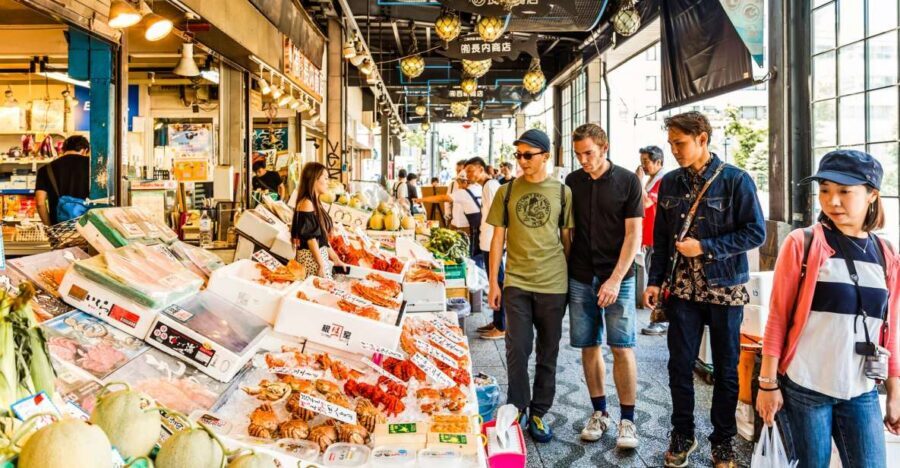
Tsukiji is one of those Tokyo experiences that feels like a genre on its own. The plan starts here, giving you a chunk of time to walk around, see how the market world works, and decide what you want to eat or buy. You’ll have about 40 minutes allocated, so this is more about direction and choices than lingering.
What I like is the way the description frames Tsukiji as practical: you can purchase ingredients chosen with expertise, have a meal, and even learn how to cut fish (or at least participate in cutting/prep-style activities depending on what’s available on the day). If you care about food culture beyond just a souvenir purchase, that angle matters.
The trade-off is time. Tsukiji is not a place you fully master in 40 minutes. If you’re serious about tasting specific things, be ready to keep moving and make quick decisions. Wear comfortable shoes and bring your appetite, because this morning stop sets the mood for the entire day.
Asakusa’s Sensō-ji Temple: Kannon, Gates, Gardens, and Street Life
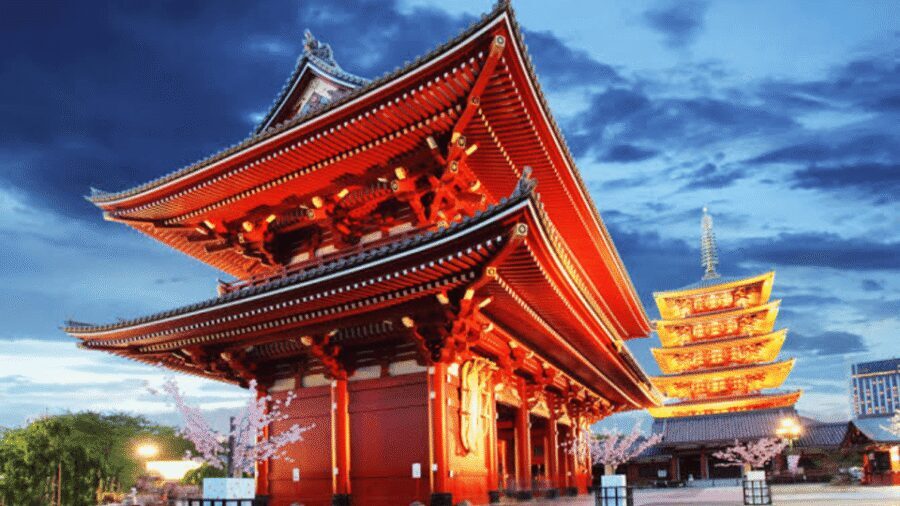
Next up is Sensō-ji Temple in Asakusa—one of Tokyo’s oldest temples and a major reason people come here even if they’ve seen other Japanese shrines before. The tour focuses on the big picture: temple architecture, places of worship, Japanese gardens, and traditional marketplaces around the area.
This is also the stop where Tokyo’s scale of worship becomes obvious. Sensō-ji is devoted to Kannon (the Buddhist goddess of mercy), and you’ll see statues of various gods watching over gates and shrines. That’s the kind of detail you could miss if you’re just walking through without any context.
The visit time is about 40 minutes. That’s enough to see the main temple area, take photos, and sample some neighborhood vibes, but it’s still a “hits and photos” window. If you want slow, quiet reflection time, you might need to stand back and accept that this tour day is designed to cover multiple neighborhoods, not just one.
Tokyo Skytree Tembo Deck Floor 350: The 634-Meter View and Fuji Conditions
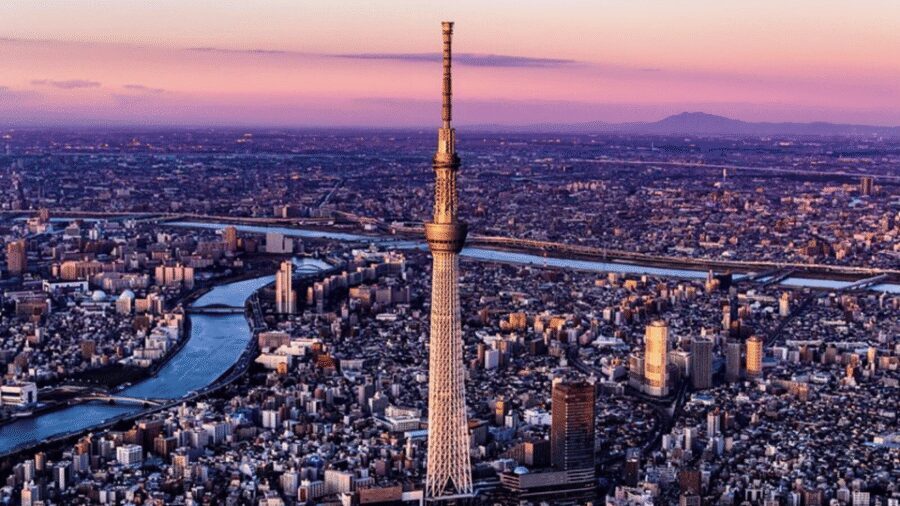
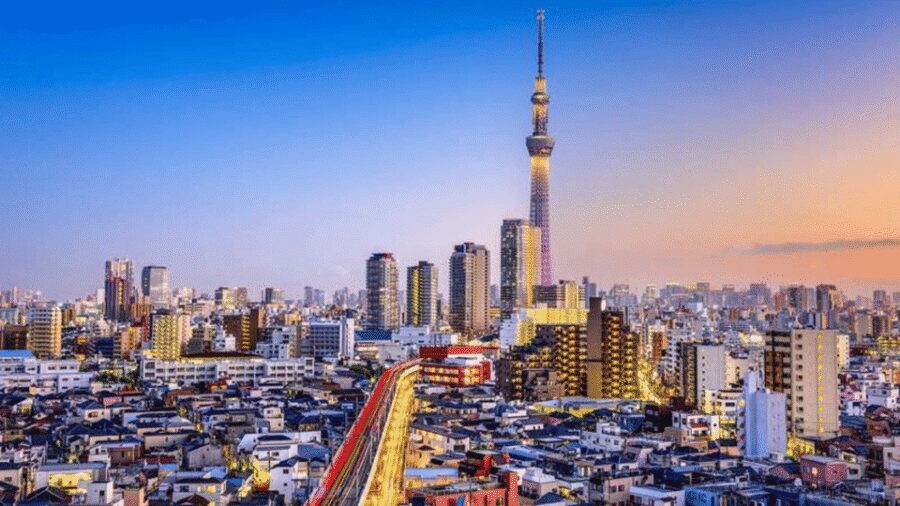
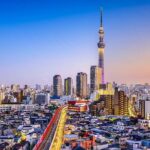
Then comes the skyline reward: Tokyo Skytree. This is the tallest structure in Japan and it’s listed at 634 meters high, with panoramic views from the Tembo Deck Floor 350. On a clear day, you can see Mt. Fuji, which is basically the dream add-on for anyone who’s coming for Tokyo but still hopes to catch a glimpse of Japan’s famous mountain.
Your stop time here is about 1 hour, and that feels about right. People often underestimate how long photos, moving between viewpoints, and getting oriented can take—especially if crowds are thick. One practical note: entry fees to Tokyo Skytree are not included, so factor that into your budget.
I also recommend you plan your Skytree expectations based on weather. If the day is hazy, the view can still be excellent, just less “Fuji-confirmed.” The tour gives you the chance; you bring the conditions.
Meiji Jingu Shrine: A 70-Hectare Forest Moment Inside the Megacity
After skyscrapers, the tour shifts gears to quiet. Meiji Jingu Shrine is described with a huge forest area—about 70 hectares—and the effect is immediate: you step into a traditional scene and the city noise fades.
This is one of the more “reset your head” stops on the day. You can walk through greenery and feel the difference between Tokyo’s outer rush and the shrine grounds’ calmer rhythm. Even if you’re not a shrine person, it’s the kind of place where the setting helps you understand what Japan means by sacred space inside everyday life.
The time for this stop is about 40 minutes. That’s enough to enter the grounds, take your photos, and enjoy the walk without feeling rushed. If it’s raining, you’ll still appreciate it, since the forest gives the area a softer look even in gray weather.
A few more Tokyo tours and experiences worth a look

Imperial Palace Grounds: Where Edo Castle Used to Be
Next, you’ll head to the Imperial Palace, home to the Emperor of Japan. The grounds sit on the site of Edo Castle, which was the Shogun’s seat before 1868. That historical layer matters because it explains why you’ll see wide moats, thick walls, and carefully maintained gardens rather than a dense urban feel.
The tour allocates about 45 minutes here. That’s plenty to appreciate the grounds’ calm contrast and walk a reasonable loop area, especially since you’re coming from the shrine and forest walk.
I like this stop because it gives you a green, structured “pause” between neighborhoods that feel more chaotic and commercial. It’s also one of the easiest places to feel the difference between Japan’s modern city engine and its long-time institutions.
Shibuya Crossing and Takeshita Street: People-Watching Plus Candy-and-Sneakers
Now for modern Tokyo in fast-forward. The itinerary includes Shibuya Crossing, the one in front of Shibuya Station’s Hachikō exit, with the Hachikō statue nearby—often a meeting point, and it’s usually crowded. The 45-minute window is enough to take in the flow, watch the crosswalk choreography, and snap photos from a safe spot.
Right after that, you’ll head to Takeshita Street, a 350-meter-long stretch with 130+ shops linking Harajuku Station to Meiji Dori Avenue. This stop is built for browsing—fashion, fun items, and sweet treats. It’s loud, fast, and very “Tokyo right now,” but it’s also a fun place to pick up small things you’ll actually use.
You’ll have about 30 minutes on Takeshita Street. That’s not enough to shop deeply, but it’s good for quick browsing and snack hunting. If you’re picky about what you buy, decide in advance what category matters most (streetwear, accessories, novelty sweets, or camera-friendly souvenirs).
Tokyo Tower and Odaiba Seaside Park Views: A Dusk-Mode Ending
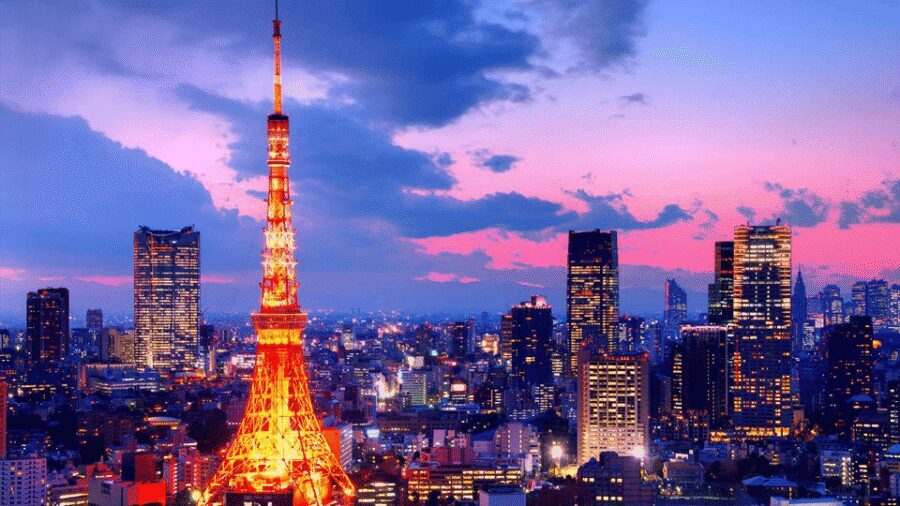
One of the more atmospheric parts of the day is the Tokyo Tower/Odaiba area. The plan includes Tokyo Tower with about 50 minutes, and the description also calls out Odaiba Seaside Park near Tokyo Bay. The goal is views over the bay area—spotting Tokyo Tower and the Rainbow Bridge, especially impressive after dark.
Even if your specific schedule doesn’t land you at peak night lighting, this is still a good finishing zone because it feels different from central Tokyo streets. It’s open-air, you’re closer to water, and the skyline views give you that “I’m really in a world-class city” feeling.
You’ll want a camera ready and comfortable walking shoes. This part of the itinerary is where a tired day can still turn enjoyable, as long as you’re mentally okay with lots of photo stops and a “stand here and watch” kind of pacing.
Price and Value for a Private Tour Up to 5 People
At $421 per group (up to 5 people) for an 8-hour private customized day, the price is really about convenience and coverage. You’re paying for: hotel pickup and drop-off, a driver who handles routing and timing, and extras that would add up if you paid separately (WiFi hotspot, highway tax, fuel, and drinks like water/tea/coffee).
What keeps the math honest: entrance fees for Tokyo Skytree and Tokyo Tower are not included, and food is not included. Also, if you’re hoping to eat multiple meals plus do any extra paid experiences at Tsukiji, you’ll want extra cash on hand.
Where this tends to be best value is for small groups who don’t want to split up, argue about train routes, or waste vacation time on logistics. If you’re a solo traveler, you may find it pricier than a shared sightseeing bus. But if you’re traveling with friends or family and you want a smooth flow with minimal friction, the per-group cost can feel reasonable.
Logistics That Matter: Entrances, Food Stops, and Vehicle Rules
This tour is designed to keep you moving, but it comes with practical rules. Skyline and tower entry fees aren’t included, so you should budget for those separately. Food isn’t included either, which matters at Tsukiji—where meals can be a big part of the experience.
There are also vehicle rules listed that could affect comfort:
- No baby strollers
- No drinks in the vehicle
- No alcohol or drugs
- No bags
- No climbing (pretty common, but still listed)
- No alcoholic drinks in the vehicle
If you’re traveling with a lot of shopping bags already, plan a light pack day. The “no bags” rule is the one that surprises people, so think about what you’ll carry on the car ride and how you’ll manage purchases later.
Finally, the day is customized, which is the big advantage. If one stop feels too crowded or you want more time at a specific place, you can ask your driver to tweak the pacing—within the structure of an 8-hour day.
Who This Private Tokyo Tour Fits Best (and Who Should Think Twice)
This tour is a great match if you want a private, driver-led itinerary covering major Tokyo landmarks: Skytree views, Asakusa temple, Meiji Jingu greenery, Imperial Palace grounds, and the Shibuya/Harajuku-style modern energy.
It’s especially suitable for travelers who appreciate guided context and prefer not to spend their day solving transit puzzles. The “small group up to 5” also helps you keep flexibility without feeling like you’re stuck behind a large bus crowd.
On the caution side, it’s listed as not suitable for pregnant women, people with pre-existing medical conditions, and people with high blood pressure, and also not suitable for people over 70 (and over 95). If any of these apply, it’s worth checking with the provider first to avoid a day that feels too active or stressful.
Should You Book This Private Tokyo Day Tour?
If your priority is a smooth, organized Tokyo day with an English-speaking driver and you’re okay paying separate entrance fees plus your own food, this is an appealing way to see a lot without losing time. The standout strengths are the combination of major sightseeing (Skytree, Sensō-ji, Shibuya) and the calmer contrast stops (Meiji Jingu and Imperial Palace).
My biggest “should you book” point is risk management. With one reported case of a driver no-show that ruined a day, I’d treat this as a tour where you should confirm details and keep contact information ready. If you’re the type who likes a backup plan and can act fast if schedules slip, you’ll likely enjoy the convenience.
If you want a day that feels controlled and efficient, especially for a small group, this tour can deliver a lot of Tokyo in one shot.
FAQ
How long is the Tokyo private customized tour?
It runs for 8 hours. Starting times vary by availability.
What is the group size for this tour?
It’s listed as a small group with a limit of up to 5 participants per group.
Do I get hotel pickup and drop-off?
Yes. You get pickup and drop-off at your hotel (Tokyo pickup is included; pickup/drop-off outside Tokyo requires contacting the provider).
Are the Tokyo Skytree and Tokyo Tower entrance fees included?
No. Entrance fees are not included for Tokyo Skytree or Tokyo Tower.
Is food included during the tour?
No. Food is not included.
What’s included with the ride?
The package includes a luxury ride with an English-speaking driver (Italian also listed), a WiFi hotspot, highway tax, fuel, and complimentary water, tea, or coffee.
What languages does the driver speak?
The driver languages listed are English, Hindi, Japanese, and Arabic. English is specifically supported, and Italian is also listed with the luxury ride description.
Are there any rules about luggage or items in the vehicle?
Yes. Bags are not allowed, and the tour also lists restrictions like no alcohol/drugs and no drinks in the vehicle.
What is the cancellation policy?
You can cancel up to 24 hours in advance for a full refund. There’s also a reserve now, pay later option.
If you want, tell me your hotel area (Shinjuku, Shibuya, Ginza, Asakusa, etc.) and your travel dates, and I can suggest the tightest order for this itinerary so you hit the most important views with the least rushing.