REVIEW · TOKYO
Exclusive Sumo Morning Practice in Tokyo with Photo Opportunity
Book on Viator →Operated by MagicalTrip Inc. · Bookable on Viator
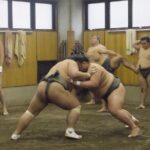
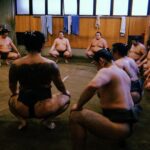
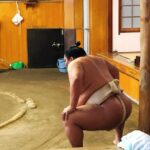
Watching sumo training up close is magic. This small-group morning visit to a Tokyo sumo stable near Skytree shows the wrestlers before the crowds, during real warm-ups and practice, with a photo moment built in. I love the early-morning energy and how the guide explains what you’re seeing in plain, useful terms.
I also love the photo opportunity. You’re not just watching from a distance—you get a chance to photograph the wrestlers and even pose for pictures with them, which turns the whole thing from a cool show into a real memory.
One consideration: the stable has strict rules. Most areas are off-limits and you’re generally confined to the tatami flooring area, so come ready to follow directions and accept a smaller viewing zone.
In This Review
- Key highlights you’ll feel in real time
- Morning Meets Real Sumo Practice at a Tokyo Stable
- Price, Time, and Group Size: What $99.10 Buys You
- Finding Oshiage Station: Your First Win
- Inside the Stable: Tatami-Only Rules and First-Come Seating
- What You’ll See During Sumo Morning Training
- Photo Opportunity That Doesn’t Feel Like a Photo Line
- Weather Reality Check: Hot and Humid Tokyo Mornings
- Who This Tour Fits Best (and Who Might Want Another Plan)
- The Guide Factor: Clear Explanations Make the Difference
- Should You Book This Sumo Morning Practice?
Key highlights you’ll feel in real time
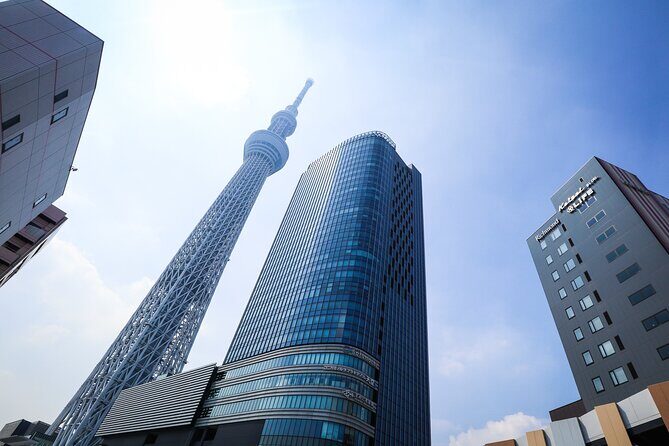
- Meet at Oshiage Station, then transfer to a sumo stable around the Skytree area
- Small group (max 10), so your guide can answer questions as you go
- Exclusive morning practice access, including warm-ups and sparring routines
- Photo time included, plus chances to pose with wrestlers
- Tatami-only viewing areas, with clear limits inside the stable
- First-come seating, so arriving on time matters for the best sightlines
Morning Meets Real Sumo Practice at a Tokyo Stable
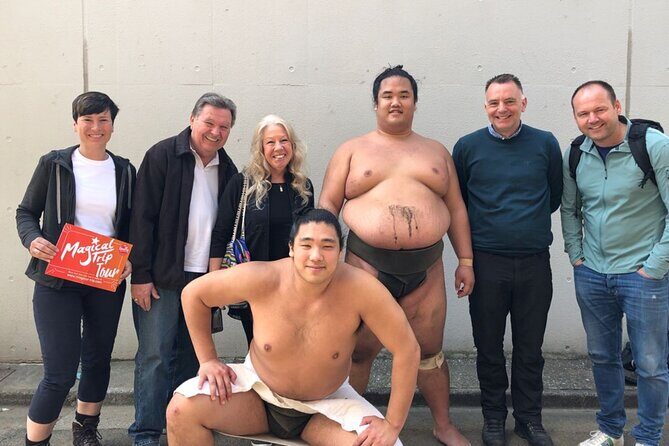
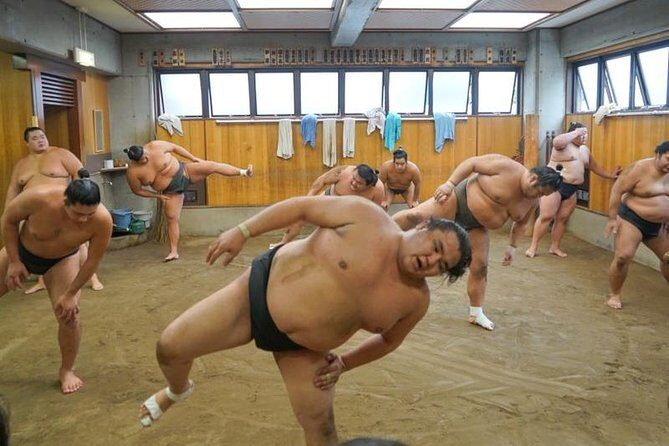
This tour is built around one simple idea: see sumo training the way it actually happens. Not later under bright arena lights, not in a highlight reel. Instead, you get a morning window when wrestlers are focused, moving with purpose, and working on technique the way athletes do.
The setting near Tokyo Skytree also helps. It’s a part of Tokyo that’s easy to reach, and the whole experience feels grounded in everyday neighborhood life rather than a tourist-style performance. You’ll start with your group at Oshiage Station, then head out to the sumo stable where the morning practice takes place.
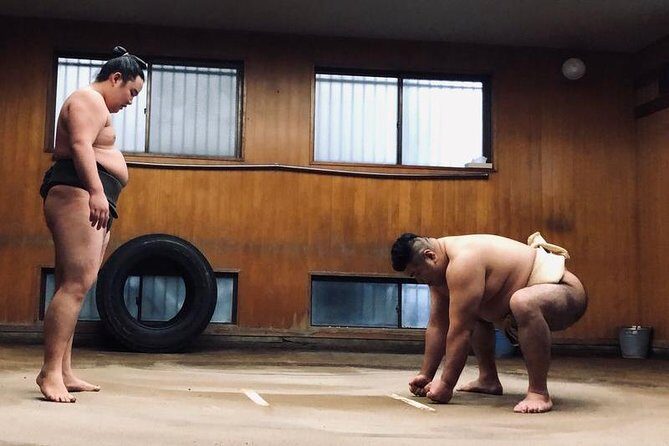
And yes, it’s intense. Even when the session looks repetitive at first glance, watch longer and you start noticing patterns—how they reset, how they train balance, and how seriously they take the routine. The vibe is disciplined, not playful. If you like sports, you’ll appreciate the effort behind the spectacle.
A few more Tokyo tours and experiences worth a look
Price, Time, and Group Size: What $99.10 Buys You
At $99.10 per person for about 2 hours, this is not a cheap “grab-and-go” activity. But it doesn’t feel overpriced for what you’re getting—because you’re paying for access. Sumo stables aren’t theme parks. Getting a small group into a morning practice, with explanations and a photo opportunity, costs real coordination.
The max 10 traveler group size is a big part of the value. With a smaller group, you’re more likely to get clear guidance on what to watch and where to stand. It also tends to make the photo part smoother. When there are fewer people, the wrestlers and staff can manage the flow better.
About timing: the session is short by design. One person noted that one hour is more than sufficient, and that the drills can feel repetitive. I get that perspective. This is training, not a running show. You’ll likely come away satisfied, but if you want a long, varied program like a full tournament day, you may wish the morning lasted longer.
Finding Oshiage Station: Your First Win
Your meeting point is at the taxi stand inside the station area at Oshiage Station in Sumida City. It’s listed right in the 駅ロータリー内 (the roundabout/taxi-stand zone), and that detail matters.
Here’s the practical part: station meeting points can be confusing at first in Tokyo, especially when there are multiple exits and walkway paths. So build in a little buffer. If you’re early, you’ll be calmer—and you’ll be the kind of person who gets better positioning once you reach the stable.
This tour also starts at 8:00 am, which is exactly what you want for a morning practice. The tradeoff is simple: you’ll need to wake up for real. Tokyo mornings can be efficient, but the stable isn’t waiting for you.
Inside the Stable: Tatami-Only Rules and First-Come Seating
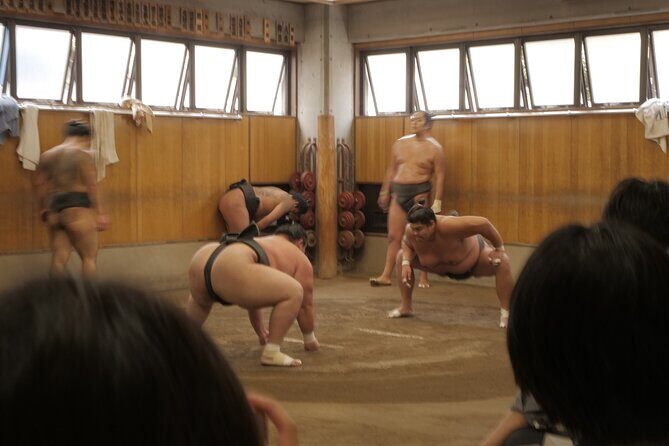
This is the part where you’ll want to follow instructions closely. All areas in the sumo stable are off-limits except the tatami (straw flooring) areas. That means you won’t be wandering around, poking cameras into restricted spaces, or trying to find a “better spot” by walking farther in.
The tour info also makes it clear that seating is first come, first served. If you arrive late, you may end up 2–3 rows back from the front. Those rows can make a difference for photos and for seeing footwork and hand positions clearly.
So my advice is straightforward:
- Arrive early enough to settle before things start moving.
- Keep your camera ready but don’t rush people during transitions.
- Listen to your guide about where to stand and what areas you can be in.
The upside of these rules is that the experience stays orderly. You get a real view of practice instead of chaos.
What You’ll See During Sumo Morning Training
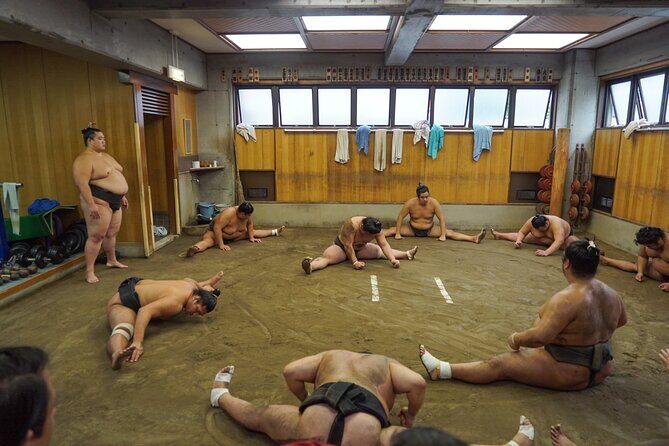
The heart of the tour is the wrestlers’ warm-ups and sparring practice. You’ll watch them build readiness—working on stance, timing, and strength—then pairing off for practice battles.
What you’re looking at isn’t just physical. Sumo training carries a cultural rhythm: repetition with purpose, focus with restraint, and a sense of respect for tradition. Your guide plays a key role here by translating the meaning of what’s happening, not just naming techniques.
I’ve learned from previous sessions that guides like Hana, Kentake, and Yuki help make this understandable. In particular, one guide (Kentake) was described as speaking in fluent English, and Yuki was noted for explaining the background and philosophy so you understand the context behind the intensity. That’s important. Without the context, the practice can look like a series of collisions. With it, you start seeing the logic.
One more practical note: expect the practice to be training-like. Someone also pointed out that the flow can turn a bit repetitive. That isn’t a flaw—it’s how athletes work. If you’re there for the “how” and the discipline, you’ll probably love it.






Photo Opportunity That Doesn’t Feel Like a Photo Line
The tour includes an exclusive photo opportunity with the wrestlers. You’ll get time to photograph them and also pose for pictures with members of the stable.
This is one of those rare Tokyo experiences where you can get photos that feel personal, not just crowd-through-the-fence shots. But do it with etiquette. In a stable environment, the goal is to capture the moment without blocking the view or slowing the practice.
A few tips to improve your odds:
- Keep your camera settings simple before you start photographing. Morning lighting changes fast.
- Don’t wait until the last second during sparring. The best shots often happen right after a move, when wrestlers reset their stance.
- If you’re offered a pose moment, listen closely to the guide’s timing. Photo time is limited, and everyone benefits when you follow the plan.
And yes, people have been impressed by how kind the wrestlers can be during the photo moment. That likely comes from the fact the training is serious, but the stable staff and wrestlers are used to polite visitors—especially when the tour is run with clear boundaries.
Weather Reality Check: Hot and Humid Tokyo Mornings
Tokyo in summer can be brutal—hot, humid, and fast to tire you out. The tour specifically calls out that summer conditions are tough, so it’s smart to plan like you actually live there.
Bring:
- Water
- A hat
- Something light and breathable
You’ll be standing for parts of the session. Even if the training is short, waiting, photographing, and listening takes effort. Save yourself the headache and dress for heat, not for looking cute in photos.
Who This Tour Fits Best (and Who Might Want Another Plan)
This tour is best for you if:
- You love sports and want to see how athletes train when nobody’s cheering yet
- You’re curious about Japanese culture beyond the usual temple-and-market loop
- You want a small-group experience with guide explanations and a real photo moment
You might want to rethink the match if:
- You only want a long, varied event (this is training practice, so the flow can feel repetitive)
- You hate following rules or standing where you’re told
- You’re uncomfortable getting up early for an 8:00 am start
Also, if you’re the type who likes competition days most, this won’t replace a tournament. But it can be the next-best option for understanding how sumo athletes arrive at peak form.
The Guide Factor: Clear Explanations Make the Difference
In short, this is a guide-driven experience. The stable is where the action happens, but your guide helps you translate what you see into something you can actually appreciate.
Names that have shown up in past groups include Hana, Kentake, and Yuki. One person highlighted Kentake’s fluent English and proactive explanations, while another noted Yuki’s thorough background and philosophy. That combination—clear language plus cultural context—is what turns this into more than just a “watch and take photos” outing.
If you like asking questions, this tour’s small size helps. When you’re not fighting a crowd, you can get better answers.
Should You Book This Sumo Morning Practice?
If your goal is a real, behind-the-scenes look at sumo training, I think this is a strong choice. The reasons are practical: small group size, exclusive morning access, photo opportunity, and a guide who helps you understand the why behind what you’re watching.
I’d only hesitate if you want a long event, or if you’re the kind of person who struggles with rules and fixed viewing areas. Since you’ll be limited mostly to tatami spaces and seating is first come, first served, show up ready to follow the flow.
If you book, do one thing for your future self: arrive early, bring water, and bring patience. This is sumo practice. The best reward is the focus you’ll see when the session starts.